Recovering from ACL surgery is not just about waiting for time to pass. It needs a detailed, science-backed rehabilitation protocol that fits each patient’s journey.
At Liv Hospital, we know how key a well-thought-out rehab program is for a good recovery. Athletes like Christen Press have made it back to their sports thanks to a structured rehab process.
Our ACL rehab program helps patients move step by step back to their activities. It’s designed for a safe and effective recovery. By sticking to an evidence-based rehabilitation protocol, patients can get their strength, mobility, and confidence back.
Key Takeaways
- A well-structured rehabilitation protocol is key for a successful recovery after ACL reconstruction.
- Following a step-by-step rehabilitation program ensures a safe and effective return to activity.
- Evidence-based rehabilitation protocols help patients regain strength, mobility, and confidence.
- Liv Hospital’s ACL rehabilitation program is designed to support international patients seeking advanced medical treatments.
- A personalized rehabilitation plan is tailored to each patient’s progress and needs.
Understanding ACL Injuries and Reconstruction
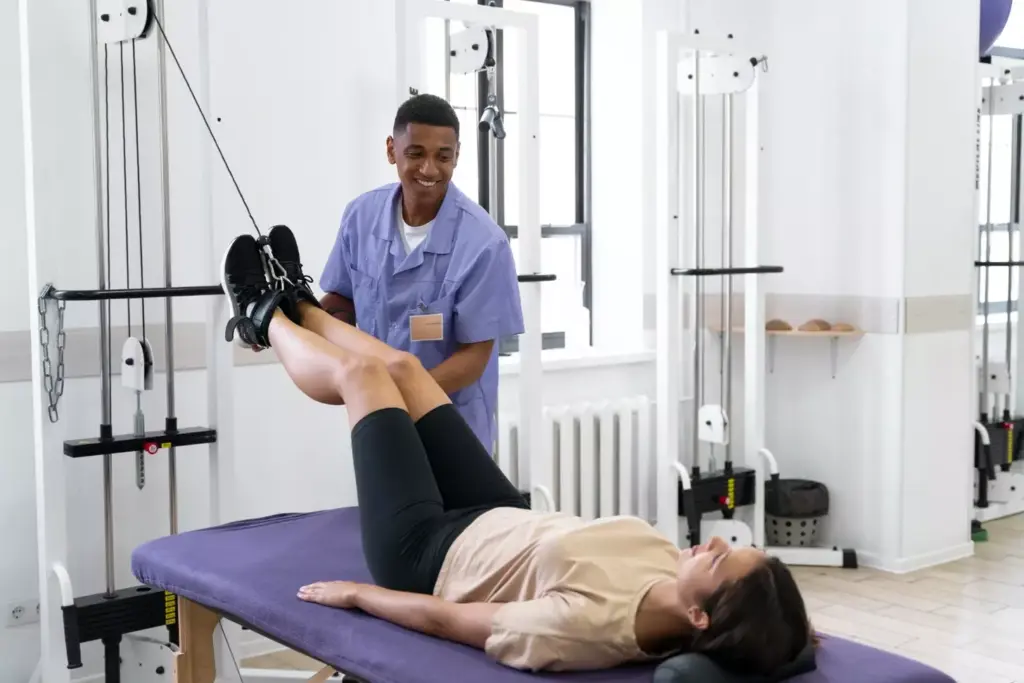
The ACL is key to knee stability. Injuries to this ligament can have big effects. It helps stabilize the knee and makes movement smooth.
What is the ACL and How Does It Function?
The ACL connects the femur to the tibia. It stops the tibia from moving too far forward. It also helps stabilize the knee during rotations.
A healthy ACL is important for knee stability. It’s vital during activities that involve sudden stops or jumps.
Common Causes of ACL Injuries
ACL injuries often happen in sports with sudden stops or changes in direction. They can also happen from direct contact.
- Non-contact injuries, like landing awkwardly or pivoting quickly.
- Contact injuries, where a direct blow to the knee damages the ACL.
- Overuse injuries, though less common, can also damage the ACL.
Players like Trevon Diggs have faced ACL injuries. Recovery is long and needs a good ACL rehabilitation protocol.
Types of ACL Reconstruction Surgeries
ACL reconstruction surgery uses a graft to replace the damaged ACL. There are different grafts:
- Autografts, taken from the patient’s own body (e.g., patellar tendon, hamstring tendon).
- Allografts, from a donor.
The choice of graft depends on the patient’s age, activity level, and past surgeries. Modern surgery focuses on minimally invasive procedures and early mobilization for better recovery.
Setting Realistic Recovery Expectations
Recovery from ACL reconstruction takes time and a structured rehab program. It’s important to have realistic expectations about the recovery time and challenges. A typical ACL rehab exercise program starts with simple exercises and moves to more complex ones like squats and jumping drills.
“The key to successful ACL rehabilitation is a well-structured protocol that emphasizes progressive strengthening and early mobilization.”
Knowing the process and having a clear plan helps a lot in rehab. By following a detailed ACL post-op care plan, patients can recover well and get back to their activities.
The Evolution of ACL Rehabilitation Protocols
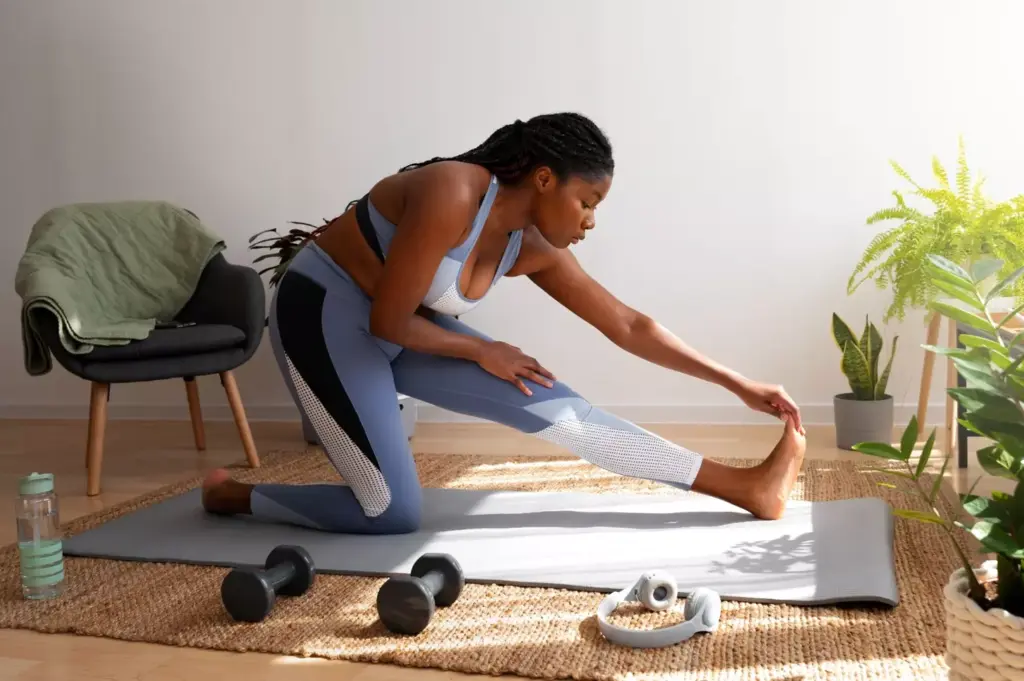
In recent years, ACL rehabilitation has changed a lot. We’re moving from old methods to new, evidence-based ones. This change comes from new research and a better understanding of the knee.
Now, ACL rehabilitation focuses more on each person’s needs. It’s different from the old ways that didn’t consider each patient’s situation. This new way is based on what each person can do, not just how long they’ve been doing it.
Traditional vs. Modern Approaches
Old ACL rehab plans were the same for everyone. They followed a set schedule of exercises. But now, we tailor rehab to each person. We adjust plans based on how each person is doing.
Today, evidence-based progression is key. We move forward based on what each person can do, not just time. This makes sure they’re ready for their activities.
Evidence-Based Progression vs. Time-Based Milestones
Switching to evidence-based progression is a big step forward. It focuses on how stable and strong the knee is, not just how long it’s been rehabbing. This way, we make sure patients are safe to go back to their activities.
Studies show starting gentle exercises and working on quadriceps soon after surgery is important. For more on ACL repair and rehab, check out ACL Repair Protocol.
Importance of Individualized Protocols
Customizing ACL rehab plans is key to success. Tailoring the plan to each person’s needs and goals helps address their unique challenges. This makes rehab more effective.
| Aspect | Traditional Approach | Modern Approach |
|---|---|---|
| Progression Criteria | Time-based milestones | Evidence-based functional criteria |
| Personalization | One-size-fits-all | Individualized rehabilitation plans |
| Early Intervention | Limited early mobility | Early mobility and quadriceps activation |
By using a modern, personalized approach to ACL rehab, we can help patients better. This change shows our commitment to top-notch care based on the latest research.
Pre-Surgery Preparation
Getting ready for ACL reconstruction surgery is key. This time is important for a good recovery and getting back to normal life.
Prehabilitation Exercises
Prehab is all about exercises and therapy before surgery. It makes muscles around the knee stronger and improves movement. Strengthening the quadriceps, hamstrings, and hip muscles helps a lot after surgery.
- Quadriceps sets: Tightening the quadriceps muscle while keeping the leg straight.
- Straight leg raises: Lifting the leg while keeping it straight.
- Hamstring curls: Bending the knee to strengthen the back of the leg.
Mental Preparation Strategies
Mental prep is as important as physical. Using visualization, meditation, and deep breathing exercises can lower anxiety and stress about surgery.
Make time each day for these activities. It helps keep your mind calm and focused.
Home Modifications and Recovery Equipment
Changing your home can make recovery easier. This might mean moving furniture, using a shower chair, and keeping things within reach.
Getting recovery gear like crutches, a knee brace, and ice packs is also smart. Talk to your doctor about what you need for your home.
Coordinating With Your Healthcare Team
Talking to your healthcare team is vital. You should discuss your ACL surgery recovery protocol and ACL rehab protocol after surgery.
Plan your follow-up visits and know what to expect during recovery. This helps you stay on track.
Immediate Post-Operative Phase (Days 1-14)
Recovery in the first 14 days after surgery is key for the best ACL rehab results. We focus on controlling pain and swelling, starting early exercises, and gradually increasing weight-bearing activities.
Pain and Swelling Management Techniques
It’s important to manage pain and swelling right after surgery. We use both medicine and non-medical ways to help. Cryotherapy and compression reduce swelling, and elevation of the leg helps with pain.
Doctors often prescribe NSAIDs and painkillers to help with pain and swelling. Always follow your doctor’s advice on taking these medicines.
Early Mobility and Range of Motion Exercises
Moving early helps prevent stiffness and aids in healing. Start with gentle exercises like heel slides and knee bends soon after surgery. These exercises help keep the knee moving smoothly and prevent problems.
Do these exercises gently, stopping if you feel too much pain or discomfort.
Quadriceps Activation and Straight Leg Raises
Strengthening the quadriceps is a big part of early rehab. Straight leg raises are a good exercise for this. They work the quadriceps without stressing the knee too much.
To do a straight leg raise, lie on your back, squeeze your quadriceps, and lift your leg 6-8 inches. Hold for a few seconds, then lower it back down. Do this several times a day.
Weight-Bearing Progression Guidelines
Getting back to weight-bearing activities is a slow process. It depends on how you feel and how much pain you have. At first, you might need to use crutches or a walker. As you get stronger and feel less pain, you’ll be able to bear more weight.
Always listen to your physical therapist or doctor for the best way to progress safely.
Early Rehabilitation Phase (Weeks 2-6)
After the first few weeks, we start rebuilding knee strength and mobility from weeks 2 to 6. This is key for a successful return to normal activities and sports.
Restoring Full Knee Extension Techniques
Restoring full knee extension is a main goal. We use exercises and techniques to achieve this. Heel props and knee extensions with a towel are common methods.
Doing these exercises regularly, as your healthcare provider advises, is important. It helps improve knee extension and range of motion.
Progressive Knee Flexion Exercise Program
Improving knee flexion is also vital. We start with gentle knee bends and move to wall squats and leg press. It’s important to progress slowly and avoid pain.
A good knee flexion program not only increases range of motion but also strengthens muscles. This provides stability to the knee.
Gait Training and Proper Walking Mechanics
Gait training is essential in the early phase. We aim to regain a normal walking pattern to prevent injuries. Proper walking mechanics include a heel-to-toe gait and avoiding limping.
Physical therapists are key in gait training. They provide feedback and help ensure a natural walking pattern. This aids in rehabilitation and boosts confidence in daily activities.
Initial Strengthening Exercises for Supporting Muscles
Strengthening muscles around the knee is vital for supporting the ACL reconstruction. We start with isometric exercises like straight leg raises and quad sets. As healing progresses, we move to more dynamic movements.
Following a structured strengthening program is important. It ensures exercises are done correctly and safely, maximizing the benefits of the ACL rehab protocol.
ACL Rehabilitation Protocol PDF: Key Components and Guidelines
The ACL rehabilitation protocol PDF outlines key components and guidelines for post-surgery recovery. It’s important to follow a structured protocol for the best results after ACL reconstruction. These protocols include exercises, milestones, and guidelines based on the individual’s progress.
Milestone Criteria vs. Timeline Expectations
ACL rehabilitation protocols include milestone criteria and timeline expectations. Milestone criteria are specific achievements needed before moving to the next phase. Timeline expectations outline when these milestones should be reached. Remember, everyone’s progress is different.
Tracking Progress Using Protocol Benchmarks
Tracking progress is vital in ACL rehabilitation. Protocols have benchmarks to measure progress. These benchmarks might include range of motion, strength, and functional ability. Regularly checking these metrics helps adjust the rehabilitation plan as needed.
When and How to Modify Protocol Parameters
Modifying protocol parameters may be necessary based on a patient’s progress or challenges. Reasons for modifications include persistent pain, swelling, or not meeting milestone criteria. Healthcare providers work with patients to adjust the protocol, ensuring it remains effective and safe.
Intermediate Rehabilitation Phase (Weeks 6-12)
The intermediate phase, from weeks 6 to 12 after ACL surgery, is key for getting stronger and more functional. We use special training and exercises to boost knee function and overall fitness.
Progressive Resistance Training Program
Progressive resistance training is a big part of this phase. We make exercises harder to build muscle strength around the knee. We focus on the quadriceps, hamstrings, and calf muscles. Leg press, leg extensions, and hamstring curls are some examples.
Key Exercises for Progressive Resistance Training:
- Leg Press
- Leg Extensions
- Hamstring Curls
- Calf Raises
Balance and Proprioception Training Progression
Balance and proprioception exercises are critical for the knee’s stability and sense of position. We start with simple balance on stable surfaces and move to harder ones like balance boards or BOSU balls. This helps improve neuromuscular control.
Low-Impact Cardiovascular Conditioning
We introduce low-impact cardio to boost fitness without harming the knee. Cycling, swimming, or using an elliptical machine are good choices. These keep the heart healthy while the knee heals.
| Activity | Benefits |
|---|---|
| Cycling | Low-impact, improves cardiovascular fitness |
| Swimming | Zero-impact, enhances cardiovascular health |
| Elliptical Machine | Low-impact, simulates running without the stress |
Functional Movement Pattern Retraining
Retraining functional movements is key for daily activities and sports. We use exercises like squatting, lunging, and step-ups. These help regain strength, flexibility, and coordination.
Examples of Functional Movements:
- Squatting
- Lunging
- Step-ups
Advanced Rehabilitation Phase (Months 3-6)
As we move into the advanced rehabilitation phase, we’re between months 3 to 6 after ACL reconstruction. This time is key for getting stronger, improving function, and getting ready for sports or high-level activities.
Return to Running Protocol Steps
Getting back to running is a big step in ACL rehab. The steps are:
- Start with walk-jog intervals
- Move to jogging and then running on a treadmill or flat surface
- Add changes in direction and pace
- Slowly increase distance and intensity
Safe Introduction to Plyometric Training
Plyometric training starts when you’ve reached certain strength and stability goals. The steps are:
- Begin with low-intensity plyometric exercises like jump squats
- Move to higher intensity drills like box jumps
- Make sure to land correctly to reduce impact
Sport-Specific Movement Pattern Drills
Drills specific to your sport are vital for getting ready. Examples include:
- Agility ladder drills for quick direction changes
- Shuttle runs for sports needing fast starts and stops
- Plyometric exercises made for your sport
Strength and Symmetry Assessment Methods
Checking strength and symmetry is important before moving to harder activities. Methods include:
- Isokinetic strength testing
- Single-leg squats and other functional tests
- Comparing strength and range of motion between legs
Return to Sport Phase (Months 6-9+)
The return to sport phase happens between months 6-9 after ACL reconstruction. It needs careful planning and a detailed check to ensure a safe and successful return. This phase is key as it looks at both physical and mental readiness.
Comprehensive Sport-Specific Testing
Before going back to sports, athletes must do detailed sport-specific tests. These tests check their strength, agility, and endurance through drills that match their sport’s demands.
Key components of sport-specific testing include:
- Agility drills to assess quick changes of direction
- Jump and landing assessments to evaluate power and control
- Sprinting and deceleration tests to measure speed and strength
- Endurance tests to ensure the athlete can sustain activity over time
Psychological Readiness Assessment Tools
Being mentally ready is just as important as being physically ready. Tools like the ACL-Return to Sport after Injury (ACL-RSI) scale help check if athletes are mentally prepared.
“The psychological response to injury and return to sport is just as important as the physical recovery.” – Dr. [Last Name], Sports Medicine Specialist
Gradual Competition Reintegration Strategy
Starting slowly is key to avoid injury and ensure a good return to sports. Begin with low-intensity training and gradually increase the intensity and volume.
Key steps in a gradual reintegration strategy include:
- Initial low-intensity training sessions
- Progressive increase in training intensity and volume
- Participation in simulated competition scenarios
- Return to full competition under close supervision
Long-Term Injury Prevention Programming
To avoid future injuries, athletes should keep up with a long-term injury prevention program. This includes regular exercise to keep strength, flexibility, and neuromuscular control.
Components of a long-term injury prevention program:
| Exercise Type | Frequency | Objective |
|---|---|---|
| Strengthening Exercises | 2-3 times/week | Maintain muscle strength around the knee |
| Flexibility and Mobility Exercises | 3-4 times/week | Improve range of motion and reduce stiffness |
| Neuromuscular Training | 2 times/week | Enhance balance and proprioception |
Common Challenges and How to Overcome Them
The journey to recovery after ACL surgery is not easy. Many face challenges along the way. It’s important to tackle these to succeed in rehabilitation.
Addressing Recovery Plateaus
When progress seems to stop, it can be frustrating. To get past this, try new exercises or make current ones harder. Progressive resistance training and varied exercise routines can push recovery forward.
Managing Persistent Pain or Swelling
Persistent pain or swelling can slow down ACL recovery. Work with your doctor to find the cause. Use ice therapy, compression garments, and elevation to reduce swelling. For pain, try medication, physical therapy, or injections.
Techniques for Overcoming Fear of Re-Injury
Fear of getting hurt again is common. Use psychological readiness assessment tools and gradual exposure to stressful activities in rehab. Building confidence with sport-specific training and functional movement pattern drills helps too.
When to Seek Additional Medical Intervention
Most people do well in ACL rehab, but some need extra help. If you see signs of infection, persistent instability, or pain that won’t go away, get checked out. You might need advanced imaging or consultation with a specialist.
Conclusion: Keys to Successful ACL Rehabilitation
Getting better after an ACL injury needs a clear plan. Following a structured ACL rehab protocol helps a lot. It starts with basic care and moves to getting back to sports, covering pain control, stretching, strengthening, and learning new skills.
Stars like Christen Press and Trevon Diggs show how it works. They followed a detailed rehab plan. This plan helps set goals and know when to move forward. Sticking to the rehab plan is key to avoid problems and get back safely.
Knowing the value of a good ACL rehab plan helps you play a big part in your recovery. This way, you can get back to sports and everyday life successfully.
What is an ACL rehabilitation protocol?
An ACL rehabilitation protocol is a detailed plan for recovering after ACL surgery. It includes exercises and milestones to help you get back to normal.
Why is following an ACL rehabilitation protocol important?
Following this protocol is key for a good recovery. It helps you progress safely and reduces the chance of injury or complications.
What are the key components of an ACL rehabilitation protocol?
Important parts include managing pain and swelling, doing early exercises, and strengthening. You’ll also work on balance and learn to move properly again.
How long does ACL rehabilitation typically take?
ACL rehab usually lasts 6-9 months. It depends on the injury’s severity and your progress.
What is prehabilitation, and why is it important?
Prehabilitation is getting ready for ACL surgery with exercises. It helps your knee and muscles recover better after surgery.
How can I manage pain and swelling after ACL surgery?
Use ice, compression, and elevation to manage pain and swelling. Gentle exercises also help improve blood flow and mobility.
What are some common challenges during ACL rehabilitation?
Challenges include hitting a recovery plateau, dealing with pain, and fearing injury. A healthcare professional can help you overcome these.
How do I know if I’m ready to return to sports after ACL rehabilitation?
You’ll be tested for sports readiness. This includes physical and mental assessments to ensure a safe return to play.
Can I modify my ACL rehabilitation protocol?
Yes, your protocol can be adjusted based on your progress and needs. A healthcare professional will guide you.
What is the role of physical therapy in ACL rehabilitation?
Physical therapy is vital in ACL rehab. It provides personalized care, exercises, and support for optimal recovery.
How can I prevent future ACL injuries?
To prevent ACL injuries, stay strong and flexible. Use proper techniques in sports and activities. Also, include injury prevention in your training.
What are the benefits of a well-structured ACL rehabilitation protocol?
A good ACL rehab protocol ensures a smooth recovery. It reduces complications and helps you safely return to sports.
Where can I find an ACL rehabilitation protocol PDF?
You can find ACL rehab protocol PDFs from healthcare providers, physical therapy clinics, or online. They offer a detailed guide to the recovery process.
References
- Professeur Cavaignac. ACL Rehab Protocol. https://www.professeur-cavaignac.com/anterior-cruciate-ligament/acl-rehab-protocol/
- Mammoth Orthopedic Institute. Anterior Cruciate Ligament Reconstruction Rehabilitation Protocol – Dr. Crall. https://www.mammothortho.com/pdf/acl-repair-crall.pdf