


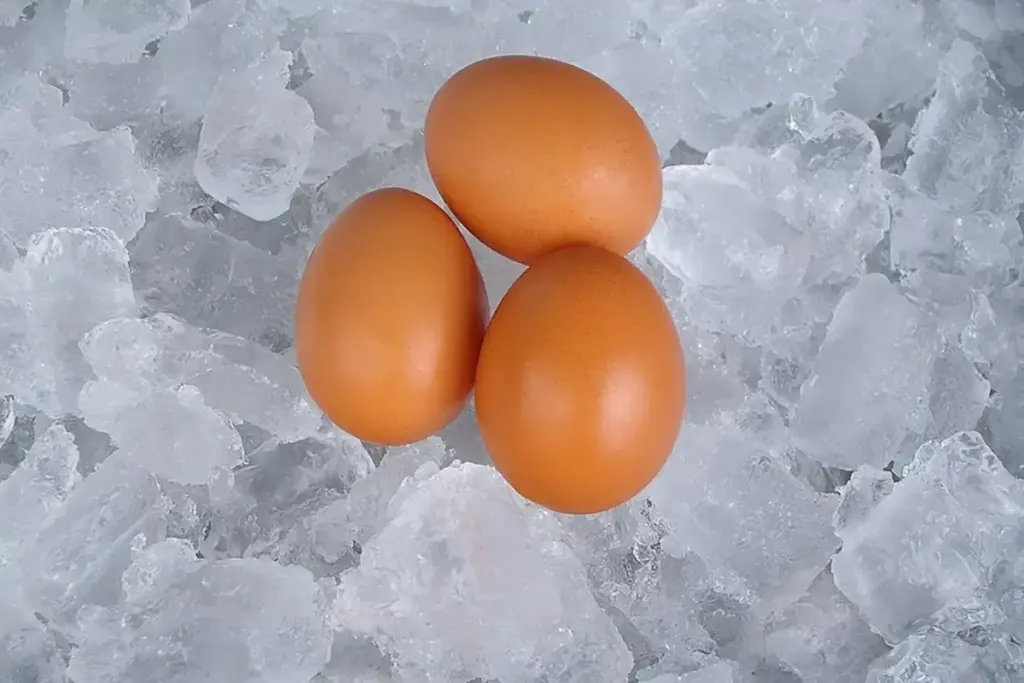
We know how important it is to save food before it goes bad. Many families want to cut down on waste and keep their pantries full. By following these easy steps, you can always be ready for any baking adventure.
Many people wonder if they can freeze eggs in their shells. We say no because freezing can cause the eggs to crack and might even get contaminated. Safety is our top priority to keep your family safe.
Instead, mix the egg contents well and put them in airtight containers. This way, you can always have eggs ready for your next baking project. Proper preparation is key to great results in your cooking.
We know that keeping a well-stocked kitchen is vital for busy families. Smart preservation helps save time and money during the week. Our team is here to guide you to culinary success.
Key Takeaways
- Always crack the poultry items into a clean bowl first.
- Never place them in chilled storage while inside their hard casings.
- Gently blend yolks and whites for a smooth consistency.
- Use airtight containers or bags for optimal safety.
- Label each pack with the current date and quantity.
- Consume the stash within twelve months for best quality.
Why Freeze Eggs and Important Safety Guidelines
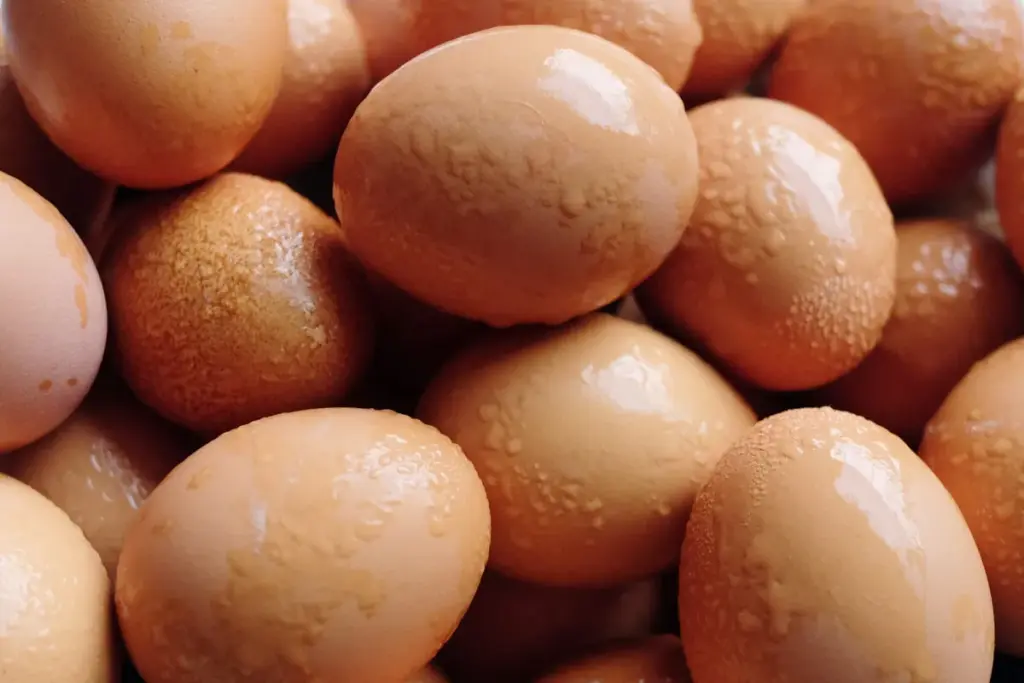
Freezing eggs is a simple and effective way to keep them for later. It extends their shelf life, helping with meal planning and cutting down on waste.
Benefits of Freezing Whole Eggs for Extended Shelf Life
Freezing whole eggs is great for long-term storage. The American Egg Board says eggs can last up to a year in the freezer. But for the best taste, use them within three to six months. Freezing keeps eggs nutritious and usable, making it a top choice for preservation.
“Freezing eggs right is key to keeping them good and safe,” says experts. Freezing whole eggs means you can always have eggs ready for cooking, without worrying about them spoiling.
Critical Safety Rule: Never Freeze Eggs in Their Shells
It’s very important not to freeze eggs in their shells. The egg white and yolk grow when frozen, which can crack the shell. This can ruin the egg’s quality and is unsafe. Always take eggs out of their shells before freezing.
To freeze eggs safely, mix the yolks and whites together. Adding a bit of salt or sugar helps prevent them from becoming grainy. This way, the eggs will be good to use in recipes after thawing.
By sticking to these rules, you can safely freeze whole eggs for later. This way, you can enjoy eggs all year without worrying about them going bad.
How to Freeze Whole Eggs: Step-by-Step Instructions
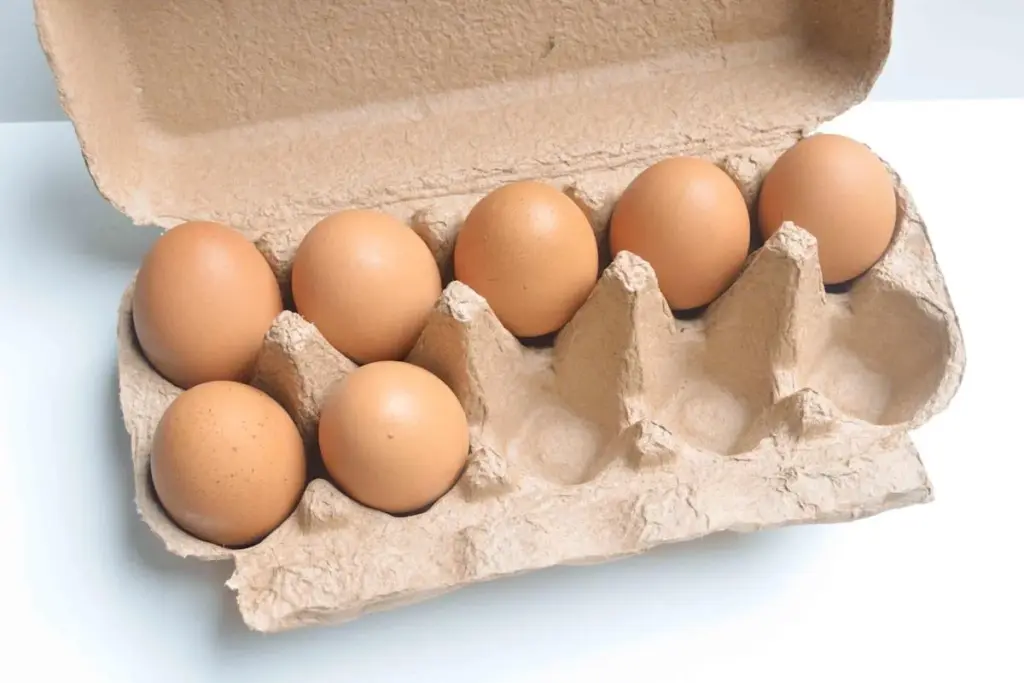
To freeze whole eggs well, follow a simple method. Freezing eggs is great for keeping them for later use in many recipes. We’ll show you how to freeze eggs safely and keep their quality.
Remove Eggs from Shells and Prepare for Mixing
Start by cracking the eggs and removing the shells. It’s important to handle the eggs safely to avoid contamination. Carefully crack the eggs into a clean bowl, making sure to leave out any shell fragments.
Beat Yolks and Whites Together Without Incorporating Air
Next, mix the yolks and whites together. Beat the eggs just until they are blended. Avoid overbeating, as it adds too much air. You want a smooth mix.
Add Salt to Prevent Graininess
To stop the eggs from becoming grainy after freezing, add salt. Mix in one half teaspoon of salt per cup of whole eggs. This step helps keep the eggs’ texture when thawed and used in cooking.
Choose Your Portioning Method
Now, decide how to portion the egg mix for freezing. You can use freezer-safe containers or ice cube trays. Freezer-safe containers are good for big batches, while ice cube trays are better for small amounts that thaw easily as needed.
| Portioning Method | Ideal Use | Benefits |
| Freezer-Safe Containers | Large recipes or bulk use | Convenient for big batches, easy to label |
| Ice Cube Trays | Small recipes or individual servings | Easy to thaw only what’s needed, reduces waste |
By following these steps, you can freeze whole eggs effectively. They’re ready for your favorite recipes. Whether cooking for one or preparing meals ahead, frozen eggs are versatile and convenient.
Conclusion
Exploring how to freeze whole eggs safely shows it’s both practical and convenient. Learning to freeze eggs lets you enjoy them in many recipes all year. Whether you’re curious about freezing fresh eggs or chicken eggs, the answer is yes, with the right steps.
Freezing whole eggs keeps them quality and safe. When you’re ready, thaw them and add to your favorite dishes. You can freeze one or many eggs, making it simple to manage your supply. This method helps reduce waste and saves time in the kitchen.
We suggest trying to freeze whole eggs and see the benefits for yourself. With the right methods, you can use frozen eggs in baked goods, omelets, and more. So, go ahead and freeze chicken eggs with confidence, knowing you’re saving a versatile ingredient for future meals.
FAQ
Can you freeze fresh eggs in the shell?
No, we strongly advise against freezing eggs in their shells. The liquid inside expands, causing the shell to crack. This can lead to bacterial contamination. Always remove the contents before freezing chicken eggs.
How do you freeze eggs for later use?
Crack eggs into a clean bowl and whisk them gently. Add a pinch of salt or sugar to prevent yolks from becoming gelatinous. Pour the mixture into a Tupperware container or a silicone ice cube tray for easy portioning.
Can raw eggs be frozen for later use in baking?
Yes, raw eggs can be frozen for later use in baking. They keep their binding properties well, making them great for cakes or muffins. Label your containers with the date and egg count for easier baking.
Can I freeze fresh eggs from a local farm?
Absolutely. You can freeze fresh eggs from a local farm to keep their nutritional value. Handle them with the same care as any fresh produce.
Can uncooked eggs be frozen individually?
Yes, you can freeze uncooked eggs individually in an ice cube tray. Each compartment holds one large egg. Once frozen, transfer the “egg cubes” to a Ziploc freezer bag to prevent freezer burn.
Can you freeze store bought eggs like Eggland’s Best?
Yes, you can freeze store-bought eggs, including Eggland’s Best. Freezing them is a great way to save money and reduce waste. Just remember to remove the shells first.
Is it possible to freeze hard boiled eggs?
While you can freeze hard-boiled eggs, we don’t recommend it. The egg whites can become tough and watery. But you can freeze cooked yolks for garnishes or fillings.
What are the best ways to freeze eggs for long-term storage?
The best ways to freeze eggs involve whisking the whites and yolks together with a stabilizer. Use salt or corn syrup, depending on the dish. Store them in airtight containers for up to a year.
How do I manage cooking with frozen eggs?
When cooking with frozen eggs, thaw them in the fridge overnight. Use them immediately in dishes that will be thoroughly cooked, like scrambles or quiches.
How to freeze uncooked eggs without them becoming grainy?
To freeze uncooked eggs without a grainy texture, add 1/8 teaspoon of salt or 1.5 teaspoons of sugar per four eggs. This helps keep the yolk proteins smooth during freezing.
Can an egg freeze and then be safe to eat if it happens accidentally?
If an egg freezes accidentally and the shell is intact, use it immediately after thawing. But if the shell cracks, discard it to avoid foodborne illness.
Can i freeze eggs for later use if I only need the whites?
Yes, you can freeze eggs for later use by separating the whites and yolks. Egg whites freeze well without additives. Pour them into a freezer-safe container for later use in meringues or soufflés.
How do you freeze eggs to ensure they stay fresh for months?
Use high-quality freezer bags and remove as much air as possible before sealing. This prevents ice crystals from forming, keeping your eggs fresh for months.
References
https://www.ncbi.nlm.nih.gov/books/NBK568238/



 Departments
 Related Videos
 Our Doctors
 News
News






















