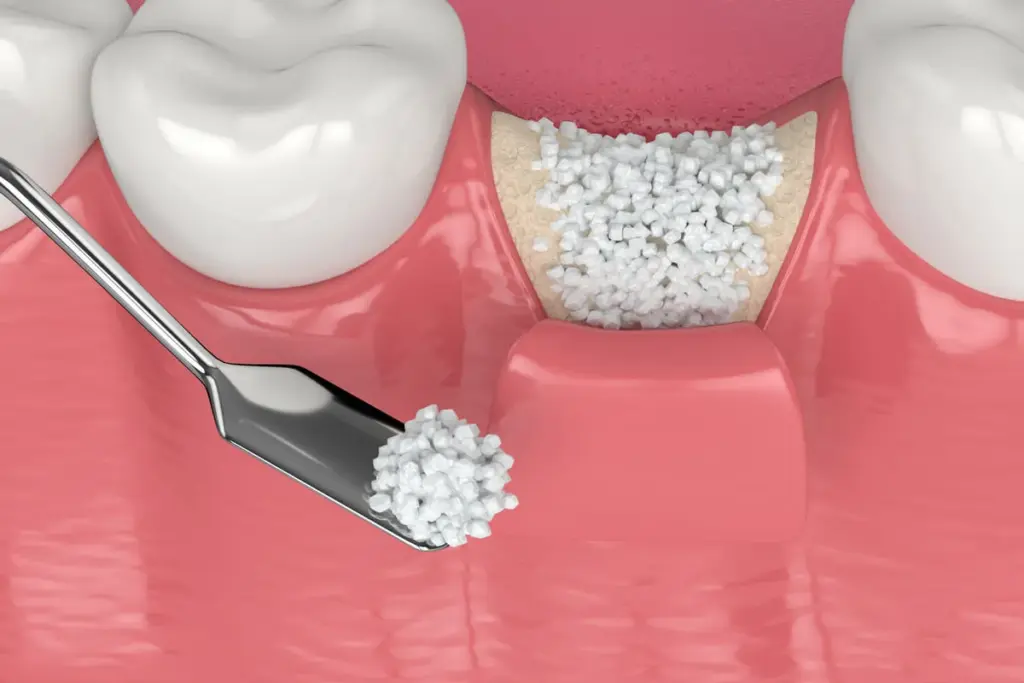
Are you worried about gum recession and how it affects your smile and health? Gum grafting surgery is a trusted fix, with success rates over 90%. We offer top-notch care with advanced treatments.
Gum grafting is a simple surgery done by a skilled periodontist. It fixes gum recession by using tissue from another mouth area or donor tissue. This covers exposed roots, bringing back the natural gum line and boosting your oral health.
Key Takeaways
- Gum grafting surgery has a high success rate, exceeding 90%.
- The procedure involves transplanting tissue to cover exposed roots.
- It helps restore the natural gum line and improve oral health.
- Advanced techniques and autogenous tissue are used for optimal results.
- Skilled periodontists perform the surgery to ensure the best outcomes.
Understanding Gum Augmentation and Its Benefits
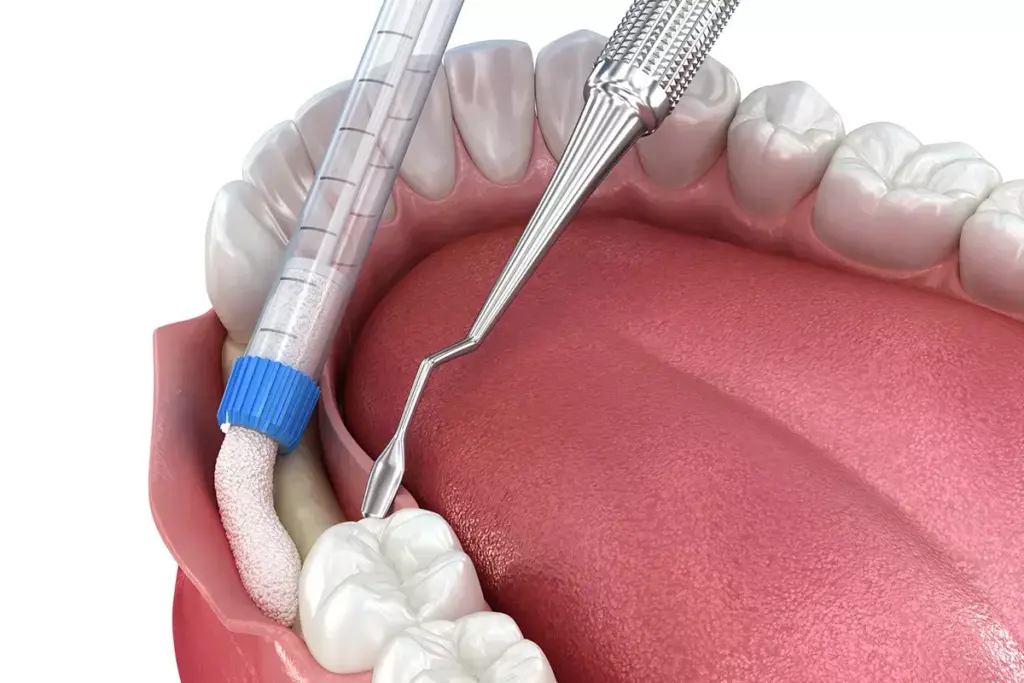
Gum tissue loss, or gum recession, is common and can cause many oral health problems. This makes gum augmentation a key treatment. Gum recession affects about 50% of adults aged 18 to 64 and 88% of those over 65. It’s important to know about gum augmentation and its benefits.
What Is Gum Grafting and Why It’s Performed
Gum grafting is a way to fix damaged gum tissue using tissue grafts. It’s done to fix gum recession, which can cause tooth sensitivity and look bad. The graft comes from the patient’s palate and is placed on the damaged area.
“Gum grafting is a highly effective method for restoring the natural appearance and health of gums,” say dental experts. It uses different techniques, like soft tissue grafting dental, to stop gum tissue loss.
Who Needs Gum Grafting Surgery
People with gum recession due to periodontal disease, aggressive brushing, or genetics might need gum grafting. This surgery helps cover exposed roots, reduces sensitivity, and improves tooth look.
If you’re thinking about gum graft surgery, talk to a dentist to see if it’s right for you.
Health Implications of Untreated Gum Recession
Not treating gum recession can lead to serious oral health problems. It can increase the risk of tooth decay and loss. As it gets worse, it can expose tooth roots, making them more likely to decay and feel sensitive.
“Gum recession, if left untreated, can have significant implications for oral health, including the possibility of tooth loss.”
So, knowing the benefits ofperiodontal grafting surgeryis key to keeping your mouth healthy.
The Gum Grafting Procedure: Step-by-Step Guide
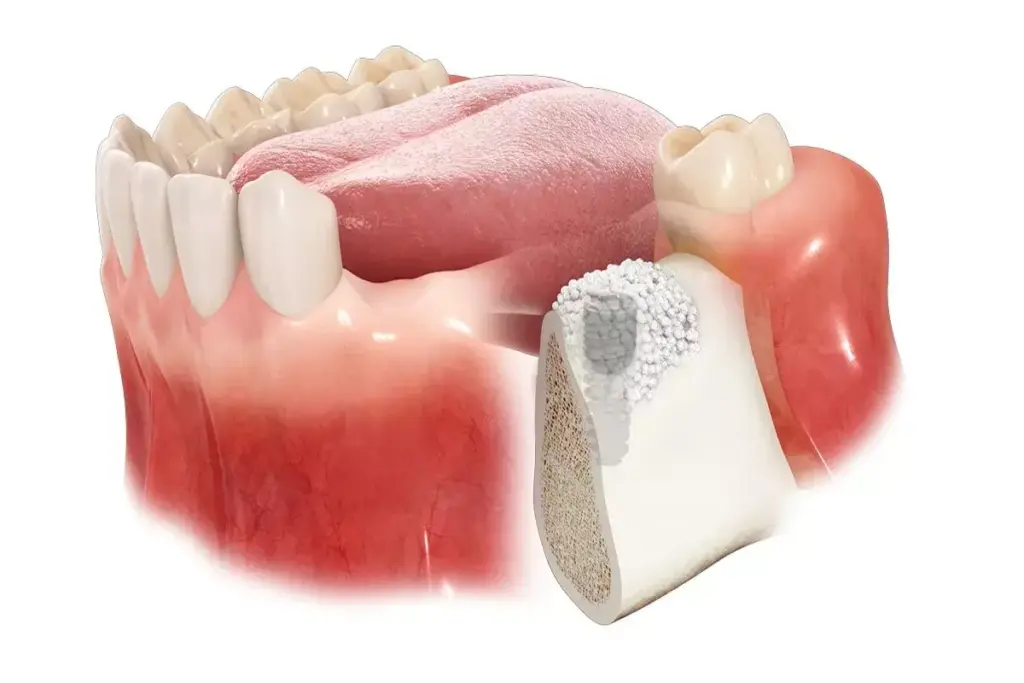
The gum grafting process starts with a detailed consultation with a periodontist. This first step is key. It lets the periodontist see how bad the gum recession is and pick the best surgery for you.
Preparation for Your Gum Graft Surgery
Getting ready for gum graft surgery is important. We tell patients to keep their teeth clean and get any needed dental cleanings before surgery. We also ask them to avoid some medicines that might mess with the surgery or healing.
Before the surgery, we talk about what the patient expects and what might happen. This makes sure the patient knows what to expect and feels okay with it.
Types of Gum Grafts and Techniques
There are different kinds of gum grafts, like connective tissue, free gingival, and pedicle grafts. The right graft depends on how bad the recession is and the patient’s health.
- Connective tissue grafts take tissue from under the palate and put it where it’s needed.
- Free gingival grafts take a graft from the palate and attach it to the problem area.
- Pedicle grafts partially cut the gum tissue near the problem area and stretch it over.
What Happens During the Procedure
During surgery, the periodontist will numb the area with local anesthesia. This keeps the patient comfortable. The surgery includes getting the area ready, taking the graft, and putting it in place.
“Gum grafting surgery has been shown to have success rates exceeding 90%, with long-term studies indicating that improvements remain stable for decades.” Recent Clinical Study
Post-Operative Care Instructions
After surgery, taking good care of your mouth is key. We tell patients to eat soft foods, avoid hard work, and keep their mouth clean. They also need to go to follow-up visits to check on the healing.
By following these steps, patients can get the best results from their gum graft surgery. This helps fix their gum health and improves their mouth’s overall health.
Conclusion: Recovery and Success Rates of Gum Grafts
Gum grafting is a safe and effective way to fix receding gums. It protects teeth and boosts oral health. Knowing about gum grafts and the process helps people make smart choices for their mouth.
Recovering from gum grafting usually takes a few weeks. During this time, new blood vessels grow, making the graft part of the gum. Keeping up with good oral care and dental visits helps the results last longer.
Gum grafting, or gum implants, works well when done by skilled dentists. It not only makes your smile look better but also keeps your teeth safe from harm.
If you have gum recession, think about gum grafting. With the right care, the benefits can last a long time. This improves your overall health and how you feel about your smile.
FAQ
What is gum grafting?
Gum grafting is a surgery that moves healthy gum tissue to where it’s missing. This makes the gum line look natural again. It also makes teeth less sensitive and improves their look.
Why is gum grafting performed?
It’s done to fix gum recession. This can happen from gum disease, brushing too hard, or other reasons. It helps stop more recession, lowers tooth decay risk, and boosts oral health.
What are the different types of gum grafts?
There are many types, like connective tissue grafts and free gingival grafts. The choice depends on how much gum is missing.
How is a gum graft done?
We take tissue from the roof of your mouth and move it to where it’s needed. Then, we stitch it in place. After that, it heals.
What is the success rate of gum graft surgery?
Gum graft surgery works well, with over 90% success. With good care, the new tissue can heal well, fixing the gum line and improving health.
What is the recovery process like after gum graft surgery?
You might feel some pain, swelling, and bleeding after surgery. We’ll give you instructions to manage these. Following them helps healing and avoids problems.
How do I care for my gum graft after surgery?
You’ll need to brush gently, avoid hard activities, and see us for follow-ups. We’ll give you specific advice to care for your graft and get good results.
Can gum grafting improve the appearance of my teeth?
Yes, it can. It makes the gum line look natural again, hiding roots. This can make your smile look better.
Is gum grafting a painful procedure?
We use anesthesia to make it less painful. You might feel some pain later, but we’ll help you manage it.
How long does it take to recover from gum graft surgery?
Recovery time varies. It usually takes weeks for the graft to fully heal. We’ll give you a detailed timeline at your visit.
REFERENCES:
National Center for Biotechnology Information. Evidence-Based Medical Guidance. Retrieved from https://pubmed.ncbi.nlm.nih.gov/29873085/