
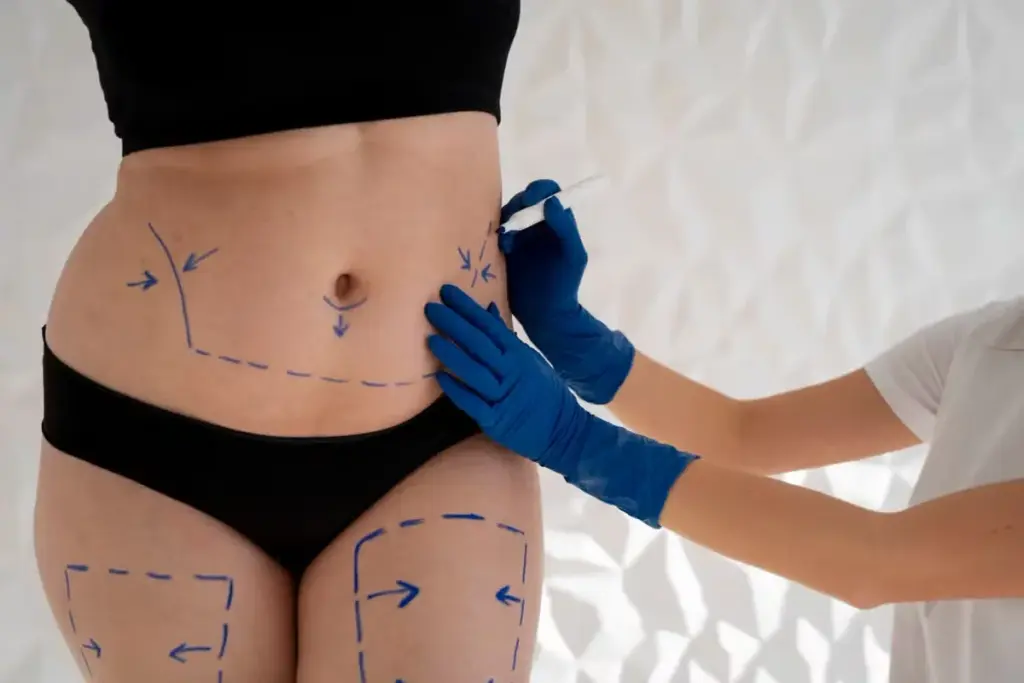
Getting rid of fat around the knees can be tough with diet and exercise. Knee liposuction is a way to remove extra fat. This guide will cover the process, benefits, and what to expect from liposuction around knees.
We’ll dive into the latest techniques and technologies. This ensures you get the most current and accurate info. For more details, check out our complete guide to knee liposuction in.
Key Takeaways
- Liposuction around knees is a targeted body contouring procedure.
- It’s not a weight-loss solution but addresses localized fat resistant to exercise.
- The procedure is typically performed under local anesthesia with light sedation.
- Benefits include improved leg shape and minimal scarring.
- Most patients return to normal activities within about a week.
Understanding Knee Lipo: Procedure and Benefits
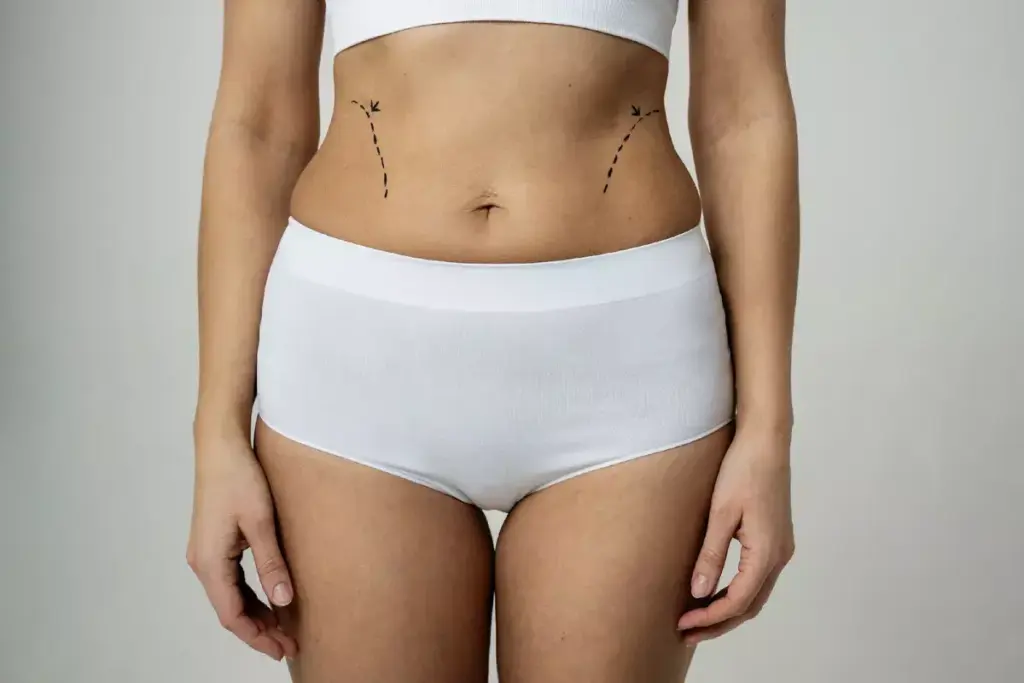
Knee liposuction is a popular way to slim down legs by removing fat around the knees. It helps get rid of excess fat that makes knees look bulging or disrupts the leg’s shape.
The surgery uses small tools to remove fat through tiny cuts near the area. It’s done under local anesthesia with sedation, or sometimes general anesthesia, depending on the case.
Candidates for Knee Fat Removal
People thinking about knee liposuction should be healthy and have clear goals for the surgery. The best candidates have fat around the knees that doesn’t go away with diet or exercise. We check their health, skin, and body type to see if they’re a good fit.
Benefits of Liposuction Around Knees
Liposuction around the knees can make legs look better, feel more confident, and look more balanced. It removes fat for a smoother look that boosts self-esteem. The main benefits are:
| Benefit | Description |
| Improved Contour | Enhanced leg shape and appearance |
| Increased Confidence | Boosts self-esteem and comfort |
| Permanent Results | Long-lasting outcomes with proper maintenance |
Knowing about the procedure and its benefits helps people decide if knee liposuction is for them. We aim to give the best care and support, ensuring great results for our patients.
The Knee Liposuction Process: Before, During, and After
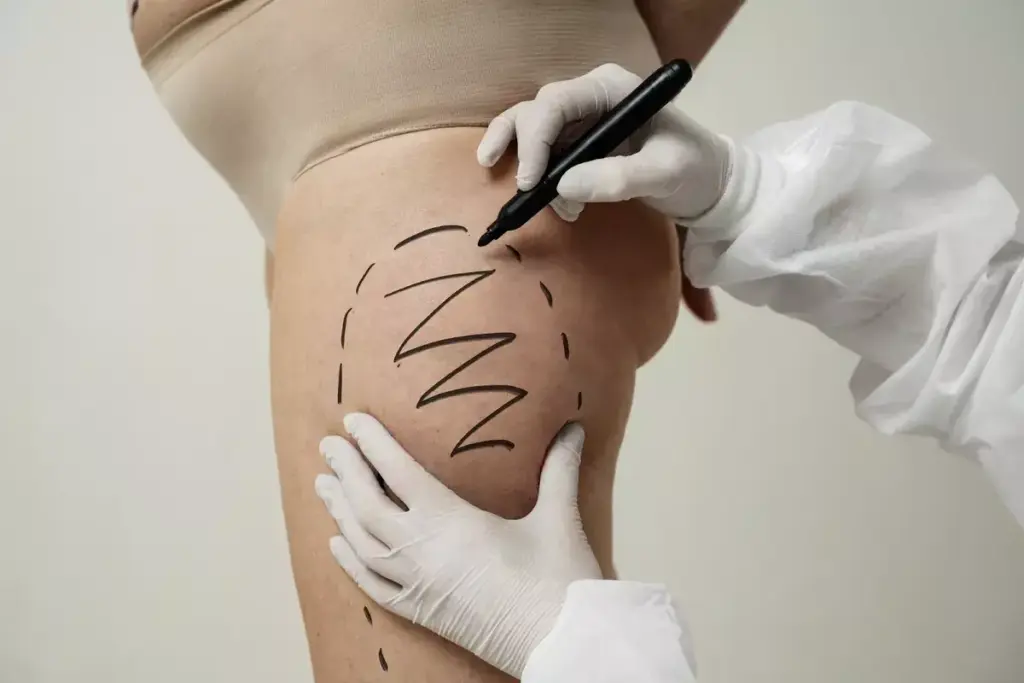
Liposuction on knees is a detailed process, from the first meeting to aftercare. The American Society of Plastic Surgeons says it’s a top cosmetic surgery worldwide.
Consultation and Preparation
It starts with a meeting to check your health and talk about what you want. This is key to see if you’re right for knee liposuction and to make a plan just for you.
The Procedure: What to Expect
Next, we give you the right anesthesia to keep you comfortable. Then, we make small cuts and use special tools to take out extra fat. The liposculpture knees method helps shape your knees better.
Recovery Timeline
Recovering from knee liposuction takes time. You can start with light activities in a few days. But, it takes weeks to fully get better. We give you clear instructions to help your recovery.
Potential Risks and Side Effects
Like any surgery, knee plastic surgery has risks like infection and scarring. We talk about these risks and how to avoid them during your meeting.
Knowing the knee liposuction cost is also important. We’re open about the costs to help you make a good choice.
Making Your Decision: Costs and Considerations
Thinking about knee liposuction? It’s key to look at the costs and what you might gain. The price of knee liposuction changes based on the surgeon’s skill and where the clinic is.
The global liposuction devices market was worth about 989 million dollars in 2024. It’s expected to hit 2.3 billion dollars by 2034. This shows more people want liposuction, like inner knee fat removal and liposuction around the knees.
The knee liposuction cost depends on the surgeon’s experience, where you are, and how big the procedure is. It’s important to think about the risks and problems that can come with plastic surgery for knees and knee fat removal.
Knowing these details helps you decide if knee liposuction is for you. We guide you through these points, giving you advice tailored to your needs. This way, you can make a choice that’s best for you.
FAQ
FAQ
What is knee liposuction?
Knee liposuction is a surgery to remove extra fat around the knees. It makes the legs look better. It targets fat that makes the knees look bulgy or changes the leg’s shape.
Am I a good candidate for knee liposuction?
You might be a good candidate if you have fat around the knees that doesn’t go away with diet or exercise. We check your health and what you want to make sure it’s right for you.
What happens during a knee liposuction consultation?
At the consultation, we check your health and talk about your past medical history. We also talk about what you hope to achieve. This helps us decide the best way to do your surgery.
How is knee liposuction performed?
The surgery is done under local anesthesia with sedation, or sometimes general anesthesia. We make small cuts and use special tools to remove the extra fat.
What is the recovery process like after knee liposuction?
After the surgery, you’ll get advice on how to recover. This includes managing pain, wearing special clothes, and watching for any problems. Most people can get back to normal in a few weeks.
What are the possible risks and complications of knee liposuction?
Like any surgery, knee liposuction has risks like infection, scarring, and unevenness. We talk about these risks in detail before you decide.
How much does knee liposuction cost?
The price depends on the surgeon, where the clinic is, and how much work is needed. We’ll give you a clear cost breakdown during your consultation.
Will knee liposuction leave noticeable scars?
We make small cuts to reduce scarring. The cuts are placed where they won’t be seen much. Most scars get less noticeable over time.
Can knee liposuction be combined with other procedures?
Yes, you can do knee liposuction with other treatments to get better results. We’ll talk about your options during your consultation to find the best plan for you.
References
National Center for Biotechnology Information. Evidence-Based Medical Guidance. Retrieved from https://pmc.ncbi.nlm.nih.gov/articles/PMC9110628/**[1



 Departments
 Related Videos
 Our Doctors
 News
News