
How to get rid of a UTI in 24 hours without drugs. Explore amazing natural tips to flush your bladder and stop the pain quickly. Urinary tract infections (UTIs) affect millions of people worldwide. Women are more likely to get them. Prompt treatment is key to avoid serious problems and ease symptoms.
Dealing with a UTI can be really uncomfortable and urgent. In this article, we’ll look at home remedies and treatments to help you feel better in 24 hours. We’ll mix natural remedies with lifestyle changes to help you feel better and avoid UTIs in the future.
Key Takeaways
- Effective home remedies for UTI treatment
- Natural ways to alleviate UTI symptoms within 24 hours
- Lifestyle changes to prevent future UTI occurrences
- Understanding the importance of prompt UTI treatment
- Combining natural remedies with lifestyle changes for optimal relief
Understanding UTIs: Causes and Symptoms
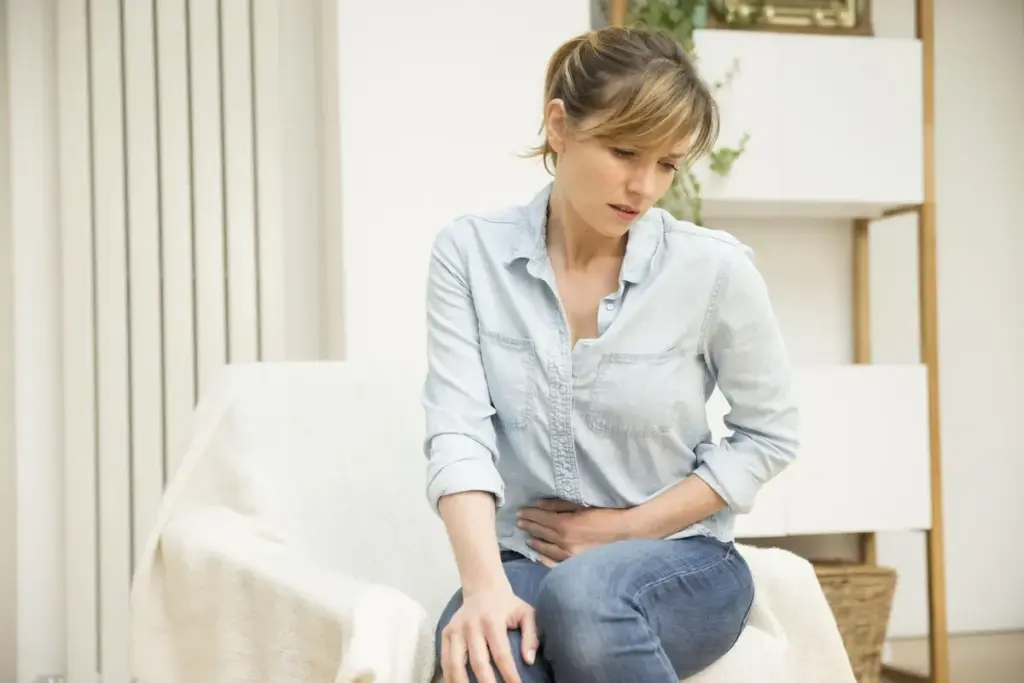
To fight UTIs, knowing their causes, symptoms, and risk factors is key. Urinary tract infections are common and can be very painful if not treated quickly.
What is a UTI?
A UTI happens when bacteria enter the urinary tract, leading to an infection. This tract includes the kidneys, bladder, and connecting tubes. UTIs often hit the bladder and urethra the hardest.
Understanding UTI causes is important. But, it’s also key to know that hygiene and certain behaviors can raise your risk of getting a UTI.
Common Symptoms of a UTI
Spotting UTI symptoms early is critical for getting help fast. Common signs include:
- A burning feeling when you pee
- Needing to pee a lot or feeling a strong urge
- Urine that’s cloudy or smells bad
- Pain in the pelvic area for women
- Pain in the rectum for men
These signs can show up in different ways and might mean you have a UTI. If you notice any, seeing a doctor is a must.
Risk Factors for Developing a UTI
Some things make you more likely to get a UTI. These include:
|
Risk Factor |
Description |
|---|---|
|
Gender |
Women are more likely to get UTIs because their urethra is shorter. |
|
Sexual Activity |
Having sex can bring bacteria into the urinary tract. |
|
Menopause |
Lower estrogen levels can lead to UTIs. |
|
Urinary Tract Abnormalities |
Abnormalities can trap bacteria, raising UTI risk. |
Knowing these risk factors can help prevent UTIs. By understanding the causes and taking steps to prevent them, you can lower your chance of getting a UTI.
The Importance of Early Treatment

Early treatment of UTIs is not just about feeling better quickly; it’s about avoiding long-term health issues. When we address UTIs promptly, we reduce the risk of the infection spreading to other parts of the urinary system, such as the kidneys.
Why Treat a UTI Quickly?
Treating a UTI quickly is vital because it helps alleviate the uncomfortable symptoms associated with the infection, such as burning during urination and frequent trips to the bathroom. Early treatment can prevent the infection from becoming more severe.
Prompt treatment also reduces the risk of complications, such as kidney damage, which can occur if the infection is left to spread. By addressing UTIs early, we can avoid more serious health issues that may require more intensive medical interventions.
Consequences of Untreated UTIs
If UTIs are left untreated, they can lead to serious complications. One of the most significant risks is the development of pyelonephritis, a kidney infection that can cause permanent damage if not treated promptly.
Another possible consequence is sepsis, a life-threatening condition that occurs when the infection enters the bloodstream. Sepsis requires immediate medical attention and can have devastating consequences if not treated quickly.
Also, recurrent UTIs can lead to chronic health issues, affecting the quality of life and potentially leading to more severe health problems over time.
Natural Remedies for UTI Relief
Natural remedies can help manage UTI symptoms. They offer a good alternative to medical treatments. Many natural methods can ease the discomfort of UTIs.
Increased Fluid Intake
Drinking more water is a simple yet effective way to fight UTIs. Water helps flush out bacteria from your urinary tract. Try to drink at least eight glasses of water a day to keep your body hydrated and support your urinary system. Drinking more water also makes your urine less irritating to your bladder and urethra.
Cranberry Juice: Fact or Fiction?
Cranberry juice is often used to treat UTIs. Many believe it can prevent or treat infections. The idea is that cranberries have compounds that stop bacteria from sticking to your bladder and urinary tract walls. Some studies show that cranberry juice might be helpful, but the evidence is not solid. Choose unsweetened cranberry juice to avoid too much sugar.
Probiotics and Their Benefits
Probiotics are good bacteria that keep your gut healthy. Research shows that certain probiotics can prevent UTIs by stopping bad bacteria from growing. You can find probiotics in foods like yogurt, kefir, and sauerkraut, or take a probiotic supplement. When picking a probiotic, look for ones that are good for your urinary health.
Homeopathic Treatments to Consider
Many people look into homeopathic remedies for UTI relief. These options are seen as alternatives or additions to traditional treatments. They aim to help manage symptoms in a different way.
Herbal Remedies for UTIs
Herbs have been used for ages to fight off UTIs. Uva Ursi, Cranberry, and D-mannose are popular choices. They’re thought to fight off UTI-causing bacteria with their antimicrobial powers.
- Uva Ursi: It’s known for its ability to fight off infections in the urinary tract.
- Cranberry: It may help prevent UTIs by stopping bacteria from sticking to the bladder walls.
- D-mannose: This sugar is believed to work like cranberry, stopping bacteria from sticking.
|
Herbal Remedy |
Potential Benefits |
Precautions |
|---|---|---|
|
Uva Ursi |
Antiseptic properties, soothes urinary tract |
May interact with certain medications |
|
Cranberry |
May prevent UTIs by inhibiting bacterial adhesion |
High sugar content in juice form; may not be suitable for everyone |
|
D-mannose |
Prevents bacterial colonization |
Generally considered safe; more research needed |
Essential Oils and Their Effectiveness
Some people use essential oils to help with UTI symptoms. Oils like tea tree oil, lavender oil, and oregano oil are thought to have antimicrobial effects. But, it’s important to use them carefully and with guidance.
- Tea Tree Oil: It’s known for fighting off microbes and can be used topically or in a diffuser.
- Lavender Oil: It may help ease discomfort and promote relaxation.
- Oregano Oil: It’s believed to have strong antimicrobial effects, but use it with caution because of its strength.
While these homeopathic treatments might offer relief, always talk to a healthcare professional before starting them. This is true, even if you’re using them alongside traditional treatments.
Dietary Changes to Combat UTIs
A well-planned diet can fight UTIs effectively. Choosing the right foods can prevent UTIs and ease their symptoms.
Foods to Eat for UTI Prevention
Some foods can help prevent UTIs. They either stop bacteria from sticking to the bladder walls or boost your immune system.
- Cranberries: Known for preventing UTIs, they contain compounds that stop bacteria from sticking to the bladder walls.
- Probiotic-rich Foods: Foods like yogurt and kefir have probiotics. They help keep gut bacteria balanced, which may lower UTI risk.
- Vitamin C-rich Foods: Eating foods high in vitamin C, like citrus fruits and leafy greens, boosts your immune system and may lower UTI risk.
- Hydrating Foods: Foods with lots of water, like cucumbers and watermelon, help keep you hydrated and flush out bacteria.
Foods to Avoid When You Have a UTI
Some foods can irritate the bladder and make UTI symptoms worse. Knowing which foods to avoid is key to managing UTIs.
|
Foods to Avoid |
Reason |
|---|---|
|
Spicy Foods |
Can irritate the bladder, making UTI symptoms worse. |
|
Caffeine |
Can act as a diuretic, potentially irritating the bladder and increasing the frequency of urination. |
|
Alcohol |
Can irritate the bladder and dehydrate the body, potentially worsening UTI symptoms. |
|
Acidic Foods |
Foods like tomatoes and citrus fruits can be acidic and may irritate the bladder in some individuals. |
By being mindful of your diet and making these adjustments, you can help manage UTI symptoms and potentially reduce the frequency of these infections.
Hydration: The Key to Recovery
Drinking enough water is essential for getting rid of UTI-causing bacteria. It helps in several ways. First, it dilutes your urine, making it harder for bacteria to thrive. Second, it increases how often you pee, which helps flush out bacteria from your urinary tract.
The Role of Water in Urinary Health
Water is vital for keeping your urinary system healthy. It prevents kidney stones and lowers UTI risk by removing bacteria. Drinking enough water is key to your urinary tract’s health. When you’re hydrated, your kidneys work better, and your urine is less likely to harbor bacteria.
“Drinking water is like flushing out your urinary system,” a urology expert notes. “It’s one of the simplest and most effective ways to help your body recover from a UTI.” This highlights hydration’s role in UTI recovery.
Tips for Increasing Fluid Intake
Boosting your fluid intake can be tough, but there are ways to do it. Start by setting a goal to drink a certain amount of water each day. You can also make water more fun by adding fruits or herbs. Here are some more tips:
- Drink a glass of water as soon as you wake up.
- Keep a water bottle with you all day.
- Eat hydrating foods like watermelon and cucumbers.
- Avoid caffeinated and carbonated drinks that can irritate your bladder.
By following these tips and prioritizing hydration, you can aid your body’s recovery from a UTI. Remember, staying hydrated is more than just drinking water. It’s also about eating right and living a healthy lifestyle.
Over-the-Counter Solutions
For quick relief from UTI discomfort, consider over-the-counter solutions. These can provide immediate relief from symptoms. They help you manage the condition until you can see a healthcare professional.
Over-the-counter (OTC) treatments are a key first step in managing UTI symptoms. They offer a quick way to alleviate discomfort. In some cases, they can also help diagnose the issue.
Pain Relief Medications
Pain relief medications are a common OTC solution for UTIs. Urinary analgesics like phenazopyridine can help reduce the burning sensation and discomfort. But, it’s important to remember that these medications don’t treat the underlying infection.
“Phenazopyridine can significantly reduce the discomfort associated with UTIs, but patients should be aware that it turns urine orange or red, which can be alarming if not expected.”
Medical Expert, Urologist
When using pain relief medications, always follow the recommended dosage. Consult with a healthcare provider if symptoms persist.
UTI Test Strips: Using Them Effectively
UTI test strips are another valuable OTC tool. They can detect the presence of a UTI by identifying certain substances in the urine, such as leukocytes or nitrites.
To use UTI test strips effectively:
- Read the instructions carefully before use.
- Collect a urine sample in a clean container.
- Dip the test strip into the urine sample and wait the specified time.
- Compare the results to the color chart provided with the test strips.
|
Test Strip Result |
Indication |
Next Steps |
|---|---|---|
|
Positive for Leukocytes/Nitrites |
Possible UTI |
Consult a healthcare provider |
|
Negative |
Unlikely UTI |
Monitor symptoms; consider other causes if they persist |
It’s important to remember that while UTI test strips can indicate an infection, they are not a substitute for a professional diagnosis.
When to Seek Medical Advice
Most UTIs can be treated at home. But, there are times when you need to see a doctor right away. Knowing when to get help is important for managing UTIs and avoiding serious problems.
Signs You Need Immediate Help
Some symptoms mean your UTI is serious or getting worse. You need to see a doctor fast. These signs include:
- Severe pain in your lower belly or back
- High fever or chills, which can mean a kidney infection
- Blood in the urine, which can be a sign of a UTI
- Nausea and vomiting, making it hard to drink fluids
- Urine that is cloudy, dark, or smells strongly
If you see any of these signs of severe UTI, get medical help right away. Waiting too long can cause serious kidney damage.
Alternatives to Antibiotics
There’s a growing need to find antibiotic resistance solutions. Researchers are looking into alternatives to antibiotics for UTIs. Some options include:
- Natural remedies like cranberry products, which might prevent UTIs
- Probiotics, which help keep the urinary tract healthy
- D-mannose, a sugar that may stop bacteria from sticking
These alternatives are promising. But, talk to a doctor before trying them, or if you’re choosing them over antibiotics. They can guide you based on your health and situation.
Knowing when to seek medical help for UTI is vital. Being aware of serious signs and exploring treatment options helps manage UTIs. This way, you can recover quickly and effectively.
Preventative Measures for Future UTIs
Learning about UTI prevention can greatly lower your risk of getting them again. It’s as important to prevent UTIs as it is to treat them. Certain habits can make a big difference.
Good Hygiene Practices
Good hygiene is key in stopping UTIs. Always wipe from front to back to stop bacteria from getting into the urethra. Also, keep the genital area clean and avoid harsh soaps to prevent irritation and infection.
- Urinate when you need to, and don’t hold it for too long.
- Practice good hygiene during sex to lower UTI risk.
- Avoid scented products in the genital area, as they can irritate the urethra.
Making Lifestyle Changes
Making lifestyle changes can also help prevent UTIs. Drink more water to flush out bacteria from your urinary tract. Also, eating a balanced diet full of fruits, veggies, and whole grains supports urinary health.
Other lifestyle changes include:
- Avoid tight clothes to prevent moisture buildup.
- Don’t delay urination and empty your bladder fully.
- Consider probiotics for a healthy urinary tract.
By following these hygiene tips and lifestyle changes, you can lower your risk of future UTIs. Always talk to healthcare experts for advice on preventing UTIs.
Conclusion: Quick Recovery Tips
Managing UTIs well needs a mix of natural remedies, diet changes, and keeping clean. Knowing what causes and shows UTIs helps people act fast to get better and stay healthy.
Key Strategies for UTI Management
We talked about ways to handle UTIs, like drinking more water, trying cranberry juice, and using probiotics. Eating right and avoiding foods that irritate the bladder is also key. Plus, wiping and urinating the right way helps stop UTIs from coming back.
Putting it all Together
Using these methods together helps manage UTIs and lowers the chance of them coming back. To get better fast, start treatment early, drink lots of water, and keep clean. Adding these tips to your daily life can make your urinary health better. Knowing how to treat UTIs helps you take charge of your health and feel better overall.
FAQ
How can I cure a urine infection at home?
To cure a urine infection at home, try natural remedies. Drink more water, have cranberry juice, and take probiotics. Also, change your diet and keep clean to ease symptoms.
Can a UTI go away on its own?
Some UTIs might get better by themselves. But, if symptoms don’t go away or get worse, see a doctor. Untreated UTIs can cause serious problems.
What are some natural remedies for UTI relief?
For UTI relief, drink lots of water, have cranberry juice, and take probiotics. These help with symptoms and keep your urinary system healthy.
How can I prevent UTIs from recurring?
To stop UTIs from coming back, keep clean, eat right, and drink water. Also, think about wearing breathable clothes and avoiding things that irritate you.
Are there any homeopathic treatments for UTIs?
Some people find relief with herbal remedies and essential oils. But, always talk to a doctor first to make sure they’re safe and work well.
What foods should I eat to prevent UTIs?
Eat foods full of antioxidants, like berries. Also, drink lots of water to help prevent UTIs.
What are the signs that I need to seek medical attention for a UTI?
If you have severe pain, fever, or vomiting, or if symptoms don’t get better, see a doctor. This can prevent serious problems.
Can I use over-the-counter solutions to treat a UTI?
You can use over-the-counter pain meds and UTI test strips. But, always follow the instructions and talk to a doctor if symptoms don’t go away.
Are there any alternatives to antibiotics for treating UTIs?
There are natural remedies and lifestyle changes instead of antibiotics. But, always talk to a doctor to find the best treatment for you.
How can I increase fluid intake to help recover from a UTI?
Drink lots of water and try other fluids like cranberry juice. This helps flush out bacteria and supports your urinary health.
References
New England Journal of Medicine. Evidence-Based Medical Insight. Retrieved from https://www.nejm.org/doi/full/10.1056/NEJMcp1104429