
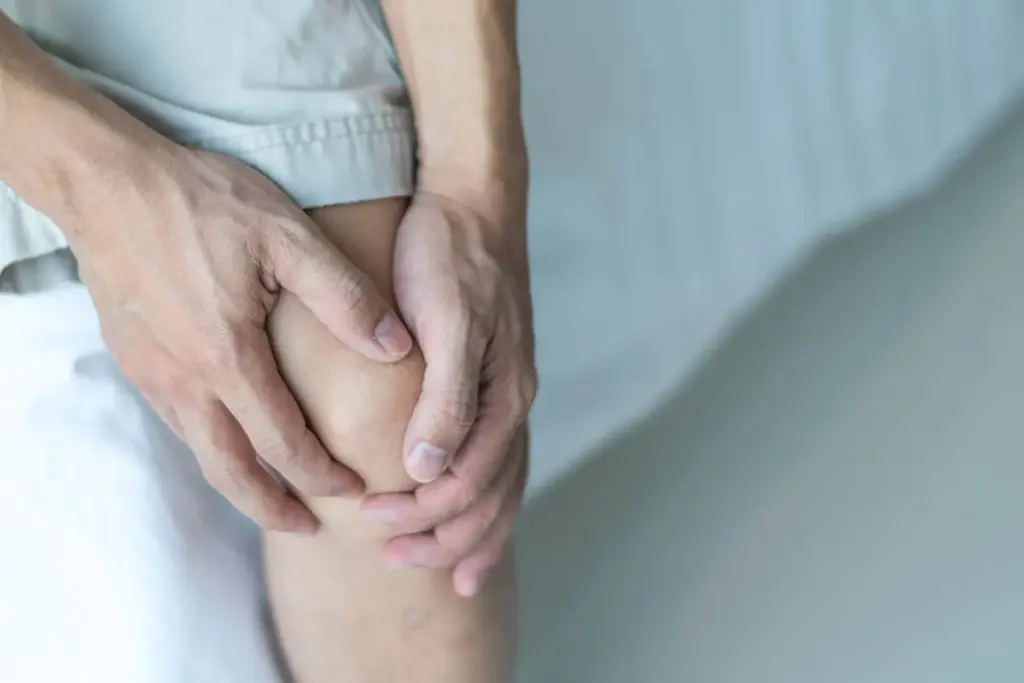
Bursitis can make everyday activities hard because of the pain and stiffness it causes. Knowing how to heal and the best treatments is key to getting better fast. Most people see big improvements in a few weeks with the right rest and care.
Getting help early and focusing on your needs is vital. It helps avoid long-term problems and makes sure your bursa heals fully. By learning about bursitis causes, symptoms, and treatments, we can manage it better and recover faster.
Key Takeaways
- Bursitis is the inflammation of a bursa, causing pain and stiffness near joints.
- Proper rest and therapeutic protocols can lead to substantial improvement within weeks.
- Early professional guidance is vital to avoid long-term issues.
- Patient-centered care ensures the bursa heals completely and permanently.
- Understanding treatment options is essential for managing bursitis effectively.
Understanding Bursitis: Causes and Symptoms
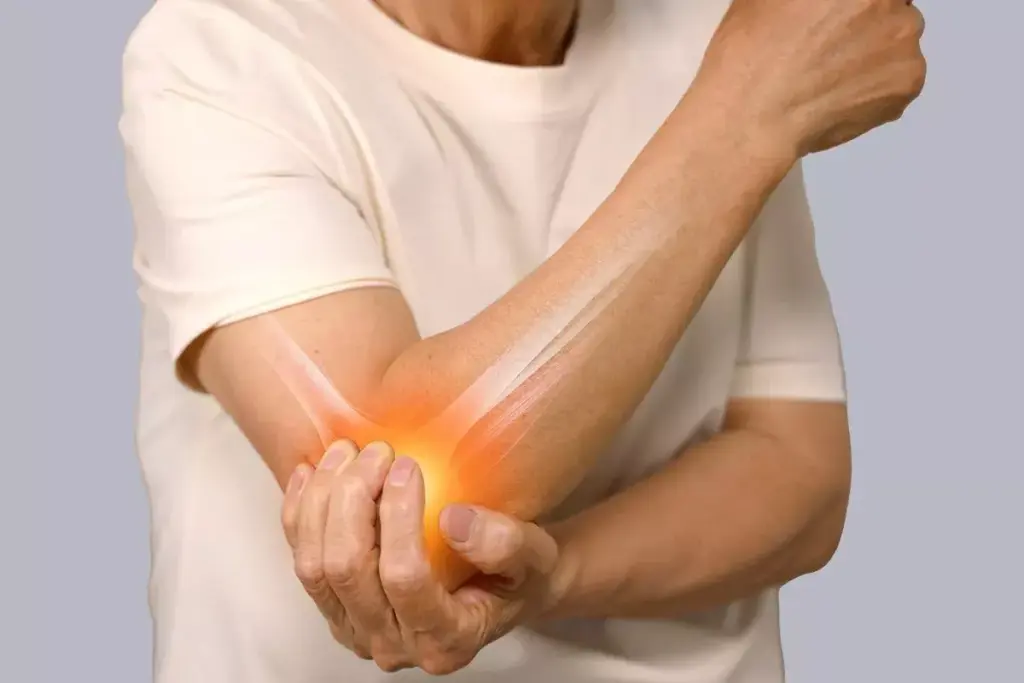
Bursitis affects the bursae, small sacs of fluid that reduce friction between bones, tendons, and ligaments. When these sacs become inflamed, it can lead to pain and discomfort, significantly impacting daily activities.
What Is Bursitis and How Does It Affect Joints?
Bursitis is characterized by the inflammation of the bursae, which are small sacs that reduce friction and cushion joints. This condition can result from repetitive motion, direct injury, or infection. When bursitis occurs, it can cause stiffness, pain, and limited mobility in the affected joint.
We understand that bursitis can be quite debilitating. The pain and stiffness associated with bursitis can make everyday tasks challenging. Understanding the causes and how it affects the joints is the first step towards managing the condition effectively.
Common Locations and Symptoms of Bursitis
Bursitis can occur in various joints, including the shoulder, elbow, hip, and knee. Common symptoms include:
- Pain or tenderness in the affected area
- Swelling or redness around the joint
- Stiffness or limited mobility
- Warmth or tenderness to the touch
Recognizing these symptoms early can help in seeking appropriate treatment. For instance, if you’re experiencing persistent pain or swelling, it’s essential to consult a healthcare professional.
Types of Bursitis: Acute Traumatic vs. Repetitive Stress
Bursitis can be categorized into two main types: acute traumatic bursitis and repetitive stress bursitis. Acute traumatic bursitis occurs after a direct injury or blow to the joint, causing sudden onset of pain and swelling. On the other hand, repetitive stress bursitis results from repetitive motion or overuse of the joint, leading to gradual inflammation.
Understanding the type of bursitis you’re experiencing is key to finding the right treatment. For example, acute traumatic bursitis may require immediate rest and ice to reduce swelling, while repetitive stress bursitis might necessitate changes in activity levels and physical therapy.
By identifying the cause and type of bursitis, we can develop an effective treatment plan to alleviate symptoms and prevent future occurrences.
How Long Does Bursitis Last? Healing Timeline Explained
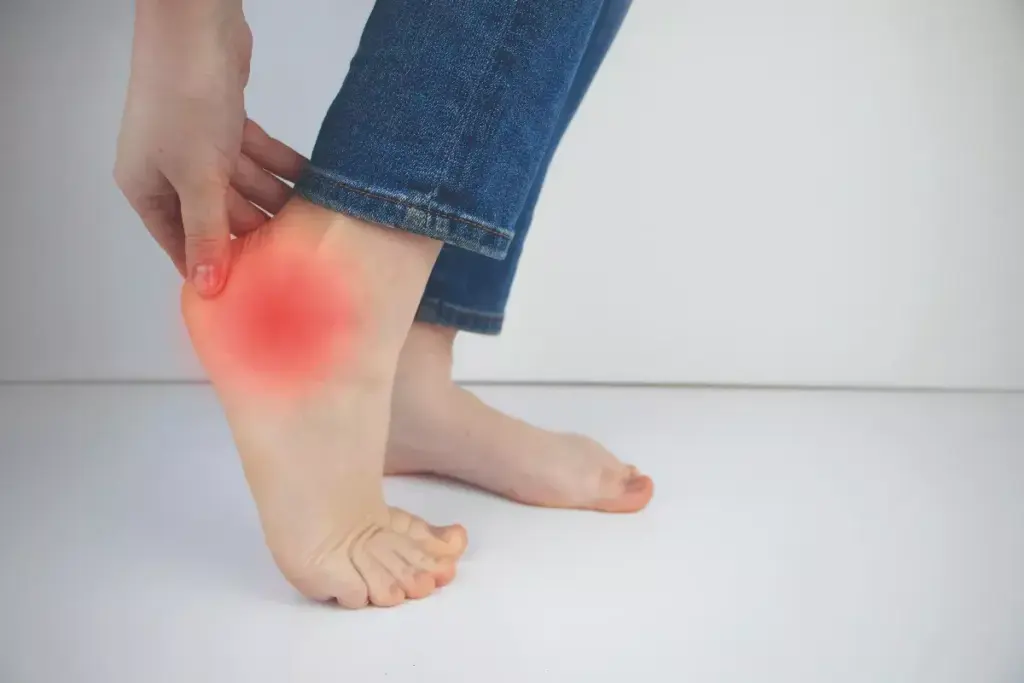
The time it takes for bursitis to heal can vary a lot. It depends on how bad the bursitis is and how well treatment works. We’ll look at the recovery stages and what affects healing time. This will help you know what to expect while you’re getting better.
Mild Bursitis Recovery
Mild bursitis usually gets better in 2-4 weeks with the right treatment and rest. Symptoms like pain and swelling will start to go away as the bursa heals. To help, avoid activities that make it worse, use ice to reduce swelling, and take over-the-counter pain meds.
Moderate Bursitis Recovery
Moderate bursitis might take 4-8 weeks to heal. For this, you’ll need to do more than just rest. You might need physical therapy to keep your joint moving and strong. It’s important to stick to your treatment plan and make changes in your lifestyle to help heal.
Severe or Chronic Bursitis Recovery
Severe or chronic bursitis can take 3-6 months or even longer to heal. These cases might need more serious treatments, like corticosteroid injections or surgery. Chronic bursitis often needs ongoing care to prevent flare-ups and might require big changes in your lifestyle.
Factors That Influence Healing Time
Several things can affect how long it takes for bursitis to heal, including:
- The severity of the bursitis
- Effectiveness of the treatment plan
- Individual health and response to treatment
- Lifestyle factors, such as activity level and ergonomics
- Presence of underlying conditions, such as arthritis
Knowing these factors and working with your healthcare team can help improve your recovery. It can also lower the chance of the bursitis coming back.
Effective Treatments to Get Rid of Bursitis
To manage bursitis well, knowing the treatment options is key. Treatments often include rest, ice, compression, and elevation (RICE). Physical therapy and medication are also part of the plan. We’ll look at these options to find the best for you.
Home Remedies for Bursitis Relief
Home remedies are important for bursitis symptoms. Ice packs on the area can lessen pain and swelling. Use ice for 15-20 minutes, a few times a day. A compression bandage can also help with swelling.
Over-the-counter pain relievers like ibuprofen or acetaminophen can help with pain. But, always talk to a doctor before taking any medicine, even if it’s over-the-counter.
- Rest and avoid activities that make it worse
- Apply ice packs to reduce pain and swelling
- Use compression bandages to reduce swelling
- Elevate the affected area to reduce swelling
Medical Treatments for Persistent Bursitis
If home remedies don’t work, medical treatments might be needed. Physical therapy can improve joint mobility and strengthen muscles. Corticosteroid injections may also be suggested to reduce inflammation.
| Treatment | Description | Benefits |
| Physical Therapy | Exercises to improve joint mobility and strengthen surrounding muscles | Improved joint function, reduced pain |
| Corticosteroid Injections | Injecting corticosteroids into the affected bursa | Reduced inflammation, rapid pain relief |
| Aspirin or NSAIDs | Over-the-counter or prescription pain relievers | Effective pain management, reduced inflammation |
Prevention Strategies to Avoid Recurrence
To prevent bursitis from coming back, making lifestyle changes is important. Keeping a healthy weight, avoiding repetitive motions, and taking breaks can help.
Exercising the muscles around the joint can also prevent future episodes. Using the right equipment and techniques during activities can also reduce injury risk.
- Maintain a healthy weight to reduce joint stress
- Avoid repetitive motions and take regular breaks
- Strengthen surrounding muscles through exercise
- Use proper equipment and techniques during physical activities
Conclusion
Understanding bursitis is key to managing and recovering from it. We’ve covered its causes, symptoms, and treatment options. This condition can affect many parts of the body, including the back.
Bursitis can be very painful and limiting. But, the good news is that it can heal with the right treatment. Whether bursitis can heal on its own is complex. Mild cases might not need medical help, but severe cases need treatment to avoid chronic inflammation.
So, can bursitis heal itself? Yes, in some cases. But, it’s important to see a doctor if symptoms don’t go away. With the right treatment, most people can get better from bursitis and avoid future problems. Knowing how to make bursitis go away and how to recover is key.
By using home remedies, medical treatments, and prevention strategies, we can manage bursitis well. If you’re showing signs of bursitis, seeing a healthcare professional is vital. They can help figure out the best treatment for you.
FAQ’s:
Does bursitis ever go away?
Yes, most cases of bursitis resolve with rest and proper treatment.
How long does bursitis last?
Bursitis can last from a few days to several weeks, depending on severity and treatment.
How to get rid of bursitis in the elbow?
Rest, ice, anti-inflammatory medications, and avoiding pressure on the elbow help reduce bursitis.
Can bursitis heal itself?
Mild bursitis can often heal on its own with rest and activity modification.
How to reduce bursitis pain?
Pain can be reduced with ice, anti-inflammatory medications, compression, and elevating the elbow.
What is the healing time for bursitis?
Healing time typically ranges from 1 to 6 weeks for non-infected bursitis.
Does bursitis come and go?
Yes, bursitis can recur if the underlying cause, like repetitive pressure, is not addressed.
How to treat elbow bursitis?
Treatment includes rest, ice, NSAIDs, aspiration if needed, antibiotics for infection, and physical therapy.
References:
National Center for Biotechnology Information. Evidence-Based Medical Insight. Retrieved from https://pubmed.ncbi.nlm.nih.gov/34567289/



 Departments
 Related Videos
 Our Doctors
 News
News