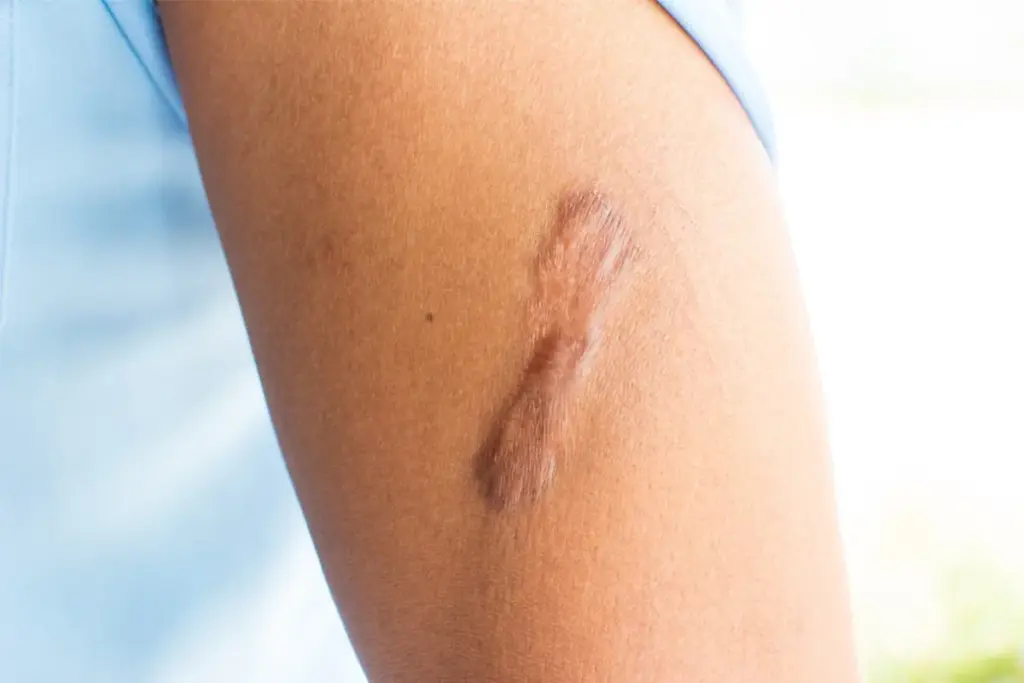
Cryotherapy is a treatment that uses liquid nitrogen to freeze and remove abnormal skin. At Liv Hospital, we know that while it’s good for many skin issues, it can leave scars. These scars can be a worry for many patients.
It’s important to know how scars from cryotherapy form and how to treat them. This guide will cover what cryotherapy is, what happens during and after, and how to reduce scars. We’ll also talk about treating scars to make your skin look better.
Key Takeaways
- Understanding cryotherapy and its applications
- The process of cryotherapy scar formation
- Effective methods for minimizing cryotherapy scars
- Treating cryotherapy scars for improved skin appearance
- What to expect during and after cryotherapy
Understanding Cryotherapy and Scar Formation

Cryotherapy, also known as cryosurgery, is a medical treatment that uses extreme cold to destroy abnormal cells. It treats moles, skin lesions, and skin cancer. Liquid nitrogen is applied to freeze and kill the cells.
What is Cryotherapy and How Does it Work?
Cryotherapy is a non-invasive procedure done in a doctor’s office. “The application of liquid nitrogen causes the temperature of the treated area to drop significantly, leading to the destruction of the targeted cells,” says Dr. Smith, a dermatologist. The area may go through healing stages like redness, swelling, blistering, and scabbing before it heals fully.
It’s important to follow wound care instructions to avoid complications and promote healing.
Common Applications: Moles, Skin Lesions, and Skin Cancer
Cryotherapy treats many dermatological conditions. For example, freezing moles on the face is a precise procedure to avoid scarring. It’s also used to treat skin cancer by freezing and killing cancer cells. The cryosurgery recovery time varies based on the individual and condition.
While cryotherapy is safe, there are risks and side effects. These include scarring, infection, and changes in skin pigmentation.
The Cryotherapy Scar Healing Process
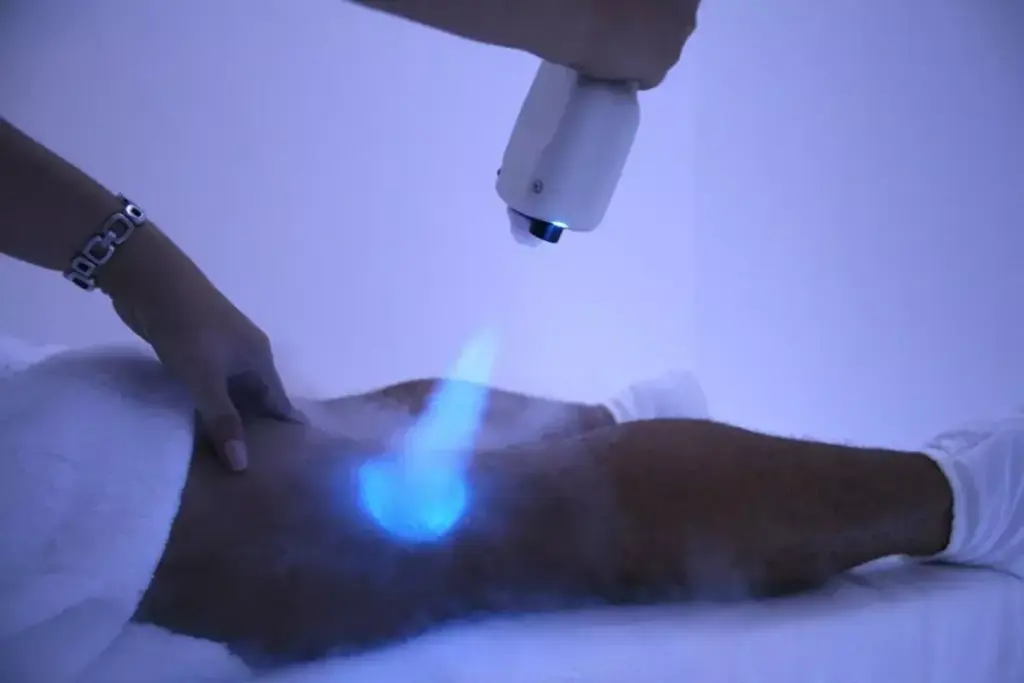
After cryotherapy, the body starts a healing process. This process has several stages. It’s important for the body to recover and reduce scar appearance.
Initial Healing Stages: Redness, Swelling, and Blistering
Right after cryotherapy, you might see redness, swelling, and blisters. These signs show the body’s response to the cold. The redness and swelling mean more blood flow, which helps healing. Sometimes, a blister forms as a cold reaction. Keeping the area clean and following care tips is key to avoid infection.
Intermediate Recovery: Scab Formation and Tissue Regeneration
A scab might form as the area heals. This scab is part of the tissue regeneration process. It protects the wound from more damage. It’s important not to touch or remove the scab to avoid more scarring.
Long-term Healing and Possible Discoloration
Over time, the scar will get better, and some discoloration might happen. But, with the right care, its look can be lessened. The healing can take weeks to months, with some seeing discoloration for up to a year. Good skin care and following advice can help the healing process.
Many patients worry about the healing process after cryotherapy. Knowing the healing stages helps manage expectations and support recovery. With the right care and patience, scars can be minimized, leading to the best results.
Effective Methods to Minimize and Treat Cryotherapy Scars
To make cryotherapy scars less noticeable, use a mix of care after treatment, creams, and doctor visits. Understanding how to care for the treated area and using the right scar treatments is key.
Immediate Post-Treatment Care for Different Areas
Good care after treatment is vital for lessening scar visibility. The treated spot must stay clean to avoid infection. For the face, use a gentle soap. For the body, moisturizing is important.
Post-Treatment Care Tips:
- Keep the treated area clean and dry.
- Avoid direct sun exposure and use sunscreen with at least SPF 30.
- Apply topical treatments as recommended by your healthcare provider.
Topical Treatments and Products for Scar Reduction
There are many creams and gels that can help with cryotherapy scars. Silicone gel sheets and creams are good for hypertrophic scars and keloids.
Key Ingredients to Look for in Topical Treatments:
- Silicone
- Vitamin E
- Hydrocortisone
Professional Treatment Options for Persistent Scars
If scars don’t go away, you might need to see a doctor. Laser therapy and corticosteroid shots can help with hypertrophic scars and keloids.
Professional Treatments:
- Laser therapy to reduce scar visibility.
- Corticosteroid injections to flatten and soften raised scars.
Conclusion: Realistic Expectations and Long-Term Care
It’s important to understand cryotherapy and its effects on scarring. When treating skin conditions like skin cancer, knowing about scar risks is key.
For skin healing after cryotherapy, good wound care and follow-up are vital. After freezing a pimple or mole, healing takes time. Sometimes, more treatments are needed.
We suggest a long-term care plan. This includes moisturizing, protecting from the sun, and massaging the area. For more on managing hypertrophic scars, check out The Minor Surgery Center.
By setting realistic goals and following a detailed care plan, you can improve your outcome. This helps reduce the look of cryotherapy scars.
FAQ
What is cryotherapy and how does it cause scarring?
Cryotherapy, or cryosurgery, uses extreme cold to kill abnormal cells. This can lead to scarring. The healing process includes stages like redness, swelling, and scabbing.
How long does it take to recover from cryotherapy?
Recovery time from cryotherapy varies. It depends on the individual and the area treated. It can take weeks or months for full healing.
What are the common side effects of cryotherapy on the face?
Side effects include redness, swelling, and scabbing. There might also be temporary discoloration or scarring.
How can I minimize the appearance of cryotherapy scars?
Follow post-treatment care to reduce scar appearance. Keep the area clean and apply topical treatments as advised. Protect it from the sun.
What are the available treatment options for persistent cryotherapy scars?
For lasting scars, consider laser therapy or corticosteroid injections. These can lessen scar appearance and aid healing.
Can I freeze a mole on my face at home?
No, home freezing of moles is not safe. Only a qualified healthcare professional should perform cryotherapy.
What happens if cryotherapy doesn’t work for skin cancer?
If cryotherapy fails for skin cancer, other treatments may be needed. Always follow up with a healthcare professional for the best plan.
How can I care for the treated area after cryotherapy?
After cryotherapy, keep the area clean and apply recommended treatments. Protect it from the sun to aid healing and prevent complications.
Can cryotherapy cause blistering?
Yes, blistering is a common side effect. The body responds to the freezing injury with various healing stages, including blistering.
How can I get rid of cryotherapy scars on my face?
To remove cryotherapy scars, follow post-treatment care and apply topical treatments. Protect from the sun. For persistent scars, consider laser therapy or corticosteroid injections.
Reference
Government Health Resource. Evidence-Based Medical Guidance. Retrieved from https://clinicaltrials.gov/study/NCT02063243[4



 Departments
 Related Videos
 Our Doctors
 News
News