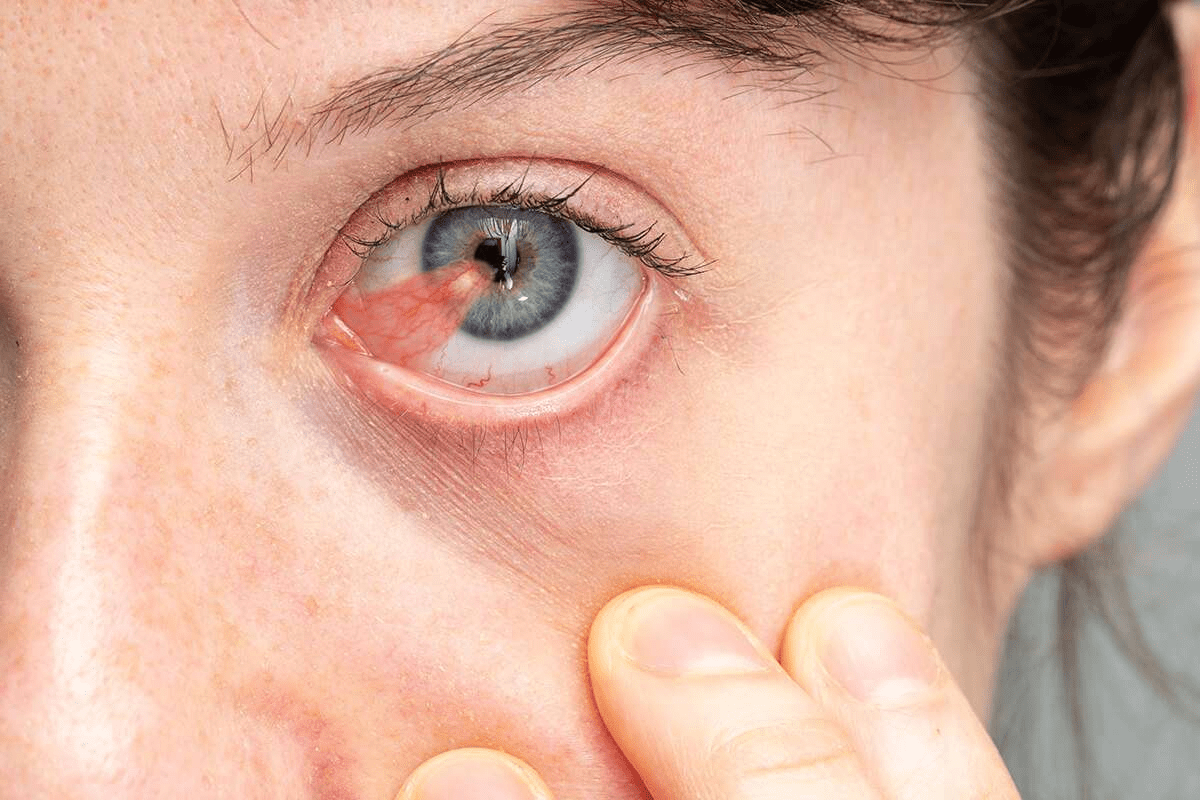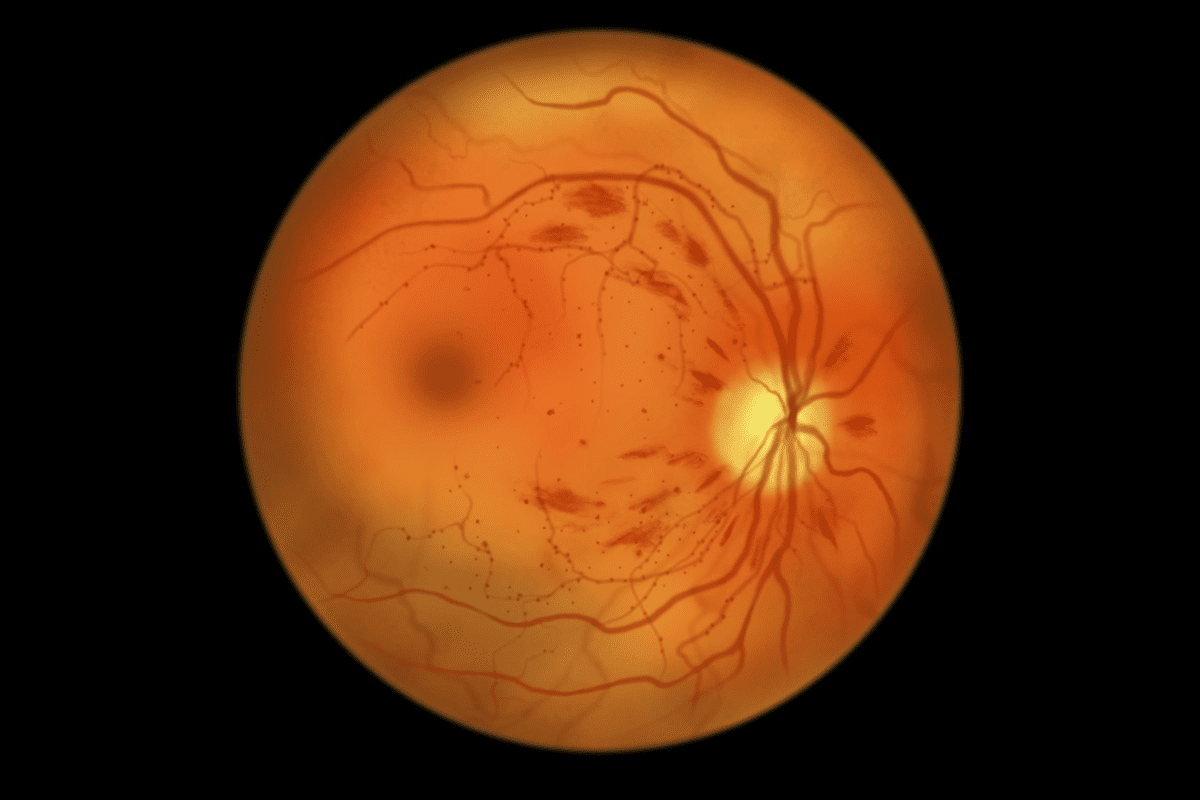
Drusen are amorphous yellowish deposits found under the sensory retina. They usually appear as people get older, with those over 60 being most at risk. Seeing these yellow spots on retina photos means you might have early dry macular degeneration. Wondering how to get rid of drusen? This ultimate guide explains the truth about treatment options and lifestyle changes.
Knowing about drusen is key to managing and possibly lowering the risk of age-related macular degeneration (AMD). At Liv Hospital, we focus on keeping your eyes healthy. We offer top-notch care and services to protect your vision.
Key Takeaways
- Drusen are yellowish deposits beneath the retina associated with age-related macular degeneration.
- People over 60 are at the highest risk of developing drusen.
- Early detection is critical for managing AMD.
- Liv Hospital offers complete eye care services.
- Understanding treatment options is vital for safeguarding your vision.
Understanding Drusen: What They Are and Why They Form

Drusen are small, yellowish deposits that build up under the retina. They are a key focus in eye studies. These deposits often show up in people with age-related macular degeneration (AMD). AMD can cause serious vision loss if not treated.
We will look into what drusen are, their types, and how they form. This will help us understand their link to AMD and eye health.
Definition and Types of Drusen
Drusen are small, yellowish deposits under the retina. They are divided into hard and soft drusen. Hard drusen are smaller and clearer, while soft drusen are bigger and less defined.
Soft drusen are linked to a higher risk of AMD. Knowing the type of drusen helps doctors assess risk and plan treatment.
Type of Drusen | Characteristics | Risk Association |
Hard Drusen | Small, distinct | Lower risk |
Soft Drusen | Large, diffuse | Higher risk of AMD |
The Formation Process in the Eye
Drusen form when waste material builds up under the retina. This happens because the retinal pigment epithelium (RPE) can’t clear waste well. The RPE is key for eye health.
As we age, the RPE gets less efficient. This leads to waste buildup and drusen formation. Genetics, lifestyle, and environment also affect this process.
Drusen don’t directly cause AMD, but they increase the risk. People with AMD often have many drusen, which are yellow deposits under the retina.
Understanding drusen and their role in AMD highlights the need for regular eye exams. It also shows the importance of taking steps to keep our eyes healthy.
The Connection Between Drusen and Age-Related Macular Degeneration

It’s important to know how drusen and age-related macular degeneration (AMD) are connected. Drusen are yellow deposits under the retina, a sign of AMD. We’ll look at how drusen raise the risk of AMD and the differences between dry and wet macular degeneration.
How Drusen Increase AMD Risk
Drusen are not just age-related changes; they increase the risk of AMD. The more drusen, the higher the risk of AMD getting worse. About 90 percent of macular degeneration cases are the dry form, marked by drusen. Knowing this link is key to managing AMD.
Dry vs. Wet Macular Degeneration
AMD comes in two types: dry (atrophic) and wet (exudative). Dry AMD has drusen and atrophy of the retinal pigment epithelium. It’s the more common form, making up about 90% of AMD cases. Wet AMD has new, fragile blood vessels under the macula, leading to fast damage.
Drusen are key in diagnosing and tracking dry AMD. Monitoring drusen symptoms helps in early detection and management. While dry AMD progresses slowly, wet AMD can cause quick vision loss, making early treatment vital.
Understanding the differences between dry and wet AMD is vital for treatment. Recognizing drusen’s role in AMD helps in managing the condition and slowing its progression.
Recognizing Drusen Symptoms and Warning Signs
It’s key to know the signs of drusen for those at risk of age-related macular degeneration. Drusen are fatty deposits under the retina. If not treated, they can cause big vision problems.
Early Symptoms of Drusen
In the early stages, drusen might not show symptoms. But as they grow, people may see blurred or distorted central vision. This can make reading or seeing faces hard. It’s important to notice any vision changes early.
Some early signs include:
- Difficulty adapting to low light levels
- Need for brighter lighting when reading or performing tasks
- Gradual loss of central vision clarity
Advanced Symptoms and Vision Changes
When drusen get worse, symptoms get clearer. Advanced drusen can cause blind spots in the center of the visual field and more vision distortion. This can make daily tasks hard to do without help.
Advanced symptoms may include:
- Increased difficulty with reading and recognizing faces
- Distorted vision, where straight lines appear wavy or bent
- Significant blind spots or missing areas in the central visual field
Regular eye exams are vital to track drusen and manage them. Knowing the symptoms helps people protect their vision.
Diagnostic Procedures for Identifying Drusen
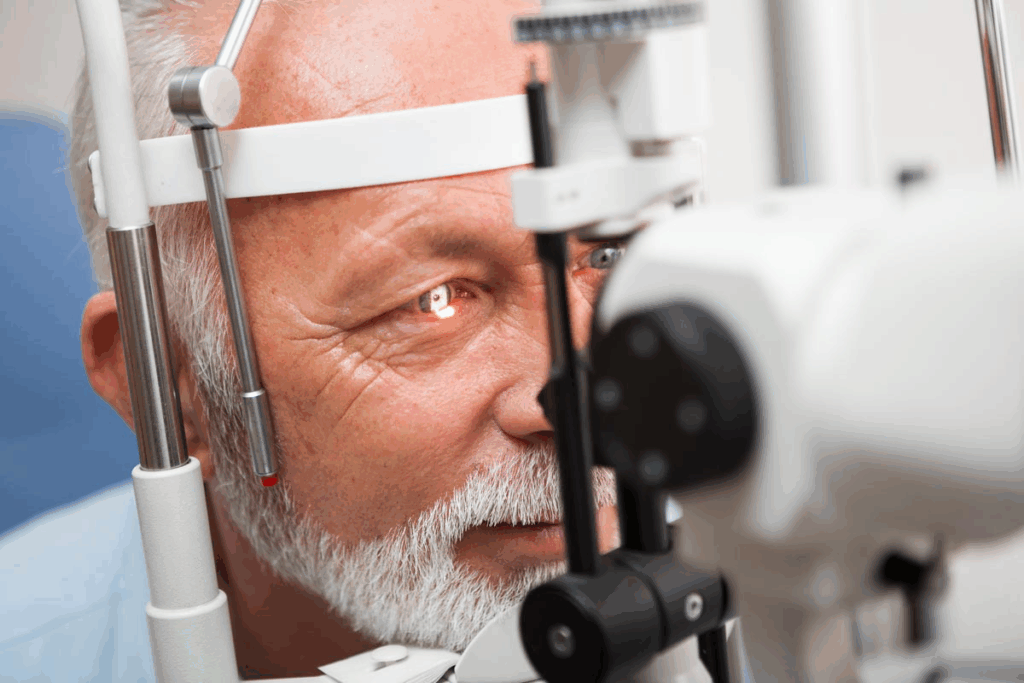
Diagnosing drusen involves detailed eye exams and advanced imaging. Accurate diagnosis is key for managing and treating the condition. We use various methods to spot drusen and understand their effect on vision.
Comprehensive Eye Examination Techniques
The first step in diagnosing drusen is a thorough eye exam. We check the retina and macula’s health using different methods. These include:
- Visual acuity testing to assess the sharpness of vision
- Dilated fundus examination to visualize the retina and macula
- Tonometry to measure intraocular pressure
These steps help us find any issues, like drusen.
Advanced Imaging Tests
Advanced imaging tests are also vital for diagnosing drusen. They give us detailed images of the retina. This helps us see how much drusen is present.
The main imaging tests are:
- Optical Coherence Tomography (OCT): Gives us clear images of the retina, showing drusen and retinal thickness.
- Fluorescein Angiography: Shows us leaking blood vessels and checks the retina’s health.
- Indocyanine Green Angiography: Helps us see the choroid and find issues under the retina.
Diagnostic Test | Purpose |
Visual Acuity Testing | Assess the sharpness of vision |
Dilated Fundus Examination | Visualize the retina and macula |
Optical Coherence Tomography (OCT) | Visualize drusen and assess retinal thickness |
Fluorescein Angiography | Identify leaking blood vessels and assess retinal health |
Indocyanine Green Angiography | Image the choroid and identify abnormalities beneath the retina |
By combining eye exams with imaging tests, we can accurately diagnose drusen. This helps us create a good treatment plan.
How to Get Rid of Drusen: Medical Approaches
Knowing the medical treatments for drusen is important for those dealing with this condition. Drusen are yellow spots under the retina. They can lead to more serious eye problems if not treated.
When Treatment Is Necessary vs. Watchful Waiting
Deciding if to treat drusen depends on their size, where they are, and if they cause symptoms. Many doctors suggest watching them closely and seeing a doctor regularly. But, if drusen are big or affect your vision, you might need treatment.
For early treatment, AREDS2 supplements are often recommended. They help slow down AMD from getting worse. AREDS2 supplements have vitamins and minerals that are good for your eyes.
Treatment Options Based on Drusen Type and Size
The size and type of drusen help decide the treatment. For example, anti-VEGF injections might be used for wet AMD. Laser photocoagulation is another method to treat drusen.
Treatment Option | Description | Applicability |
AREDS2 Supplements | Vitamins and minerals supporting eye health | Early AMD, large drusen |
Anti-VEGF Injections | Injections to reduce vascular growth | Wet AMD |
Laser Photocoagulation | Laser treatment to reduce drusen | Specific cases of drusen |
It’s key for patients to talk to their doctor about these options. This way, they can find the best treatment for their situation.
AREDS2 Supplements: Evidence-Based Nutritional Therapy
The Age-Related Eye Disease Study 2 (AREDS2) has changed how we manage drusen and age-related macular degeneration (AMD). It showed how certain nutrients can slow AMD’s progress. This study is a big step forward in eye health.
Components of the AREDS2 Formula
The AREDS2 formula combines antioxidants and minerals. It includes vitamin C, vitamin E, lutein, zeaxanthin, zinc, and copper. Together, they offer strong nutritional support.
- Vitamin C and E: These antioxidants shield the eyes from damage.
- Lutein and Zeaxanthin: They filter out harmful light and protect the macula.
- Zinc and Copper: These minerals keep the retina healthy and the eye strong.
Research on Effectiveness for Different Stages
The AREDS2 study found that this formula can slow AMD’s progress. It helps people at various AMD stages. This makes AREDS2 supplements a valuable tool in eye care.
Stage of AMD | AREDS2 Supplement Benefits |
Early AMD | Reduced risk of progression to advanced AMD |
Intermediate AMD | Significant reduction in the risk of vision loss |
Advanced AMD | Potential slowing of disease progression |
Knowing about AREDS2 supplements helps those with drusen and AMD. They can choose better nutrition. This might lower the risk of losing vision and improve their life quality.
Laser Therapy Options for Drusen Reduction
Laser photocoagulation is a key treatment for AMD and drusen. It helps manage drusen and slows vision loss. This is good news for those at risk.
Laser Photocoagulation Explained
Laser photocoagulation uses a laser to destroy abnormal blood vessels or drusen in the eye. It aims to stop vision loss by removing problem areas. This can slow or stop AMD from getting worse.
The laser’s high energy is focused on the affected area. It destroys the tissue. This method is great for treating drusen linked to abnormal blood vessel growth.
Clinical Trial Results and Success Rates
Many clinical trials have looked at laser photocoagulation for drusen and AMD. The results vary, with some showing a lower risk of vision loss. Others found limited long-term benefits.
One study found laser photocoagulation can lower the risk of CNV, a AMD complication. But, the treatment’s success depends on drusen size, location, and AMD stage.
Laser photocoagulation is a valuable option. But, it’s used carefully, considering each patient’s situation and risks and benefits.
Emerging Treatments and Clinical Trials
New hope is on the horizon for AMD patients. Cutting-edge treatments like gene therapy and stem cell therapy are being explored. Researchers are pushing the boundaries of ophthalmology, seeking new ways to tackle Age-related Macular Degeneration.
Looking ahead, several promising research paths are unfolding. Gene therapy is one, aiming to tackle AMD’s genetic roots. It could change the game by fixing or reducing the impact of disease-causing genes.
Promising Research Directions
AMD treatments are getting more diverse, from gene editing technologies to new drug delivery methods. These innovations are being tested in clinical trials. The goal is to find better treatments that could stop or even reverse AMD.
Gene therapy for AMD is a standout area. It involves adding healthy genes to cells to replace faulty ones. Early trials suggest it might improve vision or stabilize the condition for some patients.
Gene Therapy and Stem Cell Approaches
Stem cell therapy for AMD is also gaining attention. Stem cells can turn into different cell types, including retinal cells. Scientists hope to use them to replace damaged retinal tissue, potentially restoring vision in advanced AMD cases.
Clinical trials are key to proving these treatments’ safety and effectiveness. They give us insights into how these treatments work in people. This helps us understand if they can be used alone or with other treatments.
As research advances, we’re likely to see even more innovative treatments. The future of AMD treatment is bright, with gene therapy and stem cell approaches at the forefront. These breakthroughs offer hope for better lives for AMD patients.
Lifestyle Modifications to Manage Drusen
Making lifestyle changes can help manage drusen and slow vision loss. Eating right, quitting smoking, and exercising regularly can greatly improve eye health.
Anti-Inflammatory Diet Recommendations
An anti-inflammatory diet is key for managing drusen. Foods high in omega-3 fatty acids, like salmon and walnuts, are great. Also, eating lots of fruits and vegetables, like spinach and kale, is good for your eyes.
“Eating foods rich in fruits, vegetables, and omega-3 fatty acids can lower the risk of age-related macular degeneration,” a study in the Journal of the American Medical Association found. Adding these foods to your diet can help manage drusen.
- Leafy greens like spinach and kale
- Fatty fish such as salmon
- Nuts and seeds, like walnuts
- Fruits and vegetables rich in antioxidants
The Impact of Smoking Cessation
Quitting smoking is vital for those with drusen. Smoking increases the risk of age-related macular degeneration. Stopping can greatly reduce this risk and improve health.
Smoking cessation programs and support groups can help you quit. Doctors can also offer advice and recommend quitting aids.
“Quitting smoking is one of the most effective ways to reduce the risk of age-related macular degeneration progression.”
American Academy of Ophthalmology
Exercise Regimens That Support Eye Health
Regular exercise is also important for eye health. Doing moderate physical activity, like brisk walking or cycling, can boost heart health. This, in turn, helps your eyes.
- Aim for at least 30 minutes of moderate exercise per day
- Choose activities you enjoy to stay consistent
- Try exercises that improve heart health, like swimming or jogging
By eating right, quitting smoking, and exercising, you can manage drusen and support your eye health.
Home Monitoring and Self-Care Strategies
For people with drusen and age-related macular degeneration (AMD), home monitoring is key. Simple daily habits can greatly help manage their condition and keep their vision sharp.
Amsler Grid Testing Techniques
The Amsler grid is a great tool for spotting vision changes. To use it right, patients should:
- Hold the grid at a comfortable reading distance
- Cover one eye and focus on the center dot
- Note any distortion or waviness in the grid lines
- Repeat the process with the other eye
Regular Amsler grid testing can catch vision changes early. This means quicker action can be taken.
Digital Apps for Vision Monitoring
There are also digital apps to monitor vision. These apps can:
- Provide regular vision tests and track changes over time
- Offer reminders for scheduled eye exams
- Allow patients to record their symptoms and share the data with their healthcare provider
Examples of such apps include “Vision Test” and “EyeMonitor,” available in major app stores.
Feature | Amsler Grid | Digital Apps |
Ease of Use | Simple, requires minimal instruction | Varies by app, generally user-friendly |
Cost | Free, can be printed from online resources | Many are free or low-cost |
Data Tracking | Manual recording required | Automated tracking and analysis |
Accessibility | Available anywhere, no technology required | Requires smartphone or tablet |
Using Amsler grid testing and digital apps together is a smart strategy. It lets patients actively manage their eye health. They can work closely with doctors to handle drusen and AMD well.
Living with Drusen: Adapting Your Environment
Making changes to your living space can really help with drusen. As we get older, our eyes change, and drusen can make things harder to see. Simple changes can help keep you independent and happy.
Optimal Lighting Solutions
Good lighting is key for people with drusen. It helps use what vision you have left. Bright, even lighting cuts down eye strain and makes things clearer. We suggest mixing different light sources for the best effect.
- Put LED lighting in important spots like kitchens, reading areas, and hallways.
- Use task lighting to light up areas where you do tasks.
- Stay away from bright lights that cause glare.
Visual Aids and Assistive Technologies
There are many tools that can help with drusen. They make everyday tasks easier and help you stay independent.
Device | Description | Benefit |
Magnifying Glasses | Handheld or stand magnifiers that enlarge text and objects. | Helps with reading and doing daily tasks. |
Screen Readers | Software that reads aloud text on digital screens. | Makes digital info easier to access. |
Smart Glasses | Wearable devices with built-in cameras and AI that assist with navigation and object recognition. | Gives real-time help with finding your way and recognizing objects. |
Using these tools and making these changes can help you move around better and enjoy life more.
Conclusion: Managing Drusen for Long-Term Eye Health
Managing drusen is key to keeping your eyes healthy for a long time. It helps lower the chance of age-related macular degeneration (AMD) getting worse. By using medical treatments, making lifestyle changes, and taking care of yourself, you can keep your vision sharp.
We talked about different ways to handle drusen. This includes using AREDS2 supplements and laser therapy. Also, eating right and quitting smoking can help. These steps can be adjusted to fit what works best for you, keeping your eyes in top shape.
Handling drusen needs a big effort and a plan. By teaming up with your doctor and following these tips, you can cut down the risk of AMD getting worse. This way, you can keep your eyes healthy for many years.
FAQ
What are drusen and how do they form in the eye?
Drusen are yellow deposits that build up under the retina. They often appear as people age. These deposits are a key sign of age-related macular degeneration (AMD) in those over 60.
They form from waste material in the retina. If not treated, this can lead to AMD.
How do drusen increase the risk of age-related macular degeneration?
Drusen can harm the retina and affect vision. They raise the risk of AMD, which can cause vision loss. It’s important to manage them to prevent this.
What are the symptoms of drusen and how can they be identified?
Early signs of drusen include blurred vision and trouble seeing details. As they grow, vision loss, blind spots, or reading trouble can occur. Regular eye checks are key to spotting drusen.
How are drusen diagnosed and what diagnostic tests are used?
Eye exams, including visual tests and imaging, diagnose drusen. Tests like OCT and angiography help us see how they affect vision. These tests also track drusen growth.
What are the treatment options for drusen and when is treatment necessary?
Treatment for drusen varies based on their size and AMD presence. We might suggest AREDS2 supplements, laser therapy, or other treatments. Sometimes, just watching them closely is enough.
How effective are AREDS2 supplements in managing drusen?
AREDS2 supplements can slow AMD in people with drusen. They contain vitamins C and E, zinc, copper, and antioxidants. Studies show they can help slow disease and improve vision.
What lifestyle modifications can help manage drusen?
Eating well, quitting smoking, and exercising can help manage drusen. These habits reduce AMD risk and improve eye health.
How can I monitor my vision and detect changes in drusen?
Use Amsler grid tests and vision apps to watch for vision changes. Regular eye exams are also vital for tracking drusen and AMD.
What are the emerging treatments and research directions for AMD?
New AMD treatments include gene therapy and stem cell research. We stay updated on these advances to offer the best care.
How can I adapt my living environment to manage drusen and maintain independence?
Improve lighting and use visual aids to stay independent. Simple changes, like better lighting and magnifying glasses, can greatly help.
References
National Center for Biotechnology Information. Medications Linked to Macular Degeneration Risk. Retrieved from https://www.ncbi.nlm.nih.gov/pmc/articles/PMC9296271/