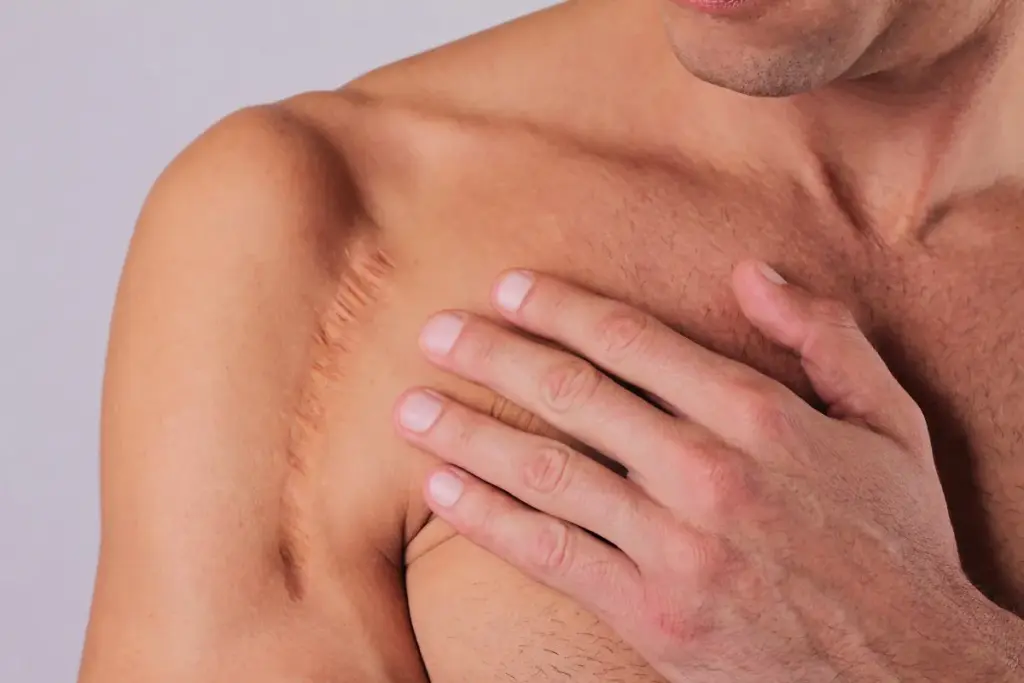
Keloid scars can be a big worry for many people. They not only change how you look but also how you feel about yourself. Unlike regular scars, keloids are raised scars that grow larger than the original wound. This happens because of abnormal healing after skin injury or inflammation.
These scars are thick and raised. They often look shiny and can be different colors like red, purple, or darker than your skin. Keloids usually show up on the chest, shoulders, earlobes, and cheeks. But they can pop up anywhere on your body. At Liv Hospital, we know how tough keloids can be. We’re here to help with all the care and treatments you need.
Key Takeaways
- Keloids are different from regular scars because they grow bigger than the original wound.
- They can cause discomfort, itching, and emotional distress.
- There are many treatment options, including medical and natural ones.
- Prevention strategies can help manage keloid occurrence.
- Liv Hospital offers patient-centered care with the latest in dermatology.
Understanding Keloid Scars
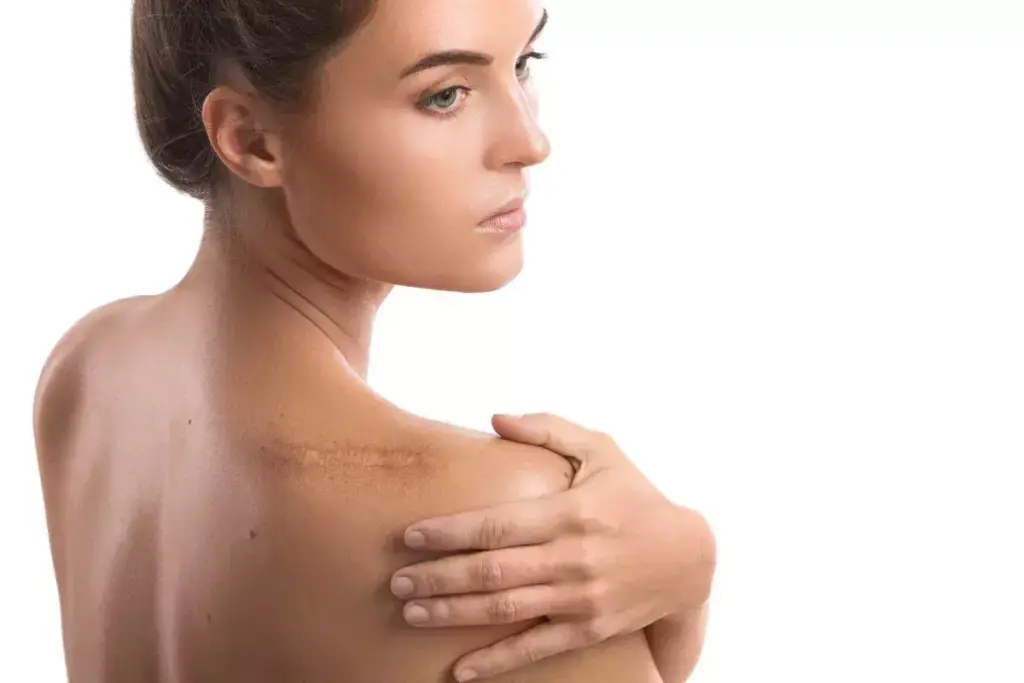
It’s important to know about keloid scars to manage and treat them well. Keloid scars are raised and hard to treat. But, knowing what causes them can help prevent and manage them.
What Are Keloids and How Do They Form?
Keloids happen when the body makes too much collagen while healing. This leads to a thick, raised scar that grows bigger than the original wound. Unlike regular scars, keloids don’t shrink over time and keep growing.
Key characteristics of keloids include:
- Raised and thickened texture
- Extension beyond the original wound boundaries
- Potential for continued growth
- Possible itching or discomfort
Common Causes of Keloid Scars
The exact reason for keloid scars isn’t known, but many factors play a part. Genetics are a big factor, with a family history increasing the risk. Other causes include cuts, burns, or scars from surgery.
Common triggers for keloid formation:
- Skin injuries or trauma
- Surgical procedures
- Burns or severe acne
- Piercings or vaccinations
Risk Factors: Who Is Most Susceptible?
Some people are more likely to get keloid scars. Those with darker skin are at higher risk, with rates much higher in African, Asian, or Latino people. Genetics also play a big role.
| Risk Factor | Description | Impact |
| Darker skin tones | Individuals with higher melanin levels | 15 times higher occurrence rate |
| Genetic predisposition | Family history of keloids | Increased likelihood of keloid formation |
| Skin trauma | Cuts, burns, surgical scars | Trigger for keloid development |
Knowing these risk factors and causes helps us prevent keloid scars and manage them better.
How to Get Rid of Keloids: Medical Treatments
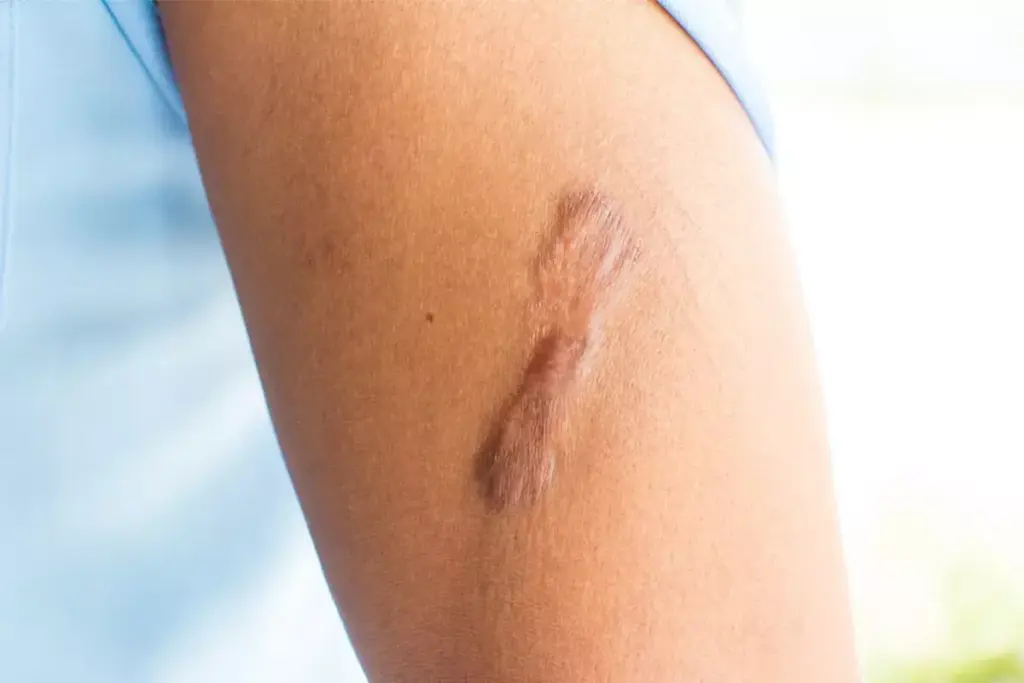
Managing keloid scars often requires medical treatments that address the underlying causes. It’s important to know the different medical options available when trying to get rid of keloids.
Corticosteroid Injections
Corticosteroid injections are a common and effective treatment for keloids. They reduce inflammation, helping to flatten the scar and ease symptoms like itching and discomfort. “Corticosteroid injections have been a mainstay in the treatment of keloids, providing a reliable solution for many patients,” say medical professionals. We often recommend a series of injections, spaced a few weeks apart, for the best results.
Surgical Removal and Recurrence Risks
Surgical removal is another option for managing keloids, mainly for larger or more persistent scars. But, it’s important to note that surgery carries a risk of recurrence. Keloids can sometimes return, even larger than before. To lower this risk, we often combine surgery with other treatments, like corticosteroid injections or radiation therapy, to prevent recurrence.
Advanced Therapies: Laser, Radiation, and Cryotherapy
Advanced therapies offer more options for managing keloids. Laser therapy can reduce the size and color of keloids. Radiation therapy can prevent recurrence after surgery. Cryotherapy, which freezes the keloid, can also reduce its size and hardness. Each therapy has its benefits and risks, and we help patients choose the best treatment plan.
Pressure Therapy for Raised Scars
Pressure therapy is another method used for raised scars. By applying consistent pressure, we can help flatten the scar and reduce its appearance. This therapy is often used with other treatments, like silicone gel sheets, to improve its effectiveness.
In conclusion, there are various medical treatments for managing keloids, each with its own benefits and drawbacks. Understanding these options helps us find the most effective treatment plan for each individual.
Natural and At-Home Approaches
Natural remedies and self-care can help manage keloids. They might not get rid of keloids completely. But, they can make them look less noticeable and feel better.
Silicone Gel Sheets and Ointments
Silicone gel sheets and ointments are great for scars, including keloids. They hydrate the scar tissue, making it flatten and soften. Using them regularly can lead to big improvements over time.
Start using silicone products right after the scar appears. It’s important to use them for several hours a day. Try to use them for 12 hours or more for the best results.
Natural Remedies for Keloid Management
Many natural remedies can help with keloids. But, their effectiveness can vary. Here are some common ones:
- Aloe vera: It soothes and can reduce inflammation and promote healing.
- Onion extract: It might make scars look better by reducing redness and improving texture.
- Tea tree oil: It has antimicrobial properties, which can help prevent infection in minor cuts and scrapes.
While these remedies are promising, talk to a healthcare professional before trying them. This is important, even if you’re using them with medical treatments.
Managing Itching and Discomfort
Keloids can itch and be uncomfortable. Applying a cold compress or using anti-itch creams can help. Sometimes, prescription medications are needed for severe itching.
To avoid discomfort, wear loose clothes that don’t rub against the keloid. If it’s really bothering you, talk to a healthcare provider about more treatment options.
| Remedy | Description | Potential Benefits |
| Silicone Gel Sheets | Hydrates scar tissue | Flattens and softens raised scars |
| Aloe Vera | Soothes and reduces inflammation | Promotes healing, reduces redness |
| Onion Extract | Improves scar texture | Reduces redness, improves appearance |
Conclusion: Prevention Strategies and Long-Term Management
Preventing keloids is often easier than treating them. Knowing what causes keloids and the risk factors helps us act early. Proper wound care is key to lowering the risk of keloid scarring.
Protecting our skin from too much sun is important. Sun exposure can make scars worse and lead to keloids. Using sunscreen and wearing clothes can help protect our skin.
Managing keloids long-term means using both medical treatments and home care. A complete plan can make keloids less noticeable and stop them from coming back. Knowing what causes keloid scars is vital for good prevention and treatment.
By being proactive in preventing and managing keloids, we can get the best results. Understanding the causes and risk factors of keloid scarring is essential for effective prevention and treatment.
FAQ
What are keloids and how do they form?
Keloids are thick, raised scars that can grow bigger than the original wound. They happen when the skin heals too much, making too much collagen.
What causes keloid scars?
Keloid scars come from a mix of genes and environment. They can be caused by injuries, acne, burns, or piercings. People with darker skin are more likely to get them.
How can I get rid of keloids on my chest?
To treat keloids on the chest, you can try corticosteroid shots, surgery, laser treatment, or silicone gel sheets. Always talk to a doctor to find the best treatment.
Are keloid scars itchy?
Yes, keloid scars can itch and feel uncomfortable. It’s important to manage this to avoid more irritation and help healing.
Can I prevent keloid scars from forming?
Preventing keloid scars is not always possible. But, using silicone gel sheets, avoiding injuries, and good wound care can help lower the risk.
What are the white bumps on my scar tissue?
White bumps on scars might mean the scar is maturing or has trapped keratin. Sometimes, they could be a sign of another issue. It’s best to see a doctor for a check-up.
Can I use natural remedies to manage keloids?
Yes, natural remedies like aloe vera, onion extract, and tea tree oil might help with keloids. But, always talk to a doctor before trying new treatments.
Why do keloid scars form on certain areas of the body?
Keloid scars can happen anywhere after trauma. But, they’re more common on the chest, back, and earlobes. Skin tension can also play a role.
Are shiny scars a sign of keloid formation?
Shiny scars might mean keloids, but they can also be from other scars. Always get a doctor’s opinion for a proper diagnosis.
Can pressure therapy help manage raised scars?
Yes, pressure therapy can work for raised scars, including keloids. It involves applying pressure to flatten and soften the scar tissue.
References:
National Center for Biotechnology Information. Evidence-Based Medical Guidance. Retrieved from https://pmc.ncbi.nlm.nih.gov/articles/PMC10012475/