
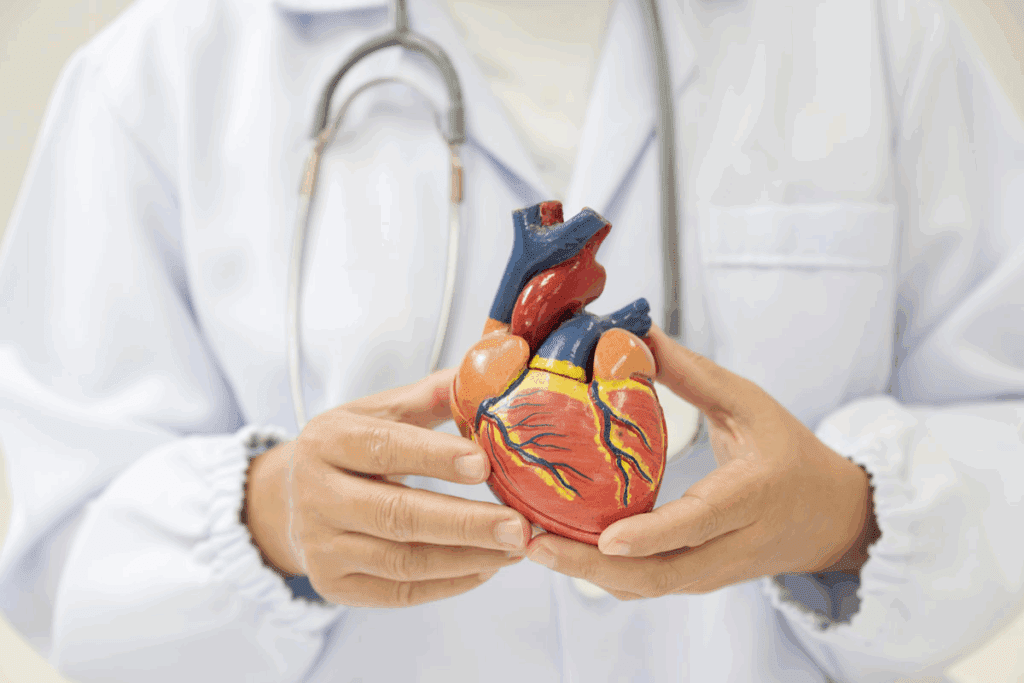
Restoring heart rhythm naturally is key as arrhythmias, like atrial fibrillation (AFib), hit millions. At Liv Hospital, we focus on patient care and global medical knowledge to tackle these issues.
Studies show that some nutrients and herbs are vital for a healthy heart rhythm. Magnesium and potassium help the heart work right. Herbal remedies like hawthorn and saffron also protect the heart.
Our guide walks you through natural ways to fix heart rhythm. This includes changing your lifestyle, eating better, and using supplements. We use the latest research and advice to help you manage your heart health and beat arrhythmias like AFib.
Key Takeaways
- Restoring heart rhythm naturally involves a complete plan, including lifestyle changes and diet tweaks.
- Magnesium and potassium are key for a healthy heart.
- Herbs like hawthorn and saffron can protect the heart.
- A tailored approach to heart health can tackle arrhythmias like AFib.
- Liv Hospital offers focused care and global medical skills for heart rhythm issues.
Understanding Heart Rhythm Disorders

It’s important to understand heart rhythm disorders to manage them well. These disorders, or arrhythmias, happen when the heart’s electrical impulses get out of order. This can make the heart beat too fast, too slow, or irregularly.
Common Types of Arrhythmias and Their Symptoms
There are many types of arrhythmias, each with its own symptoms. Atrial fibrillation (AFib) is common and causes a fast, irregular heartbeat. Symptoms include palpitations, shortness of breath, and feeling tired.
Other arrhythmias, like ventricular tachycardia and bradycardia, can cause dizziness and a slow heartbeat. Knowing these symptoms is key to getting the right medical help.
The Body’s Natural Rhythm Regulation Mechanisms
The body has its own ways to keep the heart rhythm steady. This is mainly thanks to the autonomic nervous system (ANS). The ANS has two parts: the sympathetic and parasympathetic systems. They work together to keep the heart rate balanced.
The sympathetic nervous system speeds up the heart during stress or exercise. The parasympathetic nervous system slows it down when we’re resting. Knowing this can help us support our heart health.
When Natural Approaches Are Appropriate vs. Medical Intervention
Natural methods can help with some arrhythmias, but knowing when to seek medical help is key. For mild symptoms or low risk, lifestyle changes and natural remedies might be enough. But for severe or dangerous arrhythmias, medical treatment is a must.
It’s important to understand the cause of arrhythmia to choose the right treatment. Sometimes, a mix of natural methods and medical treatment is best. Always talk to a healthcare professional to find the right plan for you.
Assessing Your Heart Rhythm: Self-Monitoring Techniques
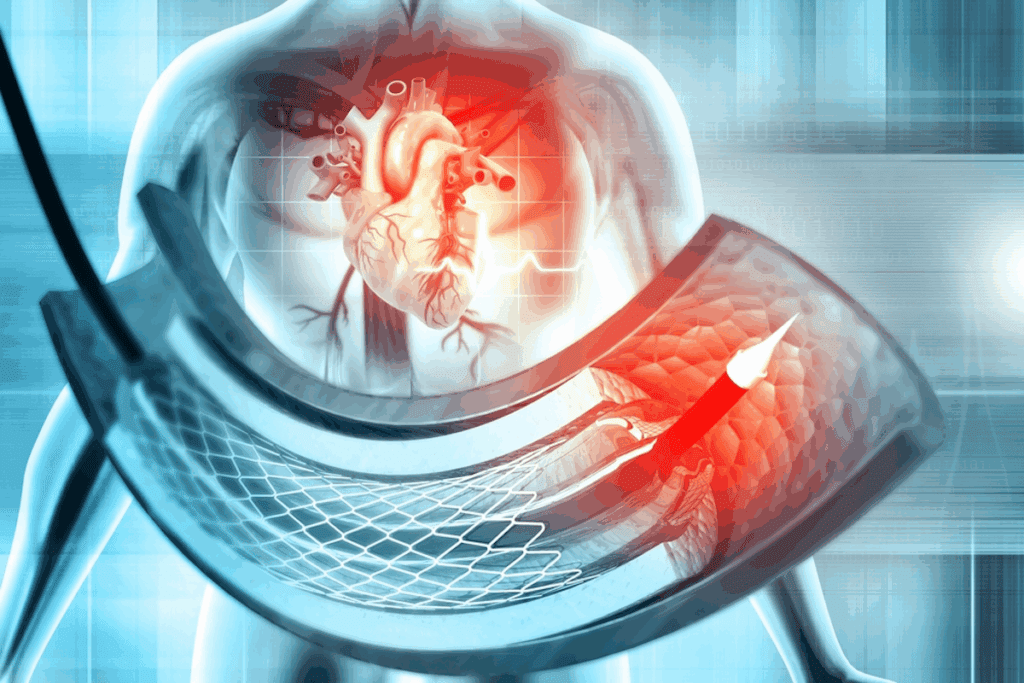
Your heart’s rhythm is key to your health. It’s easy to check and can help keep your heart healthy.
How to Check Your Pulse Properly
Checking your pulse is a basic way to check your heart rhythm. Here’s how to do it right:
- Place your index and middle fingers on the pulse point on your wrist or neck.
- Count the number of beats for 15 seconds.
- Multiply this number by 4 to get your heart rate per minute.
This simple method lets you keep an eye on your heart rate. It helps you spot any problems.
Using Technology to Track Heart Rhythm
Today, tracking your heart rhythm is easier than ever. Many devices and apps can track your heart rate and find any issues.
| Device/App Type | Features | Benefits |
| Smartwatches | Continuous heart rate monitoring, alerts for irregular rhythms | Convenient, real-time monitoring |
| Mobile Apps | Heart rate tracking, rhythm analysis, health records storage | Accessible, all-in-one health tracking |
| ECG Monitors | Electrocardiogram readings, detailed rhythm analysis | Accurate, medical-grade data |
Recognizing Warning Signs That Require Attention
While tracking your heart rhythm, watch out for warning signs. These signs mean you might need to see a doctor. Look out for:
- Persistent irregular heartbeats
- Dizziness or fainting spells
- Chest pain or discomfort
- Shortness of breath
If you notice any of these, see a doctor right away.
By using these self-monitoring methods, you can better understand your heart health. This knowledge helps you take steps to keep your heart in top shape.
Foundational Lifestyle Changes for Heart Rhythm Restoration
Improving your heart’s rhythm starts with simple lifestyle changes. These changes help keep your heart healthy. By adding good habits to your day, you can make your heart work better and feel better overall.
Creating a Heart-Healthy Daily Routine
Having a daily routine is key for a healthy heart. It means setting times for waking, eating, exercising, and sleeping. A routine helps your body stay in sync and keeps your heart rhythm steady.
To make a heart-healthy routine:
- Start with a gentle morning stretch to boost blood flow.
- Eat a balanced diet with lots of fruits, veggies, and whole grains.
- Do at least 30 minutes of exercise each day, like walking or cycling.
- Try relaxation methods like deep breathing or meditation to lower stress.
Stress Management Techniques That Regulate Heartbeat
Stress can mess with your heart’s rhythm. But, managing stress can help keep your heartbeat steady and improve heart health.
Good stress management includes:
- Meditation and mindfulness to calm your mind and body.
- Yoga and tai chi for their mix of movement and breathing.
- Progressive muscle relaxation to release tension.
Adding these to your daily life can lower stress and help your heart rhythm stay stable.
Optimizing Sleep Quality for Cardiac Function
Good sleep is vital for a healthy heart rhythm. Bad sleep can cause stress and inflammation, hurting your heart.
To get better sleep:
| Sleep Hygiene Practice | Benefit |
| Stick to a regular sleep schedule | Helps your body’s clock stay in sync |
| Have a calming bedtime routine | Tells your body it’s time to sleep |
| Avoid caffeine and screens before bed | Less likely to wake up during the night |
By focusing on sleep and using these tips, you can boost your heart’s function and keep your rhythm healthy.
How to Get Your Heart Back in Rhythm Through Nutrition
Changing your diet can help your heart beat normally again. Eating foods rich in important nutrients can keep your heart rhythm steady. This also boosts your heart health overall.
Building a Heart Rhythm-Supportive Meal Plan
To support heart health, focus on whole foods. Include fruits, veggies, whole grains, lean proteins, and healthy fats. These foods give your body the vitamins and minerals it needs for a healthy heartbeat.
It’s not just about what you eat, but how much and when. Eating smaller meals often can help manage heart rhythm issues. It also supports your heart’s overall health.
Critical Nutrients That Stabilize Electrical Conduction
Some nutrients are key for a steady heartbeat. These include:
- Omega-3 fatty acids: In fatty fish, flaxseeds, and walnuts, they reduce inflammation and support heart health.
- Magnesium: Found in dark greens, nuts, and whole grains, it helps keep the heart rhythm normal.
- Potassium: Important for heart function, found in bananas, avocados, and sweet potatoes.
Getting enough of these nutrients supports heart health. It also lowers the risk of arrhythmias.
Foods to Eliminate That Trigger Arrhythmias
Some foods can help your heart, while others can harm it. It’s important to avoid:
- Caffeine and stimulants: In coffee, energy drinks, and some meds, they can cause heart rhythm problems.
- High-sodium foods: Too much sodium can lead to high blood pressure, a heart rhythm risk factor.
- Processed and fried foods: High in unhealthy fats, sodium, and preservatives, they’re bad for heart health.
| Food Category | Recommended Foods | Foods to Limit/Avoid |
| Fruits and Vegetables | Berries, leafy greens, citrus fruits | Fruits canned in syrup, starchy vegetables with added salt |
| Proteins | Lean meats, fish, beans, lentils | Processed meats, fried fish |
| Grains | Whole grains, brown rice, quinoa | Refined grains, sugary cereals |
Making smart food choices can greatly help your heart. It’s a big step towards better health.
Restoring Electrolyte Balance for Optimal Cardiac Function
Keeping the right balance of electrolytes is key for a healthy heart. Electrolytes like magnesium, potassium, calcium, and sodium help control heart rhythm and electrical signals.
Magnesium Supplementation Protocols for Rhythm Regulation
Magnesium is vital for heart health, involved in over 300 biochemical reactions. It helps regulate heart rhythm. Taking magnesium can help fix arrhythmias and other heart rhythm problems.
Choosing the right magnesium form is important. Magnesium glycinate and magnesium citrate are good choices because they are easily absorbed by the body.
Magnesium Supplementation Guidelines:
- Consult with a healthcare professional to determine the appropriate dosage.
- Start with a low dose (100-200 mg) and gradually increase as needed and tolerated.
- Monitor for any side effects, like stomach upset.
Potassium-Rich Foods That Normalize Heart Function
Potassium is also key for heart health, helping control heart rhythm and function. Eating foods rich in potassium can help keep heart rhythm normal and lower arrhythmia risk.
Some top potassium sources are:
- Leafy greens like spinach and kale
- Fruits such as bananas, avocados, and apricots
- Nuts and seeds, including almonds and pumpkin seeds
Balancing Calcium and Sodium for Electrical Stability
Calcium and sodium are also important for heart electrical stability. Calcium is needed for heart contraction, while sodium helps control heart electrical activity.
Eating a balanced diet with calcium-rich foods like dairy and leafy greens, and moderate sodium, helps keep the heart electrically stable.
| Electrolyte | Role in Heart Health | Food Sources |
| Magnesium | Regulates heart rhythm, involved in biochemical reactions | Nuts, seeds, dark leafy greens |
| Potassium | Regulates heart rhythm, maintains proper heart function | Bananas, avocados, leafy greens |
| Calcium | Essential for cardiac contraction | Dairy products, leafy greens, fortified foods |
| Sodium | Regulates electrical activity of the heart | Table salt, processed foods, sea salt |
Understanding the importance of electrolyte balance and making smart food choices can greatly improve heart health.
Implementing Targeted Physical Activities for Heart Rhythm
To reset your heart rhythm naturally, add targeted physical activities to your daily routine. Regular exercise boosts heart health and helps manage arrhythmias. We’ll look at how various activities can stabilize your heart rhythm.
Cardiovascular Exercises That Reset Heart Patterns
Cardio exercises improve heart health by boosting circulation and strengthening the heart. Brisk walking, jogging, cycling, and swimming are great choices. These activities help regulate heart rhythm by making the body better at handling stress.
Recommended cardiovascular exercises include:
- Brisk walking for at least 30 minutes a day
- Jogging or running for those who are accustomed to high-intensity workouts
- Cycling, either on a stationary bike or outdoors
- Swimming, which is a low-impact exercise suitable for people with joint issues
Strength Training for Heart Health
Cardio exercises are key for heart health, but strength training is also important. It builds muscle, which boosts heart function. Aim to do strength training 2-3 times a week, focusing on major muscle groups.
Examples of strength training exercises beneficial for heart health include:
- Weightlifting
- Resistance band exercises
- Bodyweight exercises like push-ups and squats
Finding Your Optimal Exercise Intensity Zone
Finding the right exercise intensity is key for best results and safety. The ideal intensity varies based on age, fitness, and health. A moderate intensity, where you can talk but with effort, is often suggested.
To find your optimal zone, consider the following:
- Consult with a healthcare provider or a fitness professional
- Use heart rate monitors or fitness trackers
- Pay attention to your body’s response to different intensities
By adding these targeted physical activities to your life, you can significantly improve your heart rhythm and overall heart health.
Herbal and Natural Remedies for Arrhythmia Management
We look into natural treatments for afib, focusing on herbal supplements. These natural remedies are getting attention for helping manage arrhythmias and improving heart health.
Hawthorn: Dosage and Application Methods
Hawthorn is a well-studied herb for heart health. It’s known for protecting the heart and helping with arrhythmias. Knowing the right dosage and application methods is key.
Typically, take 160-900 mg of hawthorn per day, spread out in doses. You can take it in capsules, tinctures, or teas. Always talk to a doctor to find the best way and amount for you.
Saffron and Other Cardioprotective Herbs
Saffron is known for its antioxidants and heart health benefits. Herbs like berberine and motherwort also help with arrhythmias. You can add them to your routine with supplements or teas.
- Saffron: Known for its antioxidant properties, potentially benefiting heart health.
- Berberine: Studied for its effects on cardiovascular health and anti-arrhythmic properties.
- Motherwort: Traditionally used to support heart health and calm nervous tension.
Creating a Safe Supplementation Schedule
Adding herbal remedies to your treatment plan needs careful planning. Always talk to a healthcare provider to avoid any bad interactions.
Plan your supplement schedule with your doctor. Think about dosage, timing, and interactions. Keep an eye on how they work and adjust as needed.
Choosing and managing herbal remedies wisely can boost your heart health. It can also improve your overall well-being, alongside traditional treatments.
Mind-Body Techniques to Regulate Heart Rhythm
The connection between our mental state and heart health is strong. Mind-body techniques like yoga and meditation help keep our heartbeats steady. They do this by lowering stress and balancing our nervous system.
Specific Yoga Poses for Arrhythmia Relief
Yoga is great for the heart, with certain poses easing arrhythmia symptoms. Here are some helpful poses:
- Mountain Pose (Tadasana): It improves posture and balance.
- Downward-Facing Dog (Adho Mukha Svanasana): It stretches the chest and boosts blood flow.
- Legs Up the Wall Pose (Viparita Karani): It soothes the nervous system and eases stress.
Doing these poses often can help stabilize your heart rhythm.
Breathing Exercises That Calm Palpitations
Breathing exercises are easy yet effective for calming palpitations and stabilizing heart rhythm. Try these techniques:
- Diaphragmatic Breathing: It relaxes the body and lowers stress.
- Alternate Nostril Breathing: It balances the nervous system and calms the heart.
Practicing these exercises regularly can improve your heart rhythm.
Meditation Practices for Autonomic Nervous System Balance
Meditation can positively affect our autonomic nervous system, helping regulate heart rhythm. Consider these practices:
- Mindfulness Meditation: It focuses on the present, reducing stress and anxiety.
- Loving-Kindness Meditation: It builds compassion and relaxation, benefiting heart health.
Adding these meditation practices to your daily routine can support your heart health and balance your heart rhythm.
Eliminating Triggers and Environmental Factors
To get your heart back in rhythm naturally, you need to tackle triggers and environmental factors. These can cause irregular heartbeats. Understanding and reducing these factors is key to managing arrhythmias.
Caffeine and Stimulant Reduction Strategy
Caffeine and other stimulants can affect your heart’s rhythm. Cutting down or stopping these substances is often a first step to a normal heartbeat. Here’s what we suggest:
- Limit coffee to no more than 2 cups a day
- Stay away from energy drinks and caffeinated drinks
- Watch out for medications with stimulants
Following these tips can lower the chance of arrhythmia caused by stimulants.
Managing Alcohol and Tobacco Impact
Alcohol and tobacco can harm your heart. Here’s how to manage their effects:
- Drink alcohol in moderation (up to 1 drink a day for women, up to 2 for men)
- Get help to quit smoking and tobacco
- Avoid secondhand smoke
These steps can reduce the risk of arrhythmias linked to alcohol and tobacco.
Creating a Heart-Friendly Home Environment
Your home environment can also affect your heart health. To make your home heart-friendly:
- Use air purifiers to reduce air pollution
- Limit exposure to electromagnetic fields from devices
- Create a stress-free space with relaxation techniques and calming decor
By making these changes, you can create a supportive environment for your heart’s health and rhythm.
Conclusion: Developing Your Personalized Heart Rhythm Restoration Plan
Getting your heart rhythm back to normal is a complex task. It requires understanding your heart condition, making lifestyle changes, and using specific treatments. We’ve looked at different ways to help you achieve a stable heart rhythm.
This includes assessing your condition, making lifestyle changes, and using nutrition, exercise, and natural remedies. It’s key to create a plan that fits you. This plan should include the strategies we’ve discussed.
Studies show that a complete approach is best for managing arrhythmias. By combining these strategies, you can help your heart beat naturally again.
Using natural remedies for afib, like herbal treatments and supplements, can help manage arrhythmias. But, always talk to a doctor before starting any new treatment. By being proactive and informed, you can improve your heart health and enjoy a better life.
FAQ
What is the first step in restoring my heart rhythm naturally?
First, understand your heart rhythm disorder and its symptoms. Then, talk to a healthcare professional. They will help find the best treatment for you.
How can I check my pulse properly?
To check your pulse, place your fingers on your wrist or neck. Count the beats for 60 seconds. You can also use a pulse meter or a smartphone app.
What lifestyle changes can help restore my heart rhythm?
Start a heart-healthy daily routine. Manage stress with meditation or yoga. Also, improve your sleep quality to help your heart rhythm.
Are there specific nutrients that can help stabilize my heart rhythm?
Yes, magnesium, potassium, and omega-3 fatty acids are good for your heart. Find them in dark leafy greens, nuts, and fatty fish.
Can exercise help restore my heart rhythm?
Yes, regular exercise is good for your heart. Do cardio and strength training. But, find the right intensity to avoid too much strain.
Are there any herbal remedies that can help manage arrhythmias?
Yes, hawthorn and saffron may help your heart. But, talk to a doctor before trying them.
How can I eliminate triggers that contribute to arrhythmias?
Avoid caffeine and limit alcohol and tobacco. Make your home heart-friendly. This can help reduce arrhythmia triggers.
Can mind-body techniques like yoga and meditation help regulate my heart rhythm?
Yes, yoga, breathing, and meditation can calm your heart. They reduce stress and help balance your nervous system.
How can I develop a personalized plan for restoring my heart rhythm?
Use lifestyle changes, nutrition, and stress management. Work with a doctor to create a plan that’s right for you.
What is the role of electrolyte balance in maintaining heart health?
Electrolytes like magnesium and potassium are key for heart health. They help with electrical signals. Keep them balanced through diet and supplements.
Can natural approaches cure atrial fibrillation?
Natural methods can help manage symptoms and support heart health. But, always work with a doctor for atrial fibrillation treatment.
References
- ScienceDirect. (n.d.). Blood vessels – an overview. https://www.sciencedirect.com/topics/immunology-and-microbiology/blood-vessels