
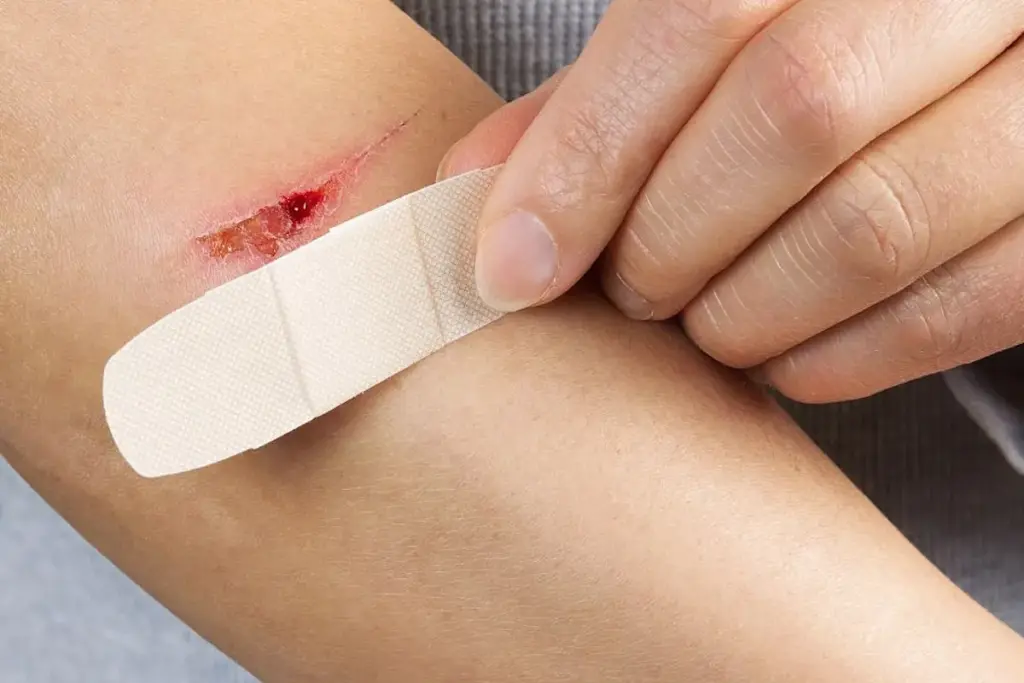
Proper wound care is key for healing scrapes and cuts effectively. It helps avoid infections and scarring. When you get a cut or scrape, clean it right away with soap and water. This is what doctors at Mayo Clinic recommend.
At Liv Hospital, we teach you how to care for minor injuries at home. We also tell you when to see a doctor. This way, you can handle minor injuries with confidence.
Key Takeaways
- Clean the wound with soap and water immediately to prevent infection.
- Apply gentle pressure to stop bleeding and raise the affected area.
- Use antibiotic ointment or petroleum jelly to keep the wound moist.
- Cover the wound to keep it clean and promote healing.
- Monitor for signs of infection and seek medical care if necessary.
Understanding Scrapes and When Home Treatment is Appropriate
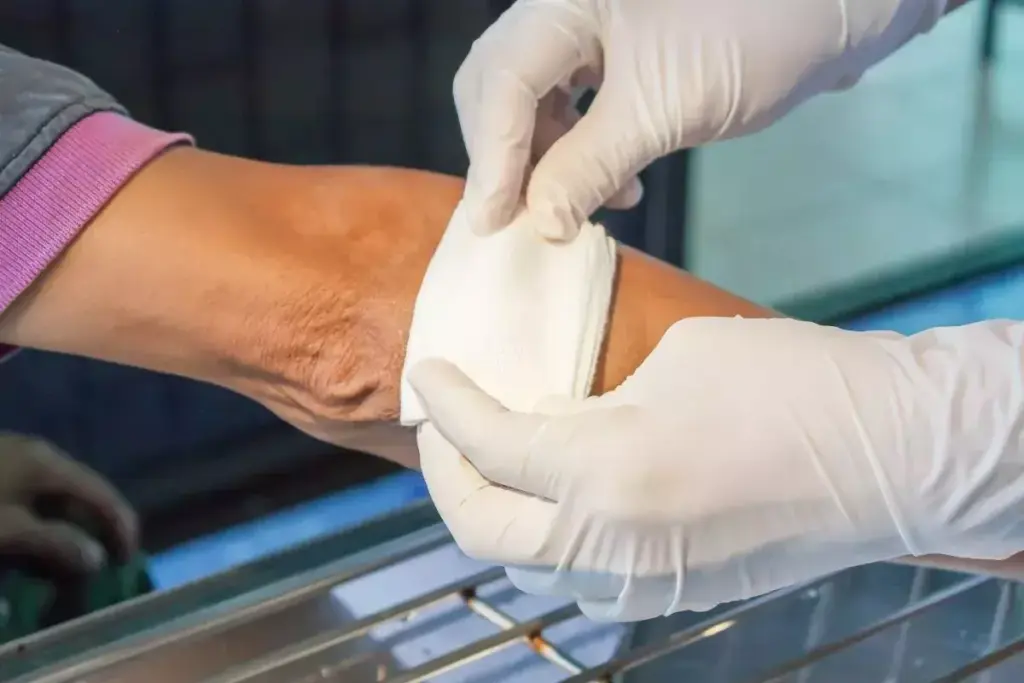
First, you need to check how bad the scrape is and if you can treat it at home. Scrapes happen when the skin gets rubbed off, often from falling or hitting something hard. How serious the scrape is will decide how you should treat it.
Types of Scrapes and Their Severity
Scrapes can be small or big. Small ones just scratch the skin’s top layer and can be fixed with basic care at home. But, bigger or deeper scrapes might need more help.
What makes a scrape serious includes:
- The size of the scrape: Bigger ones need more care.
- The depth of the scrape: Deeper ones might need a doctor.
- The presence of debris: Dirt or gravel can lead to infection.
- The location of the scrape: Face, hands, or feet need extra attention.
When to Treat at Home vs. Seeking Medical Care
Most scrapes can be treated at home, but some need a doctor. If a scrape is deep, big, or won’t stop bleeding, see a doctor. Also, if it gets red, swollen, warm, or has pus, you should get it checked.
Think about your health too. People with diabetes or taking drugs that weaken the immune system should be careful with cuts.
Knowing how serious your scrape is helps you decide if you can treat it yourself or if you need a doctor. This way, you can heal the best way possible.
How to Heal a Scrape: The Essential Steps
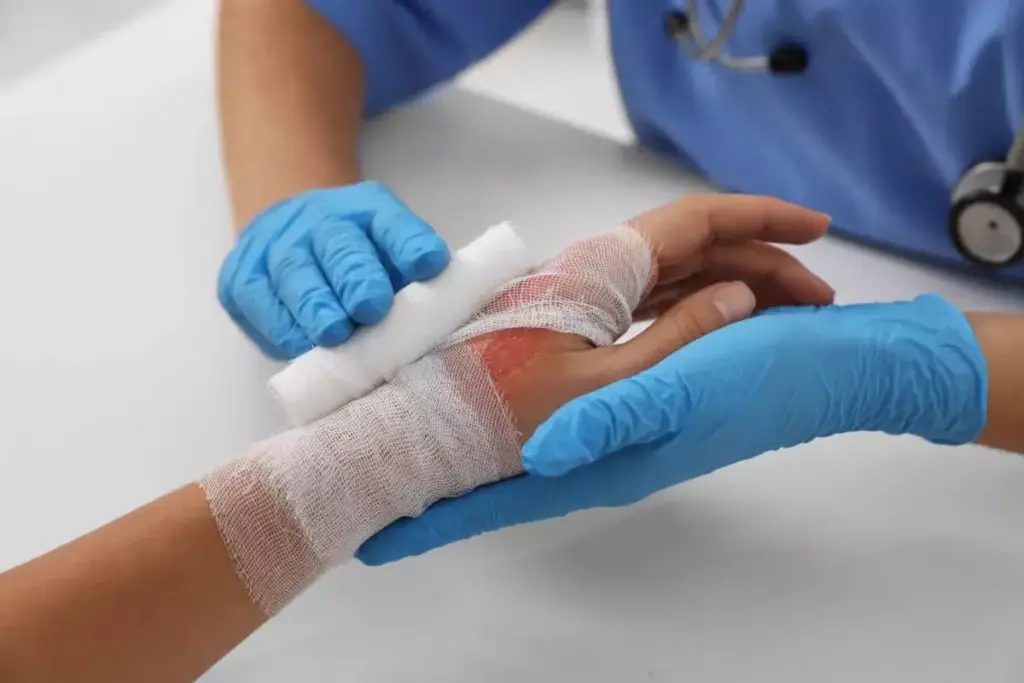
Healing a scrape requires specific steps to ensure proper recovery. These steps help the body heal naturally. Following them correctly can greatly improve the healing process.
Step 1: Initial Response and Assessment
The first step is to stop any bleeding. Use a clean cloth or bandage to apply gentle pressure for a few minutes. After the bleeding stops, check the scrape’s severity. If it’s deep, large, or won’t stop bleeding, get medical help.
Step 2: Properly Cleaning the Wound
Cleaning the scrape is key to preventing infection. Rinse the scrape with cool or lukewarm water to remove dirt. Use mild soap and a clean cloth to clean the area gently. Avoid harsh soap, hydrogen peroxide, or iodine, as they can irritate the skin.
Step 3: Disinfecting Cuts Safely and Effectively
After cleaning, apply an antibiotic ointment to prevent infection and promote healing. Use an ointment with neomycin or bacitracin. This step is vital for creating a healing environment.
Step 4: Applying Petroleum Jelly for Optimal Healing
Applying petroleum jelly keeps the scrape moist, aiding in faster healing. It acts as a barrier against dirt and bacteria. Reapply as needed and cover with a bandage to keep it clean.
| Step | Action | Benefit |
| 1 | Stop bleeding and assess | Determine severity and need for medical care |
| 2 | Clean with cool water and mild soap | Remove dirt and reduce infection risk |
| 3 | Apply antibiotic ointment | Prevent infection and promote healing |
| 4 | Apply petroleum jelly | Keep the scrape moist for faster healing |
Bandaging and Aftercare for Faster Healing
Bandaging and aftercare are key to quick healing of scrapes. Proper care after treatment can greatly improve recovery.
Choosing the Right Bandage
Choosing the right bandage is important for healing. Breathable bandages keep the wound moist, aiding healing. Use bandages that protect from dirt and bacteria.
How Often to Change Dressings
Changing dressings often is key to avoiding infection. Change the dressing at least once a day or when it gets wet or dirty. This keeps the wound clean and promotes healing.
Monitoring Healing Progress
Watching the scrape’s healing is important. Look for signs like less redness and swelling, and new skin. Monitoring daily helps spot issues early.
Warning Signs of Infection or Complications
Knowing infection signs is vital. Look out for increased redness, swelling, pus, or bad smell. If you see these, seek medical help fast. Early action can prevent big problems.
By following these tips, you can help scrapes heal faster and avoid complications.
Conclusion
Proper wound care is key for healing. By following the steps in this article, you can care for your scrapes and cuts well. This helps them heal faster and lowers the chance of infection.
Healing scrapes and cuts needs care and knowledge. We’ve shared the important steps to clean and care for wounds. This way, our readers can help their wounds heal better.
In wrapping up, we stress how vital proper wound care is. By using a full approach to wound care, you can avoid problems and heal quicker.
FAQ:
What is the best way to clean a cut or scrape?
Rinse the cut or scrape with cool or lukewarm water and mild soap. Don’t use harsh soap, hydrogen peroxide, or iodine. These can irritate the skin and slow healing.
How do I disinfect a cut or scrape?
After cleaning, apply an antibiotic ointment to prevent infection. You can also use chlorhexidine, but follow the instructions. Don’t apply it directly to the wound.
How often should I change the dressing on my cut or scrape?
Change the dressing daily or when it gets wet or dirty. This keeps the wound clean and aids healing.
What are the signs of infection in a cut or scrape?
Look for increased redness, swelling, pain, or pus around the wound. If you see these signs or have a fever, seek medical help.
Can I use petroleum jelly on a cut or scrape?
Yes, petroleum jelly can help keep the wound moist and promote healing. Apply a thin layer after cleaning and disinfecting.
When should I seek medical care for a cut or scrape?
If you have excessive bleeding, a deep or jagged wound, or signs of infection, seek medical help. Also, if you’re unsure about your wound or healing progress, consult a healthcare professional.
How can I promote faster healing of a cut or scrape?
Keep the wound clean, apply antibiotic ointment, and cover it with a bandage. Also, maintain good health with a balanced diet and plenty of water.
References:
World Health Organization. Evidence-Based Medical Guidance. Retrieved from
https://apps.who.int/iris/handle/10665/275676