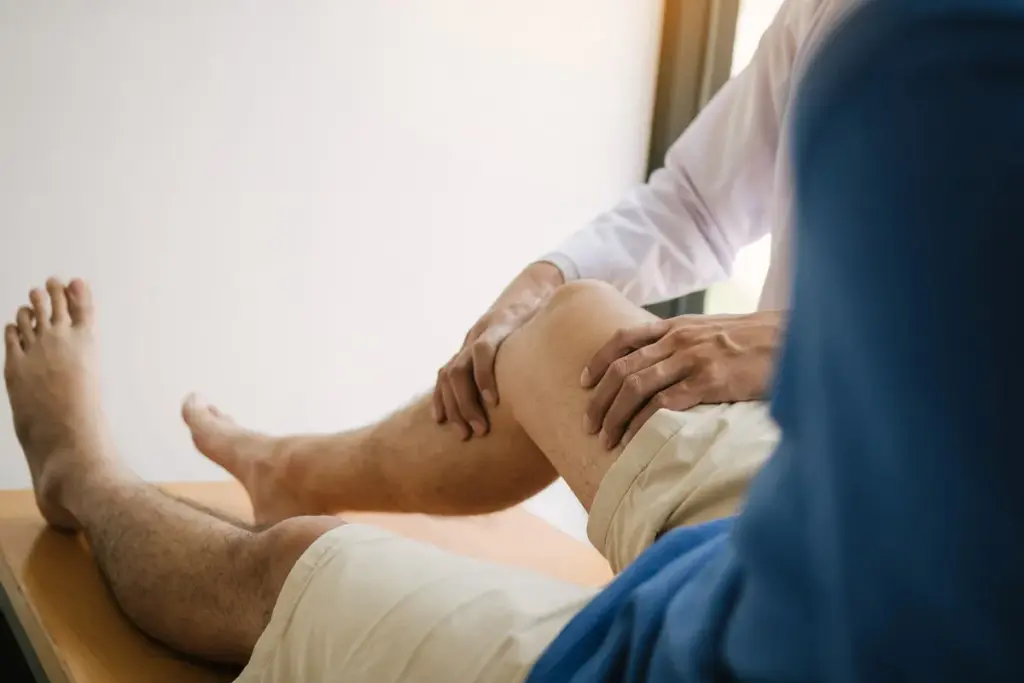
A torn knee ligament can really hurt your ability to move and enjoy life. It doesn’t matter if you’re an athlete or someone who got hurt. Knowing how to treat and heal from this injury is very important.
At Liv Hospital, we use our knowledge in orthopedics to help you. We focus on making sure you get better and can do the things you love again. Our goal is your full recovery.
Knee ligament injuries are a big problem for athletes and regular people. With about 0.2% of all orthopedic injuries being multiligament knee injuries, getting the right care is key.
Key Takeaways
- Understanding the nature of knee ligament injuries is key to effective treatment.
- Comprehensive diagnosis is key to determining the best course of action.
- Treatment options vary, including both non-surgical and surgical approaches.
- Patient-centered care can significantly impact recovery outcomes.
- Liv Hospital offers innovative treatment strategies for torn ligament injuries.
Understanding Knee Ligament Injuries
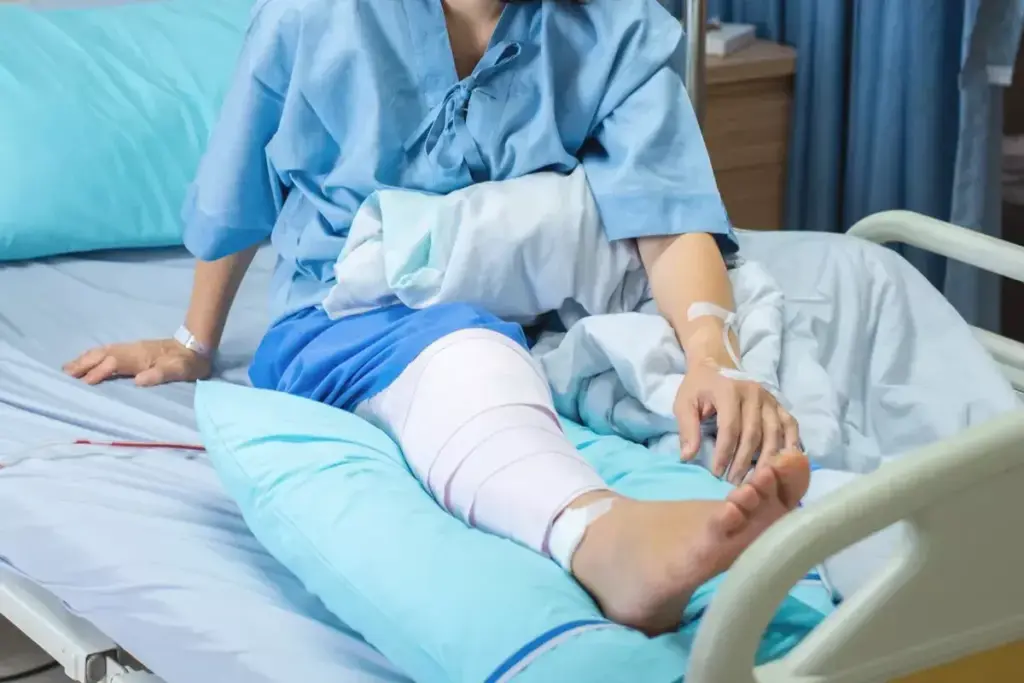
Knee ligaments are strong bands that connect bones and keep the knee stable. The knee has four main ligaments: ACL, PCL, MCL, and LCL. Knowing about these ligaments is key to treating and recovering from injuries.
Types of Knee Ligaments and Common Injuries
The ACL is often injured in sports that involve quick stops or changes in direction. ACL injuries usually need surgery, called torn ligament in knee surgery, to fix the knee’s stability.
The PCL, MCL, and LCL can also get hurt, often from falls or accidents. The injury’s severity can range from mild sprains to complete tears. Knowing the injury’s type and severity helps choose the right ligament tear treatment.
- ACL (Anterior Cruciate Ligament): Commonly injured during sports.
- PCL (Posterior Cruciate Ligament): Often injured due to direct trauma.
- MCL (Medial Collateral Ligament): Typically injured due to valgus stress.
- LCL (Lateral Collateral Ligament): Injured less frequently, often due to varus stress.
Diagnosis and Assessment Methods
Diagnosing knee ligament injuries requires physical exams, patient history, and imaging tests. The Lachman test and pivot shift test check ACL integrity. MRI scans help see soft tissue injuries, like ligament tears.
Getting a correct diagnosis is important for choosing the right treatment. This could be surgery or non-surgical methods to fix a torn knee ligament.
- Physical examination to assess knee stability.
- Imaging tests (X-rays, MRI) to visualize ligament damage.
- Patient history to understand the mechanism of injury.
Risk Factors and Prevalence Statistics
Studies from 2024-2025 show early surgery within two weeks of injury leads to better results. Athletes, mainly in high-impact sports, are more likely to get knee ligament injuries.
Knowing the risk factors and prevalence helps in creating prevention strategies and improving treatment for how to heal a knee ligament.
| Risk Factor | Description |
| Sports Participation | Involvement in sports like soccer, basketball, and football increases the risk. |
| Previous Injuries | History of knee injuries can predispose individuals to further ligament damage. |
Non-Surgical Treatment Approaches
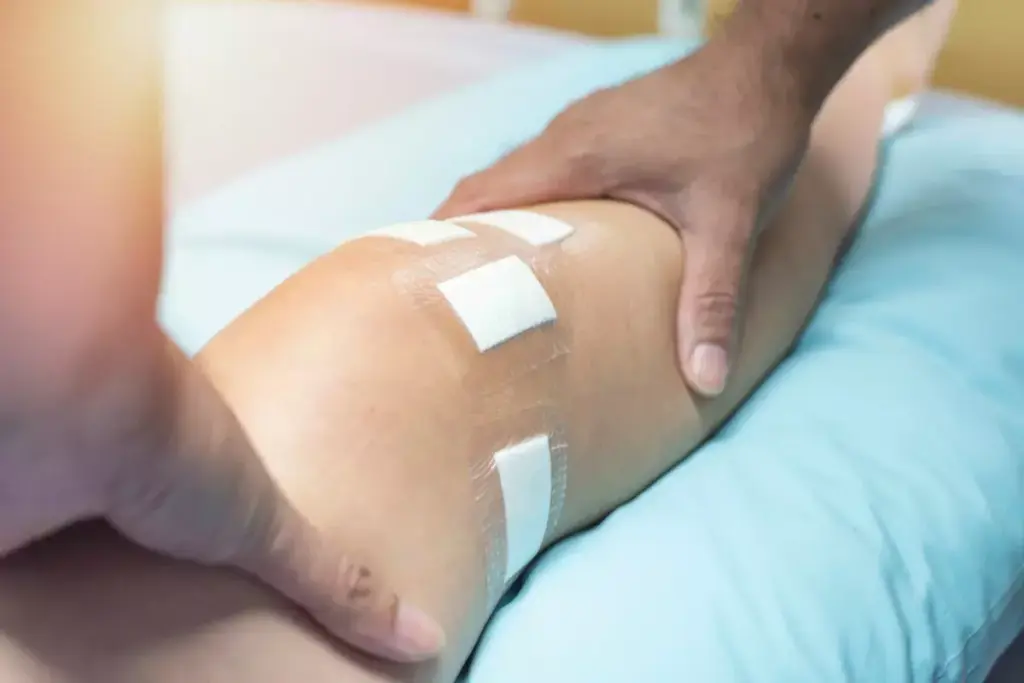
Good news: some knee ligament tears can heal without surgery. Various non-surgical treatments can help minor tears or those who want to avoid surgery. These methods can aid in recovery and restore knee function.
Immediate Care and RICE Protocol
When a knee ligament injury happens, quick action is key. The RICE protocol is a first-step treatment. It stands for Rest, Ice, Compression, and Elevation.
Rest prevents further injury. Ice reduces pain and swelling. Compression also cuts swelling. Elevation above heart level reduces blood flow and swelling.
Using the RICE protocol well can help a lot in the early healing stages. Ice for 15-20 minutes, several times a day, is recommended. A compression bandage supports the knee. Keeping the knee elevated helps reduce swelling.
Physical Therapy and Rehabilitation Exercises
Physical therapy is key in recovery. It helps restore strength, mobility, and function to the knee. A physical therapist creates a tailored exercise plan to improve knee stability and range of motion.
Exercises like straight leg raises, squats, and lunges are part of the program. They help regain knee function. Adding flexibility and stretching exercises improves the knee’s range of motion. A good physical therapy program can greatly aid in recovery.
Bracing and Supportive Devices
Bracing and supportive devices offer extra stability to the knee during healing. Knee braces support the knee and are helpful during activity. There are different types of braces, each providing varying levels of support.
Choosing the right brace is important. It protects the knee and supports during exercises. Always consult a healthcare professional to find the best brace for your injury.
Prevention is also key. Multicomponent training programs can reduce knee injuries by up to 54%. Doing these programs 2-3 times weekly can keep the knee healthy and prevent future injuries.
Ligament Replacement Knee Surgery and Recovery
Severe ligament injuries often need surgery to fix knee stability and function. If non-surgical treatments fail, knee surgery may be needed. This surgery helps patients get back to their usual activities.
Optimal Timing for Surgical Intervention
The right time for surgery is key for good results. Early reconstruction is best for severe tears or instability. Waiting too long can cause more harm, like meniscal tears or cartilage damage.
We look at injury severity, health, and activity level to decide when to operate. Early surgery usually means better results and quicker recovery.
Modern Surgical Techniques and Procedures
Surgery for ligament replacement has improved a lot. Now, minimally invasive procedures are common. They cause less damage and help healing.
Choosing the right graft is important in surgery. Grafts can come from the patient (autograft) or a donor (allograft). The choice depends on the patient’s age, activity level, and the surgeon’s choice.
- Autografts are often chosen because they work better and are less likely to be rejected.
- Allografts are used in certain cases, like when many ligaments are damaged or if the patient has had grafts before.
Post-Surgical Rehabilitation Process
Rehab after surgery is vital for good results. A good rehab plan helps get the knee working right again.
Our rehab plan has several steps:
- First, we focus on pain control and wound healing right after surgery.
- Then, we start with exercises to move and strengthen the knee.
- Later, we add more exercises to get ready for sports or daily activities.
With a detailed rehab plan, patients can get back to their usual activities with confidence.
Conclusion
Recovering from a torn knee ligament needs a full plan. This includes knowing the treatment and rehab steps. By learning how to heal a torn ligament, people can choose the best care for themselves.
With the right care, many people get back to their favorite activities. Fixing a torn ligament involves a treatment plan. This plan might include non-surgical methods, surgery, or both.
Knowing how to fix a torn ligament in the knee is key for recovery. With the right info, people can get their knees healthy again.
FAQ
What are the common symptoms of a torn knee ligament?
Symptoms include pain, swelling, and feeling unstable. You might also have trouble moving your knee. Sometimes, you might hear a popping sound when it happens.
How is a knee ligament injury diagnosed?
Doctors use a physical exam, ask about your medical history, and do imaging tests. X-rays or an MRI help see how bad the injury is.
What is the RICE protocol, and how does it help in treating knee ligament injuries?
RICE stands for rest, ice, compression, and elevation. It helps lessen pain and swelling. This makes it easier for your knee to heal.
When is surgery required for a torn knee ligament?
You might need surgery for severe tears. It’s also needed if other treatments don’t work or if your knee feels unstable.
What is involved in the post-surgical rehabilitation process for ligament replacement knee surgery?
After surgery, you’ll do physical therapy to get stronger and move better. You’ll also use a brace for support. Slowly, you’ll get back to doing things you normally do.
Can a ligament be repaired without surgery?
Yes, for minor injuries, you might not need surgery. Instead, you can try physical therapy, use a brace, and follow the RICE protocol.
How long does it take to recover from a torn knee ligament?
Recovery time depends on the injury’s severity and treatment. Without surgery, it can take weeks to months. With surgery, it’s usually several months.
What are the benefits of early reconstruction in ligament replacement knee surgery?
Early surgery helps make your knee stable again. It also lowers the chance of more injuries. Plus, you can get back to your activities faster.
How can I prevent future knee ligament injuries?
To prevent injuries, stay at a healthy weight. Do exercises to strengthen your knee muscles. Always use the right techniques when playing sports or doing physical activities.
What are the risks associated with ligament tear treatment?
Risks include infection, bad reactions to anesthesia, nerve damage, and the ligament not healing right. But, these risks are low if you get proper medical care.
How to treat a knee ligament injury?
Treatment includes non-surgical methods like the RICE protocol, physical therapy, and using a brace. For serious cases, surgery might be needed.
What is the role of physical therapy in healing a torn knee ligament?
Physical therapy is key. It helps you regain strength, improve movement, and makes sure your knee is stable and works well after an injury or surgery.
References
The Lancet. Evidence-Based Medical Insight. Retrieved from
https://www.thelancet.com/journals/lancet/article/PIIS0140-6736(09)62011-3/fulltext