A torn knee ligament can really change your life. It makes it hard to walk, run, or do things you enjoy. Knowing how to treat and recover from an ACL, MCL, PCL, or LCL injury is key to getting back to normal.
Today, surgery and rehab can help you recover faster. At Liv Hospital, we focus on you. We make sure your treatment fits your needs perfectly.
Getting the right treatment and rehab is vital for knee ligament injuries. The right choice can help you get back to your activities.
Key Takeaways
- Knowing the type and severity of your knee ligament injury is important for the best treatment.
- Modern surgery can greatly improve recovery from knee ligament injuries.
- A good rehab program is key to getting your knee strong and stable again.
- Getting care that’s just for you can really help in treatment and recovery.
- Liv Hospital offers care that’s all about you, making sure your treatment is right for your knee ligament injury.
Understanding Knee Ligament Injuries
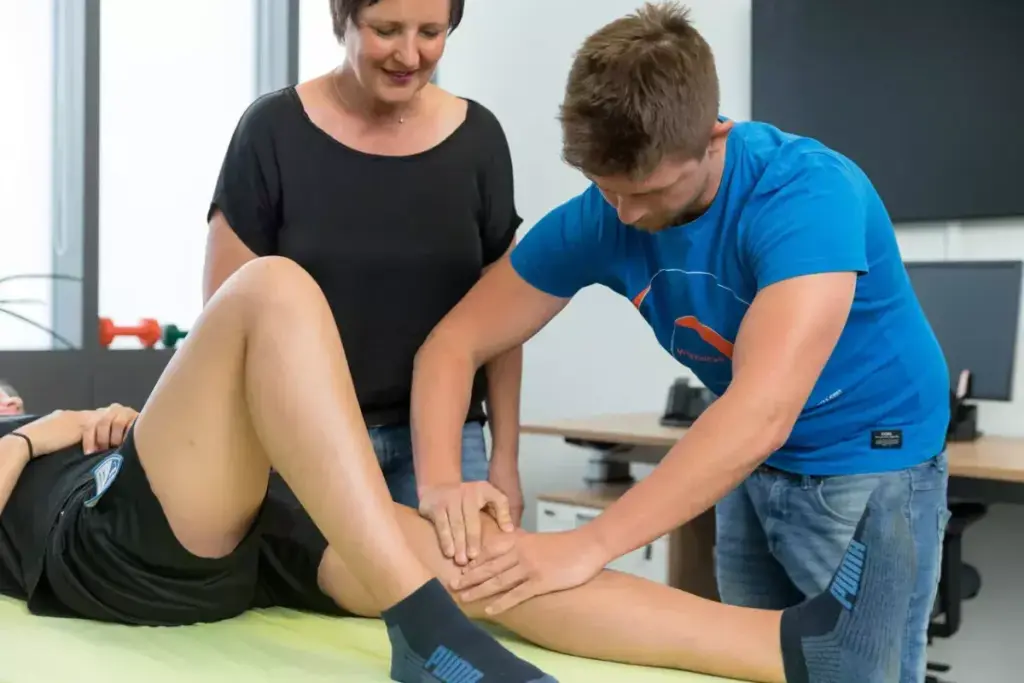
The knee joint has several ligaments that support it. These ligaments are key for stability and movement. Injuries to these ligaments can happen from sports, accidents, or other incidents.
Types of Knee Ligaments and Common Tears
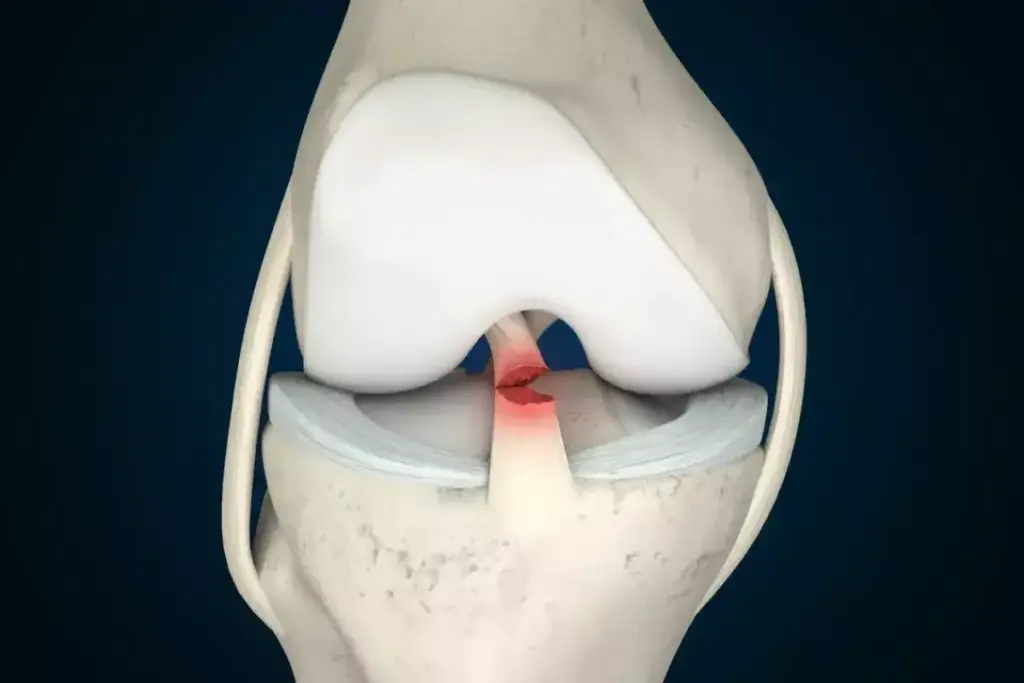
The knee has four main ligaments: ACL, PCL, MCL, and LCL. The ACL is the most injured ligament. This often happens in sports that require quick stops or changes in direction.
Other ligaments like the MCL and PCL can also get hurt. This usually happens from similar causes or direct hits to the knee. Knowing about knee ligaments and their injuries helps in diagnosing and treating them.
- ACL (Anterior Cruciate Ligament): Often injured during sports.
- MCL (Medial Collateral Ligament): Commonly injured due to direct blows.
- PCL (Posterior Cruciate Ligament): Typically injured from a fall onto a bent knee.
- LCL (Lateral Collateral Ligament): Less commonly injured, often due to unusual twisting.
Higher Risk in Female Athletes
Studies show that female athletes are at a higher risk of ACL injuries. This is due to differences in neuromuscular control, hormones, and body mechanics.
Knowing these factors is key for creating prevention programs. These programs aim to lower ACL injury rates in female athletes.
Diagnosing the Severity of Your Ligament Tear
Diagnosing a ligament tear involves several steps. This includes a clinical check-up, patient history, and imaging tests. X-rays help check for fractures. MRI scans are vital for seeing soft tissue injuries like ligament tears.
A detailed diagnosis is important. It helps decide the best treatment, whether it’s non-surgical or surgery.
Non-Surgical Treatment Approaches
[Add image here]
Non-surgical treatments are key for mild to moderate knee ligament tears. They help ease symptoms, improve knee function, and aid in recovery.
RICE Protocol for Mild to Moderate Tears
The RICE protocol is a top choice for treating knee ligament injuries. It stands for Rest, Ice, Compression, and Elevation.
- Rest: Stay away from activities that make the injury worse.
- Ice: Use ice to lessen pain and swelling.
- Compression: A compression bandage can help reduce swelling.
- Elevation: Keeping the knee higher than the heart can also reduce swelling.
Following the RICE protocol can greatly reduce pain and swelling early on.
Physical Therapy and Rehabilitation Exercises
Physical therapy is vital for knee ligament injury recovery. It helps restore knee function, strengthens muscles, and boosts mobility.
Our physical therapists create a custom exercise plan. It includes:
- Range of motion exercises to improve flexibility.
- Strengthening exercises to support the knee joint.
- Balance and proprioception training to enhance stability.
For more on non-surgical treatments, check out UPMC’s Orthopaedics Services.
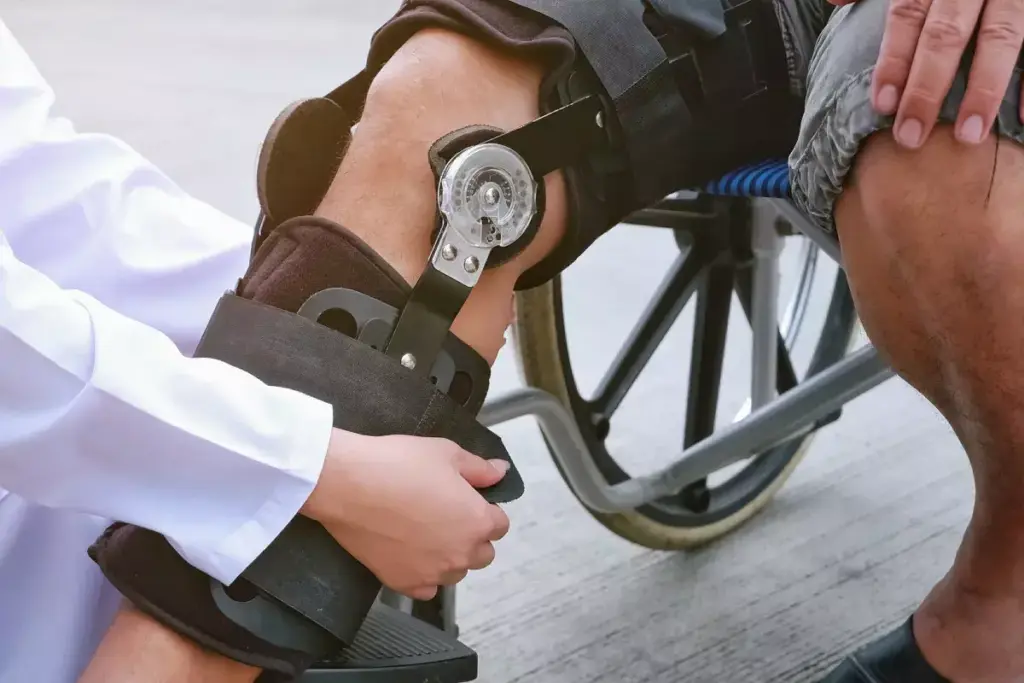
Bracing and Supportive Techniques
Bracing and supportive techniques add stability to the knee during recovery. Knee braces help support the ligament and prevent further injury.
Combining bracing with physical therapy and the RICE protocol leads to a full recovery. It tackles symptoms and the injury’s root cause.
Ligament Tear in Knee Operation: Surgical Procedures
When other treatments don’t work, surgery is needed for severe ligament tears. Surgery might seem scary, but it’s key for many to get their knees working right again. This allows them to do their usual activities.
Necessity of Surgery
Surgery is needed for very bad ligament tears or when other treatments don’t help. Severe ligament tears make it hard to move or do sports. A doctor will decide if surgery is right for you.
Here are the main reasons for surgery:
- Persistent pain and instability
- Severe ligament damage
- Failure of conservative management
- High activity levels requiring knee stability
Arthroscopic vs. Open Reconstruction Techniques
There are two main surgery types for ligament tears: arthroscopic and open reconstruction. Arthroscopic surgery uses small tools through tiny cuts. It’s less invasive and might heal faster. Open reconstruction needs a bigger cut to fix the ligament directly.
Which surgery you get depends on the tear’s severity, the ligament, and your health.
ACL, MCL, and PCL Surgical Approaches
Each knee ligament needs a special surgery:
- ACL (Anterior Cruciate Ligament) injuries usually get arthroscopic reconstruction with grafts.
- MCL (Medial Collateral Ligament) tears might not need surgery, but bad ones might get open repair.
- PCL (Posterior Cruciate Ligament) injuries can get arthroscopic or open surgery, based on the damage.
Every surgery is made just for you and your injury.
Recovery Timeline and Rehabilitation Process
Healing from a torn knee ligament needs a good plan. The time it takes to get better depends on how bad the injury is and if surgery is needed. For those who have ACL surgery, it can take 6-12 months to recover.
Getting better means doing physical therapy and strengthening exercises. We focus on knee ligament rehab to help you move and do things you love again.
The first steps are to reduce pain and swelling. Then, we work on making your knee more mobile and strong. As your knee gets better, we add more challenging exercises. This helps you safely go back to sports or everyday activities.
After surgery, it’s important to follow a careful recovery plan. This way, you can fully recover and avoid getting hurt again.
FAQ
What are the common symptoms of a torn knee ligament?
Symptoms include pain, swelling, and feeling unstable. You might also hear a popping sound at injury time.
How is the severity of a ligament tear diagnosed?
Doctors use a physical exam and medical history review. They might also do an MRI to see how bad the injury is.
What is the RICE protocol, and how does it help in treating knee ligament injuries?
RICE means Rest, Ice, Compression, and Elevation. It helps with pain, swelling, and recovery in mild to moderate injuries.
When is surgery necessary for a torn knee ligament?
Surgery is needed if rest and ice don’t help. It’s also needed for severe tears or if you’re an athlete wanting to play again.
What are the differences between arthroscopic and open reconstruction techniques for ligament tears?
Arthroscopic surgery uses small cuts and a camera. Open surgery needs a bigger cut. The choice depends on the injury and the doctor’s advice.
How long does it take to recover from a torn knee ligament?
Recovery time varies. It can take months to a year or more to get back to normal.
What does a rehabilitation program for knee ligament injuries typically include?
Programs include physical therapy and exercises. They help improve mobility and strength, and help you return to activities safely.
Can a ligament be repaired without surgery?
Yes, for mild to moderate injuries. Treatments like RICE, physical therapy, and bracing can work. But severe tears might need surgery.
How can I prevent knee ligament injuries during sports activities?
Prevent injuries by warming up, using proper techniques, and wearing protective gear. Strengthening the muscles around the knee also helps.
What are the risks associated with knee ligament surgery?
Risks include infection, blood clots, and anesthesia problems. There’s also a chance of graft failure, stiffness, or not getting full knee function back.
References
National Institutes of Health. Evidence-Based Medical Insight. Retrieved from https://www.niams.nih.gov/health-topics/knee-problems