
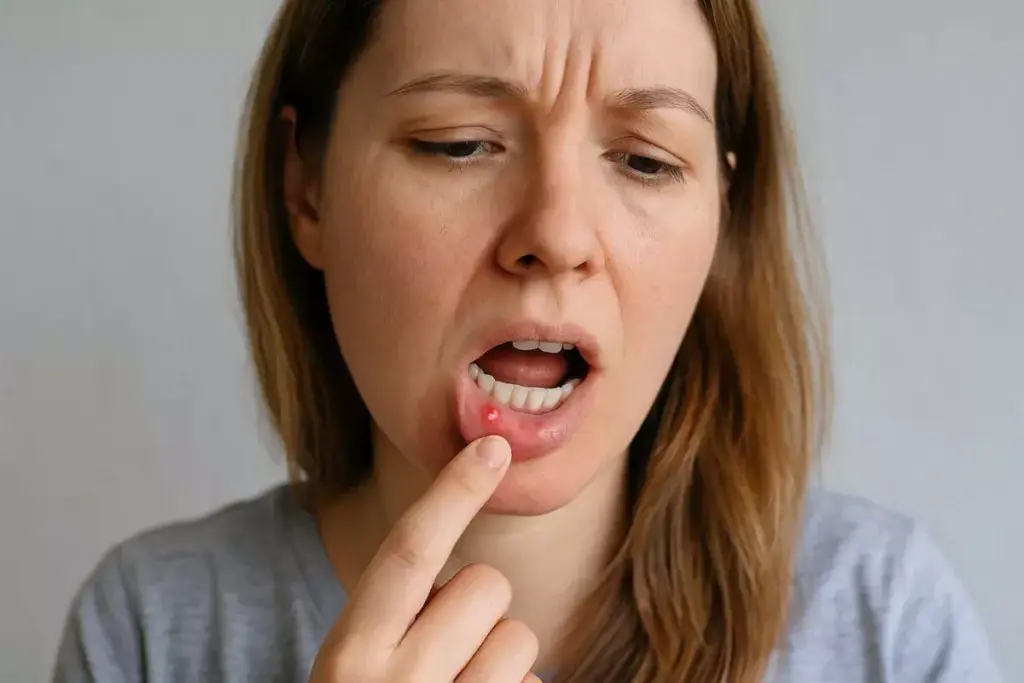
Canker sores, or aphthous ulcers, affect about 1 in 10 people. These painful spots can really disrupt your day. It’s important to know how they form and heal.
Canker sores go through different stages. First, you might feel tingling or burning. Then, the sore area swells and turns white or yellow-gray, with a red ring around it.
Knowing about canker sores helps in managing them better. At Liv Hospital, we offer advice based on science. For more on healing, check out Healthline’s guide on mouth ulcers.
Key Takeaways
- Canker sores are a common oral condition affecting 1 in 10 people.
- They progress through distinct stages, including prodromal and ulcerative phases.
- Understanding canker sore development is key to effective management.
- Liv Hospital provides evidence-based guidance for navigating canker sore healing.
- Canker sore healing can be supported with proper care and treatment.
Understanding Canker Sores and Why They’re So Painful
Canker sores are small, shallow lesions that develop on the soft tissues in your mouth or at the base of your gums. These ulcers can be painful and may cause discomfort during everyday activities like eating, drinking, and speaking.
What Are Canker Sores and Who Gets Them?
Canker sores, also known as aphthous ulcers, are a common condition that affects many people worldwide. They can occur due to various reasons, including poor oral hygiene, though sometimes the cause isn’t clear. According to research, most canker sores heal on their own within 1–2 weeks, but larger ones (called major canker sores) may take up to 4 weeks and could leave scars. For more detailed information, you can visit the National Center for Biotechnology Information.
Types of Canker Sores: Minor, Major, and Herpetiform
There are three main types of canker sores: minor, major, and herpetiform. Minor canker sores are the most common type and typically last 7-14 days. They are generally small and heal without leaving scars. Major canker sores are larger and can persist for several weeks, often leaving scars after they heal. Herpetiform canker sores are less common and appear as clusters of pinpoint lesions that may merge together, making them painful.
Multiple Canker Sores at Once: Causes and Concerns
Some individuals may experience multiple canker sores simultaneously, which is common in herpetiform sores. The exact cause of multiple canker sores can vary, but it is often associated with stress, hormonal changes, or certain foods. Managing these sores effectively requires understanding their causes and taking appropriate measures to reduce their occurrence and alleviate symptoms.
Canker sores can cause significant discomfort and may lead to swelling and inflammation. In some cases, they may appear to get worse before they get better. Understanding the nature of canker sores and their healing process can help in managing the condition more effectively.
The Healing Process and Scabs That Form as the Ulcers Heal
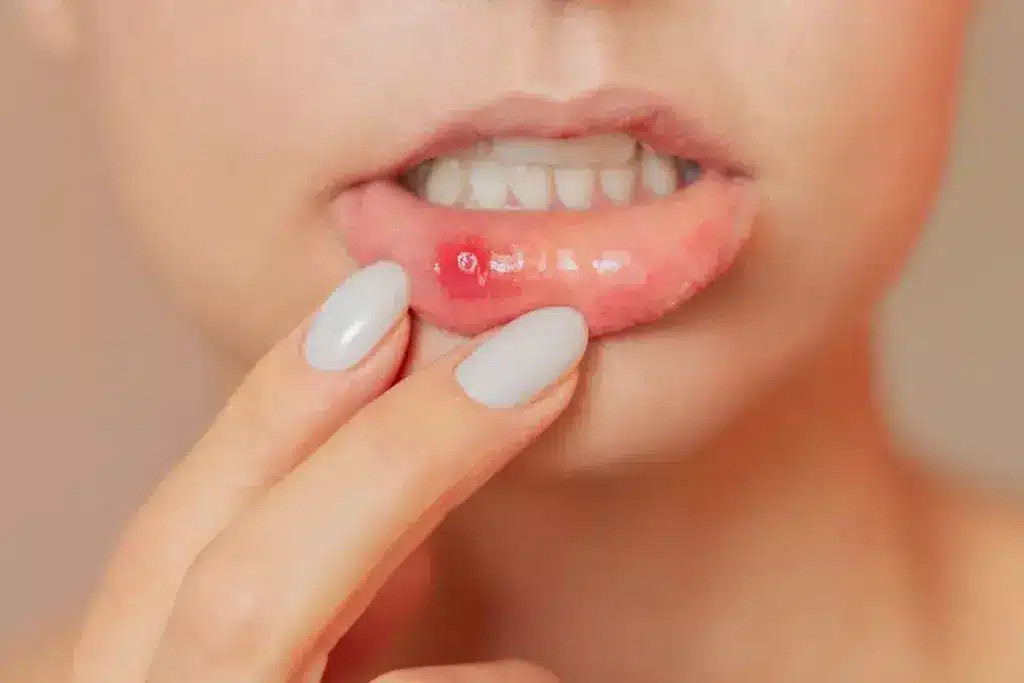
Canker sores heal naturally, forming scabs as a key part of the process. This is how our bodies respond to injury, aiming to heal and protect the area.
The Three Stages of Canker Sore Development
The life of a canker sore has three stages: the prodromal, ulcerative, and healing stages. In the prodromal stage, you might feel tingling or burning, signaling a sore is coming. The ulcerative stage is when the sore appears and hurts. The healing stage starts with a scab forming, a vital step towards getting better.
Why Swelling and Inflammation Occur
Swelling and inflammation are natural when you have a canker sore. The body sends more blood to fight off infection and start healing. This can make the sore look worse before it starts to heal. Having multiple canker sores at once can make things even tougher.
Do Canker Sores Get Worse Before They Get Better?
Yes, canker sores often seem to get worse before they start to heal. This is because of the body’s natural inflammation. Having 2 canker sores at once or 3 canker sores at once can make it seem even more severe. But, this inflammation is a sign that your body is working to heal.
In conclusion, healing canker sores involves scabs and inflammation. Knowing about these stages helps you understand and manage the healing process, even with multiple canker sores.
Effective Treatments to Speed Up Recovery and Prevent Recurrence
To manage canker sores well, knowing the treatments is key. Home remedies and professional care can help. A baking soda rinse or an antimicrobial mouthwash can ease symptoms and aid healing.
Saltwater rinses can help with pain from canker sores. For severe cases, prescription mouthwash or topical steroids might be needed. Good oral hygiene and early treatment can prevent bigger issues and speed up recovery. Sometimes, canker sores can last a month or more, and swollen lymph nodes may appear.
Knowing how long canker sores heal is important. Minor ones usually heal in a week or two. Major ones take longer. Yes, canker sores can be raised. Good oral care and the right treatments can shorten their time and lessen discomfort.
FAQ
What are canker sores, and who gets them?
Canker sores are common and painful. They appear inside the mouth. Not contagious, but their cause is unknown.
What are the different types of canker sores?
There are three main types: minor, major, and herpetiform. Knowing the type helps in treating them.
Why do some people experience multiple canker sores at once?
Stress, certain foods, or health issues can cause multiple sores. We look into these causes to manage them better.
Do canker sores cause swelling and inflammation?
Yes, they can cause swelling and pain. Understanding this helps in managing symptoms.
Do canker sores get worse before they get better?
Sometimes, sores seem to worsen before healing. This is part of the healing process.
How long do canker sores take to heal?
Healing time varies by type and severity. Minor sores heal in a week or two. Major sores take longer.
What are the stages of canker sore development?
Sores go through three stages: initial, ulceration, and healing. Knowing these stages helps in managing them.
Why do canker sores form scabs?
Scabs protect the sore from irritation and infection. They help in the healing process.
Are there effective treatments for canker sores?
Yes, many treatments can help heal sores faster. This includes home remedies and professional treatments.
Can canker sores be a sign of an underlying health issue?
Sometimes, sores can indicate a health problem. If you have frequent or severe sores, see a doctor.
How can I manage canker sores effectively?
Effective management includes good oral hygiene and avoiding trigger foods. Topical treatments or home remedies can also help.
Reference:
National Center for Biotechnology Information. Evidence-Based Medical Guidance. Retrieved from https://www.ncbi.nlm.nih.gov/pmc/articles/PMC5732895/