
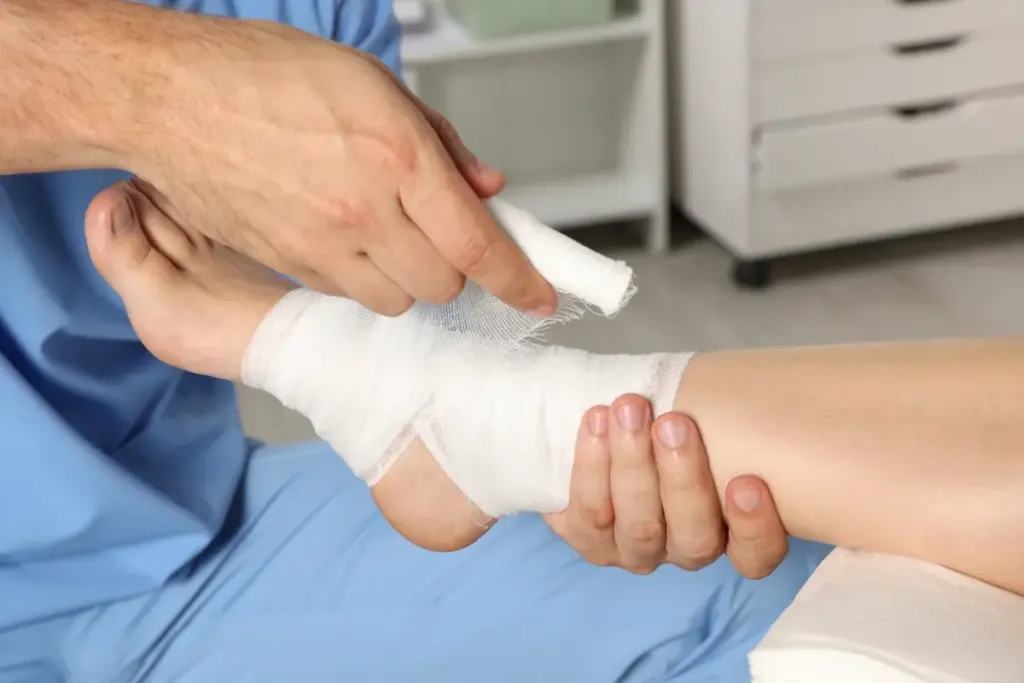
Ligament injuries are very common in joints like the knee and ankle. When ligaments stretch too far, the collagen fibers tear, causing pain. At Liv Hospital, we know that ligament healing needs more than just time.
Ligaments heal slowly because they don’t get much blood. But, with the right care, ligaments can heal and get stronger again. The healing process goes through three stages: inflammatory, repair, and remodeling.
Key Takeaways
- Ligament injuries are common and can be painful.
- The healing process involves three phases: inflammatory, repair, and remodeling.
- Ligaments have a limited blood supply, slowing down the healing process.
- Proper care and treatment can help ligaments heal and regain strength.
- Effective ligament healing requires more than time alone.
Understanding Ligament Healing: Can a Ligament Grow Back?
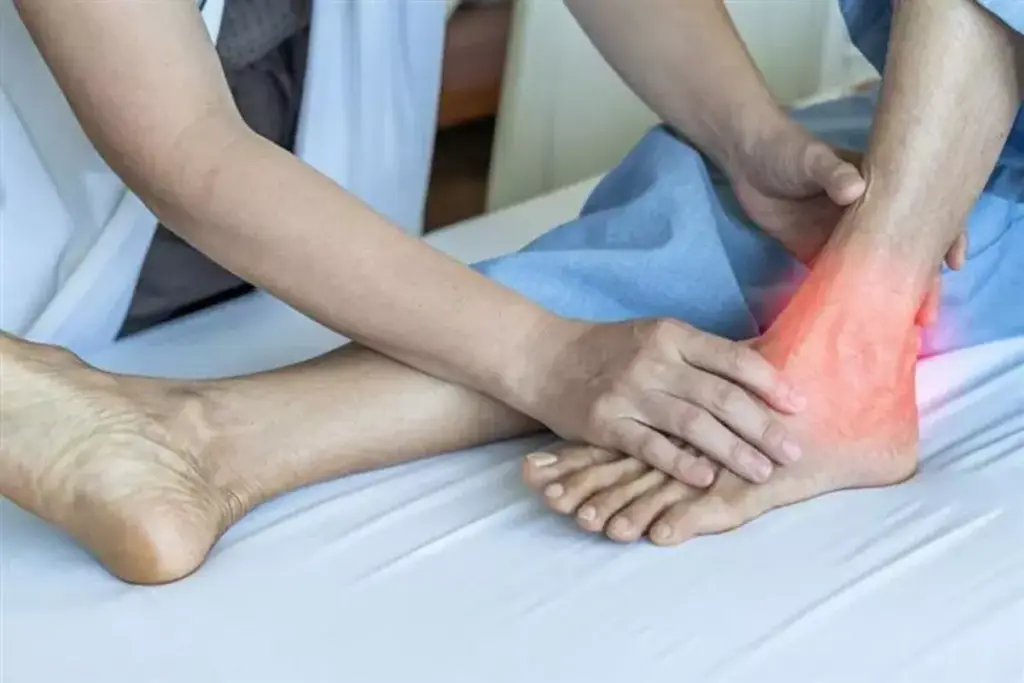
Ligament healing is a complex process with several stages. Knowing these stages helps us understand how ligaments can heal and the challenges they face.
The Three Phases of Ligament Healing
Ligament healing goes through three main phases: the inflammatory, repair, and remodeling phases. These phases are key for ligaments to recover fully.
The inflammatory phase lasts from 0 to 7 days. It’s marked by swelling, redness, and pain. This phase starts the healing process with chemical signals from the body.
The repair phase is from 7 to 21 days. It focuses on making new collagen to fix the ligament. This phase is vital for the ligament’s structure.
The remodeling phase can last from 3 weeks to 6 months or more. It’s when the ligament’s strength and flexibility are rebuilt. But, scar tissue may form, making it more likely to break again.
| Phase | Duration | Characteristics |
| Inflammatory | 0-7 days | Swelling, redness, pain |
| Repair | 7-21 days | Production of new collagen |
| Remodeling | 3 weeks-6+ months | Restoration of strength and elasticity |
Limitations of Natural Ligament Repair
While the body can heal ligaments well, there are big limits to natural repair. Ligaments often don’t get back to their full strength, even after healing for months. This makes them more likely to get hurt again.
Knowing these limits is key to finding better ways to help ligaments heal.
Effective Methods to Promote Ligament Healing
To heal ligaments, you need to move carefully, eat right, and sometimes see a doctor. Ligament injuries, from small sprains to big tears, need a detailed plan to heal well.
The Benefits of Controlled Movement vs. Immobilization
Moving gently and doing light exercises helps ligaments heal faster than staying very quiet. Staying too quiet can make your ligaments stiff and weak. But moving a little helps blood flow, fixes tissues, and keeps joints moving.
Gentle exercises and controlled resumption of activity are key to better healing.
Proper Loading and Mechanical Stimulation Techniques
Right loading and mechanical stimulation are key for ligament healing. These methods help new collagen fibers line up right, making the ligament stronger and more functional. Progressive resistance exercises can help slowly build up the strength of the ligament.
Nutrition and Supplements for Ligament Recovery
Eating well is very important for ligament healing. You need protein, vitamin C, and omega-3 fatty acids to make collagen and fix tissues. Glucosamine and chondroitin supplements can also help. Eating foods rich in these nutrients can really help your ligaments heal.
For more info on treating ligament injuries, check out top treatment solutions for ligament injuries.
| Nutrient | Role in Ligament Healing | Food Sources |
| Protein | Collagen synthesis | Lean meats, fish, eggs, dairy |
| Vitamin C | Collagen production, antioxidant | Citrus fruits, berries, leafy greens |
| Omega-3 Fatty Acids | Anti-inflammatory effects | Fatty fish, flaxseeds, walnuts |
Medical Interventions for Severe Ligament Injuries
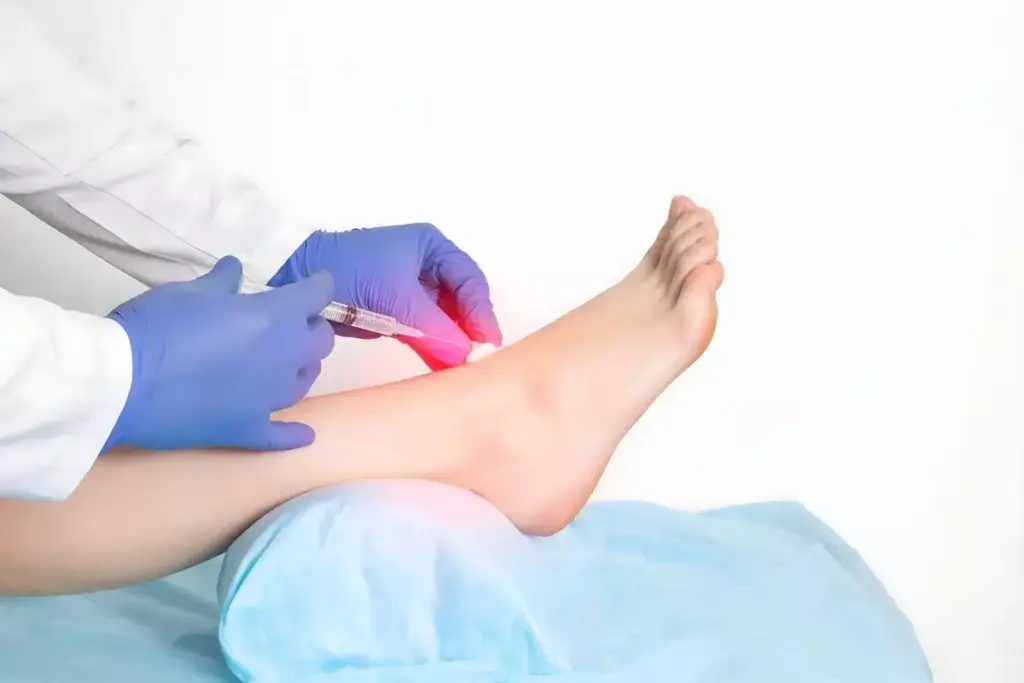
For very bad ligament injuries, you might need to see a doctor. Treatments like Platelet-Rich Plasma (PRP) therapy and surgery can help a lot. PRP therapy uses your own blood to help your ligament heal.
In short, moving carefully, eating right, and sometimes getting medical help can really help ligaments heal. By using a full plan for repair, you can get better faster and move freely again.
Conclusion: Realistic Expectations for Ligament Recovery
Ligaments can heal, but it’s a complex process. They might not get back to their full strength. The time it takes to recover varies a lot, depending on how bad the injury is.
Mild sprains can heal in 2-6 weeks. But, severe injuries might take 6-12 months or even longer to heal.
It’s important to know that ligaments can’t heal completely on their own. Some torn ligaments, like those in the ankle, might heal without surgery. But others might need medical help to heal right.
Whether or not to have surgery depends on how bad the tear is and your overall health.
To help ligaments heal, you can try controlled movement, proper loading, and good nutrition. These steps can support your recovery and help you get the best results. Always talk to a healthcare professional to find the right treatment for your situation.
FAQ:
Can ligaments heal themselves?
Ligaments can try to heal, but they don’t always succeed. This is because they don’t get much blood. Yet, with the right care, they can get stronger again.
Do ligaments grow back?
Ligaments can heal, but they might not get as strong as before. When they heal, scar tissue forms. This scar tissue can be more likely to break again.
How to heal ligaments faster?
To help ligaments heal faster, you need to do a few things. Move carefully, eat right, and consider treatments like PRP therapy. These steps help with blood flow and fixing tissues.
Can a torn ligament heal on its own?
Torn ligaments can heal by themselves, but it depends on the injury. If the tear is severe, you might need surgery to help it heal.
Do torn ligaments require surgery?
Not every torn ligament needs surgery. It depends on how bad the injury is and your health. For less severe injuries, you might not need surgery.
How to heal a torn ligament?
To heal a torn ligament, you need a plan. This plan should include moving carefully, eating well, and possibly medical treatments. Always work with a doctor to make a plan that’s right for you.
Can ligament tears heal?
Yes, ligament tears can heal, but it takes time. The success of healing depends on the injury’s severity and the treatment you get.
How to heal ligament damage?
To fix ligament damage, you need a detailed plan. This plan should include moving carefully, eating well, and possibly medical treatments. Always work with a doctor to make a plan that’s right for you.
Will torn ligaments heal on their own?
Torn ligaments can heal by themselves, but it depends on the injury. If the tear is severe, you might need surgery to help it heal.
Does ligament regrow?
Ligaments can heal and grow back a bit, but it’s a complex process. They might not get as strong as they were before.
Can a torn ankle ligament heal on its own?
Torn ankle ligaments can heal by themselves, but it depends on the injury. Mild to moderate injuries might not need surgery, but severe ones might.
How to heal stretched ligaments?
To heal stretched ligaments, you need a detailed plan. This plan should include moving carefully, eating well, and possibly medical treatments. Always work with a doctor to make a plan that’s right for you.
References:
National Center for Biotechnology Information. Evidence-Based Medical Insight. Retrieved from https://pmc.ncbi.nlm.nih.gov/articles/PMC3214965/[1