Recurring nasal scabs can be a big problem for people of all ages. These scabs protect damaged nasal tissue. But when they keep coming back, finding the cause is key. At Liv Hospital, our team uses medical knowledge and care to find and treat the cause of nasal scabs.
Dealing with crusty scabs on the nose can be stressful. We focus on top-notch healthcare and support. This ensures our international patients get the care they need for lasting nasal health.
Key Takeaways
- Recurring nasal scabs can be caused by various factors, including allergies and nasal trauma.
- Proper diagnosis is essential to determine the underlying cause of nasal scabs.
- Treatment strategies are tailored to address the specific cause of the scabs.
- Maintaining nasal passage moisture is key to preventing scabs.
- Effective home treatments include using saline sprays and avoiding picking at the scabs.
Understanding Nasal Scabs and Their Causes
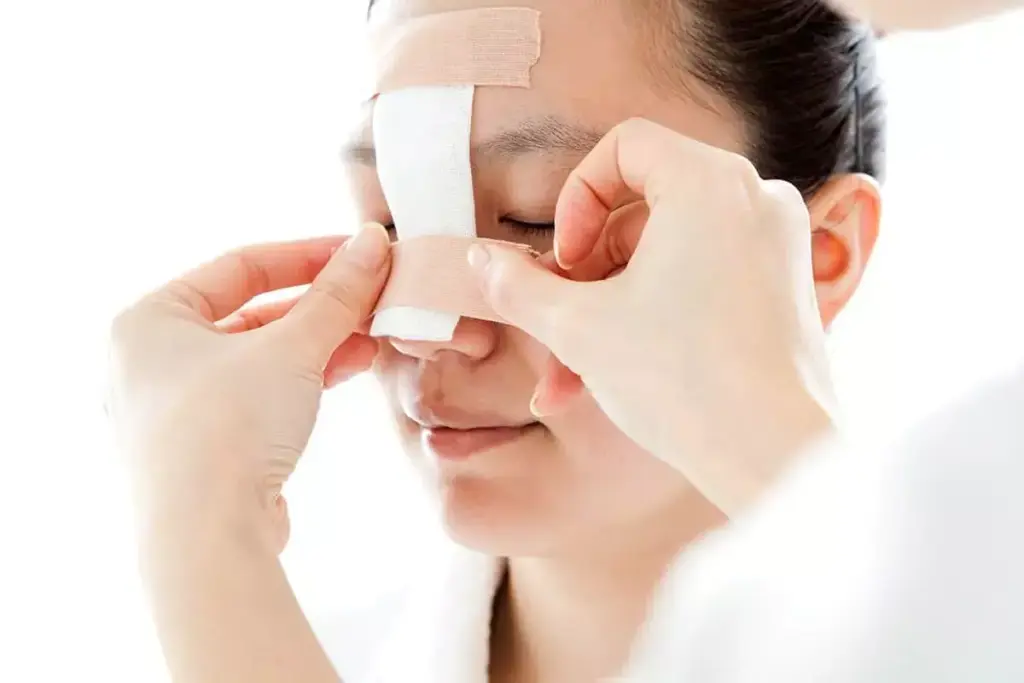
It’s important to know why scabs form inside the nose. This is because it often relates to the balance of nasal moisture and external factors. Nasal scabs can come from many causes. Knowing these causes is the first step to healing and preventing them.
Dry Air and Environmental Factors
Dry air is a main reason for nasal scabs and nosebleeds. In winter or dry places, the air can dry out the nose, causing irritation and scabbing. Maintaining a humid environment can help prevent this.
Other things like pollutants or allergens can also cause nasal scabs. It’s key to know these factors and reduce your exposure to them.
The Kiesselbach Plexus: Why 90% of Nosebleeds Occur Here
The Kiesselbach plexus area in the nose is where most nosebleeds happen. This area is very vascular and prone to bleeding and scabbing. Medical research shows it’s a key area to focus on for nasal scabs.
| Causes of Nasal Scabs | Prevention Methods |
| Dry Air | Use a humidifier |
| Environmental Pollutants | Avoid exposure, use air purifiers |
| Nasal Irritation | Avoid picking, use saline nasal sprays |
Understanding nasal scabs, including the impact of dry air and nasal anatomy, helps us prevent and treat them. Keeping the nose moist and avoiding irritants are important steps to stop nasal scabs from coming back.
The Cycle of Persistent Scabs in Nose
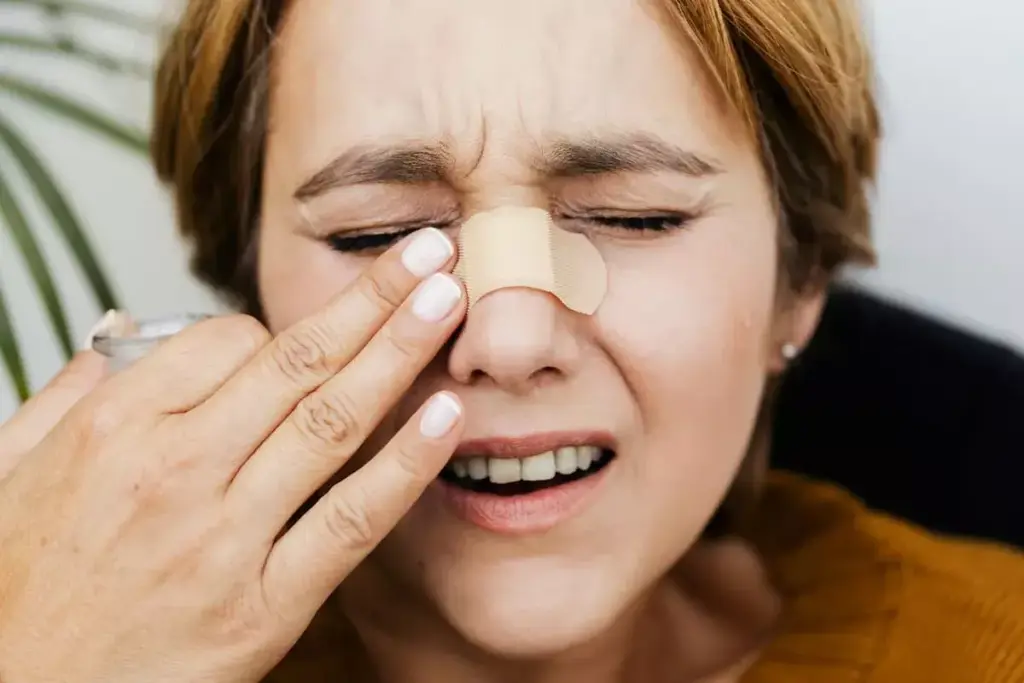
Scabs in the nose can start a cycle that’s hard to break. This cycle involves many factors. If not handled right, it can keep coming back.
How Picking Creates a Recurring Problem
Picking at nasal scabs can start bleeding again. It also slows down healing. It’s important not to pick or irritate the scab to let the nose heal.
Picking can hurt the delicate tissue inside the nose. This leads to more bleeding and another scab. This cycle can go on forever if not stopped.
Bacterial Inflammation and Chronic Irritation
Bacteria under the scab can cause long-term inflammation. This makes the scab bigger and can lead to more bleeding. This inflammation makes healing hard because it’s not good for fixing tissues.
| Factors Contributing to Persistent Nasal Scabs | Description | Impact on Healing |
| Picking or Irritating the Scab | Re-injures nasal tissue, causing further bleeding | Delays healing, perpetuates scab cycle |
| Bacterial Inflammation | Causes chronic irritation under the scab | Enlarges scab, leads to recurrent bleeding |
| Dry Air and Environmental Factors | Dries out nasal mucosa, making it more susceptible to scabbing | Increases likelihood of scab formation |
Knowing what causes these scabs is key to stopping them. By taking good care of our nose and treating infections, we can keep our nose healthy.
Effective Treatment Methods for Healing Nasal Scabs
Healing nasal scabs requires a mix of self-care, home remedies, and sometimes medical help. It’s important to know why the scabs are there and choose the right treatment.
Home Remedies and Self-Care
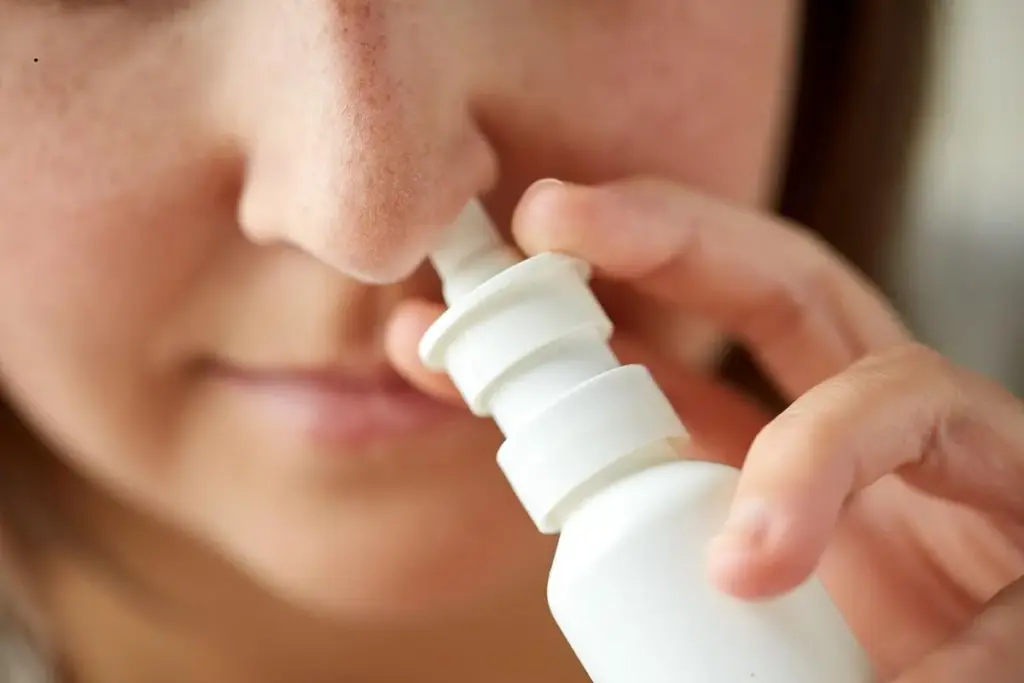
Simple home remedies and self-care can help a lot. Saline nasal sprays and humidifiers keep the nose moist. This helps the scabs heal faster.
Other self-care tips include:
- Avoid picking or blowing your nose too hard
- Use ointments or gels to soothe and protect your nose
- Try a nasal saline rinse to clean out your nose
When to Seek Medical Treatment
Home remedies work for most nasal scabs. But, if they don’t go away or come back, you might need a doctor. Also, if you have heavy bleeding, trouble breathing, or a lot of pain, see a doctor right away.
| Symptom | Possible Cause | Recommended Action |
| Persistent or recurrent nasal scabs | Underlying condition such as allergies, anatomical issues, or chronic irritation | Consult a healthcare provider for further evaluation |
| Heavy bleeding or difficulty breathing | Potential for serious complications or underlying severe condition | Seek immediate medical attention |
| Severe pain or discomfort | Possible infection or significant irritation | Consult a healthcare provider for appropriate treatment |
Dealing with nasal scabs can be tough. Knowing when to use home remedies and when to see a doctor helps manage the problem. This way, you can avoid future issues.
Conclusion: Breaking the Cycle of Recurring Nasal Scabs
Understanding the causes of nasal scabs is key to stopping them from coming back. We’ve looked into why scabs form in the nose and how to treat them. It’s all about dealing with dry air, environmental factors, and the sensitive nasal mucosa.
Our support services help patients worldwide get top-notch healthcare. This care boosts their overall health and wellbeing. By taking action early and getting medical help when needed, you can avoid future nasal scabs and their problems.
We at our institution focus on personalized care for our patients. We aim to improve their nasal health and quality of life. By using what you’ve learned here, you can start healing your nasal scabs and keep your nose healthy for good.
FAQ
What causes scabs in the nose that won’t heal?
Persistent scabs are usually caused by dryness, frequent picking, infections, or underlying skin conditions.
Why do I keep getting scabs in my nose?
Recurring scabs often result from dry nasal passages, irritation, allergies, or repeated trauma.
How can I prevent scabs from forming inside my nose?
Keep nasal passages moist with saline sprays, avoid picking, and use a humidifier.
Are scabs in the nose a sign of an underlying infection?
Sometimes, yes—especially if accompanied by redness, pus, pain, or swelling.
What are some effective home remedies for treating nasal scabs?
Use saline rinses, apply a thin layer of petroleum jelly, and keep the air humidified.
When should I seek medical treatment for scabs in my nose?
Seek help if scabs persist, bleed excessively, or show signs of infection like pus or severe pain.
Can dry air cause scabs inside my nose?
Yes, dry air can dry out nasal mucus, leading to crusts and scabs.
How can I manage recurring scabs in my nostril?
Maintain moisture with saline or gels, avoid nose picking, and treat underlying allergies or irritants.
References
National Center for Biotechnology Information. Evidence-Based Medical Insight. Retrieved from https://pmc.ncbi.nlm.nih.gov/articles/PMC3199822/