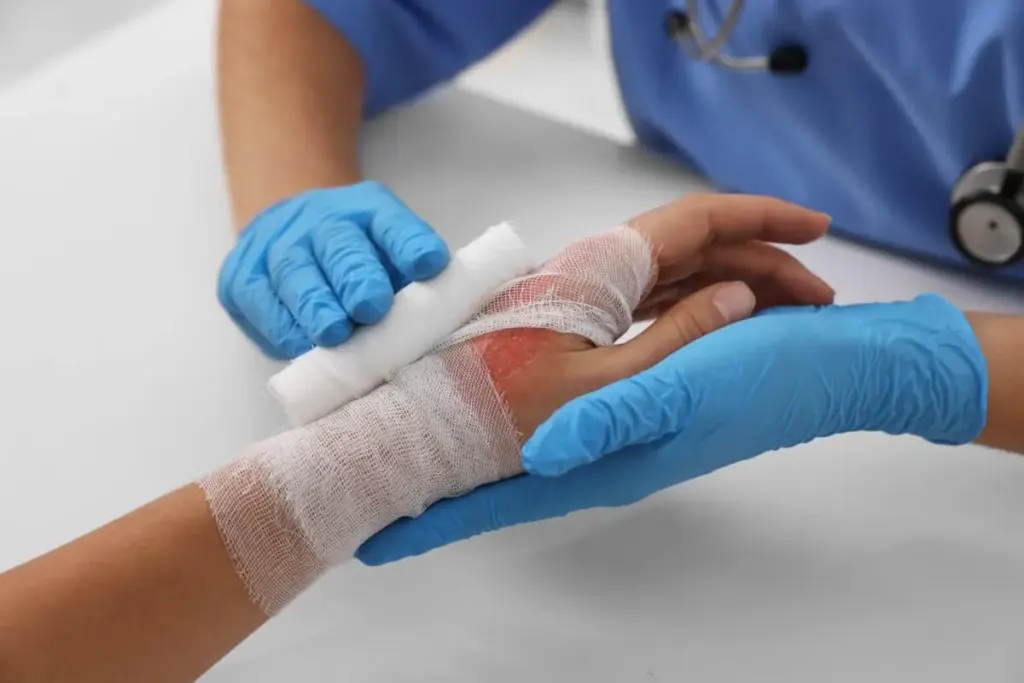
Scars are a natural part of healing, but they can worry many people. They can come from surgery, injuries, or acne. Knowing how to speed up the scar healing process can change lives.
At Liv Hospital, we focus on top-notch care for scar management. Scar healing goes through stages like hemostasis, inflammation, and remodeling. Good scar care can make scars look and feel better.
Dealing with scars can be tough, both physically and emotionally. But, there are proven ways to heal scars fast and well. While scars start to heal in 12 to 18 weeks, they fully mature much later.
Key Takeaways
- Scar healing involves multiple stages: hemostasis, inflammation, proliferation, and remodeling.
- Most scars take 12 to 18 weeks to heal in the initial phases.
- Complete scar maturation can take significantly longer.
- Effective scar management can improve the appearance and texture of scars.
- Liv Hospital offers international standards of excellence in scar management.
Understanding the Scar Healing Process

The journey to heal scars starts with knowing how scars form. To manage and treat scars well, we need to understand their development stages and what affects their healing.
The Four Stages of Scar Formation
Scar healing goes through four main stages: hemostasis, inflammation, proliferation, and remodeling. Hemostasis is the first step where the body stops bleeding by clotting. Then, the inflammatory phase kicks in, with the body’s immune response cleaning the wound.
This phase can last from a week to a month after injury. The scar may look red, swollen, and raised because of increased blood flow and immune cell activity.
The proliferative phase is when collagen is made to strengthen the wound. Scars often thicken and darken during this stage as the body keeps making collagen. Lastly, the remodeling stage is where the scar matures and fades over time. Knowing these stages helps us understand how long it takes for scars to heal.
Factors That Affect Scar Healing
Many things can change how scars heal. These include the injury type and severity, skin type, and overall health. For example, deeper wounds often lead to more noticeable scars. Genetic factors also play a role in scar formation and healing.
Age, nutrition, and sunlight exposure also affect scar healing. Good wound care and nutrition can help a lot. But too much sun can make scars darker. By knowing these factors, we can take steps to improve scar healing and make scars less noticeable.
How Long Do Scars Last: Timeline Expectations

Knowing how long scars take to heal is key. The time it takes can change a lot, based on the wound size, skin type, and health.
The healing process has three main stages. The initial healing phase lasts 1 to 4 weeks. The scar might look red, swollen, and raised. It’s important to take good care of the wound during this time.
Initial Healing Phase (1-4 Weeks)
In the first healing phase, the body works to close the wound. The scar might look red and swollen because of more blood flow. Keeping the wound clean and moisturized is very important. Studies show that good wound care can make the scar look better later on.
Intermediate Healing (1-3 Months)
When the wound starts to close, it moves into the intermediate healing phase. This can last from 1 to 3 months. The scar will start to flatten and get lighter in color. It might stay a bit red and raised, but it should get better. Gently massaging the scar can help it feel smoother.
For more info on scar massage, check out our detailed guide on the healing process for plastic surgery scars.
Long-Term Maturation (6-18 Months)
The last phase is the long-term maturation phase, lasting 6 to 18 months or more. In this phase, the scar keeps getting better. The redness will fade, and the scar will become less noticeable. On average, the redness fades at about 7 months, and the full remodeling phase can take up to 12 months or more.
Knowing these timeline expectations helps you stay patient and keep up with scar treatment. While it’s hard to guess exactly when your scar will heal, knowing the process can help a lot in your journey to better scar healing.
7 Proven Methods to Speed Up Scar Healing
To heal scars quickly, using the right methods is key. We’ve found seven effective ways to help scars heal faster. These include using silicone gel sheets and ointments, practicing good wound care, and trying natural remedies.
Silicone Gel Sheets and Ointments
Silicone gel sheets and ointments are great for scar healing. They keep the scar moist, which can make it look better over time. Keeping the scar hydrated is important for a smoother recovery and less visible scar.
Research shows that silicone gel can make scars thinner and smoother. It’s simple to use and works on many types of scars.
Proper Wound Care and Cleaning
Good wound care is vital in the early stages of healing. Keeping the wound clean helps prevent infection and aids in a healthy recovery. Use gentle cleaning with saline solution.
- Clean the wound daily
- Apply antibiotic ointment to prevent infection
- Cover the wound to protect it from further irritation
Massage Therapy for Scar Tissue
Massage therapy can help break up scar tissue and boost collagen. Gentle massage can make the scar look better and less noticeable.
Massage should be gentle to avoid harming the scar tissue. Wait until the wound is fully healed before starting massage therapy.
Natural Remedies: Aloe Vera and Vitamin E
Natural remedies like aloe vera and vitamin E have anti-inflammatory properties. Aloe vera soothes the skin, while vitamin E promotes skin health.
By adding these seven methods to your scar care routine, you can speed up healing and get better results.
Conclusion: Creating a Personalized Scar Healing Plan
Creating a personalized scar healing plan is key to getting the best results. Knowing your scar type and its healing stage helps you choose the right treatments. This way, you can promote healing effectively.
It’s wise to talk to a dermatologist to find the best treatments for you. A dermatologist can create a plan that fits your scar’s needs and your health.
By using the seven proven methods from this article and adjusting them for your needs, you’re on the right path. Healing scars takes time and effort, so keep up with your care plan.
With the right care, you can make scars less noticeable and get great results. A plan that fits your needs will help you achieve smoother, healthier-looking skin.
FAQ
How long does it take for a scar to heal?
Scar healing times vary. Generally, scars heal in three phases. The first phase lasts 1-4 weeks. The second phase takes 1-3 months. The final phase can last from 6 to 18 months or longer.
What are the stages of scar healing?
Scar healing has four stages. First, hemostasis stops the bleeding. Then, inflammation triggers the immune response. Next, proliferation produces collagen to strengthen the wound. Lastly, remodeling is the final stage where the scar matures and fades.
How can I make my scars heal faster?
To speed up scar healing, use silicone gel sheets and ointments. Practice proper wound care and cleaning. Try massage therapy to break up scar tissue. Use natural remedies like aloe vera and vitamin E for their anti-inflammatory properties.
Will a scar ever completely go away?
Scars may not fully disappear, but they can fade significantly. With proper care and treatment, scars can improve over time. The maturation phase can last from 6 to 18 months or longer.
What helps heal scar tissue?
Treatments like silicone gel sheets and ointments, massage therapy, and natural remedies help heal scar tissue. Proper wound care and cleaning are also key in the initial stages to prevent infection and promote healing.
How can I create a personalized scar healing plan?
To create a personalized plan, consult a dermatologist. They can recommend the best treatments for your scar. Understanding your scar type and stage, and using the right treatments and care, can help heal your scars effectively.
What factors affect scar healing?
Several factors influence scar healing. These include the injury type and severity, skin type, and overall health. Knowing these factors helps manage expectations and tailor your scar care routine.
National Center for Biotechnology Information. Evidence-Based Medical Guidance. Retrieved from
https://www.ncbi.nlm.nih.gov/pmc/articles/PMC8035212/