

Cervical c spine immobilization is key in trauma care, mainly when a cervical injury is thought. At Liv Hospital, we stress the need for accurate methods to avoid more harm.
Manual in-line stabilizationis the top choice for holding the C spine during airway care or when using immobilization tools. This method needs skill and attention to do right.
Our guide offers a detailed look at the basics and best ways for cervical spine immobilization. It helps ensure that healthcare workers have the skills to give the best care.
Key Takeaways
- Understanding the importance of cervical spine immobilization in trauma care.
- Mastering manual in-line stabilization techniques for C spine immobilization.
- The role of precise immobilization in preventing further neurological damage.
- Best practices for effective cervical spine immobilization.
- The significance of proper training in manual in-line stabilization.
Understanding Cervical Spine Injuries
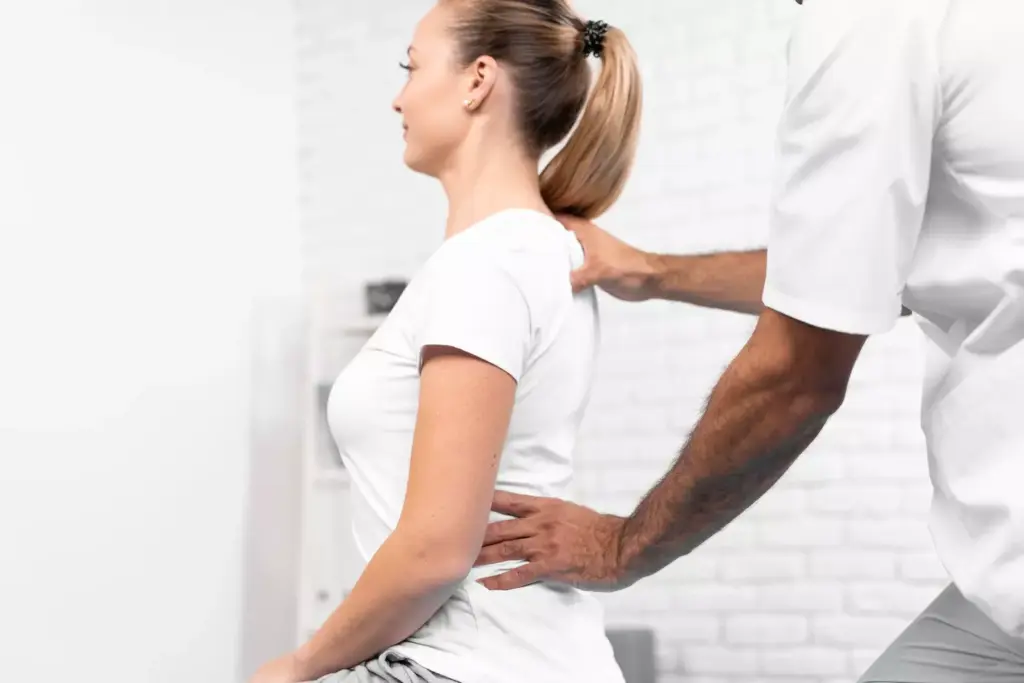
Knowing how to immobilize the cervical spine starts with understanding its anatomy and how injuries happen. The cervical spine is complex and very important. It needs careful handling when injured.
Anatomy of the Cervical Spine
The cervical spine has seven vertebrae (C1-C7) that hold up the head and allow for movement. It’s flexible, but this makes it prone to injury. The cervical spine also protects the spinal cord, which is key to our nervous system.
Key components of the cervical spine include:
- Vertebral bodies and intervertebral discs
- Facet joints and ligaments
- The spinal cord and nerve roots
Mechanisms of Injury
Cervical spine injuries can happen in many ways, such as:
- Falls from heights
- High-speed motor vehicle accidents
- Diving into shallow water
- Sports-related injuries
These incidents can cause fractures, dislocations, or ligament injuries. These can make the cervical spine unstable.
Potential Consequences of Secondary Injury
If the cervical spine isn’t immobilized right, injuries can get worse. This can lead to:
- Spinal cord damage
- Nerve root injury
- Chronic pain and disability
Prompt and effective immobilization is key to avoid these secondary injuries. It helps ensure the best outcomes for patients.
When C-Spine Immobilization Is Necessary
Deciding to immobilize a patient’s cervical spine involves several factors. We must look at the patient’s condition and the injury mechanism. This helps us decide if C-spine immobilization is needed.
High-Risk Mechanisms of Injury
Certain injuries increase the risk of cervical spine damage. These include:
- Motor vehicle collisions at high speeds or with significant deformation
- Falls from heights, specially in older adults
- Sports injuries, mainly those involving contact or high-impact landings
- Divings into shallow water
If a patient has been in one of these high-risk situations, we should immobilize their cervical spine. This is until we can do a thorough assessment.
Clinical Indicators for Immobilization
There are several signs that suggest the need for C-spine immobilization. These include:
- Altered mental status or intoxication, making assessment difficult
- Neck pain or tenderness
- Neurological deficits, such as numbness, tingling, or weakness in the extremities
- Other distracting injuries that may mask cervical spine pain
Patients with these signs need careful evaluation and likely immobilization. This is to prevent secondary injury.
Spinal Assessment Protocols
Effective spinal assessment protocols are key in deciding on immobilization. We use guidelines like the NEXUS criteria or the Canadian C-Spine Rule. These protocols combine clinical evaluation and, when needed, imaging studies to clear the cervical spine.
The following table summarizes key aspects of spinal assessment protocols:
| Assessment Criteria | Description | Immobilization Decision |
|---|---|---|
| NEXUS Criteria | Evaluates patients based on absence of tenderness, neurological deficit, altered mental status, intoxication, and distracting injuries | Immobilize if any criterion is positive |
| Canadian C-Spine Rule | Assesses high-risk factors, low-risk factors, and ability to rotate neck | Immobilize based on high-risk factors or inability to rotate neck |
By using these protocols, we can systematically decide when C-spine immobilization is needed. This ensures patients get the right care while avoiding unnecessary interventions.
Principles of Manual In-line Stabilization (MILS)
Keeping the cervical spine stable is key, and Manual In-line Stabilization (MILS) is vital for this. MILS keeps the head and neck in a neutral position. This reduces movement that could harm the spinal cord.
Definition and Purpose
Manual In-line Stabilization is a way to keep the head, neck, and body aligned during medical procedures or transfers. Its main goal is to prevent spinal cord injuries by limiting cervical spine movement.
“The goal is to keep the spine in a neutral position, reducing injury risk.” This is done by manual support and stabilization. It ensures the patient’s head, neck, and torso are aligned and supported during the procedure.
Evidence-Based Benefits
Research proves MILS is effective in reducing cervical spine movement during intubation and airway management. The benefits include:
- Reduced risk of secondary spinal cord injury
- Improved stabilization during patient transfers
- Enhanced safety during airway management
Studies show MILS can greatly reduce cervical spine movement. This minimizes the risk of further injury.
Limitations and Considerations
While MILS is valuable, it has its limits. These include the need for proper training and the risk of fatigue. Maintaining stabilization during procedures can also be challenging.
Healthcare providers must be aware of these limitations. They should take steps to address them, like regular training and using mechanical immobilization devices when needed.
Proper Techniques for Holding Spine During Immobilization
Understanding how to hold the spine right is key to safe immobilization. Doing it correctly lowers the chance of more harm. It’s all about using the right techniques for spine stabilization.
Biomechanics of Effective Stabilization
To stabilize the cervical spine well, we keep its natural curve. We do this by knowing how the spine works and using methods that support its shape. Our goal is to stop any extra movement and avoid more injuries.
Research shows that using our hands to stabilize can really cut down on spine movement. Using the right hand placement and a firm but gentle grip is key to doing it right.
Neutral Alignment Principles
Keeping the spine in a neutral position is vital for safety. We check the patient’s spine alignment and adjust it to keep it neutral. This helps prevent more harm.
“The principle of neutral alignment is fundamental to spinal immobilization, as it minimizes the risk of exacerbating existing injuries.”
Force Distribution Considerations
When we hold the spine, we must think about how we apply pressure. We want to use enough force to keep it steady but not too much. The pressure should be spread out evenly to avoid causing pain or injury.
| Technique | Description | Benefits |
|---|---|---|
| Manual In-line Stabilization | Hands placed on either side of the head, supporting the cervical spine | Reduces cervical spine motion, minimizes risk of secondary injury |
| Neutral Alignment | Maintaining the natural curvature of the cervical spine | Prevents further injury, promotes comfort |
| Even Force Distribution | Gentle yet firm grip, avoiding focal points of pressure | Enhances patient comfort, reduces risk of injury |
By following these guidelines, we can make sure our patients get the best care. This means their spine is safe and they’re comfortable.
Positioning for Effective Manual In-line Stabilization
Getting the right position is key for manual in-line stabilization. When we immobilize a patient’s neck, how we stand and the patient lies is very important. It helps keep everything aligned and prevents more harm.
Provider Positioning
Where the provider stands is very important. They should stand or kneel next to the patient. This makes it easier to support the patient’s head and neck without hurting their back.
Proper hand placement is also essential. Hands should support the patient’s head and neck in a neutral position. For more tips on how to do this, check out EMS1’s article on cervical stabilization.
Patient Positioning
How the patient is positioned is also very important. They should lie on a firm, flat surface. Their head and neck should be in a neutral position, avoiding any bending or twisting.
Neutral alignment is important to prevent more harm to the neck.
- Make sure the patient’s shoulders are relaxed and not raised.
- Keep the patient’s head in a neutral position, avoiding tilting or turning.
- Use padding or support if needed to keep the neutral position.
Ergonomics for Extended Immobilization
Ergonomics are very important when we need to keep someone stable for a long time. Providers should pay attention to their own body position to avoid getting tired or strained. Adjusting how they stand or using support can help stay comfortable longer.
“Ergonomic considerations are not just about provider comfort; they directly impact the quality of care provided to the patient.” – Expert in Emergency Medical Services
By focusing on the right positions for both providers and patients, and on ergonomics, we can do effective manual in-line stabilization. This approach helps reduce the risk of injury and supports the patient’s care.
Step-by-Step Guide to Manual C-Spine Immobilization
Learning the right way to immobilize the C-spine is key to avoiding more harm in patients with neck injuries. We’ll show you how to do it right.
Initial Approach and Assessment
When you first see a patient needing C-spine immobilization, act fast and right. Check if they’re awake, breathing, and if their heart is beating. Manual stabilization starts right away to stop the neck from moving.
Look for any signs of injury on the patient’s body. Also, think about how they got hurt to guess how bad the spine injury might be.
Hand Placement Techniques
Where you put your hands is very important for C-spine immobilization. Place your hands on both sides of the patient’s head. Spread your fingers to support the back of the head, and your thumbs should be pointing towards their feet. This way, you can optimal control and keep the head and neck steady.
Hold firmly but gently, without pressing on their ears or neck. Your hands should keep the head, neck, and body straight.
Maintaining Consistent Support
After you’ve placed your hands, keeping the support steady is key. Make sure the patient’s head and neck stay straight. Avoid bending, straightening, or turning their head. Keep watching and adjusting as needed to keep everything right.
When moving the patient or treating them further, talk clearly with everyone involved. Be ready to change your method if the situation changes or the patient’s needs shift.
By sticking to these steps and staying alert, healthcare workers can do a great job of immobilizing the C-spine. This helps a lot in keeping patients with neck injuries safe from more harm.
Team Coordination During C-Spine Immobilization
Effective team coordination is key during C-spine immobilization. It ensures patient safety and prevents injury. Clear communication and defined roles are vital for success.
Communication Protocols
Clear communication is the heart of team coordination in C-spine immobilization. We use set communication protocols. This makes sure everyone knows their role and what to do.
- Clear designation of the team leader
- Standardized commands and responses
- Closed-loop communication to confirm understanding
Role Assignments
Assigning roles is important to avoid confusion. We give each team member a specific role based on their skills and the patient’s needs. Roles include:
| Role | Responsibilities |
|---|---|
| Team Leader | Coordinates the immobilization process, ensures clear communication, and makes key decisions. |
| Primary Stabilizer | Maintains manual in-line stabilization of the patient’s head and neck. |
| Secondary Stabilizers | Assist in stabilizing the patient’s body and securing immobilization devices. |
Handoff Procedures
Handoff procedures are critical when transferring patient care. This happens during transport or when shifts change. Our handoff process includes:
- Verbal report of the patient’s condition and any interventions performed
- Review of immobilization status and any adjustments made
- Confirmation of the receiving team’s understanding of the patient’s care plan
By using these strategies, we ensure smooth team coordination during C-spine immobilization. This improves patient safety and outcomes.
Transitioning from Manual to Mechanical Immobilization
Switching from manual to mechanical spinal immobilization is key. It keeps patients stable and safe during transport or treatment.
Collar Application While Maintaining Stabilization
Putting on a cervical collar is a big step in mechanical immobilization. We need to make sure the collar fits right and keep the patient stable. This stops any injury from getting worse.
Proper Collar Sizing: The collar must match the patient’s neck size. The wrong size can cause poor immobilization or discomfort.
Log Roll and Backboard Techniques
The log roll method helps move the patient to a backboard while keeping their spine straight. It takes teamwork to keep the spine stable during this move.
- Team Coordination: Everyone must work together and communicate well to roll the patient safely.
- Maintaining Alignment: Keeping the patient’s head, neck, and body aligned is very important during the log roll.
Securing the Patient for Transport
After the patient is on the backboard, they need to be secured for safe transport. This means using straps and other devices to keep them from moving.
Securing Techniques: The straps should be tightened in a specific order for even immobilization and comfort. It’s important to check on the patient often during transport.
By following these steps, we can make sure patients with spinal injuries get the best care. This includes a safe transition from manual to mechanical immobilization.
Managing Airway Interventions While Holding Spine
Managing airways during C-spine immobilization is complex. It requires understanding both the challenges and the techniques. We need to ensure good ventilation while keeping the spine stable.
Challenges During Intubation
Intubation in patients with cervical spine immobilization is tough. The main issue is keeping the spine stable while managing the airway. Manual in-line stabilization (MILS) is key during this process.
The challenges include:
- Difficulty in visualizing the airway due to limited neck mobility
- Increased risk of cervical spine movement during intubation attempts
- Potential for increased intracranial pressure during laryngoscopy
Modified Techniques for Airway Management
To tackle these challenges, we use modified airway management techniques. These include:
- Using video laryngoscopy to improve airway visualization
- Employing flexible bronchoscopic intubation in difficult airways
- Utilizing supraglottic airway devices when appropriate
Comparing these techniques helps us choose the best approach for each situation.
| Technique | Advantages | Limitations |
|---|---|---|
| Video Laryngoscopy | Improved airway visualization, reduced cervical spine movement | Requires specific training, equipment availability |
| Flexible Bronchoscopic Intubation | Useful in difficult airways, minimal cervical spine movement | Requires expertise, can be time-consuming |
| Supraglottic Airway Devices | Rapid insertion, less invasive | Limited protection against aspiration, may not provide secure airway |
Balancing Airway Priority with Spine Protection
It’s important to balance airway management with spine protection. We must make sure airway interventions don’t harm the spine.
Key considerations include:
- Continuous manual in-line stabilization during airway management
- Careful selection of airway management techniques based on patient factors
- Ongoing assessment of both airway status and spinal stability
By understanding the challenges and using modified techniques, we can manage airways while keeping the spine stable. This ensures the best outcomes for our patients.
Special Situations and Adaptations
C-spine immobilization isn’t a one-size-fits-all procedure. Special populations need tailored approaches. Healthcare providers must adapt their techniques to ensure effective immobilization while keeping patients safe and comfortable.
Pediatric Considerations
Children pose a unique challenge in C-spine immobilization. They are smaller and their anatomy is developing. Pediatric patients require appropriately sized equipment, like cervical collars and backboards, for proper immobilization. The technique also needs to account for their relatively larger head size compared to adults.
Effective immobilization in pediatric patients involves gentle yet firm stabilization. It’s important to avoid causing unnecessary distress or discomfort. Sedation may be considered in combative or severely injured children, weighing the benefits against the risks.
Geriatric Patients
Geriatric patients face additional challenges due to age-related changes. Pre-existing spinal deformities may complicate immobilization. Adjustments to the technique are needed to achieve optimal stabilization without causing undue discomfort or risk of further injury.
In older adults, it’s important to be mindful of the risk of osteoporotic fractures. Handling the patient with care is essential to avoid causing additional harm during immobilization.
Patients with Pre-existing Conditions
Patients with pre-existing spinal conditions, such as ankylosing spondylitis or previous spinal fusions, require special consideration. The presence of hardware or significant deformity may necessitate modifications to the immobilization technique to accommodate these conditions effectively.
Combative or Uncooperative Patients
Managing combative or uncooperative patients during C-spine immobilization can be challenging. Effective communication and de-escalation techniques are key in these situations to minimize the risk of further injury to both the patient and healthcare providers.
In some cases, chemical restraint may be necessary to facilitate safe immobilization. This should be considered a last resort after other strategies have been exhausted.
Conclusion
Keeping the c spine stable is key in trauma care to avoid more harm. We’ve shown how manual in-line stabilization is vital for this. Knowing how to immobilize the cervical spine helps healthcare teams give patients the best care.
Manual in-line stabilization is a big part of keeping the c spine stable. It needs careful hand placement and steady support to keep the spine straight. We talked about how teamwork, correct positioning, and adjusting for different patients are all important.
Using these best practices every day can make patient care better and lower the chance of more injuries. As we keep improving in trauma care, keeping the spine properly immobilized will always be a main part of good treatment.
What is manual in-line stabilization (MILS) and why is it important in trauma care?
Manual in-line stabilization is a method to keep the cervical spine stable during trauma care. It helps prevent injury to the spinal cord. It’s very important when there’s a chance of spinal injury.
How do I properly hold the C spine during immobilization?
To hold the C spine right, use manual in-line stabilization. Keep the head and neck straight. Hold the patient’s head with both hands, thumbs on the mastoid processes, and fingers on the occipital region.
What are the key principles of effective C spine immobilization?
Key principles include keeping the spine straight, spreading forces evenly, and providing consistent support. It’s also important to position both the provider and patient correctly.
When is C spine immobilization necessary?
You need to immobilize the C spine in high-risk injury situations. This includes falls, car accidents, or sports injuries. Also, if the patient has neck pain or neurological issues.
How do I transition from manual to mechanical immobilization?
First, apply a cervical collar while keeping the spine stable. Then, use log roll and backboard techniques to secure the patient. Make sure the patient is safely secured for transport.
What are the challenges of managing airway interventions while maintaining spine immobilization?
It’s hard to manage airways and protect the spine at the same time. Using a video laryngoscope can help with intubation while keeping the spine stable.
Are there special considerations for different patient populations?
Yes, different groups like kids, seniors, or those with health issues need special care. For example, kids might need smaller equipment and different techniques.
What is the importance of team coordination during C spine immobilization?
Teamwork is key for safe C spine immobilization. It involves clear communication, defined roles, and proper handoffs. This ensures the patient’s safety and prevents injury.
How can I maintain ergonomic considerations during extended immobilization?
To stay ergonomic, make sure providers are comfortable and take breaks to avoid fatigue. Proper patient positioning also helps reduce provider strain.
What are the evidence-based benefits of manual in-line stabilization?
MILS reduces spinal cord injury risk, improves patient outcomes, and makes transport safer. It’s a proven method in trauma care.
References
- Society for Academic Emergency Medicine. (n.d.). Spinal immobilization. Retrieved from https://www.saem.org/about-saem/academies-interest-groups-affiliates2/cdem/for-students/online-education/m3-curriculum/group-traumatic-and-orthopedic-injuries/spinal-immobilization Default