
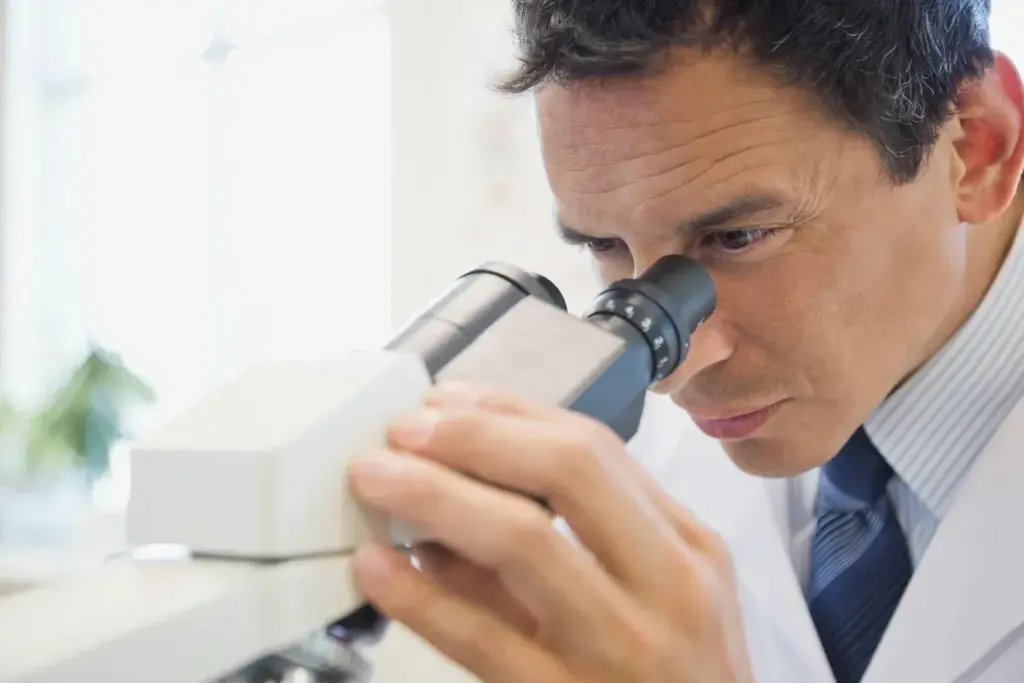
In modern medicine, we face the vital task of extracting specific units from complex tissues. This process directly supports the success of groundbreaking treatments like CAR-T therapies. As we look toward 2025 and 2026, the precision of these techniques ensures that every patient receives the best care.
Revolutionize your Isolate Cells with cutting-edge techniques like fluorescence-activated sorting, magnetic-activated separation, and microfluidics platforms. Achieve unparalleled purity and yield.
Our team uses the latest cell isolation methods to achieve high results in medicine. By integrating AI-driven protocols, we simplify complex workflows for researchers. We believe that clarity in sorting methods is essential for scientific growth and patient safety.
Selecting a specific cell for therapy remains a critical step in modern labs. Advanced isolation technology improves both the yields and the purity of samples. This guide also touches on diagnostic precision, similar to learning how to interpret semen analysis in a clinical setting.
Just as experts check emen analysis normal values, researchers must validate their findings carefully. We also provide insights into perm analysis interpretation to support a comprehensive understanding of health. Our goal is to empower you with the right knowledge for your specific laboratory needs.
Key Takeaways
- Precision in extracting biological units is vital for the success of CAR-T cell treatments.
- The integration of AI-driven protocols is revolutionizing modern laboratory workflows in 2025.
- Choosing the correct technique ensures high integrity and purity in regenerative medicine.
- Latest advancements focus on improving both efficiency and patient outcomes globally.
- Validating diagnostic data is as critical as mastering the technical sorting process.
- Empowering healthcare professionals with updated knowledge drives medical innovation.
Understanding Cell Isolation Methods in Modern Research
Cell isolation methods have changed a lot in recent years. This is thanks to new technology and our better understanding of cells. Researchers are always looking for better ways to isolate cells for many uses, from studying cells to making new treatments.
New technologies like AI and automation have changed the game. For example, using automation in making plasmids has made things faster and more consistent. This helps a lot in cell isolation work.
Evolution of Cell Isolation Techniques Through 2025-2026
Recently, we’ve seen a big move towards better cell isolation methods. Techniques like FACS and MACS are now more precise. This means we can get cells that are purer and healthier.
AI has also made a big difference in cell isolation. AI can adjust to the cells being isolated in real-time. This makes the process more efficient and accurate. It’s very important for things like making new medicines and treatments.
Primary Cell Isolation Methods and Their Applications
There are many ways to isolate cells, each with its own benefits and uses.
- Fluorescence-Activated Cell Sorting (FACS): This method uses fluorescent markers to sort cells. It’s very precise and used a lot in research and medicine.
- Magnetic-Activated Cell Sorting (MACS): MACS uses magnetic beads to separate cells. It’s simple and works well for getting specific cells.
- Microfluidics Platforms: These use tiny channels to isolate cells. They’re great for working with small samples and can be used with other methods.
These methods are used in many ways, like making medicines and fixing damaged tissues. They’re very important for these tasks.
It’s key to know what each method can do best. As we keep learning, we’ll see even better ways to isolate cells. This will help us do more precise and useful research.
Step-by-Step Cell Isolation Process

To understand how cells work, we need to isolate them. This process is key in modern science. It lets us study different cell types and their roles in health and sickness.
Step 1: Preparing Your Sample and Laboratory Environment
First, we prepare our sample and make sure the lab is clean. Sterility is key to avoid contamination. This keeps our sample safe and helps us succeed.
We get ready all the tools and materials we need. We make sure everything is clean and labeled right. The lab must be controlled for temperature, humidity, and air flow to keep it clean.
Step 2: Selecting the Appropriate Isolation Method for Your Application
Choosing the right method to isolate cells is important. There are many techniques, like FACS, MACS, and micromanipulation. Each one is best for different needs.
| Method | Description | Application |
| FACS | Uses fluorescent markers to sort cells based on specific characteristics. | Ideal for isolating cells with distinct surface markers. |
| MACS | Employs magnetic beads attached to antibodies to isolate cells. | Effective for isolating cells based on specific surface antigens. |
| Micromanipulation | Involves the manual selection and isolation of individual cells under a microscope. | Useful for isolating rare or specific cell types. |
Step 3: Implementing AI-Driven Isolation Protocols
Using AI in cell isolation is a big step forward. It makes the process more precise and efficient. AI helps pick the best method based on the cells we want to study.
AI-driven protocols improve the quality and speed of cell isolation. But, we must test them to make sure they work well.
Step 4: Executing the Isolation Procedure
Now, we start the isolation process. We follow the chosen method, like FACS or MACS. This step is very important.
Important things to do include keeping everything clean, handling cells gently, and avoiding stress. This helps keep the cells alive and healthy.
Conclusion
Cell isolation is key in many fields, like eminal fluid analysis and emen analysis. Choosing the right method is essential for getting accurate results. This is true for tests like sperm analysis.
We’ve shown you how to isolate cells well. It’s important to pick the best method for your needs. This could be for research or for clinical tests like eminal fluid analysis reports.
Keeping up with new cell isolation methods is important. It helps researchers and healthcare workers get the best results. This shows our dedication to top-notch healthcare and support for patients worldwide.
FAQ
What are the current normal sperm analysis values used in modern clinical isolation?
Modern semen analysis reference ranges are based on standardized guidelines that evaluate parameters such as volume, sperm concentration, motility, and morphology, with normal values defined by large population studies and laboratory standards.
How do we interpret clusters in semanalysis of a sterile person during the isolation process?
Sperm clustering (aggregation) observed under the microscope may suggest the presence of antibodies, infection, or other factors affecting sperm function, and it requires clinical correlation rather than being interpreted alone.
What is the difference between a standard semen analysis and an advanced spermogram?
A standard semen analysis measures basic parameters like count, motility, and morphology, while an advanced spermogram may include additional assessments such as DNA fragmentation, sperm vitality, and other functional or molecular markers.
How to interpret semen analysis reports for international patients?
Interpretation should always consider the laboratory’s reference ranges, as values may vary by region; results are compared against standardized benchmarks while also taking into account clinical history and individual context.
What role does AI play in determining semen analysis normal values and cell purity?
Artificial intelligence can assist in automating sperm detection, classification, and pattern recognition, improving consistency and accuracy in analysis, but it does not replace clinical judgment or established reference standards.
Why is sterility emphasized during the seminal fluid analysis procedure?
Sterility is important to prevent contamination of the sample, which could interfere with accurate measurement of sperm parameters and lead to misleading results.
References
National Center for Biotechnology Information. Evidence-Based Medical Insight. Retrieved from https://pubmed.ncbi.nlm.nih.gov/41124154/



 Departments
 Related Videos
 Our Doctors
 News
News