



Early pregnancy loss can bring many questions and emotions. Many expectant parents wonder, how do you know if you had a miscarriage. These events affect 10% to 25% of pregnancies.
Knowing the physical signs is key for your health and peace of mind. You might ask, how can u tell if u had a miscarriage when symptoms are unclear? Small changes can lead to quick medical care and warm support from our expert team.
Our staff offers clear answers on ow do doctors know if you had a miscarriage through tests and tools. We believe is miscarriage awareness is vital for those planning a family. We’re here to guide you with wisdom and care during tough times.
Key Takeaways
- Early pregnancy loss occurs in approximately 10% to 25% of all recognized pregnancies.
- Common indicators include vaginal bleeding, abdominal cramping, and a sudden loss of nausea.
- Medical experts confirm the condition using pelvic exams, ultrasounds, and HCG blood tests.
- Some individuals experience a silent loss without any outward physical symptoms or pain.
- Seeking prompt medical evaluation is necessary to ensure your physical safety and recovery.
- Accessing professional emotional support is a vital step in the healing journey for families.
Understanding Miscarriage: Definition and Prevalence
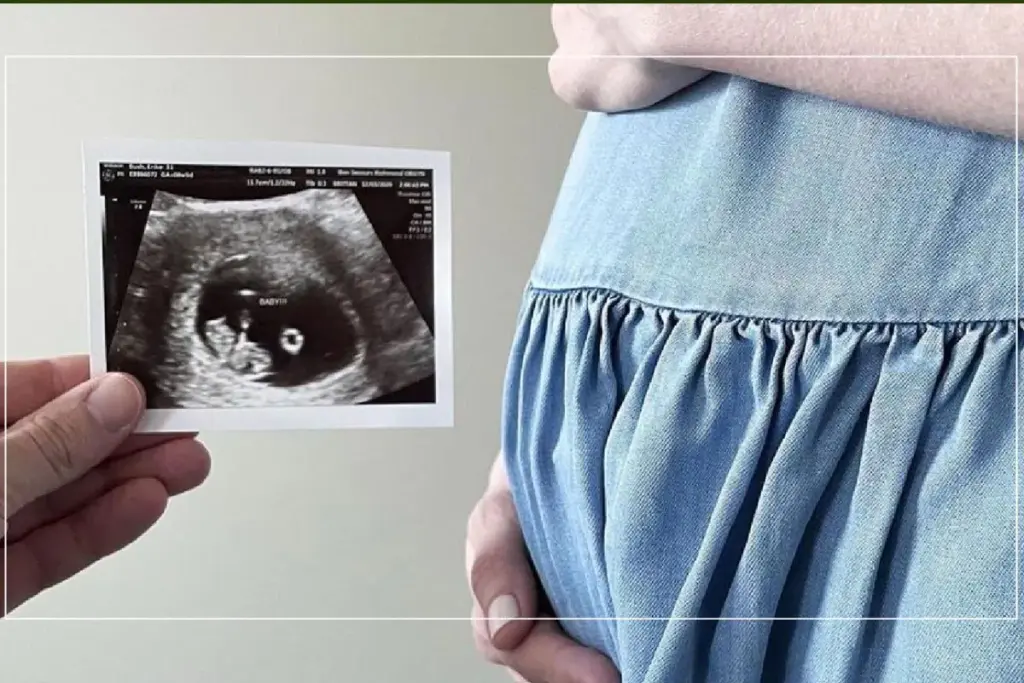
Miscarriage is a common issue in pregnancy. Knowing what it is and how often it happens can ease worries. We’ll look into what counts as a miscarriage and its frequency.
What Qualifies as a Miscarriage
A miscarriage is when a pregnancy ends before the 20th week. It’s also known as “spontaneous abortion.” It’s a medical issue that can happen for many reasons. These include genetic problems, hormonal issues, or issues with the uterus or cervix.
Miscarriage Types: There are several types of miscarriage:
- Threatened miscarriage: Vaginal bleeding occurs, but the cervix remains closed.
- Inevitable miscarriage: Bleeding and cramping happen, and the cervix opens.
- Complete miscarriage: All pregnancy tissue is expelled.
- Incomplete miscarriage: Some pregnancy tissue remains in the uterus.
- Missed miscarriage: The fetus dies but remains in the uterus.
How Common Are Miscarriages
Miscarriages are more common than many think. Up to 25% of pregnancies end in miscarriage. This shows why understanding miscarriage is key.
| Gestation Period | Miscarriage Rate |
| Before 13 weeks | 80% of miscarriages occur |
| Between 13-19 weeks | Less common, but significant |
| After 20 weeks | Not considered a miscarriage; termed as a stilbirth |
Knowing about miscarriage can help parents-to-be during their pregnancy. While it’s upsetting, understanding it can offer comfort and clarity.
Primary Signs and Symptoms of Miscarriage
It’s important for women to know the signs of miscarriage to get help quickly. Miscarriage, or spontaneous abortion, can show up in different ways. Some women will notice symptoms, while others might not until a doctor’s visit.

Vaginal Bleeding and Spotting
Vaginal bleeding is a common sign of miscarriage. Up to 25% of women experience some bleeding in early pregnancy, but not all bleeding means miscarriage. Spotting, which is lighter, can also be a sign. The amount and intensity of bleeding can vary greatly.
“Bleeding in early pregnancy can be scary, but it’s not always a miscarriage,” says Dr. [Last Name], an obstetrician. “But any bleeding during pregnancy should be told to a healthcare provider.”
Cramping and Abdominal Pain
Cramping and abdominal pain are also common symptoms of miscarriage. These cramps can be mild or severe and feel like menstrual cramps. The pain can be constant or come and go, sometimes with back pain. Cramping alone doesn’t always mean miscarriage, as many women have cramps without losing their pregnancy.
Additional Warning Signs
There are other signs that might mean a miscarriage is happening. These include:
- A sudden drop in pregnancy symptoms like nausea or breast tenderness
- Passing tissue or clot-like material from the vagina
- A persistent low fever
- Severe abdominal pain
Having one or more of these symptoms doesn’t mean for sure you’re having a miscarriage. But, it’s key to call a healthcare provider if you notice them. A doctor can check and help as needed.
Medical Diagnosis and Confirmation Methods
When a miscarriage is suspected, doctors use several methods to confirm it. These methods help determine if a miscarriage has happened and what type it is. They also guide the next steps in care.
Physical Pelvic Examination
A physical pelvic exam is often the first step. During this exam, a doctor checks for any signs of trouble. They look for cervical dilation or tissue in the cervical canal. This can give clues about the pregnancy’s status.
Ultrasound Assessment
Ultrasound is a key tool in diagnosing miscarriage. It lets doctors see the embryo or fetus and check if it’s alive. There are two types of ultrasound: transvaginal and transabdominal. Transvaginal ultrasound gives a closer look in the early stages.
Doctors look for certain signs on ultrasound to diagnose miscarriage. These include no heartbeat when the embryo is big enough, or an empty gestational sac when an embryo should be seen.
Silent Miscarriages Without Symptoms
Sometimes, a miscarriage happens without symptoms, known as a silent or missed miscarriage. Doctors usually find these during an ultrasound. They look for no heartbeat or an empty or irregular gestational sac.
The following table summarizes the key diagnostic methods for miscarriage:
| Diagnostic Method | Description | Key Findings Indicating Miscarriage |
| Physical Pelvic Examination | Initial assessment to check for cervical dilation or tissue in the cervical canal. | Cervical dilation, presence of tissue |
| Ultrasound Assessment | Visualization of the embryo or fetus to assess viability. | Absence of embryonic cardiac activity, empty gestational sac |
| Blood Tests (sometimes used) | Measurement of hormone levels, such as hCG. | Abnormal hormone levels |
Conclusion
Knowing the signs of miscarriage is key for pregnant women. We talked about the main signs like vaginal bleeding and cramping. We also covered how doctors use ultrasound to diagnose it.
Dealing with a miscarriage is tough, both in body and mind. It’s important to remember that many women who miscarry go on to have healthy babies. Getting support is a big step towards healing.
There are many ways to get help after a miscarriage. This includes counseling and joining support groups. Learning about miscarriage helps people get through this hard time.
We urge those who have lost a pregnancy to seek help. With the right support, healing is possible. There are many resources out there to offer emotional and medical help.
FAQ
W hat is miscarrige and how is it medically defined?
Miscarriage is when a pregnancy ends on its own before the 20th week. It happens when the body naturally gets rid of a non-viable embryo or fetus. This often happens because of genetic problems during conception.
Ow do u know if you are having a miscarriage in the early stages?
Look for signs like heavy bleeding, passing tissue or clots, and severe cramps. But, the only sure way to know is through a doctor’s check-up and ultrasound.
I s spotting sign of miscarriage or is it normal?
Spotting in early pregnancy is common but can also mean a miscarriage. If you notice bleeding, call your doctor to check if it’s okay.
Ow do doctors know if you had a miscarriage during a check-up?
Doctors use a pelvic exam, blood tests, and ultrasound to confirm a miscarriage. These tests check the cervix, hCG levels, and look for a fetal heartbeat.
Ow can u tell if u had a miscarriage if you didn’t have heavy bleeding?
Without heavy bleeding, you might not know you had a miscarriage. Look for a drop in pregnancy symptoms. A doctor can confirm with an ultrasound.
Ow can miscarriage happen without an obvious cause?
Miscarriages often happen due to random genetic problems in the embryo. These issues aren’t caused by anything the mother did or didn’t do.
Ow do u know if u had a miscarriage at home?
If you have cramps and pass tissue, it might be a miscarriage. Even if symptoms seem to stop, see a doctor to check for any remaining tissue.
Ow to know if u had a miscarriage if you have a “silent” loss?
Silent miscarriages have no symptoms. The only way to know is through routine prenatal care and ultrasounds at a medical facility.
Ow you know if you are having a miscarriage or just a heavy period?
It’s hard to tell early on. Miscarriages usually have more pain and bleeding with visible clots. A pregnancy test or blood test can help figure it out.
Ow you know if you had a miscarriage after the bleeding stops?
To be sure, we do follow-up ultrasounds or track hCG levels until they drop to zero. This confirms the miscarriage is complete and your body is healing.
References
https://www.healthline.com/health/bacterial-vaginosis-men


 Departments
 Related Videos
 Our Doctors
 News
News


