
Many adult men live with autism without knowing it. They might realize they’re neurodivergent later in life. It’s key to understand the signs of autism to find clarity and support.
Studies show about 2.2% of adults in the U.S. have autism. Men are more likely to get diagnosed than women. Liv Hospital provides detailed, patient-focused evaluations. They respect your unique experiences.
It’s vital to know the autistic symptoms in adult men. This helps in getting the right help and support. By understanding autism spectrum disorder, we can help those who might not have been diagnosed yet.
Key Takeaways
- Approximately 2.2% of adults in the United States are autistic.
- Men are diagnosed with autism at higher rates than women.
- Understanding the signs of autism is key for diagnosis and support.
- Liv Hospital offers detailed, patient-focused evaluations for autism diagnosis.
- Knowing autism symptoms in adult men is important for getting the right support.
Understanding Autism in Adult Men

Recognizing autism in adult men means knowing its many signs and why it’s hard to diagnose. Autism Spectrum Disorder (ASD) is a complex condition. It affects how people interact, communicate, and behave.
Prevalence and Statistics
About 2.2% of adults in the U.S. have autism, with men more likely to be diagnosed. Boys are four times more likely to be diagnosed than girls. This shows both higher rates and possible bias in diagnosis.
Autism exists on a wide spectrum, with varying symptoms and severity. Cultural and gender norms can shape what’s seen as normal behavior. This can impact how autism is viewed and diagnosed.
Different Autism Severity Levels
Autism is divided into levels based on support needs. Level 1 autism symptoms in adults need less support. These individuals can communicate and manage daily life with some help. Yet, they may face challenges in social interactions and show restricted behaviors.
Knowing the list of autistic traits in adult men is key for diagnosis and support. Traits include social communication issues, sensory sensitivities, and restricted interests.
Why Adult Men Often Receive Late Diagnoses
Adult men often get autism diagnoses late. This is because they might hide their autistic traits. This makes it hard for doctors to spot autism accurately. For more on signs of autism in adult men, visit Medical News Today.
Diagnostic bias and a focus on children have also delayed adult diagnoses. We’re learning that autism affects people of all ages. It’s a lifelong condition that needs understanding and support at every stage.
Common Signs and Symptoms of Autism in Adult Men
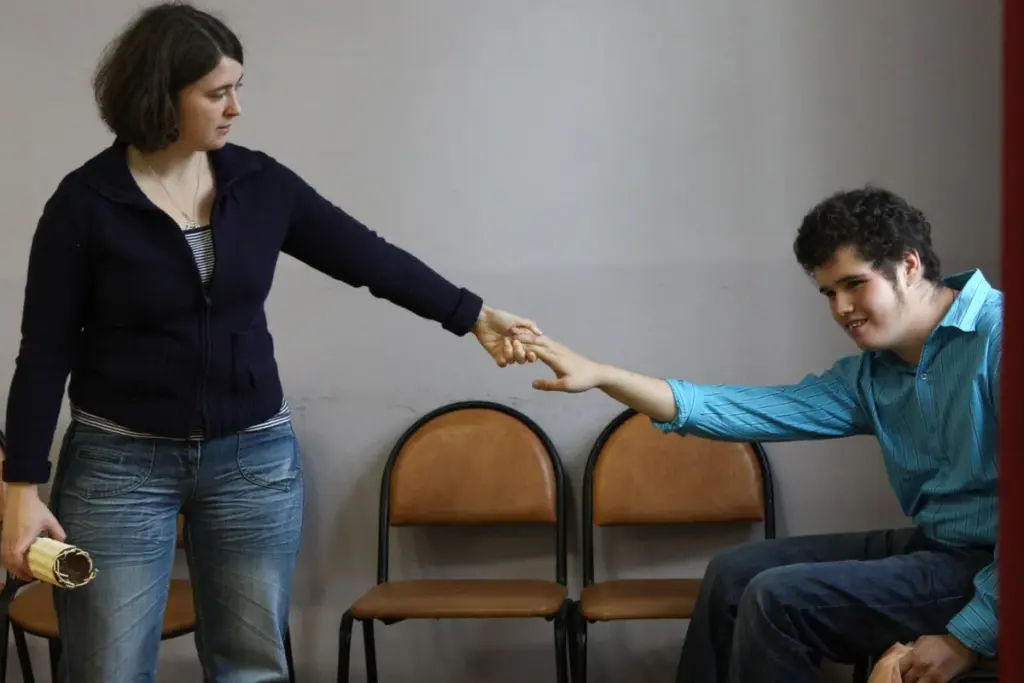
Understanding autism in adult men is key. It shows differently than in children and women. Adult men with autism may show signs in unique ways.
Social Communication Challenges
Adult men with autism may find social interactions hard. They might struggle with eye contact or understanding nuances in communication. They could have trouble starting or keeping conversations, getting sarcasm, or reading nonverbal cues.
- Difficulty understanding social cues
- Challenges in maintaining relationships
- Literal interpretation of language
Restricted Interests and Repetitive Behaviors
Many adult men with autism have strong interests. These can be in tech or unusual topics. They might also have repetitive behaviors like hand flapping or strict routines.
Sensory Sensitivities
Sensory sensitivities are common in autism. Adult men might be too sensitive to sounds, sights, or textures. They might also seek out intense sensory experiences.
Masking and Camouflaging Behaviors
Many adult men with autism hide their traits. They might mimic social behaviors or suppress repetitive actions. For more on signs of autism in adults, visit Autism Speaks.
| Signs and Symptoms | Description |
| Social Communication Challenges | Difficulty understanding social cues, maintaining relationships, and interpreting nuances in communication |
| Restricted Interests and Repetitive Behaviors | Strong, highly focused interests and repetitive behaviors, such as hand flapping or strict routines |
| Sensory Sensitivities | Hypersensitivity to certain sounds, sights, or textures, or seeking out intense sensory experiences |
| Masking and Camouflaging Behaviors | Mimicking social behaviors, suppressing repetitive behaviors, or using other strategies to blend in |
Conclusion: Seeking Assessment and Support
Many people are getting autism diagnoses later in life. This means they might have gone years without knowing. If you’re wondering if your husband is autistic or if you might be, knowing how to get a diagnosis is key.
Adults looking for a diagnosis will have a doctor check for childhood symptoms. They’ll also make sure other issues aren’t causing the symptoms. The Autism Diagnostic Observation Schedule, Second Edition (ADOS-2) is a tool used to check for autism.
Some might wonder if they can become autistic later in life. But autism is a disorder present from birth. Yet, some adults might not have gotten a diagnosis earlier.
If you think you might be on the autism spectrum, it’s important to get checked. Knowing about autism symptoms in men and getting a diagnosis can help you get the support you need.
FAQ
What are the common signs of autism in adult men?
Signs include trouble with social communication and having very specific interests. They also might have sensory issues and hide their symptoms.
Why are adult men often diagnosed with autism later in life?
Men might hide their symptoms, and there’s less awareness about autism. Also, how autism is diagnosed has changed over time.
What are the different levels of autism severity?
Autism is divided into three levels. Level 1 needs some support, Level 2 needs a lot, and Level 3 needs a lot more.
Can adults be diagnosed with autism if they were not diagnosed as children?
Yes, adults can get diagnosed with autism. Many realize they have it later in life.
How can I seek assessment and support for autism?
Start by talking to a healthcare professional. Look for someone who knows about autism in adults.
What are the benefits of receiving a diagnosis and support for autism?
Getting diagnosed helps you understand yourself better. It also lets you get help and connect with others.
Is it possible to develop autism later in life?
Autism is present from birth. Symptoms might change, but you can’t suddenly get autism as an adult.
How does autism affect men differently than women?
Autism might show up differently in men and women. Men might act out more, while women might hide their symptoms.
References
National Center for Biotechnology Information. Evidence-Based Medical Guidance. Retrieved from https://www.ncbi.nlm.nih.gov/pmc/articles/PMC5467046/https://www.ncbi.nlm.nih.gov/pmc/articles/PMC5467046/



 Departments
 Related Videos
 Our Doctors
 News
News