

Ear infections are common in young children, hitting about 66% of them by age two. Breastfeeding helps protect against these infections, but it’s not a complete shield. It’s vital for parents to spot the early signs to get their baby the right care fast.
Finding symptoms of ear infection can be tough. But knowing them helps you act quickly. These infections can hurt a lot and even make hearing temporary. So, watching your baby’s health and behavior is very important.
Key Takeaways
- Ear infections are common in children under two years old.
- Breastfeeding reduces the risk of ear infections but doesn’t eliminate it.
- Recognizing early symptoms is key for quick medical help.
- Ear infections can cause pain and temporary hearing loss in babies.
- Watching your baby’s behavior helps spot ear infection signs.
Understanding Ear Infections in Infants

Ear infections in infants worry many parents. It’s important to know why they happen. These infections, or otitis media, occur when fluid builds up behind the eardrum. This usually happens because of a cold or other upper respiratory infection.
Causes of Ear Infections in Babies
Ear infections in babies are often caused by bacteria or viruses. The Eustachian tube helps regulate air pressure in the ear. But in infants, this tube is not fully developed. This makes it hard for them to drain fluid from their ears.
When the Eustachian tube is blocked or not working right, fluid can build up. This creates a perfect place for bacteria or viruses to grow.
Several things can make babies more likely to get ear infections. These include being around tobacco smoke, bottle feeding while lying down, and going to daycare. Daycare increases the chance of catching a cold or other infections.
Why Infants Are More Susceptible
Infants are more likely to get ear infections because of their body structure and weak immune systems. Their Eustachian tube is shorter and more horizontal than in adults. This makes it easier for bacteria to get into the ear.
Also, infants have a weaker immune response. This means their bodies have a harder time fighting off infections.
| Factors Increasing Susceptibility | Description |
| Anatomy of Eustachian Tube | Shorter and more horizontal, facilitating bacterial entry |
| Immune System Development | Underdeveloped immune system, weaker response to infections |
| Exposure to Infections | Higher risk in daycare settings and with exposure to tobacco smoke |
Knowing these reasons can help parents and caregivers prevent ear infections in infants.
Signs of Ear Infection in Breastfed Baby
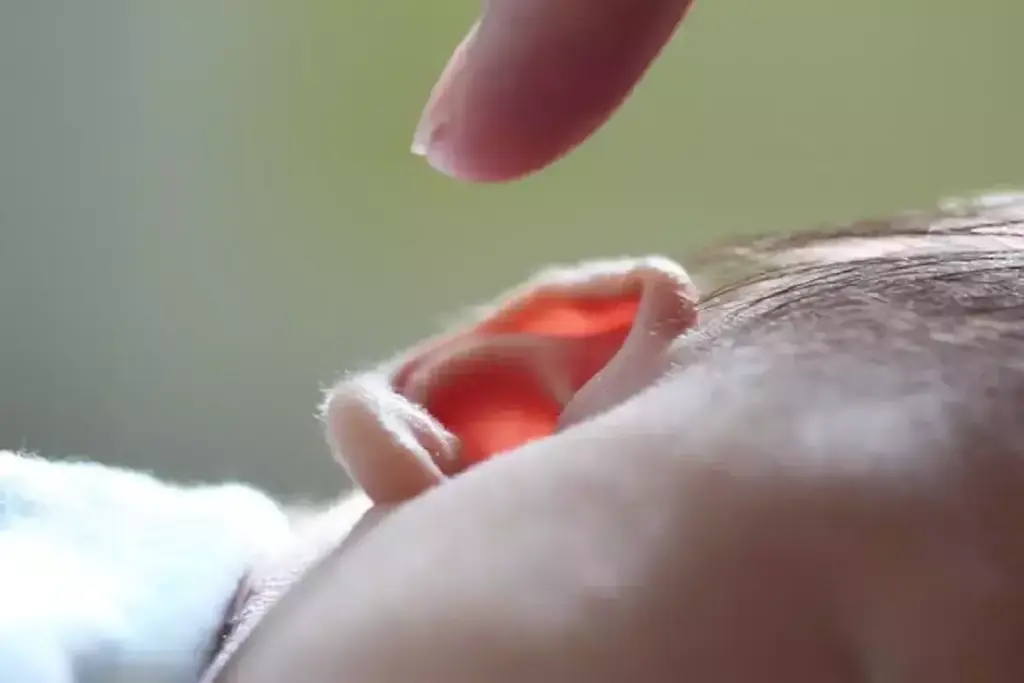
Spotting ear infections in breastfed babies can be tricky. But knowing the signs helps parents get help fast. Ear infections are common in infants, and breastfed babies can get them too. It’s key to know the signs of ear infection in breastfed babies for their health.
Physical Symptoms to Watch For
Babies with ear infections might pull or tug at their ears. They might also have a fever, which is a big sign of infection. Sometimes, fluid might drain from the ear. Parents should watch their baby’s temperature and how they act.
- Pulling or tugging at the ears
- Fever
- Fluid drainage from the ear
Behavioral Changes During Feeding and Sleep
Ear infections can make babies uncomfortable, changing how they act during feeding and sleep. They might get upset or fussy, more so when lying down or eating. This fussiness often comes from ear pressure changes during these times.
- Increased irritability or fussiness
- Changes in feeding patterns
- Disturbed sleep patterns
It’s interesting that breastfed babies might face different risks for ear infections. This is because breast milk has protective antibodies. The Medical organization says breastfeeding helps keep the Eustachian tube healthy, which fights off infections.
| Symptom | Description | Severity |
| Ear Pulling | Baby pulls or tugs at the ears | Mild to Severe |
| Fever | Temperature above 100.4°F (38°C) | Mild to Severe |
| Irritability | Increased fussiness or crying | Mild to Severe |
| Feeding Changes | Changes in feeding patterns or refusal to feed | Mild to Severe |
Knowing these signs helps parents act fast if they think their baby has an ear infection.
How Breastfeeding Protects Against Ear Infections
One of the big benefits of breastfeeding is how it keeps babies safe from ear infections. Breast milk is full of antibodies that fight off infections, including those that cause ear infections.
Protective Antibodies in Breast Milk
Breast milk is packed with antibodies, like Immunoglobulin A (IgA), which is key for fighting infections. These antibodies help stop pathogens, lowering the chance of ear infections. This is why breastfed babies often get fewer ear infections than formula-fed babies.
Studies have found that breast milk’s antibodies can:
- Make infections less severe
- Stop infections from reaching the middle ear
- Help the baby’s immune system grow
Optimal Feeding Positions to Prevent Fluid Buildup
Not just the milk itself, but how babies are fed can also affect ear infection risk. Feeding upright helps avoid fluid buildup in the eustachian tubes, a common ear infection cause. It’s important to feed in a way that lets fluid drain from the ears easily.
Here are some tips for feeding positions:
- Keep the baby upright while feeding
- Don’t feed when the baby is lying down
- Make sure the baby’s head is higher than their stomach
By using breast milk’s protective powers and good feeding habits, breastfeeding moms can lower ear infection risks. It’s a simple yet powerful way to help their babies stay healthy and grow well.
When to Seek Medical Attention
If your baby has a severe ear infection, look for signs like a high fever, constant crying, or ear discharge. It’s important to act fast. Seeing your baby sick is tough, but knowing when to seek help can help them get better.
For a 4-month-old with an ear infection, symptoms can be scary. If your baby acts differently or shows physical signs, talk to your doctor. Early treatment can stop serious problems and protect your baby’s hearing.
Deciding when to see a doctor for an ear infection depends on your baby’s symptoms. Middle ear infections in babies can be treated well with the right care. Your doctor will check your baby and suggest the best treatment.
If you’re not sure about your baby’s health, call your doctor. They can guide you on what to do next and help with the treatment.
FAQ:
What are the common signs of an ear infection in a breastfed baby?
Common signs include ear pulling, excessive crying, poor feeding, fever, trouble sleeping, irritability, and fluid draining from the ear.
How does breastfeeding protect against ear infections?
Breast milk contains antibodies that strengthen the immune system and reduce the risk of ear infections.
Can breastfed babies still get ear infections?
Yes, breastfed babies can still get ear infections, but they usually occur less often and may be less severe.
How can I tell if my breastfed baby has an ear infection or just a cold?
Ear infections often cause ear pain, persistent crying, fever, and feeding problems, while colds mainly cause runny nose and congestion.
What should I do if I suspect my baby has an ear infection?
You should contact a pediatrician for evaluation, especially if symptoms last more than a day or include fever.
Are there any long-term effects of recurrent ear infections in babies?
Repeated infections can lead to temporary hearing loss and, rarely, speech or developmental delays if untreated.
Can changing breastfeeding positions help prevent ear infections?
Yes, feeding in a more upright position can help reduce milk entering the eustachian tube.
How are ear infections in breastfed babies typically treated?
Treatment may include pain relief, monitoring, and antibiotics if the infection is bacterial.
References:
National Center for Biotechnology Information. Evidence-Based Medical Insight. Retrieved from https://pmc.ncbi.nlm.nih.gov/articles/PMC9238244/