



Stress can feel like a heavy weight on your health and comfort. At Liv Hospital, we know managing your internal balance is key for long-term wellness. This hormone is important, but too much stress can upset your body’s natural balance.
Starting a diet to lower cortisol levels is a great first step. Eating foods rich in nutrients can help reduce health risks and aid in recovery. Our evidence-based approach makes sure every meal helps you feel calmer and more balanced, while also protecting your heart.
Looking into a cortisol reduction diet is a big step in your health journey. We know managing hormones is complex, but we’re here to guide you. Using food as a healing tool is a big step towards the quality of life you want.
Key Takeaways
- Understand the impact of stress hormones on your metabolic health.
- Learn how nutrient-dense foods support natural hormonal balance.
- Discover the benefits of a professional, patient-centered wellness plan.
- Support the body’s healing processes through informed food choices.
- Reduce health risks associated with chronic stress and weight gain.
- Implement evidence-based strategies to improve your daily quality of life.
Understanding the Cortisol Diet

Diet is key in controlling cortisol levels. It’s not just about avoiding certain foods. It’s about knowing how different nutrients affect cortisol.
“Diet influences many things, including cortisol, through the inflammatory pathway,” says Christine Ferguson, Ph.D., RDN. This shows how closely what we eat is linked to our cortisol levels.
The Connection Between Cortisol and Food
What we eat directly affects our cortisol levels. Some foods raise cortisol, while others lower it. Knowing this is key to managing stress hormones.
- Foods high in sugar can lead to increased cortisol levels.
- Consuming foods rich in omega-3 fatty acids can help reduce inflammation and lower cortisol.
How Blood Sugar Stability Impacts Stress Hormones
Keeping blood sugar stable is vital for managing stress hormones. Fluctuations in blood sugar can increase cortisol. Stable blood sugar is essential for controlling cortisol.
Here are some tips for stable blood sugar:
- Eat complex carbohydrates that are rich in fiber.
- Add healthy fats to your diet.
- Stay away from foods that quickly raise blood sugar.
Foods to Include for Cortisol Reduction
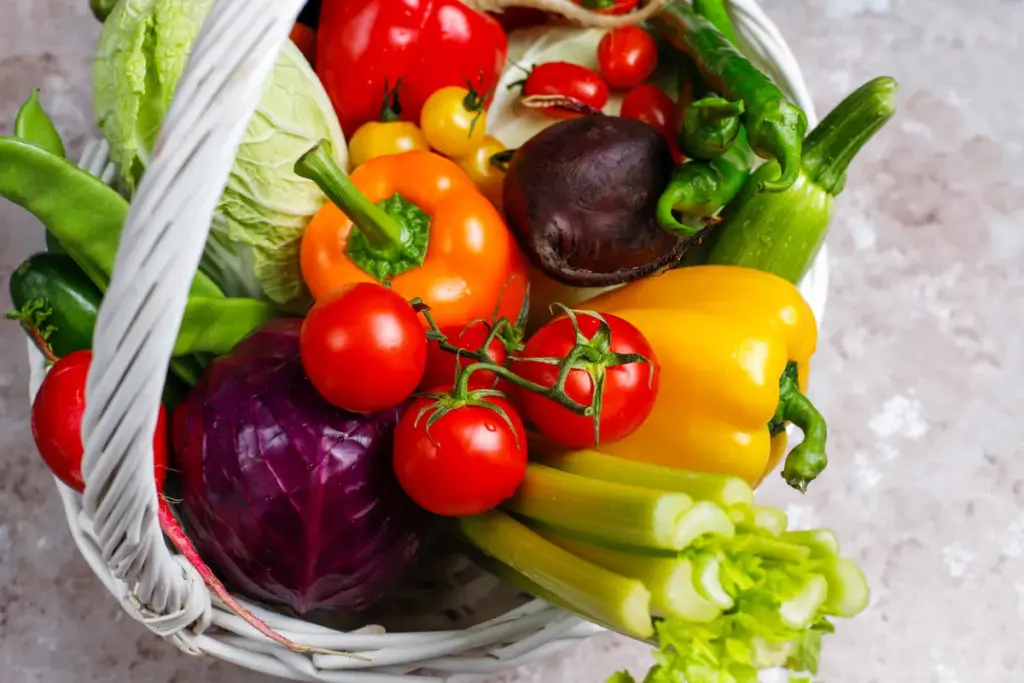
To lower cortisol levels, focus on foods that balance hormones. A diet full of nutrients can fight stress and boost well-being.
Complex Carbohydrates and Serotonin Production
Complex carbs are key for boosting serotonin, which fights stress and cortisol. Whole grains, fruits, and veggies are packed with these carbs. Boosting serotonin improves mood and lowers stress.
Some examples of complex carbs include:
- Oats
- Quinoa
- Whole wheat bread
- A variety of colorful vegetables
Healthy Fats and Omega-3 Fatty Acids
Healthy fats, like omega-3s, are vital for reducing inflammation and cortisol. Include foods like walnuts, flaxseeds, chia seeds, and fatty fish in your diet.
Omega-3s support brain health and lower disease risk. Adding these foods to your meals is easy:
- Adding walnuts to your oatmeal or yogurt
- Using flaxseeds as an egg substitute in baking
- Including fatty fish like salmon in your meals twice a week
Probiotic-Rich Foods for Gut-Brain Health
The gut-brain axis is key for managing stress, and probiotics support gut health. Yogurt, kefir, kimchi, and sauerkraut have live cultures for a healthy gut.
Eating a variety of probiotic-rich foods boosts gut health. This helps manage cortisol levels.
Addressing Protein Sources and Dietary Myths
Exploring the cortisol diet, we must debunk common myths about protein. Protein is key for many bodily functions, including hormone regulation. Yet, there’s debate on how different proteins affect cortisol levels.
Does Chicken Raise Cortisol Levels?
Chicken is a common protein in many diets, but its effect on cortisol is debated. Christine Ferguson, Ph.D., RDN, notes that chicken has selenium, an antioxidant. Opt for lean chicken breast for less saturated fat.
The link between chicken and cortisol isn’t clear-cut. It depends on the diet and cooking methods. Choosing lean proteins and healthy cooking can help avoid cortisol spikes.
Red Meat and Cortisol: Separating Fact from Fiction
Red meat is often criticized for its cortisol impact. Some studies link high red meat intake, mainly processed, to higher cortisol. But, it’s important to note the type and preparation of red meat.
Grass-fed beef has better fatty acids than grain-fed, which might affect cortisol levels. Eating red meat in moderation, focusing on lean cuts, can manage cortisol effects.
| Protein Source | Cortisol Impact | Recommendations |
| Chicken | Neutral to Positive | Choose lean cuts like breast, avoid high-fat cooking methods |
| Red Meat | Variable | Opt for grass-fed, lean cuts, consume in moderation |
Balancing Protein Intake for Hormonal Health
It’s vital to balance protein intake for hormonal health, including cortisol. The type, amount, and timing of protein are important.
Go for a balanced diet with various protein sources. Spread protein intake across meals for hormonal balance. This can help keep cortisol levels stable and support well-being.
Conclusion
Making smart food choices can help control cortisol levels and boost our health. A balanced diet is key to lowering cortisol and feeling better.
Our diet should include foods that calm stress and keep blood sugar stable. Adding complex carbs, healthy fats, and probiotics can help. These foods lower cortisol and improve our health.
Reducing cortisol levels requires a whole-body approach. This means eating right and using other stress-reducing methods. Knowing how diet affects cortisol helps us make better choices for our health.
By focusing on a balanced diet and lifestyle, we can stay healthy and strong. This approach helps us manage cortisol and enjoy a better life.
FAQ
What is a cortisol diet and how does it help?
A cortisol diet is not a formal medical diet but a nutrition approach focused on stabilizing blood sugar and reducing stress on the body. It emphasizes whole foods, balanced meals (protein + fiber + healthy fats), and regular eating patterns, which help prevent spikes in cortisol and support overall hormonal balance.
Does chicken raise cortisol levels in the body?
No, chicken does not directly raise cortisol. In fact, as a lean protein source, it can help stabilize blood sugar, which may actually support healthy cortisol regulation when eaten as part of a balanced meal.
Does red meat raise cortisol, or is that a myth?
It’s mostly a myth that red meat directly raises cortisol. However, excessive intake, especially processed or high-fat red meats, may contribute to inflammation and metabolic stress, which can indirectly influence cortisol levels over time.
What is the cortisol diet’s stance on carbohydrates?
Carbohydrates are not eliminated. Instead, the focus is on:
- Complex carbs (whole grains, vegetables)
-
Avoiding refined sugars and processed carbs
Balanced carb intake helps maintain stable blood sugar, which is key to preventing cortisol spikes.
How can I quickly reduce cortisol levels diet-wise?
- Eat regular, balanced meals (don’t skip meals)
- Include protein and fiber in every meal
- Reduce caffeine and sugar intake
- Stay well-hydrated
- Add magnesium-rich foods (leafy greens, nuts)
Does chicken increase cortisol if eaten daily?
No. Eating chicken daily does not increase cortisol, as long as your overall diet is balanced. Problems arise more from poor diet patterns (high sugar, processed foods, irregular eating) than from specific whole foods like chicken.
What does red meat do to cortisol levels if consumed in excess?
Excess red meat—especially processed forms—may contribute to inflammation, digestive stress, and metabolic imbalance, which can indirectly elevate stress hormones like cortisol. Moderation and balance are key.
References
National Center for Biotechnology Information. Evidence-Based Medical Insight. Retrieved from https://pmc.ncbi.nlm.nih.gov/articles/PMC10682947/


 Departments
 Related Videos
 Our Doctors
 News
News


