Did you know trouble peeing can signal a health problem? Proper urinary function is key for our health. When we can’t pee easily, it’s uncomfortable and worrying. We’re here to help with those challenges. How to make yourself pee using amazing natural methods. Discover the best ways to induce urine and find a powerful cure for retention.
Peeing is a natural process our bodies do often. But sometimes, health issues or other factors can make it hard. In this article, we’ll look at natural methods and tips to help you pee when you need to.
Key Takeaways
- Understanding the importance of proper urinary function
- Identifying natural methods to induce urination
- Learning tips to help when you’re having trouble urinating
- Discovering the role of hydration in urinary health
- Exploring the impact of certain foods on urination
Introduction to Urination Induction
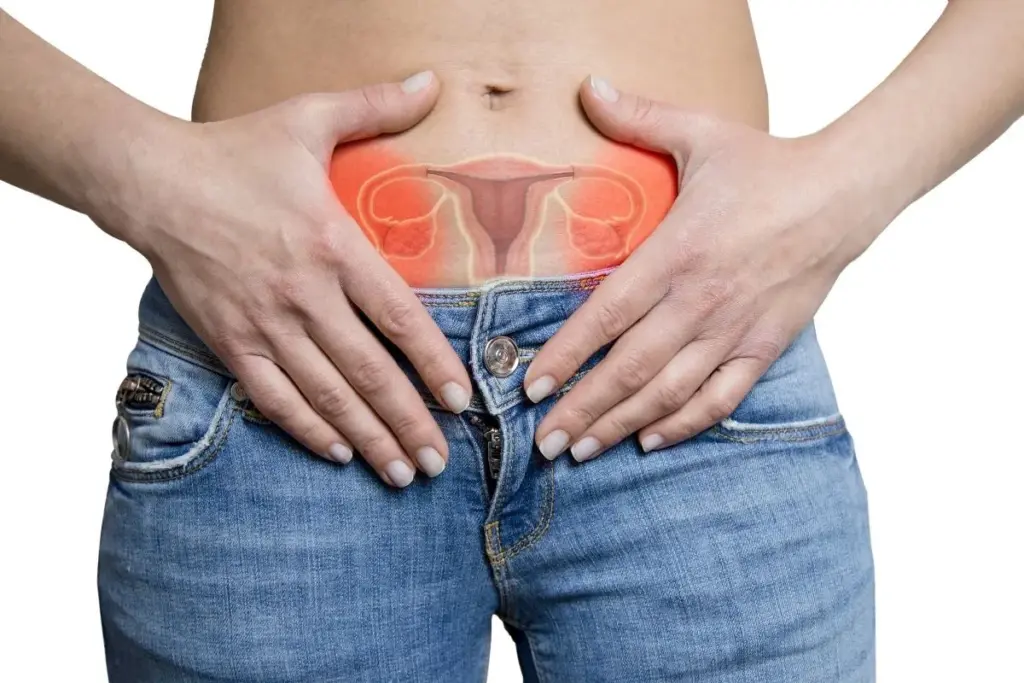
Urination is a complex process influenced by many factors, including how much water we drink. The kidneys play a key role in making urine. Knowing how they work helps us solve problems with urination.
Understanding Urine Production
The kidneys filter waste from our blood, making urine. They also help control water levels and balance salts in our body. Urine moves from the kidneys to the bladder and then out of our body through the urethra.
The kidneys’ ability to concentrate or dilute urine is vital for our health. “The kidneys are remarkable organs that adjust the amount of water in urine based on the body’s needs,” as noted by renal health experts.
Importance of Staying Hydrated
Maintaining proper hydration is essential for urinary health.. It helps the kidneys work right, removing waste from our body. Not drinking enough water can make urine too concentrated, causing discomfort and harm to the kidneys.
Drinking enough water is essential for supporting the urinary system’s health. Most people should drink at least eight glasses of water a day. But, this can change based on how active you are, where you live, and your health.
“Adequate hydration is key to preventing urinary tract issues and ensuring the overall health of the urinary system.”
Common Reasons for Difficulty Urinating

Many things can make it hard to pee, like how we live and health issues. Knowing what causes it helps us fix it.
Dehydration and Its Effects
Not drinking enough water often leads to trouble peeing. Without enough fluids, our urine gets more concentrated. This can hurt the bladder and urethra.
Drinking plenty of water is key. Aim for eight glasses a day, but it depends on your activity and where you live.
Key signs of dehydration include:
- Dark yellow or amber-colored urine
- Fatigue
- Dizziness
- Dry mouth
Medications That Affect Urination
Some medicines can make it hard to pee. They might make less urine or stop it from coming out. These include:
- Antihistamines
- Decongestants
- Certain antidepressants
- Muscle relaxants
Talk to your doctor if you’re having trouble peeing. They can change your meds to help.
Psychological Factors
Stress and anxiety can also mess with peeing. Stress makes muscles tight, which can stop urine from coming out. Anxiety makes it hard to relax and pee.
Relaxation techniques like deep breathing or yoga can help. Try to relax when you pee.
Understanding and tackling these common pee problems can help improve your health.
Natural Remedies to Induce Urination
Nature offers many ways to help with urination without using harsh chemicals. We can look at natural remedies that boost urinary health and encourage urination.
Herbal Teas and Their Benefits
Herbal teas have been used for centuries to improve health, including urinary health. Some teas are known for their ability to increase urine production and help with urination.
Dandelion tea is rich in antioxidants and supports kidney function and urination. Green tea is also high in antioxidants and helps keep the urinary system healthy.
- Dandelion tea: Known for its diuretic properties and rich in antioxidants.
- Green tea: High in antioxidants, supports overall health.
- Chamomile tea: Can help relax the body, potentially easing urination.
Foods That Promote Urination
Certain foods can also help with urination. Adding these foods to your diet can support urinary health and increase urine production.
Foods with lots of water, like watermelon and cucumber, help with hydration and urination. Foods like asparagus and parsley also have diuretic properties.
- Watermelon: High water content, helps with hydration.
- Cucumber: Contributes to hydration, can help promote urination.
- Asparagus: Known for its diuretic effect.
Essential Oils and Aromatherapy
Aromatherapy, using essential oils, can help relax and ease urination. Certain oils may help relax the urinary tract and improve urine flow.
Junipers and peppermint essential oils are good examples. Junipers have diuretic properties, and peppermint oil relaxes muscles and improves urinary flow.
- Juniper essential oil: May have diuretic properties.
- Peppermint essential oil: Can help relax muscles, potentially easing urination.
Lifestyle Changes to Encourage Urination
Making a few simple changes in your lifestyle can help you urinate better. These changes are good for your urinary health and overall well-being.
Staying Active: The Role of Exercise
Regular exercise is key for healthy urination. It helps make the muscles for urination work better, making it easier to empty your bladder.
Try adding activities like walking, cycling, or swimming to your daily routine. These not only help with urination but also boost your heart health and fitness.
Regular exercise offers many benefits, including:
- Improved muscle tone, including the pelvic floor muscles
- Enhanced blood circulation, which supports kidney function
- Reduced risk of urinary tract infections
Drinking Sufficient Fluids
Drinking enough water is vital for urinary health. It helps dilute your urine, lowering the risk of kidney stones and urinary tract infections.
Drink at least eight glasses of water a day. But remember, your needs can change based on how active you are, the weather, and your health.
Here are some tips to stay hydrated:
- Carry a water bottle to keep track of your water intake
- Eat hydrating foods like watermelon and cucumbers
- Avoid too much caffeine and alcohol, as they can make you lose water
Establishing a Regular Bathroom Schedule
Having a regular bathroom routine can train your bladder and improve urination.
Set aside time each day to go to the bathroom, even if you don’t need to. This helps your bladder get into a routine and might reduce urinary retention.
When setting up a bathroom schedule, consider these points:
- Find a daily routine that fits you
- Adjust your schedule as needed for changes in your urinary health
- Be patient and keep trying, as it takes time for your body to adjust
The Role of Diuretics in Urination
Diuretics help increase urine production. They are used to treat conditions like high blood pressure and swelling. This is because they help the body get rid of extra fluids.
What Are Diuretics?
Diuretics are substances that make you pee more. They help remove extra fluids and salts from your body. They work by changing how your kidneys function, making you pee more.
Natural Diuretics vs. Prescription Options
Diuretics come in two types: natural and prescription. Natural diuretics include foods like dandelion and asparagus. They are thought to help with fluid retention. Prescription diuretics are medicines that increase urine production. They are used for serious conditions like heart failure and high blood pressure.
Prescription diuretics work well but can have side effects. Natural diuretics are gentler. But, they might not work as well as medicines.
When to Seek Medical Attention
It’s important to know when to get medical help for urinary problems. We’ll show you signs that mean you should see a doctor. This can help find the cause of your urinary issues.
Signs of Urinary Retention
Urinary retention means you can’t fully empty your bladder. It can be short-term or long-term. It might be due to blockages, nerve issues, or some medicines. Key signs include:
- Difficulty starting urination
- Weak or interrupted urine flow
- Feeling of incomplete bladder emptying
- Frequent urination with little output
If you notice these symptoms, seeing a healthcare professional is key.
Potential Underlying Conditions
Many conditions can lead to urinary retention or other issues. These include:
|
Condition |
Description |
Common Symptoms |
|---|---|---|
|
Benign Prostatic Hyperplasia (BPH) |
Enlargement of the prostate gland |
Weak urine flow, frequent urination, nocturia |
|
Urinary Tract Infection (UTI) |
Infection in the urinary system |
Dysuria, frequent urination, cloudy or strong-smelling urine |
|
Neurogenic Bladder |
Nerve disorder affecting bladder control |
Incontinence, urinary retention, difficulty initiating urination |
Knowing about these conditions can help you understand your symptoms. It shows why you might need to see a doctor.
Watching your urinary health closely is important. If you have ongoing or severe symptoms, get professional advice. Early treatment can greatly help with many conditions.
Mind-Body Techniques to Promote Urination
Mind-body techniques offer a holistic approach to addressing difficulties with urination. They connect our mental state with our physical well-being. This can help us overcome challenges related to urinary function.
Relaxation and Breathing Exercises
Relaxation and breathing exercises are key to reducing stress and promoting a healthy urinary system. Stress can trigger our body’s “fight or flight” response, leading to urinary retention. By practicing relaxation, we can calm our body and mind, making it easier to urinate.
Diaphragmatic breathing, or belly breathing, is an effective method. Sit comfortably, place one hand on your belly and the other on your chest. Breathe in slowly through your nose, letting your belly rise while your chest stays steady. Regular practice can lead to reduced stress and improved urinary function.
|
Technique |
Description |
Benefits |
|---|---|---|
|
Diaphragmatic Breathing |
Breathing deeply into the diaphragm |
Reduces stress, promotes relaxation |
|
Progressive Muscle Relaxation |
Systematically tensing and relaxing muscle groups |
Relieves physical tension, promotes urinary function |
Visualization Techniques
Visualization is a powerful mind-body technique for promoting urination. It involves creating a mental image of successful urination. This can influence our body’s physiological response.
Imagine yourself in a peaceful, natural setting, like a serene beach or quiet forest glade. Visualize urinating smoothly and without difficulty. This technique can help reduce anxiety and make urination more manageable.
“The mind is everything; what you think, you become.” – Buddha
By adding these mind-body techniques to your daily routine, you can improve your urinary health and overall well-being.
At-Home Techniques for Immediate Relief
At-home techniques offer a simple way to tackle urinary issues. They are easy to do and don’t require any special equipment. You can try them in the comfort of your own home.
Warm Compress Application
Using a warm compress on your lower abdomen can relax muscles and encourage urination. Soak a towel in warm water, wring it out, and place it on your lower abdomen. The warmth boosts blood flow and relaxes the detrusor muscle, helping you to urinate.
Here are the benefits of a warm compress:
- Relaxation of the abdominal muscles
- Increased blood flow to the area
- Stimulation of the urination process
Gentle Abdominal Massage
Gentle abdominal massage can also help with urination. Massaging your abdomen in a soft, circular motion can stimulate the muscles involved in urination. This method works well when combined with a warm compress.
To do a gentle abdominal massage:
- Lie down in a comfortable position
- Apply gentle pressure with your fingertips in a circular motion
- Focus on the lower abdominal area
By using these at-home techniques, you can find quick relief from urinary issues. Remember, if problems continue, it’s best to see a healthcare professional.
Conclusion: Finding What Works for You
We’ve looked at many natural ways to help you urinate better. This includes herbal teas, changing your diet, and lifestyle changes. We also talked about mind-body techniques. Remember, what works for one person might not work for another.
Tailoring Approaches to Individual Needs
Trying different things is important to find what works best for you. You might want to try new foods, relaxation methods, or essential oils. It’s key to know how your body reacts.
The Role of Professional Guidance
Even though natural remedies and lifestyle changes are great, seeing a healthcare professional is important. They can spot any health issues that might be causing your problem. They’ll give you advice that fits your health needs.
By trying things out and getting advice from doctors, you can find the best way to handle urination issues. Always drink plenty of water, stay active, and listen to your body. This helps keep your urinary system healthy.
FAQ
How do I make myself urinate when I’m having trouble?
Try herbal teas and foods that help you pee. Essential oils can also help. Stay hydrated, exercise, and follow a bathroom routine.
Why can’t I pee even when I feel the need to?
Dehydration, some meds, and stress can cause trouble. Check your water intake and meds. Try relaxation to manage stress.
How long does it take to pee after drinking water?
It varies based on your health and how much you drink. It can take 30 minutes to a few hours.
What are some natural diuretics that can help me pee?
Herbal teas like dandelion, watermelon, and celery are good. Juniper berry essential oil also helps.
How can I make myself pee in 30 seconds?
It’s hard to pee that fast. But, warm compresses, gentle massage, and relaxation can help.
Are there any lifestyle changes that can encourage urination?
Yes. Stay active, drink enough water, and have a regular bathroom schedule. It helps your urinary health.
When should I seek medical attention for urinary issues?
See a doctor if you have trouble peeing, signs of urinary retention, or other issues. It’s important to check for underlying conditions.
Can mind-body techniques really help with urination?
Yes. Relaxation, breathing, and visualization can help. They relax your muscles and improve urination.
References
National Institutes of Health. Evidence-Based Medical Insight. Retrieved from https://www.niddk.nih.gov/health-information/urologic-diseases/urinary-retention/symptoms-causes