

Urinary issues affect millions worldwide, with bladder problems being a big concern. We know how uncomfortable and distressing it can be to have trouble peeing. In this guide, we’ll look at ways to help you pee and keep your bladder healthy.incontinence
It’s key to know how your urinary system works to solve urination problems. We’ll talk about why good urinary function is important. Plus, we’ll share tips on how to make yourself pee when you need to.
Key Takeaways
- Understanding the importance of proper urinary function
- Techniques to stimulate urination
- Maintaining optimal bladder health
- Common issues related to urination
- Practical advice for addressing urinary difficulties
Understanding Your Urinary System
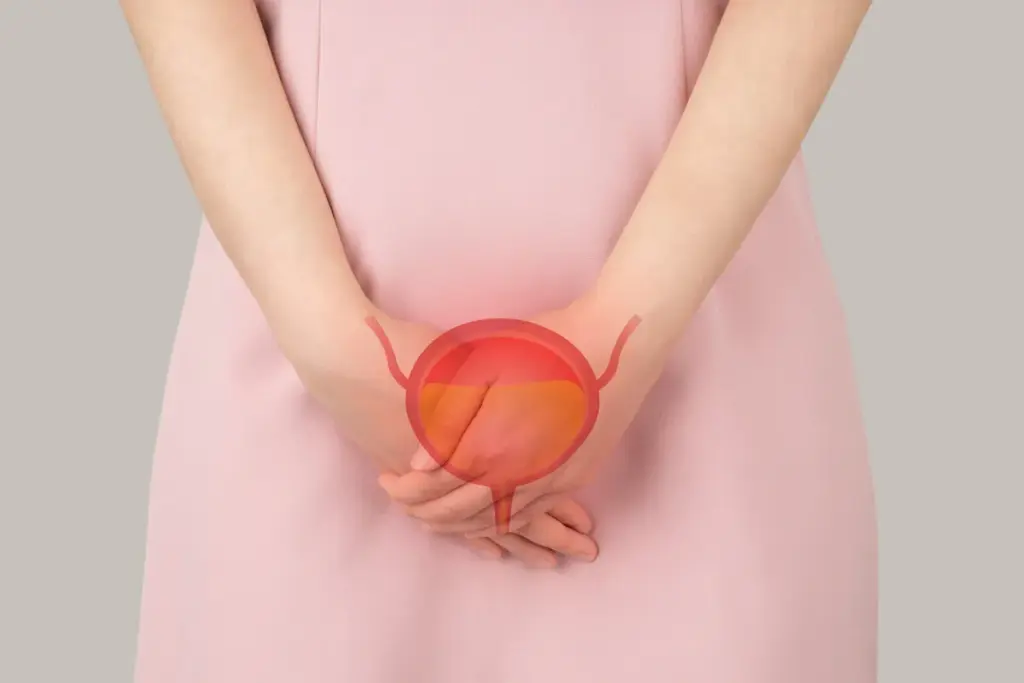
The urinary system is key for filtering waste and excess fluids. It includes the kidneys, bladder, and more, all working together. This system is vital for our health.
The Role of the Bladder
The bladder is a muscular organ that stores urine. It’s located in the pelvis, behind the pubic bone. Its main job is to hold urine until we’re ready to go.
The bladder’s walls can stretch and shrink. This helps it store and release urine smoothly.
How Urine is Formed
Urine is made in the kidneys through filtration and concentration. The kidneys filter waste, excess water, and more from the blood. This keeps our body’s fluids and electrolytes balanced.
The kidneys filter about 200 liters of blood every day. They produce around 1-2 liters of urine.
|
Organ |
Function |
|---|---|
|
Kidneys |
Filter waste and excess fluids from the blood |
|
Bladder |
Stores urine until it is expelled |
|
Ureters |
Transport urine from kidneys to bladder |
|
Urethra |
Expels urine from the bladder out of the body |
Factors Influencing Urination
Many things can affect how we urinate. Fluid intake, diet, and health are big factors. For example, caffeine and alcohol can make us pee more.
Understanding these factors helps us take care of our bladder. By watching what we drink and eat, we can avoid bladder problems. This keeps our urinary system healthy.
Common Reasons for Urgency to Urinate
Many things can make you feel like you need to pee right away. Knowing what these are helps keep your urinary system healthy. We’ll look at how drinking water, diuretics, and health issues can affect how often you need to go.
Hydration and Fluid Intake
Drinking enough water is vital for our bodies. But too much can make you pee more often. Not drinking enough can make your urine strong, which might bother your bladder and make you feel like you need to pee.
If your urine is clear but you’re not drinking water, it might mean you’re drinking too much or have a health problem.
Watching how much you drink is important. You should drink enough to stay hydrated but not too much. If your urine is pale yellow, you’re good. But if it’s clear, you might be drinking too much. Dark yellow or amber means you’re not drinking enough.
Consuming Diuretics
Diuretics make you pee more. Things like caffeine, alcohol, and some medicines are diuretics. Drinking coffee or tea, for example, can make you pee more because it tells your kidneys to make more urine.
- Caffeine: Found in coffee, tea, and some sodas, it acts as a diuretic.
- Alcohol: Alcoholic beverages can increase urine output.
- Certain medications: Some medications, like diuretics prescribed for hypertension, can increase urination.
Knowing what diuretics you’re taking can help you manage when you need to pee. If you pee a lot, try to limit or avoid diuretics.
Medical Conditions Impacting Urination
Many health issues can make you pee more often. These include UTIs, diabetes, and an overactive bladder. Knowing what’s causing your problem is key to fixing it.
UTIs can make you feel like you’re burning when you pee and need to go a lot. Diabetes can make your urine have more sugar, attracting bacteria and causing infections. An overactive bladder makes you feel like you need to pee suddenly and strongly.
If you pee a lot and can’t stop, see a doctor. They can find out why and help you fix it.
Trying to make yourself pee might not solve the problem if you have a health issue. It’s better to find and treat the cause.
Techniques to Increase Urgency
There are several ways to make it easier to pee when you need to. These methods are great for people who find it hard to start peeing or have a slow flow.
Drinking Water and Fluids
Drinking water or other fluids is a simple way to make you pee. Drinking enough can fill your bladder, making you feel like you need to pee. It’s recommended to drink at least eight glasses of water a day, but this can change based on how active you are and your personal needs.
Other fluids like herbal teas or diluted fruit juices can also help you pee more. But, it’s best to avoid drinks like coffee and alcohol. They can affect people differently.
Use of Warm Compresses
Using a warm compress on your lower belly can help you pee. The warmth relaxes the muscles and makes it easier to pee. To use a warm compress, soak a towel in warm water, wring it out, and put it on your lower belly for a few minutes.
“The application of warmth can relax the urinary sphincter and facilitate the process of urination.” –
Urology Expert
Movement and Positioning
Moving around and changing positions can also help you pee. Walking or light physical activity can get your bladder going. Also, trying different positions, like standing up or sitting down, can help by changing the pressure on your bladder and urethra.
- Try standing or walking around to stimulate the bladder.
- Experiment with different positions on the toilet, such as leaning forward.
- Avoid straining, as this can lead to unnecessary pressure on the bladder and pelvic floor muscles.
By using these techniques every day, you might find it easier to pee when you need to. But, if you keep having trouble, it’s important to talk to a doctor. They can help find out if there’s a bigger issue that needs attention.
Foods and Drinks that Encourage Urination
Adding certain foods and drinks to your diet can help you pee more and keep your bladder healthy. Some foods and drinks can really help with how you manage your urine.
Fruits High in Water Content
Fruits with lots of water can help you make more urine. They are very hydrating. Here are a few examples:
- Watermelon, with about 92% water, is very hydrating.
- Cantaloupe is also very water-rich, helping with hydration and urination.
- Cucumbers, though often seen as vegetables, are fruits and are very hydrating.
Eating these fruits can be a fun way to help you pee more. It’s great during hot weather or after working out hard.
Herbal Teas and Their Effects
Some herbal teas can make you pee more because they are diuretics. Here are a few:
- Dandelion tea is believed to have diuretic effects and may help reduce water retention.
- Green tea is hydrating and may be good for your urinary health because of its antioxidants.
- Chamomile tea, known for its calming effects, also helps with hydration.
Drinking these teas can be a nice way to support your urinary health. But, be careful of any allergies or interactions with medicines.
Caffeine and Alcohol Influence
Caffeine and alcohol both affect how you pee, but in different ways. Caffeine, found in coffee, tea, and some drinks, makes you pee more. Alcohol, on the other hand, can make you pee more by affecting the hormone that controls urine production.
It’s important to not drink too much of these. Too much can cause dehydration and other health problems. Knowing how your body reacts to caffeine and alcohol can help you manage their effects on urination.
The Impact of Stress and Anxiety
Stress and anxiety can change how our body works, including how we pee. When we’re stressed, our body goes into “fight or flight” mode. This releases hormones like adrenaline, which can make us pee more often.
Emotional Factors and Urination
Stress and anxiety can make us pee more. When we’re stressed, our body gets tight. This tightness can make our bladder feel like it needs to pee more.
|
Emotional State |
Impact on Urination |
|---|---|
|
Stress |
Increased frequency due to “fight or flight” response |
|
Anxiety |
Heightened bladder sensitivity |
|
Relaxation |
Reduced urination frequency due to lowered stress levels |
Relaxation Techniques for Relief
Relaxation techniques can help with stress and anxiety. This can make us pee less often. Techniques like progressive muscle relaxation, visualization, and mindfulness meditation can calm us down.
Progressive muscle relaxation is a method where you tense and then relax muscles. You start with your toes and go up to your head. It helps reduce tension and promotes relaxation.
Breathing Exercises for Urinary Health
Breathing exercises can also help manage stress and anxiety. This can help us pee less often. Deep, slow breaths can calm our nervous system and reduce stress on our urinary system.
- Diaphragmatic breathing: Focus on expanding the diaphragm instead of shallow chest breathing.
- Box breathing: Breathe in for 4 counts, hold for 4, exhale for 4, and hold again for 4.
- Alternate nostril breathing: A yoga technique that balances the breath and calms the mind.
By adding these relaxation techniques and breathing exercises to our daily routine, we can manage stress and anxiety better. This can help reduce how often we pee.
Common Myths About Urination
It’s important to know the truth about urination myths. This can help ease worries and improve urinary health. Many people have wrong ideas about how often to pee, the effects of holding it in, and more.
Debunking Misconceptions
One myth is that you must pee a certain number of times a day. But, how often you pee changes based on many factors. There’s no one-size-fits-all rule for urination frequency.
Another myth is that drinking more water means you’ll pee more. While it’s true, adequate hydration is key for urinary health. It helps remove harmful bacteria and pathogens.
The Truth About Holding It In
Many worry that holding urine too long can harm health. While it’s not good to do it often, an occasional delay is unlikely to cause harm. But, holding it for too long can lead to urinary tract infections (UTIs).
It’s also a myth that holding your pee can cause your bladder to rupture. This is extremely rare and usually occurs in people with underlying medical conditions. It’s important to listen to your body and pee when you need to.
Myths Around “Holding it Too Long”
The idea that holding urine too long can damage kidneys is debated. There’s limited evidence to support this claim in healthy individuals. But, it’s wise to practice good urinary habits to avoid problems like UTIs.
In conclusion, knowing the myths about urination helps you understand your body better. By staying informed and practicing good urinary hygiene, you can improve your overall urinary health.
When to Seek Medical Advice
Urinary problems might mean you need to see a doctor. Sometimes, these issues are not serious. But, if they keep happening or get worse, it could be a sign of something serious.
Signs of Urinary Tract Issues
Urinary tract problems can show up in different ways. You might feel pain when you pee, need to go a lot, or feel a burning feeling. These signs could mean you have an infection or another problem that needs a doctor’s check-up.
Common signs of urinary tract issues include:
- Pain or burning during urination
- Frequent or urgent need to urinate
- Cloudy or strong-smelling urine
- Blood in the urine
Recognizing Symptoms of Incontinence
Incontinence, or losing bladder control, might need a doctor’s visit. You might leak a little or a lot, or even lose control completely.
Key symptoms to watch for include:
|
Symptom |
Description |
|---|---|
|
Stress Incontinence |
Leakage when coughing, sneezing, or lifting |
|
Urge Incontinence |
Leakage accompanied by a sudden, intense need to urinate |
|
Mixed Incontinence |
A combination of stress and urge incontinence symptoms |
When to Contact a Healthcare Professional
If you’re feeling any of these symptoms, it’s important to know when to see a doctor. If your symptoms don’t go away or get worse, or if you have a lot of pain or trouble peeing, you should get medical help.
We suggest talking to a doctor if you notice:
- Persistent or severe symptoms
- Blood in your urine
- Severe pain in your lower abdomen or back
- Fever or chills with urinary symptoms
Seeing a doctor early can really help with many urinary problems.
Aging and Bladder Health
As we get older, our bladder health changes a lot. These changes can really affect our life quality. It’s key to know about these changes and how they impact our urinary system.
Changes in Bladder Function with Age
Bladder function starts to weaken at different ages for everyone. But, it usually starts to decline around 50. This decline can cause issues like a smaller bladder and weaker pelvic muscles. This makes it harder to empty the bladder fully.
Several factors can weaken bladder function. These include:
- Hormonal changes that affect the urinary tract
- Weakened pelvic floor muscles due to aging or childbirth
- Neurological changes that impact bladder control
Common Age-Related Bladder Issues
Aging can cause many bladder problems. These include:
- Urinary incontinence, which is when you leak urine without meaning to
- Overactive bladder, where you need to urinate often and urgently
- Urinary tract infections (UTIs), which are more common in older adults
These issues can really affect your life quality. If symptoms last, it’s important to get medical help.
Tips for Maintaining Bladder Health
To keep your bladder healthy as you age, make some lifestyle changes:
- Stay hydrated by drinking lots of water, but not too much before bed
- Exercise regularly, doing pelvic floor exercises like Kegels to strengthen muscles
- Maintain a healthy weight to reduce pressure on the bladder and pelvic floor
- Avoid irritants like caffeine and spicy foods that can make bladder issues worse
By following these tips and staying informed, you can lessen the effects of aging on your urinary system.
Lifestyle Changes to Support Urinary Health
Improving your urinary health is easier than you think. Simple changes in your daily life can make a big difference. These changes can help your bladder function better and improve your overall health.
Regular Exercise for Urinary Health
Regular exercise is key for good urinary health. It strengthens the muscles that help control your bladder. This can lower the chance of incontinence and other urinary problems.
We suggest activities like walking, swimming, or yoga. These are easy on your body and fit all fitness levels.
Benefits of Exercise for Urinary Health:
- Improves bladder control
- Reduces the risk of urinary incontinence
- Enhances overall physical and mental well-being
Dietary Adjustments to Consider
Changing what you eat is also important for urinary health. Some foods and drinks can irritate your bladder. Others can help it. Try to limit or avoid diuretics like caffeine and alcohol. They can make you pee more and worsen urinary issues.
Including beneficial foods in your diet:
- Fruits high in water content, such as watermelon and cantaloupe
- Vegetables like cucumbers and celery, which have a high water content
- Probiotic-rich foods, such as yogurt, to support gut health
Managing Fluid Intake Wisely
It’s important to manage how much you drink. Drinking enough water is good, but too much can strain your bladder. Keep an eye on how much you drink and adjust it based on your activity and the weather.
Tips for Managing Fluid Intake:
- Drink water regularly throughout the day
- Avoid drinking too much fluid in a short period
- Limit fluids before bedtime to reduce nighttime urination
The Connection Between Hydration and Bladder Health
Drinking enough water is key for a healthy bladder and urinary system. It helps remove toxins and keeps the urinary tract in good shape.
The Importance of Staying Hydrated
Staying hydrated is vital for bladder health. It helps prevent urinary tract infections and kidney stones. When we drink enough, our urine is less concentrated, lowering the risk of these problems.
It also keeps the mucous membranes in the urinary tract healthy. This supports its natural defense.
Drinking water helps the bladder muscle work right. This prevents issues like incontinence. If the bladder is not filled enough, it can get irritated and overactive, leading to a strong urge to urinate.
Effects of Dehydration on Urination
Dehydration can change how we urinate. Not drinking enough makes urine more concentrated. This can irritate the bladder and urinary tract, causing discomfort and pain while urinating.
It also raises the risk of infections. Severe dehydration can lead to less urine production. This can cause acute kidney injury in extreme cases.
Recommended Daily Fluid Intake
The amount of fluid we should drink daily varies. It depends on age, sex, weight, activity level, and climate. Adults should aim for 8-10 cups (64-80 ounces) of fluid each day.
But, some might need more or less. To check if you’re drinking enough, watch your urine color. It should be pale yellow. Dark yellow or amber means you might be dehydrated.
Paying attention to thirst can also help. Adjust your fluid intake based on how thirsty you feel.
|
Fluid Intake Recommendation |
Daily Amount |
|---|---|
|
General Recommendation |
8-10 cups (64-80 ounces) |
|
Athletes or Highly Active Individuals |
More than 10 cups (80+ ounces) |
|
Individuals Living in Hot Climates |
More than 10 cups (80+ ounces) |
It is crucial to understand hydration’s role in maintaining bladder health. Drinking enough water is a simple way to keep our urinary system healthy. It helps prevent urinary problems.
Conclusion: Finding Balance in Urination Health
Keeping a healthy balance in urination habits is key for your overall well-being. We’ve looked at many aspects of urinary health. This includes understanding the urinary system and ways to improve bladder function.
Key Takeaways
Knowing how to pee well means listening to your body and acting on it. Things like how much you drink, what you eat, and stress levels affect your bladder. Making smart choices in your lifestyle can help your urinary health.
Seeking Professional Guidance
If you have ongoing problems with urination, see a healthcare professional. They can give you advice and treatments that fit your needs. This ensures you get the best care for your bladder.
By focusing on urinary wellness and being aware of what affects it, you can take steps to keep your urinary system healthy. This helps your overall health and improves your quality of life.
FAQ
References
Where is the bladder located?
The bladder is in the pelvis, behind the pubic bone, and in front of the rectum. In women, it’s in front of the uterus.
How can I make myself urinate?
To urinate, drink water or other fluids. Use a warm compress on your lower abdomen. Try movements or positions that help stimulate the bladder.
Is it bad to hold your pee for too long?
Holding urine for too long can cause infections and damage to the kidneys. It’s important to urinate when you need to.
How frequently should you pee?
Healthy adults pee 4-7 times in 24 hours on average. Fluid intake, age, and health conditions can change this.
What are the signs of urinary tract issues?
Signs include pain or burning while urinating, needing to pee often or urgently, and cloudy or smelly urine. You might also feel abdominal or pelvic pain.
How does hydration affect bladder health?
Drinking enough water is key for bladder health. It helps dilute urine and prevents infections. Not drinking enough can make urine more concentrated and irritate the bladder.
What foods and drinks can encourage urination?
Foods like watermelon and herbal teas help. Caffeine and alcohol also increase urine production.
How does stress and anxiety affect urination?
Stress and anxiety can make you pee more often or urgently. Relaxation and breathing exercises can help.
At what age does bladder function weaken?
Bladder function weakens around 50-60 years old. This is due to muscle loss and other age-related changes.
What lifestyle changes can support urinary health?
Regular exercise, healthy diet, and wise fluid intake are good for urinary health.
How much fluid should I drink daily?
Drink at least 8-10 cups (64-80 ounces) of fluid daily. Adjust based on your needs and activity level.
Can certain medical conditions affect urination?
Yes, conditions like diabetes, neurological disorders, and urinary tract infections can affect urination and bladder health.
Pregnancy can be a short-term cause of incontinence. But bladder control issues ..
https://my.clevelandclinic.org/health/diseases/17596-urinary-incontinence