
Nearly 13 million people in the United States deal with urinary incontinence. This condition can really affect our daily lives and health. Bladder health is key to our overall health. Being able to pee properly helps our body get rid of waste.how to make yourself peeHow to Make Yourself Pee: Health Guide
As we get older or have health issues, peeing can become hard. This might lead to trouble starting to pee or painful urination. We’ll look at common pee problems and how to keep your bladder healthy.
This guide offers solid info on bladder issues and ways to find relief. You’ll learn how often you should pee and if it’s bad to hold it in.
Key Takeaways
- Understanding the importance of bladder health and its impact on overall well-being.
- Recognizing common issues related to urination and their possible causes.
- Learning strategies for maintaining good bladder health.
- Understanding the risks of holding urine for too long.
- Discovering relief methods for urinary difficulties.
Understanding Your Bladder and Its Function

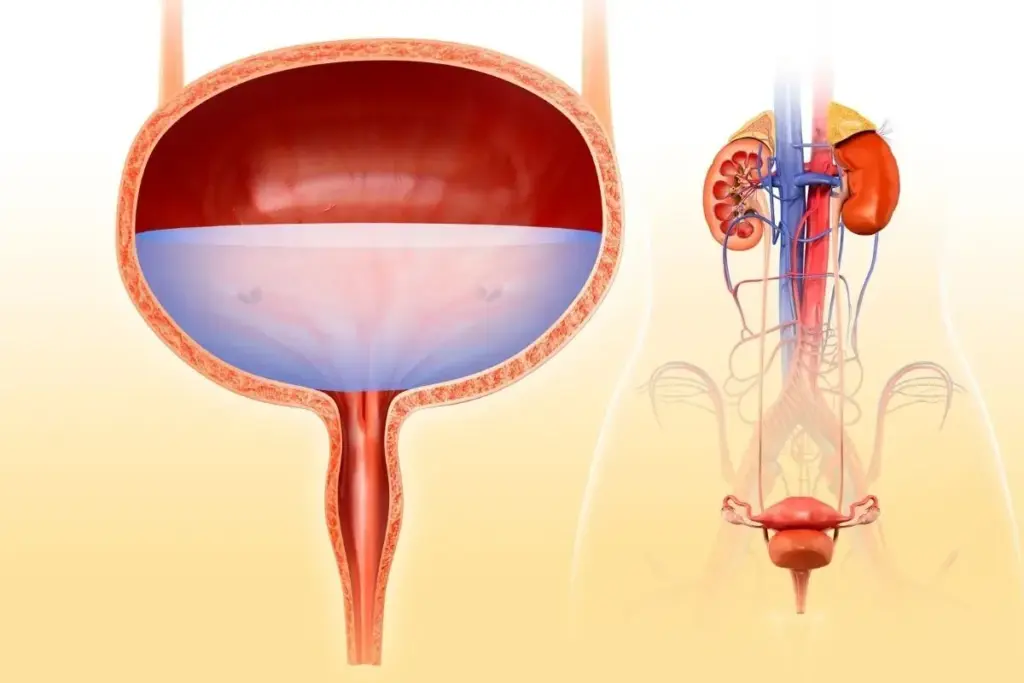
To tackle urination problems, knowing how the bladder works is key. The bladder is a vital part of the urinary system. It stores urine until it’s time to let it go.
Anatomy of the Bladder
The bladder sits in the pelvis, behind the pubic bone. It’s a muscular organ that can grow to hold urine. The bladder is in front of the rectum in men and the vagina in women. This shows its important role in the pelvic area.
Knowing where is your bladder located helps us understand its role and possible problems.
|
Organ |
Location |
Function |
|---|---|---|
|
Bladder |
Pelvis, behind the pubic bone |
Stores urine |
|
Kidneys |
Back, just above the waistline |
Produces urine |
|
Urethra |
Connected to the bladder, exits the body |
Expels urine from the body |
How the Bladder Works
The bladder stores urine from the kidneys through the ureters. As it fills, it grows. When full, the brain sends a signal to urinate. This involves relaxing the sphincter muscles and contracting the bladder muscle to release urine.
Understanding this is key to solving problems like trouble urinating or how do I make myself urinate when needed.
Common Bladder Issues
Bladder problems include incontinence, UTIs, and retention. These bladder issues can stem from age, lifestyle, or health conditions.
- Urinary Incontinence: Loss of bladder control leading to involuntary leakage.
- Urinary Tract Infections (UTIs): Bacterial infections that can occur in any part of the urinary system.
- Urinary Retention: The inability to empty the bladder completely.
Knowing these common problems is the first step to finding the right care and solutions.
Why You Might Have Difficulty Urinating

Having trouble urinating can be really upsetting. It’s important to know why it happens. We’ll look at the reasons and how they affect the bladder.
Dehydration and Its Effects
Not drinking enough water can make it hard to pee. When we don’t drink enough, our urine gets too concentrated. This can irritate the bladder and urethra.
Drinking enough water is key to a healthy bladder. Try to drink at least eight glasses a day. But, how much you need can vary.
Dehydration also lowers blood volume and blood pressure. This can reduce blood flow to the kidneys. This makes it even harder to pee.
Medications Causing Retention
Certain medications may contribute to difficulties in urination. Anticholinergics relax the bladder muscle. Decongestants can make the prostate muscles tighten, blocking urine flow.
If you’re on these medicines and having trouble peeing, talk to your doctor. They might have other options for you.
Anxiety and Stress Factors
Anxiety and stress can also affect your pee. Stress can make your body tense up. This makes it harder to relax the muscles needed to pee.
Using relaxation techniques like deep breathing can help. It can also help with anxiety-related pee problems.
Managing stress is important for your bladder health. Making lifestyle changes and getting help when needed can help a lot.
Knowing why you have trouble peeing is the first step to feeling better. By drinking enough water, checking your medicines, and managing stress, you can improve your bladder health.
Simple Techniques to Encourage Urination
There are simple ways to help you pee when you need to. These methods keep your bladder healthy and relieve any discomfort. It’s important to use both physical and mental strategies to tackle this issue.
Drinking Water and Fluids
Drinking enough water is key for a healthy bladder. It makes your urine less concentrated and helps your bladder work right. Drink at least eight glasses of water a day to help you pee more easily. You can also drink herbal teas or diluted fruit juices to stay hydrated.
Using the Bathroom Routine
Having a regular bathroom routine can train your bladder. Try to pee at the same times every day, like when you wake up or before bed. This helps your bladder get into a rhythm and work better.
Relaxation Techniques
Relaxation is important for peeing easily. Stress and anxiety can make it hard to pee. Deep breathing exercises or progressive muscle relaxation can relax your body and help you pee. A warm bath or calming music can also help you relax.
By adding these simple steps to your daily routine, you can help your bladder work better. Whether it’s drinking more water, following a routine, or relaxing, there are many ways to find what works for you.
Foods and Drinks That Help You Pee
What we eat can really affect how well we pee. Some foods and drinks help us pee more. Knowing which ones can help or hurt our bladder health is important.
Diuretic Foods to Consider
Some foods can make us pee more, helping those who pee too little. Here are a few:
- Watermelon: It’s full of water and potassium, making it a natural diuretic.
- Cucumbers: Their high water content helps us pee more.
- Celery: It has compounds that boost urine production.
Eating these foods can help us pee better.
Herbal Teas to Promote Urination
Herbal teas have been used for ages to help with peeing. Here are some good ones:
- Dandelion tea: It’s a strong diuretic, helping us pee more.
- Green tea: It has caffeine but also lots of antioxidants, helping with hydration.
- Chamomile tea: It’s not a strong diuretic but can relax the body, making peeing easier.
These teas are soothing and can help with peeing.
Limitations on Caffeine and Alcohol
Some drinks help us pee, but others can hurt. Caffeine and alcohol can mess with our bladder:
|
Substance |
Effect on Urination |
|---|---|
|
Caffeine |
It can make us pee more but might also irritate the bladder. |
|
Alcohol |
It’s a diuretic but can cause dehydration if we drink too much. |
Drinking these in moderation is important to keep our bladder healthy.
When to Seek Professional Help
Knowing when to see a doctor about bladder issues is key to your health. Bladder problems can be mild or severe. It’s important to know when to get help for the best care.
Recognizing Symptoms of Bladder Problems
Some signs mean you should see a doctor for bladder issues. These include:
- Persistent difficulty starting or stopping urination
- Frequent or painful urination
- Blood in the urine
- Inability to control urination (incontinence)
- Frequent urination at night (nocturia)
If you notice any of these, seeing a doctor is a must. They can find the cause and suggest treatment.
Types of Specialists for Bladder Issues
For bladder problems, you might see a urologist. Urologists handle urinary tract and male reproductive system issues. They treat infections, stones, and bladder control problems.
|
Specialist |
Area of Expertise |
|---|---|
|
Urologist |
Urinary tract and male reproductive system issues |
|
Nephrologist |
Kidney diseases and disorders |
|
Primary Care Physician |
Initial assessment and referral for urinary issues |
What to Expect During a Consultation
At your visit, the doctor will ask about your symptoms and health history. They might also do a physical exam.
Based on your symptoms, you might need tests. These could include:
- Urine tests to check for infections or blood
- Imaging tests (e.g., ultrasound, CT scan) to see the urinary tract
- Urodynamic tests to check bladder function
After tests, your doctor will talk about treatment. This might include lifestyle changes, medicines, or other treatments.
Strengthening Your Bladder as You Age
Aging can affect our bladder’s function. But, with the right strategies, we can improve its health. As we get older, our bladder may change, leading to less capacity or more frequent urination. By making lifestyle changes and doing exercises, we can strengthen our bladder and enhance our life quality.
Kegel Exercises Explained
Kegel exercises are a simple yet effective way to strengthen the pelvic floor muscles. These muscles support the bladder and other urinary organs. To do Kegel exercises, first find the right muscles by stopping urine flow mid-stream. Then, contract and release these muscles several times.
Start with 10 repetitions, three times a day, and increase as your muscles get stronger. It’s key to be consistent and make Kegel exercises a daily habit.
Importance of Staying Active
Staying active is vital for bladder health. Exercise can improve bladder control by strengthening the muscles around the bladder and boosting circulation. Walking, swimming, or yoga are great options because they are low-impact and fit different fitness levels.
Regular exercise also helps manage stress and improves overall well-being. This can indirectly help bladder health.
Dietary Changes for Better Bladder Health
Diet is important for bladder health. Eating a balanced diet with fruits, vegetables, and whole grains helps keep the bladder healthy. Foods and drinks high in sugar, salt, or caffeine can irritate the bladder and should be limited.
|
Food Group |
Recommended Foods |
Foods to Limit |
|---|---|---|
|
Fruits |
Berries, Apples, Pears |
Citrus Fruits, Pineapple |
|
Vegetables |
Leafy Greens, Broccoli, Cauliflower |
Spicy Vegetables, Tomatoes |
|
Proteins |
Lean Meats, Fish, Eggs |
Processed Meats, Fried Foods |
|
Grains |
Whole Grains, Oats |
Refined Grains, Sugary Snacks |
|
Beverages |
Water, Herbal Teas |
Caffeinated Drinks, Alcohol |
By making these dietary changes and being mindful of our lifestyle, we can take proactive steps towards maintaining a healthy bladder as we age.
Environmental Factors Affecting Bladder Health
Understanding how the environment impacts bladder health is key to better managing urinary issues. Our daily lives are shaped by many external factors that can influence our bladder’s function.
The Impact of Temperature and Humidity
Temperature and humidity play big roles in our urinary habits. For example, cold weather makes our body reduce urine production to keep warm. In contrast, hot and humid conditions cause more sweat, leading to more concentrated urine.
Extreme temperatures also affect the bladder. Cold stress makes the bladder contract more often, causing urgency. But warmer temperatures can relax the bladder, reducing how often we need to urinate.
How Stressful Situations Can Alter Urgency
Stress is a big environmental factor affecting bladder health. When stressed, our body’s “fight or flight” response kicks in, releasing hormones like adrenaline. This makes the bladder more active, leading to more urgency and frequent urination.
Chronic stress can worsen bladder issues, even causing overactive bladder syndrome. Using relaxation techniques like deep breathing or meditation can help manage stress and improve bladder health.
Knowing how environmental factors like temperature, humidity, and stress impact our bladder health helps us take better care of it. We can manage our urinary well-being more effectively by being aware of these factors.
Myths and Facts About Urinary Health
It’s important to know the truth about urinary health. Misinformation can lead to bad habits and worsen bladder issues. We will look at common myths, share facts, and stress the need for reliable health info.
Common Misconceptions
Many myths confuse people about normal urination. Some think drinking less water helps you pee less. But, dehydration can make urine more concentrated and irritate the bladder. Drinking enough water is key for good urinary health and helps with how to make yourself pee.
- Drinking less water reduces urination frequency.
- Ignoring the urge to urinate has no consequences.
- Urinary health is not related to overall health.
Evidence-Based Information
Understanding urinary health needs solid evidence. Studies show hydration, diet, and health affect urination. For instance, some foods and drinks can make you pee more. Also, some meds and health issues can change how you pee.
|
Myth |
Fact |
|---|---|
|
Drinking less water reduces urination frequency. |
Adequate hydration is essential; dehydration can irritate the bladder. |
|
Ignoring the urge to urinate has no consequences. |
Ignoring the urge can lead to urinary retention and other complications. |
|
Caffeine has no effect on urinary frequency. |
Caffeine is a diuretic and can increase urination frequency. |
Importance of Reliable Sources
It’s critical to trust credible sources for health info. With so much online, it’s hard to tell what’s true. Doctors and trusted health groups offer the best advice. When looking into how frequently should you pee, use sources backed by science.
Knowing the truth can help manage urinary health and bladder issues. A healthy lifestyle, including a good diet and enough water, supports urinary health.
Conclusion: Strategies for a Healthy Bladder
Keeping your bladder healthy is key for your overall well-being. Learning how to strengthen your bladder and using simple ways to urinate can greatly improve your bladder health.
Key Takeaways
We’ve talked about many ways to keep your bladder healthy. This includes changing your diet, using relaxation techniques, and doing Kegel exercises. It’s also important to drink enough water and watch your fluid intake to avoid dehydration and urinary retention.
Proactive Bladder Care
Being proactive can help prevent bladder problems. If you’re having trouble urinating or feel discomfort, try to relax. Adding diuretic foods to your diet might help. Knowing how to urinate can also offer relief and keep your bladder healthy.
Further Support
If you’re dealing with ongoing bladder issues, getting professional help is vital. Knowing when to see a specialist and what to expect can be very helpful. Also, being aware of the dangers of holding your urine for too long is important. It’s bad to hold your pee for a long time.
FAQ
Where is my bladder located?
Your bladder is in the pelvis, behind the pubic bone. It’s in front of the rectum. In women, it’s also in front of the uterus.
How do I make myself urinate?
To urinate, stay hydrated and follow a regular bathroom routine. Try deep breathing to relax and reduce stress.
Why is my urine clear but I don’t drink water?
Clear urine means you’re likely hydrated. But it can also signal other health issues. Not drinking water might be due to other fluids or health problems.
Is it bad to hold your pee?
Holding urine for too long can cause infections and damage to your kidneys. It’s best to go when you need to.
How frequently should you pee?
How often you pee depends on your fluid intake, age, and health. Most people pee 4-7 times in 24 hours.
How can I stop peeing so much?
To pee less, cut down on caffeine and alcohol. Manage your fluid intake and do pelvic floor exercises like Kegels.
What are some common bladder issues?
Common issues include incontinence, retention, and infections. These can be due to age, health, and lifestyle.
How do certain medications affect urination?
Some meds can cause retention or make you pee more. Always talk to your doctor about any issues.
Can anxiety and stress affect my ability to urinate?
Yes, stress and anxiety can make it hard to pee or make you pee more. Relaxation techniques can help.
What are some diuretic foods and drinks that can help me pee?
Foods like watermelon and cucumber, and teas like dandelion, can help you pee more.
When should I seek professional help for bladder issues?
See a doctor if you have ongoing or severe bladder problems. This includes pain, trouble starting to pee, or incontinence.
References
Pregnancy can be a short-term cause of incontinence. But bladder control issues ..
https://my.clevelandclinic.org/health/diseases/17596-urinary-incontinence



 Departments
 Related Videos
 Our Doctors
 News
News