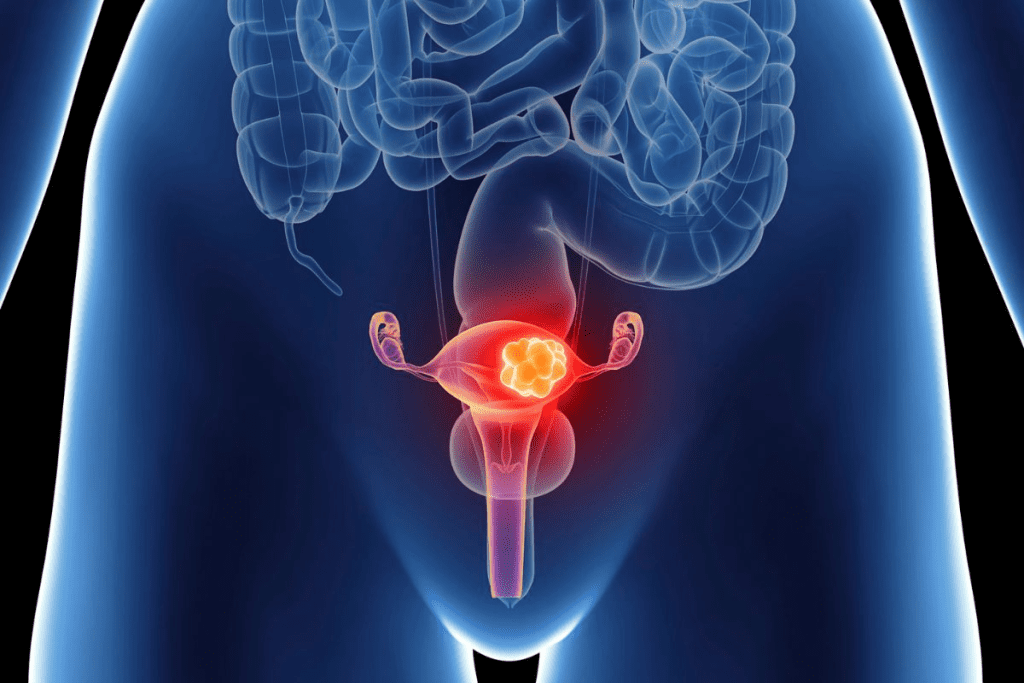
Many people wonder how to make yourself pee when facing bladder or urinary issues. Maintaining bladder health is key to overall well-being, and knowing the early signs of problems can make a big difference.
If you often feel the urge to urinate, experience leaks, or have pain while peeing, these could be signs of lower urinary tract symptoms (LUTS). Sometimes, feeling like you can’t fully empty your bladder or can’t start urinating easily may also signal an issue.
Understanding how to make yourself pee safely can help in mild cases, but ongoing or painful symptoms should always be checked by a doctor. Monitoring bladder health regularly ensures you catch any changes early and keep your urinary system in good shape.
Key Takeaways
- Monitoring bladder health is essential for overall well-being.
- Symptoms like urinary urgency and leakage can indicate bladder issues.
- A significant percentage of adults experience lower urinary tract symptoms (LUTS).
- Self-checks can help identify problems early.
- Getting a medical check is important for bladder health.
1. Understanding Bladder Health: What’s Normal and What’s Not
Bladder health is key to our overall well-being. It’s often overlooked until problems show up. Knowing how a healthy bladder works helps spot issues early.
The Alarming Statistics: 79% of Adults Experience Bladder Symptoms
Studies show most adults face bladder problems at some time. About 79% of adults deal with bladder issues, from mild to severe. This highlights the need for awareness and action in bladder care.
Many things can cause bladder problems, like aging, infections, and diabetes. Lifestyle choices also matter, showing the need for a full approach to bladder health.
How a Healthy Bladder Should Function
A healthy bladder stores urine until it’s time to go. Normal bladder function involves the bladder muscle, nerves, and urethra working together. Knowing this helps spot problems.
A healthy bladder can hold 400 to 600 milliliters of urine. You usually feel the need to go when it’s half full. Your health, fluid intake, and medical conditions can affect this.
Knowing what’s normal helps keep your bladder healthy. Stay alert to signs of trouble and get medical help when needed.
2. 7 Warning Signs Your Bladder May Be Unhealthy
It’s important to know the signs of an unhealthy bladder. Your bladder plays a key role in your urinary system. Any problems can really affect your life.
Being aware of these symptoms can help you get the medical help you need.
Increased Urgency and Frequency
About 36% of adults face bladder issues like needing to pee more often. If you’re suddenly needing to pee a lot, it could mean your bladder is not working right.
Urinary Leakage and Incontinence Issues
Urinary leakage and incontinence can happen to anyone, at any age. Leaking urine when you cough, sneeze, or exercise is a sign of bladder problems. It’s important to get these issues checked to avoid more problems and improve your life.
Pain or Burning During Urination
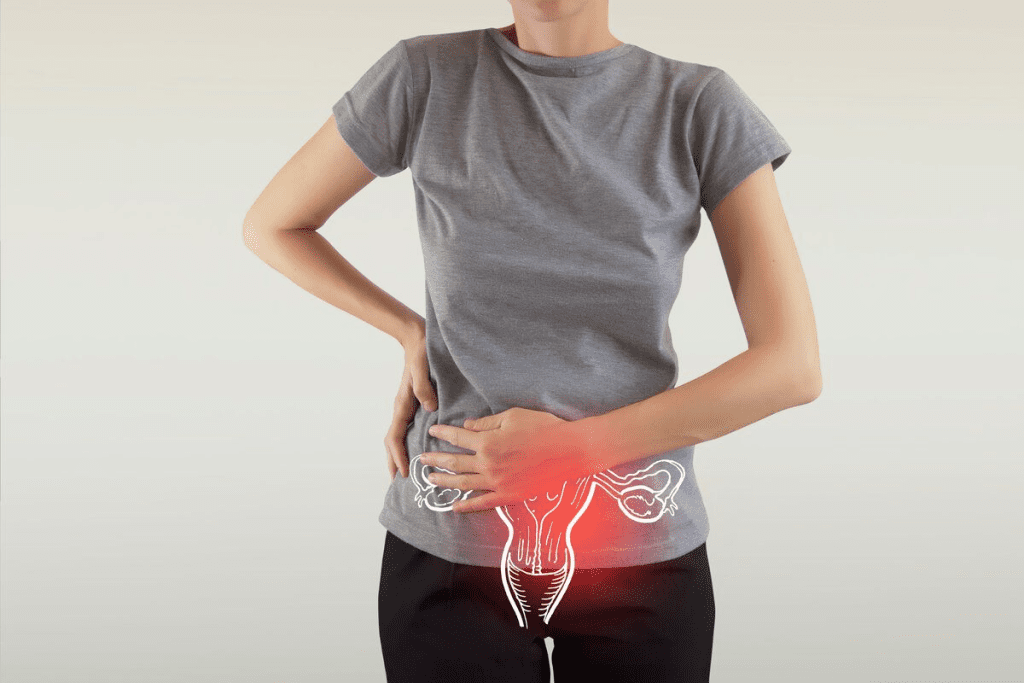
Pain or a burning feeling when you pee is a warning sign. It could mean you have an infection or inflammation in your bladder. If you feel this, see a doctor right away for the right treatment.
Blood in Urine: When to Be Concerned
Seeing blood in your pee is scary and means you need to see a doctor. It can be from infections or kidney stones, but it’s also a sign of something serious like bladder cancer. Always get it checked by a healthcare provider.
3. How to Make Yourself Pee for Self-Assessment
Learning to make yourself pee can help you understand your bladder better. It’s a safe way to check your bladder’s health.
Safe Techniques to Stimulate Urination
There are many safe and effective ways to make yourself pee. These include:
- Drinking plenty of water helps your body produce urine.
- Relaxing in a warm bath or shower can help relax the muscles.
- Using the double voiding technique, where you wait a few minutes after you finish urinating and then try to go again.
It’s important not to force yourself to pee. This can cause discomfort and harm your bladder. Instead, try relaxation techniques and stay hydrated.
What Your Urine Color and Clarity Reveal About Bladder Health
The color and clarity of your urine can tell you a lot about your bladder. Clear or pale yellow urine means you’re well-hydrated and your bladder is healthy. But dark yellow or amber-colored urine might mean you’re not drinking enough. This can lead to bladder problems.
Doctors say that not drinking enough can make your urine dark yellow and smelly. This is a sign you need to drink more water to help your bladder work properly.
“Adequate hydration is key to maintaining bladder health.” “ A Urologist
Watching your urine’s color and clarity, and using safe methods to pee, are good ways to check your bladder. If you see big changes or feel pain, see a doctor right away.
4. 5 At-Home Methods to Monitor Your Bladder Health
There are simple ways to check how your bladder is doing at home. By being proactive, you can spot problems early and change your habits if needed.
Creating and Analyzing a Bladder Diary
A bladder diary is a great tool for tracking your pee habits. It helps you note when and how much you pee, and any leaks. This info is key when talking to a doctor about your bladder.
Tracking Fluid Intake and Output Patterns
Watching how much you drink and pee can tell you a lot. Drinking enough water is important, but too much can stress your bladder. Use a log or app to keep track of your water intake.
For more tips on bladder health, check outthe National Institute on Aging’s guide. It has lots of advice on keeping your bladder healthy.
Self-Assessment for Bladder Fullness
Listening to your body can help you understand your bladder better. If you pee a lot or feel like you need to go right away, it might be a sign of a problem.
Is It Bad to Hold Your Pee? The Health Consequences
Keeping pee in for too long can cause problems like UTIs and harm your bladder. It’s important to listen to your body and pee when you need to, to avoid these issues.
Using these home methods can help you keep an eye on your bladder health. Regular checks and being aware can help catch problems early, so you can get help quickly.
5. Gender-Specific Bladder Concerns to Watch For
Bladder health can differ between men and women. Life events and health problems can weaken muscles in women, causing incontinence. Men face issues with their prostate, affecting their bladder health.
Common Bladder Issues in Women (Including Overactive Bladder)
Women often face stress incontinence due to childbirth, menopause, and surgery. Overactive bladder (OAB) is common, causing sudden urges to urinate. It’s important to understand these issues to manage symptoms.
Women with OAB or stress incontinence should talk to a healthcare provider. They may suggest exercises, lifestyle changes, or medication.
Men’s Bladder Health: Prostate Concerns and Warning Signs
Men may experience incontinence with prostate problems. An enlarged prostate can lead to urinary retention and weak flow. Prostate health is closely linked to bladder health.
Men should watch for signs like trouble starting to urinate and frequent trips to the bathroom. Seeing a healthcare provider early is key for treatment.
How Long Can You Safely Hold Your Urine?
Waiting too long to urinate can harm your health. It can cause UTIs and damage the bladder muscle. It’s best to urinate when you feel the urge.
Knowing your bladder’s limits is important for health. If you have trouble urinating or can’t hold it, get medical help.
6. When to Seek Professional Medical Assessment
If you’re dealing with ongoing or serious bladder problems, knowing when to see a doctor is key. Some bladder issues might get better on their own. But others could mean you have a serious problem that needs medical care.
Red Flag Symptoms That Require Immediate Attention
Some symptoms need you to see a doctor right away. These include:
- Severe pain while urinating or in the pelvic area
- Blood in the urine, which can be a sign of infection, stones, or more serious conditions
- Inability to urinate, which can lead to serious complications
- Frequent or painful urination that disrupts daily life
- Loss of bladder control or incontinence that affects your quality of life
If you’re experiencing any of these symptoms, you should get medical help fast. Early treatment can make a big difference in how well you recover.
Screening for Bladder Cancer: Understanding Your Risk
Bladder cancer is a worry for many, with a lifetime risk of 2.1%. Screening is key for those at higher risk, like smokers or people exposed to certain chemicals. If you notice blood in your urine or keep getting urinary tract infections, your doctor might suggest screening tests.
Talking to your doctor about your risk factors can help figure out the best screening plan for you.
Advanced Diagnostic Tests Your Doctor May Recommend
If your symptoms don’t go away or are really bad, your doctor might suggest more detailed tests. These can include:
- Urinalysis to check for infections, blood, or other abnormalities
- Imaging tests like ultrasound or CT scans to visualize the bladder and urinary tract
- Cystoscopy is a procedure that allows direct visualization of the inside of the bladder
- Urodynamic tests to assess how well your bladder stores and releases urine
These tests are important for finding out what’s causing your symptoms and figuring out the right treatment.
Getting a professional medical check-up is a smart move for your bladder health. Knowing when to seek help and what tests are available helps you take charge of your health. This way, you can manage or treat any problems effectively.
7. Conclusion: Taking Proactive Steps for Better Bladder Health
Keeping your bladder healthy needs awareness, good habits, and action. Knowing the signs of bladder problems and doing exercises can help a lot. These steps can improve bladder control and make life better.
Liv Hospital shows how important it is to use the latest methods and teams for bladder care. Behavior therapies, for example, can really help manage bladder health.
We urge people to take care of their bladder health. Listen to your body, keep track of how much you drink, and see a doctor if needed. This way, you can work towards better bladder health and feel better overall.
FAQ
How do you make yourself urinate for a self-assessment?
Safe methods include running water, double voiding, or a warm bath. These can help you check your bladder function.
Is it bad to hold your pee, and what are the health consequences?
Holding pee too long can cause infections and kidney damage. It’s best to urinate when you need to.
What does my urine color and clarity reveal about my bladder health?
Your urine color and clarity show your hydration and bladder health. Clear or pale yellow urine means you’re hydrated. Dark yellow or cloudy urine might mean dehydration or infection.
How long can you safely hold your urine?
How long you can hold urine varies by your fluid intake and health. It’s safer to urinate when you feel the urge.
What are the common bladder issues in women, and how can they be addressed?
Women often face overactive bladder, incontinence, and UTIs. These can be managed with lifestyle changes, exercise, and medical treatment.
How can I monitor my bladder health at home?
Keep a bladder diary to track your fluid intake and output. Self-assess for bladder fullness. These steps help identify issues and when to seek medical help.
What are the red flag symptoms that require immediate medical attention?
Seek immediate help for severe pain, burning, blood in urine, or sudden inability to urinate. These are serious signs.
How can I stop peeing so much, and what are the underlying causes of frequent urination?
Frequent urination can stem from diabetes, UTIs, or medications. Try limiting fluids before bed and avoid caffeine and alcohol.
What are the advanced diagnostic tests that my doctor may recommend for bladder issues?
Tests like urodynamic tests, cystoscopy, and imaging studies can help diagnose bladder issues. These tests aid in managing conditions.
Why is my urine clear, but I don’t drink water?
Clear urine can mean good hydration, but other factors like fluid intake or health conditions can also affect it. If concerned, talk to your doctor.
How can I check if my bladder is ok, and what are the signs of an unhealthy bladder?
Monitor your urination patterns and watch for leakage or pain. Unusual symptoms should be checked by a doctor.
References
- Wang, J. Y., Wang, Y., Wang, Z., et al. (2018). Epidemiology of lower urinary tract symptoms in a cross-sectional Chinese male population: a large community-based study. PMC Article. Retrieved fromhttps://www.ncbi.nlm.nih.gov/pmc/articles/PMC6112902/
- Isa, N. M. M., et al. (2020). Lower urinary tract symptoms: Prevalence and factors, a community study. PMC Article. Retrieved fromhttps://www.ncbi.nlm.nih.gov/pmc/articles/PMC7385293/
- Coyne, K. S., Sexton, C. C., Thompson, C. L., Milsom, I., Irwin, D., & Kopp, Z. S. (2009). The prevalence of lower urinary tract symptoms (LUTS) in the USA, the UK, and Sweden: Results from the Epidemiology of LUTS (EpiLUTS) study. BJU International, 104(3), 352-360. Retrieved fromhttps://bjui-journals.onlinelibrary.wiley.com/doi/10.1111/j.1464-410X.2009.08427.x
- Mohamad Anuar, M. F., et al. (2022). A community-based study on lower urinary tract symptoms: Prevalence, bothersome symptoms, and associated factors. Scientific Reports. Retrieved fromhttps://www.nature.com/articles/s41598-022-05890-9
- Kupelian, V., Wei, J. T., O’Leary, M. P., et al. (2006). Prevalence of lower urinary tract symptoms and effect on quality of life in a racially and ethnically diverse random sample: the Boston Area Community Health (BACH) survey. JAMA Internal Medicine. Retrieved fromhttps://jamanetwork.com/journals/jamainternalmedicine/fullarticle/411322