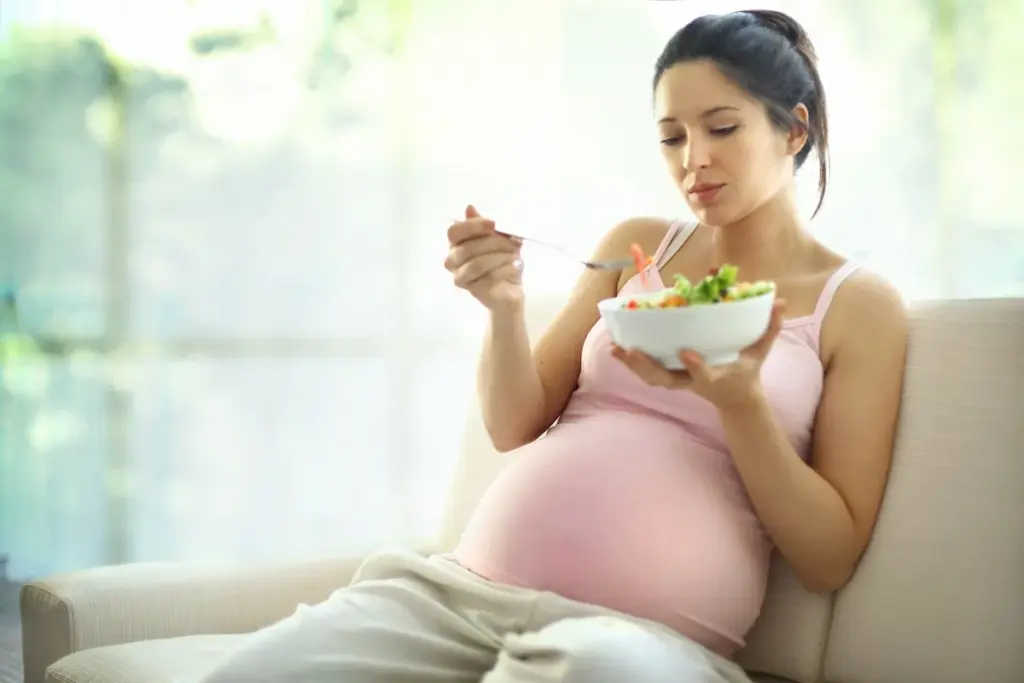
Managing anorexia nervosa during pregnancy is tough for both mom and baby. Women with eating disorders may feel like they’re losing control over their bodies and lives.
Telling your healthcare team about your eating disorder is key. At Liv Hospital, we focus on you and offer a team approach for pregnant women with anorexia nervosa.
We know anorexia during pregnancy needs careful handling to avoid risks like miscarriage, early birth, and small babies. Our goal is to give top-notch care and support to patients from around the world.
Key Takeaways
- Pregnant women with anorexia nervosa face higher risks of miscarriage and early birth.
- Comprehensive care is essential for managing anorexia during pregnancy.
- Honesty about eating disorder history is key for managing risks.
- A team approach includes medical, nutritional, and psychological support.
- Liv Hospital offers patient-focused care for pregnant women with anorexia nervosa.
Understanding the Risks of Anorexic Pregnancy

Pregnancy in women with anorexia is complex and risky for both mom and baby. It’s important to know the possible problems that can happen.
Maternal Health Complications
Women with anorexia during pregnancy face many health risks. These include:
- Anemia: A condition with low red blood cells, causing fatigue and more.
- Cesarean Delivery: They might need a cesarean due to pregnancy issues.
- Other Complications: Like preeclampsia and gestational diabetes, which are also risks.
These health issues show why it’s vital to watch and manage the mom’s health closely.
Fetal Development Concerns
Anorexia can affect the baby’s growth. Key worries are:
- Intrauterine Growth Restriction (IUGR): The baby might not grow right because of poor nutrition.
- Preterm Birth: Babies might be born too early.
- Small-for-Gestational Age Births: Babies could be smaller than expected.
These issues stress the need for good nutrition and watching the baby’s growth closely.
Statistical Risks and Outcomes
Studies show that anorexia in pregnancy raises the risk of bad outcomes. For example:
- Women with anorexia are 2.3 times more likely to have low birth weight babies.
- There’s a 1.99 times increased risk of the baby not surviving.
Knowing these risks helps doctors plan better care for these pregnancies.
Essential Medical and Nutritional Management Strategies

Managing anorexia during pregnancy needs a detailed plan. It must cover both medical and nutritional aspects. A multidisciplinary healthcare team and specific nutritional advice are key. They help keep the mother and baby healthy.
Multidisciplinary Healthcare Team Approach
A team of experts, like obstetricians, dietitians, and mental health specialists, is vital. A dietitian with expertise in eating disorders can make a meal plan. It meets the pregnancy’s nutritional needs while supporting the mother’s recovery.
- Obstetricians watch for any pregnancy issues linked to anorexia.
- Dietitians adjust meal plans for enough nutrition.
- Mental health professionals offer support for the eating disorder.
Addressing Critical Nutritional Deficiencies
Pregnant women with anorexia may face iron, folate, zinc, and vitamin A deficiencies. These can harm both the mother and the baby. It’s important to fix these through diet changes and supplements if needed.
- Iron supplements help prevent or treat anemia.
- Folate is key to avoid neural tube defects.
- Zinc supports fetal growth.
- Vitamin A is vital for the mother and the fetus.
Weight Gain Guidelines and Monitoring
Right weight gain is vital for the mother and baby’s health. Healthcare providers set weight gain guidelines based on the mother’s pre-pregnancy BMI and health. Regular weight checks and other health monitoring ensure a healthy pregnancy.
By using a detailed and team-based approach to manage anorexia in pregnancy, we can reduce risks. This helps support a healthy outcome for both the mother and the baby.
Psychological Support and Relapse Prevention
Pregnant women with anorexia nervosa need strong psychological support. This is to manage their condition well and avoid relapse. About 25 percent of women with eating disorders may relapse during pregnancy. So, ongoing psychological care is key.
Therapeutic Interventions During Pregnancy
Cognitive Behavioral Therapy (CBT), interpersonal psychotherapy (IPT), and exposure therapy help. These therapies tackle the mental side of anorexia nervosa. They give coping tools and strategies for pregnancy stress.
A study in Frontiers in Psychology shows these therapies work for pregnant women. They improve mental health outcomes.
Building a Support System
Having a strong support system is essential for pregnant women with anorexia. Family, friends, and healthcare providers offer emotional support and watch over their condition. A supportive environment lowers stress and anxiety that can lead to relapse.
We suggest pregnant women with anorexia identify their support networks early. This proactive step boosts their ability to manage their condition.
Postpartum Planning and Continued Care
Postpartum planning is vital to prevent relapse. Women with anorexia nervosa need ongoing care after giving birth. This includes therapy, nutritional counseling, and monitoring by healthcare providers.
A detailed postpartum care plan is important. It should cover both physical and mental needs of new mothers with anorexia nervosa.
Conclusion
Anorexic pregnant women face special challenges. They need careful management to ensure the best outcomes for both mom and baby. We’ve looked at the risks, like health problems for the mom and concerns for the baby’s growth.
A team of healthcare professionals is key in managing anorexic pregnancies. It’s important to be honest with doctors to lower risks. Addressing nutritional needs and providing emotional support can help.
Pregnant women with anorexia need close monitoring and guidance on weight gain. They also need therapy and a support system to prevent relapse. Planning for after the baby is born is also important for the mom’s recovery.
In short, safely managing anorexia during pregnancy needs a detailed and team-based approach. Understanding the risks and using effective strategies can improve health outcomes for both mom and baby.
FAQ
What are the risks associated with anorexia during pregnancy?
Women with anorexia during pregnancy face serious health risks. They might have anemia and need a cesarean delivery. Their babies could have low birth weight or even be born too early.
How is anorexia nervosa managed during pregnancy?
A team of doctors, nutritionists, and therapists work together to help. They focus on getting the woman’s nutrition right and keeping an eye on the baby’s growth.
What kind of nutritional support is recommended for pregnant women with anorexia?
Women with anorexia need a special diet plan and advice from nutritionists. This ensures they get the nutrients they and their baby need.
What therapeutic interventions are available for pregnant women with anorexia?
Counseling and therapy are key during pregnancy. They help manage anorexia and prevent relapse. Having a strong support system is also important.
How can relapse be prevented in pregnant women with anorexia after giving birth?
To avoid relapse, women need ongoing care after birth. This includes therapy, monitoring for signs of relapse, and staying healthy.
Can anorexia nervosa affect fetal development during pregnancy?
Yes, anorexia can harm the baby’s growth in the womb. It’s vital to manage anorexia to protect the baby’s health.
What is the importance of a multidisciplinary healthcare team in managing anorexia during pregnancy?
A team of experts is critical for managing anorexia in pregnancy. They create a tailored care plan to meet the woman’s needs.
References
National Center for Biotechnology Information. Evidence-Based Medical Guidance. Retrieved from
https://pubmed.ncbi.nlm.nih.gov/35339207/[2