
Recovering from bulimia nervosa needs a full approach. It must tackle the physical, emotional, and mental sides of this eating disorder.
We know bulimia nervosa is a serious issue. It involves binge eating followed by actions to make up for it. This affects millions around the world.
At Liv Hospital, we see how key early action is in bulimia nervosa recovery. With 1.0% of people affected, it’s important to know about it. We must understand its definition, how common it is, and its key facts.
Key Takeaways
- Understanding bulimia nervosa is key for recovery.
- Bulimia nervosa affects 1.0% of the general population.
- Recovery is possible with a full treatment plan.
- Early action and help are very important.
- Liv Hospital offers top-notch care for bulimia nervosa patients.
Understanding Bulimia Nervosa in a Sentence and Beyond
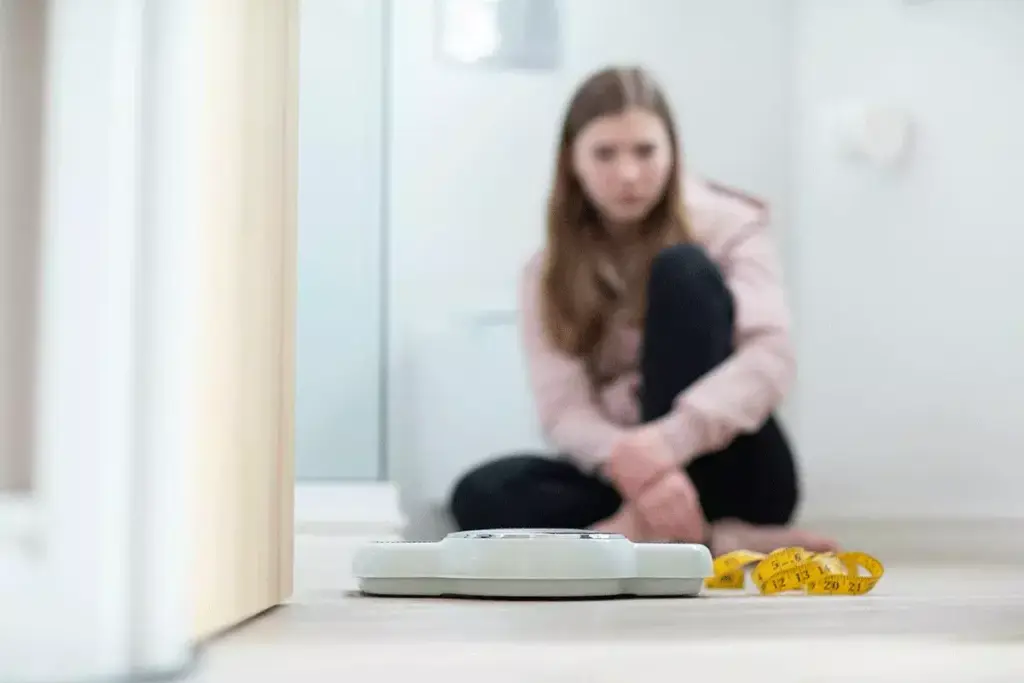
Bulimia nervosa is an eating disorder marked by binge eating and then trying to lose weight. This can include purging or too much exercise. It’s a serious issue that affects many people.
Recognizing the Cycle: Binge Eating and Compensatory Behaviors
The cycle of bulimia starts with binge eating. This is when someone eats a lot of food quickly, feeling out of control. Then, they try to avoid weight gain by purging, using laxatives, or exercising too much. This cycle is hard to stop without help.
Who Is Affected: Demographics and Risk Factors
Bulimia mostly hits teen girls and young women, aged 12 to 35. The average start age is 18. About 1% of people will have bulimia at some point, with women being more likely at 1.5% compared to 0.5% for men.
Things like societal pressure, genes, and mental health can raise the risk. These factors play a big role.
Physical and Psychological Health Impacts
Bulimia affects both body and mind. It can cause problems like electrolyte imbalances and tooth decay. It also leads to depression, anxiety, and low self-esteem.
Without treatment, bulimia can have serious effects. It’s important to get help early and get the right treatment.
Starting Your Recovery Journey

The journey to recover from bulimia nervosa begins with a decision to seek help. It’s a process that involves understanding the condition, getting professional help, and building a supportive network.
Acknowledging the Problem and Seeking Help
Recognizing bulimia nervosa is a key first step. It’s important to know that this condition is complex. It’s influenced by genetics, environment, and psychology.
Genetics play a big role, with 30% to 80% of the risk. Environmental stress and cultural body image pressures also matter.
Finding the Right Treatment Team
Building a treatment team is essential for recovery. This team includes healthcare providers, therapists, and nutritionists who focus on eating disorders. A collaborative approach ensures complete care, tackling both physical and mental aspects of bulimia nervosa.
Creating a Supportive Environment
Creating a supportive environment is key for recovery. Family and friends can offer emotional support and help ease fears about recovery. With the help of medical professionals, family, friends, and peers in recovery, you can feel more patient and accepted.
| Support System | Role in Recovery |
| Family and Friends | Provide emotional support and help alleviate recovery fears |
| Medical Professionals | Offer professional guidance and treatment |
| Peers in Recovery | Share experiences and provide mutual support |
Daily Management Strategies for Long-term Success
Effective daily management strategies are key to beating bulimia nervosa and staying healthy long-term. Recent studies show bulimia nervosa is as deadly as anorexia nervosa. This highlights the need for full care.
Nutritional education and meal planning are core parts of treating bulimia nervosa. By learning healthy eating patterns, people can manage their condition better. This means making meal plans with clear meals and snacks to promote healthier eating.
Establishing Healthy Eating Patterns
Creating a structured eating plan is vital. It should match the person’s nutritional needs and likes, making it doable and lasting. Nutritional education is key here, teaching people to choose food wisely.
Developing Positive Body Image
Building a positive body image is also key in recovery. It means fighting negative body views and boosting self-esteem. Cognitive-behavioral therapy (CBT) can help people see themselves more positively.
Building Coping Skills Beyond Food
It’s important to develop coping skills not linked to food or eating. This could be through sports, mindfulness, or hobbies. Finding other ways to deal with stress and emotions helps avoid bingeing or purging.
By using these daily strategies, people can greatly improve their recovery. They move towards a healthier, more balanced life.
Conclusion: Maintaining Recovery and Moving Forward
As you work to beat bulimia nervosa, keeping up with recovery is key. You might start eating in a more flexible way over time. But remember, there’s no single right way to eat after you’ve recovered.
Keep adding to the strategies that have worked for you. This could mean healthy eating, a positive body image, or learning to deal with feelings without food. This way, you’ll be ready for any challenges and keep moving forward with confidence.
Recovery is a journey that never really ends. It takes time, care for yourself, and support from others. Stay true to your recovery goals and get help when you need it. This will lead to a life full of health and happiness, with a good relationship with food and your body.
FAQ
What is bulimia nervosa?
Bulimia nervosa is a serious eating disorder. It involves binge eating and then trying to get rid of the calories. This can include vomiting, using laxatives, or exercising too much.
How common is bulimia nervosa?
Bulimia nervosa affects many people worldwide. It is found in about 1-3% of women and 0.1-0.5% of men. But, the real number might be higher because not everyone reports it.
What are the physical health impacts of bulimia nervosa?
Bulimia nervosa can cause serious health problems. These include imbalances in electrolytes, stomach issues, tooth decay, and heart problems. These issues come from the bingeing and purging cycle.
How can I support a loved one recovering from bulimia nervosa?
Supporting a loved one with bulimia nervosa means being understanding and patient. It’s also important to set clear boundaries and avoid topics that might trigger bad behaviors.
What are some effective daily management strategies for bulimia nervosa recovery?
Daily strategies for recovery include eating regularly and having a positive body image. It’s also helpful to learn new ways to cope, like mindfulness, exercise, or creative activities.
Can bulimia nervosa be treated, and what are the treatment options?
Yes, bulimia nervosa can be treated. Treatment includes therapy, nutrition counseling, and sometimes medication. The right treatment depends on the person’s needs and how severe their condition is.
How long does recovery from bulimia nervosa take?
Recovery from bulimia nervosa takes a lot of time and effort. It can last different lengths for different people. Factors like treatment success and support systems play a big role.
References
National Center for Biotechnology Information. Evidence-Based Medical Guidance. Retrieved from
https://pubmed.ncbi.nlm.nih.gov/10211167/