
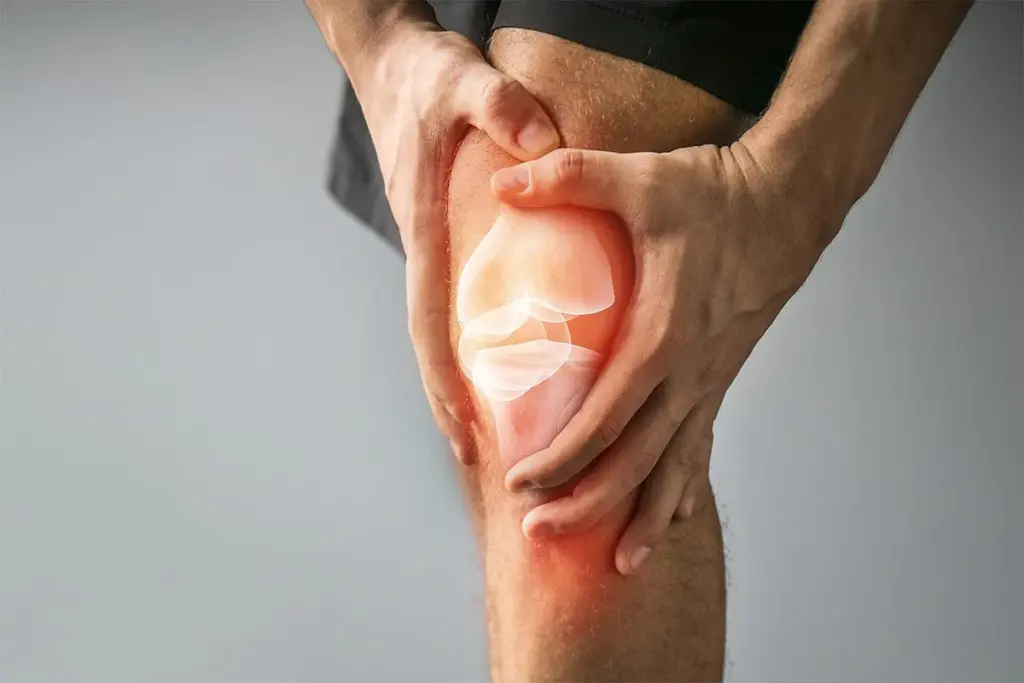
Knee effusion, also known as water or fluid on the knee, is when too much fluid builds up in the knee. This can happen due to injury, arthritis, or infection. It leads to swelling, stiffness, and pain.
At Liv Hospital, we know how vital knee effusion management is. We offer top-notch care with international standards and proven treatment plans. This helps patients with this condition get better.
It’s key to understand what knee effusion is and its effects. We’ll walk you through the reasons, signs, and ways to treat it. This will help you manage your condition better.
Key Takeaways
- Understanding knee effusion and its causes
- Recognizing the symptoms of knee effusion
- Exploring treatment options for knee effusion management
- The importance of evidence-based care pathways
- Liv Hospital’s approach to managing knee effusion
Understanding Knee Effusion and Suprapatellar Joint Effusion
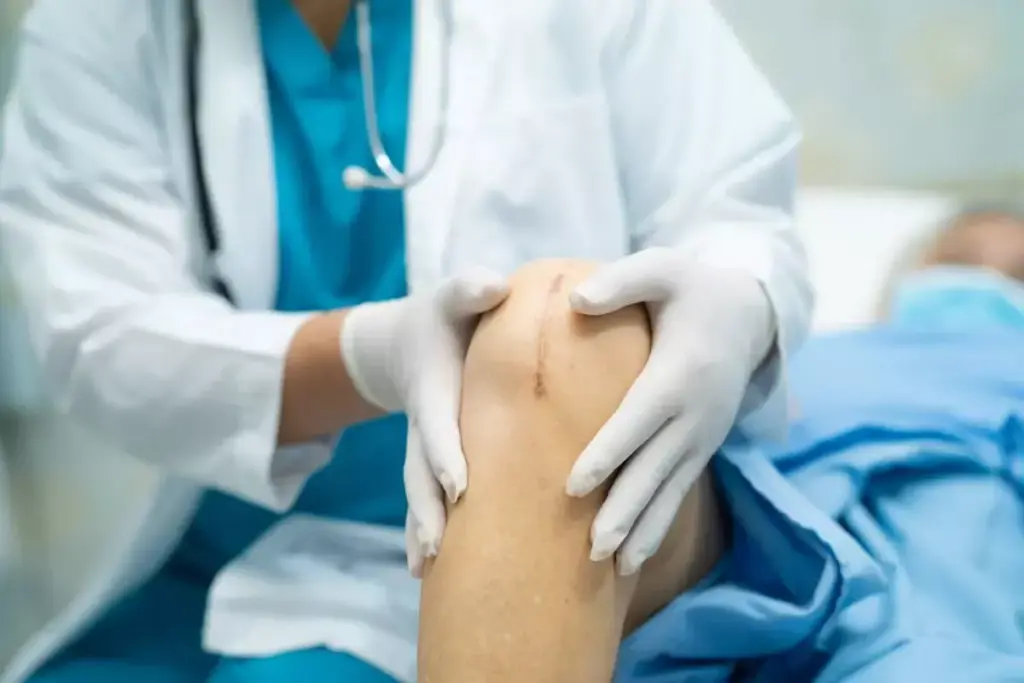
Knee effusion is a common issue where fluid builds up in the knee. It can cause pain and make it hard to move. Knowing what causes it, its symptoms, and how to treat it is key.
Definition and Prevalence of Knee Effusion
Knee effusion, or fluid in the knee, means too much fluid in the joint. It can happen due to injuries, infections, or inflammation. About 27% of people will get knee effusion at some time, showing it’s quite common.
Common Causes of Fluid Accumulation
Fluid in the knee can come from several reasons:
- Traumatic injuries, like sprains or fractures
- Inflammatory conditions, like arthritis or bursitis
- Degenerative changes from osteoarthritis
- Infections in the joint
Knowing the cause is important for treating suprapatellar joint effusion and other knee effusions.
Classification of Effusion Severity
The severity of knee effusion depends on the amount of fluid and symptoms. This helps decide the best treatment:
- Mild effusion: Little fluid, mild symptoms
- Moderate effusion: More fluid, noticeable symptoms
- Severe effusion: A lot of fluid, serious symptoms, limits movement
Getting the severity right is key for effective treatment of joint effusion knee.
Diagnosing Knee Effusion: Signs and Symptoms
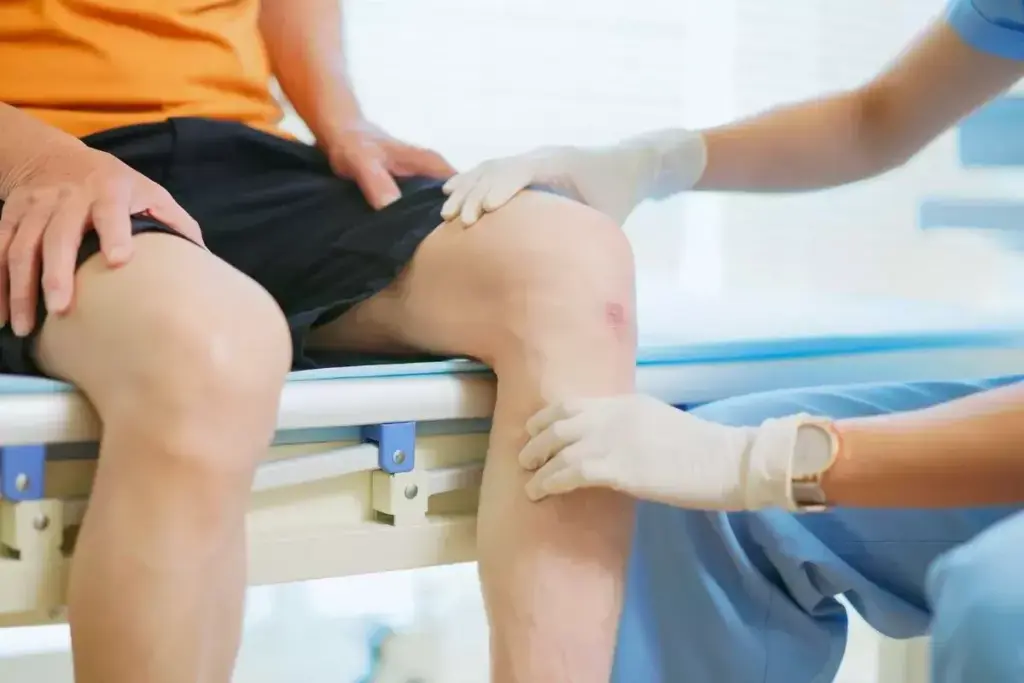
Knee effusion is when fluid builds up in the knee joint. It shows clear signs and symptoms that help doctors diagnose it. Knowing these signs is key for doctors to treat it well.
Clinical Presentation and Physical Examination
Knee effusion shows as swelling, pain, stiffness, and less movement in the knee. Swelling is the most obvious sign, caused by fluid in the joint. People might feel pain, which can be mild or severe, based on the cause and fluid amount.
Doctors use physical exams to spot knee effusion. They check for swelling, warmth, and tenderness. The ballottement test and milking maneuver are special tests to find fluid in the knee. These tests show if there’s fluid and how much.
Diagnostic Imaging and Laboratory Tests
Imaging tests are key to confirm knee effusion and see how bad it is. X-rays can spot bone issues or joint narrowing. Ultrasound is great for finding fluid in the joint. Sometimes, MRI is used to check soft tissue damage or find the cause of the effusion.
Laboratory tests, like arthrocentesis (joint aspiration), can check the synovial fluid. This can show if there’s infection, inflammation, or other issues. The test results help doctors figure out why the effusion happened and how to treat it.
Doctors use signs, physical exams, and test results to diagnose knee effusion. They then create a treatment plan that fits the patient’s needs.
Treatment Options for Knee Effusion
Knee effusion treatment varies based on the condition’s severity and cause. We’ll look at different methods, from simple treatments to more complex surgeries. This will help you understand how to manage knee effusion effectively.
Conservative Management Approaches
For knee effusion, the first step is often conservative management. This includes:
- Rest and activity modification to reduce strain on the knee.
- Ice and compression to alleviate pain and swelling.
- Physical therapy to improve knee mobility and strength.
These methods work well for mild to moderate cases and help manage symptoms.
Medical Interventions
When conservative methods don’t work, medical interventions are needed. These include:
- Nonsteroidal anti-inflammatory drugs (NSAIDs) to reduce pain and inflammation.
- Corticosteroid injections to decrease inflammation and relieve pain.
Medical treatments are great for controlling pain and swelling in knee effusion.
Surgical Options for Severe or Persistent Cases
For severe or ongoing knee effusion, surgery might be an option. This includes:
- Arthroscopy to examine the joint and remove any damaged tissue or debris.
- Joint aspiration to drain excess fluid from the knee.
Surgery is usually for cases that don’t improve with other treatments.
Here’s a quick overview of knee effusion treatment options:
| Treatment Approach | Description | Benefits |
| Conservative Management | Rest, ice, compression, and physical therapy | Non-invasive, reduces symptoms |
| Medical Interventions | NSAIDs and corticosteroid injections | Reduces pain and inflammation |
| Surgical Options | Arthroscopy and joint aspiration | Effective for severe or persistent cases |
Conclusion: Long-term Management and Prevention
Managing knee effusion well means understanding it, diagnosing it, and knowing how to treat it. To keep it from coming back, making lifestyle changes is key.
Keeping a healthy weight and strengthening your knee muscles are important. Also, avoid doing the same high-impact activities over and over. This helps prevent knee effusion from happening again.
Using imaging like a knee xray is important for tracking the condition. It helps doctors decide on the best treatment. By following a detailed management plan and making lifestyle changes, you can manage your condition better. This improves your overall quality of life.
Getting advice from a professional is vital for a personalized plan. With the right strategy, you can lower the risk of problems and get the best results.
FAQ’s:
What is knee effusion?
Knee effusion is the buildup of excess fluid inside or around the knee joint, commonly called “water on the knee.”
What causes fluid accumulation in the knee joint?
It is caused by injury, infection, overuse, or conditions such as Osteoarthritis, Rheumatoid arthritis, and Gout.
How is knee effusion diagnosed?
Diagnosis involves physical examination, medical history, joint aspiration if needed, and imaging tests like X-ray, ultrasound, or MRI.
What are the treatment options for knee effusion?
Treatment may include rest, ice, compression, elevation (RICE), anti-inflammatory medications, physical therapy, joint aspiration, or surgery in severe cases.
How can knee effusion be managed long-term?
Long-term management focuses on treating the underlying cause, maintaining a healthy weight, strengthening knee muscles, and regular medical follow-up.
What is suprapatellar effusion?
Suprapatellar effusion is the accumulation of fluid in the suprapatellar pouch located above the kneecap (patella).
How is the severity of knee effusion classified?
Severity is classified as mild, moderate, or severe based on the amount of swelling, pain, and limitation of joint movement.
Can knee effusion be prevented?
Knee effusion can be reduced or prevented by preventing injuries, managing chronic joint conditions, staying active, and maintaining proper body weight.
References:
National Center for Biotechnology Information. Evidence-Based Medical Insight. Retrieved from https://pubmed.ncbi.nlm.nih.gov/25962464/



 Departments
 Related Videos
 Our Doctors
 News
News