Cochlear implant surgery is a well-established procedure that has helped millions of patients worldwide regain their hearing. Understanding the recovery process and managing post-operative symptoms is key for the best results.
After the surgical procedure, patients might feel mild to moderate pain, headaches, dizziness, or temporary taste changes. These symptoms are usually short-lived and can be managed with the right care.
At Liv Hospital, we help our patients through the recovery, giving them all the support they need for a smooth and successful outcome. Knowing what to expect helps patients manage their symptoms better and get the most from their cochlear implant surgery.
Key Takeaways
- Understanding the cochlear implant surgical procedure helps in managing expectations.
- Common post-operative symptoms include pain, headaches, and dizziness.
- Proper care and support are key for managing these symptoms.
- Liv Hospital provides extensive support for international patients.
- Managing symptoms effectively leads to the best outcomes.
Understanding Cochlear Implant Surgery

For those with severe hearing loss, cochlear implant surgery can change their life. This surgery is a complex medical process. It aims to bring back hearing by several important steps.
The Surgical Procedure Explained
The surgery to get a cochlear implant is detailed. It starts with an incision behind the ear. Then, a small opening is made in the cochlea, and electrode arrays are inserted carefully. This whole process usually takes 2 to 4 hours. It’s done under general anesthesia to keep the patient comfortable.
Expected Recovery Timeline
The first few days after surgery are key. They usually last 24 to 48 hours. During this time, patients are watched closely for any immediate problems.
How long it takes to fully recover can vary. But most people can get back to their usual activities in a few weeks.
Common Post-Operative Symptoms
After surgery, patients might feel a few things. These include:
- Dizziness or vertigo
- Mild pain around the incision site
- Discomfort or swelling behind the ear
- Taste disturbances
These symptoms are usually short-lived and can be managed with proper care. Knowing about these symptoms can help patients prepare for their recovery.
Managing Side Effects After Cochlear Implant Surgery

After cochlear implant surgery, patients often face side effects. It’s important to manage these well for a smooth recovery. We’ll talk about managing pain, dizziness, taste changes, and wound care to prevent infections.
Pain Management Strategies
Pain is a common side effect after surgery. Our team suggests a pain plan that fits each person. This might include medicine and other methods.
For more info on recovering from cochlear implant surgery, check out Guys and St Thomas NHS.
| Pain Management Method | Description | Benefits |
| Medication | Prescribed pain relief medication | Effective for managing post-operative pain |
| Rest | Adequate rest and relaxation | Helps in reducing overall discomfort |
Dealing with Dizziness and Vertigo
Dizziness and vertigo can happen after surgery. These can be managed with therapy and exercises.
Addressing Taste Disturbances
Some people might notice changes in taste after surgery. These usually go away on their own. But sometimes, they can last longer and need more attention.
Wound Care and Infection Prevention
Good wound care is key in the first few weeks. Keep the incision clean and dry, as your surgeon advises. Watch for any signs of infection.
- Keep the incision site clean
- Follow surgeon’s instructions for wound care
- Monitor for signs of infection
Conclusion: Long-Term Recovery and Adaptation
Managing side effects after cochlear implant surgery is a journey. It goes beyond the surgery itself. Long-term recovery and adapting to the implant are key. They need patience, dedication, and lots of support.
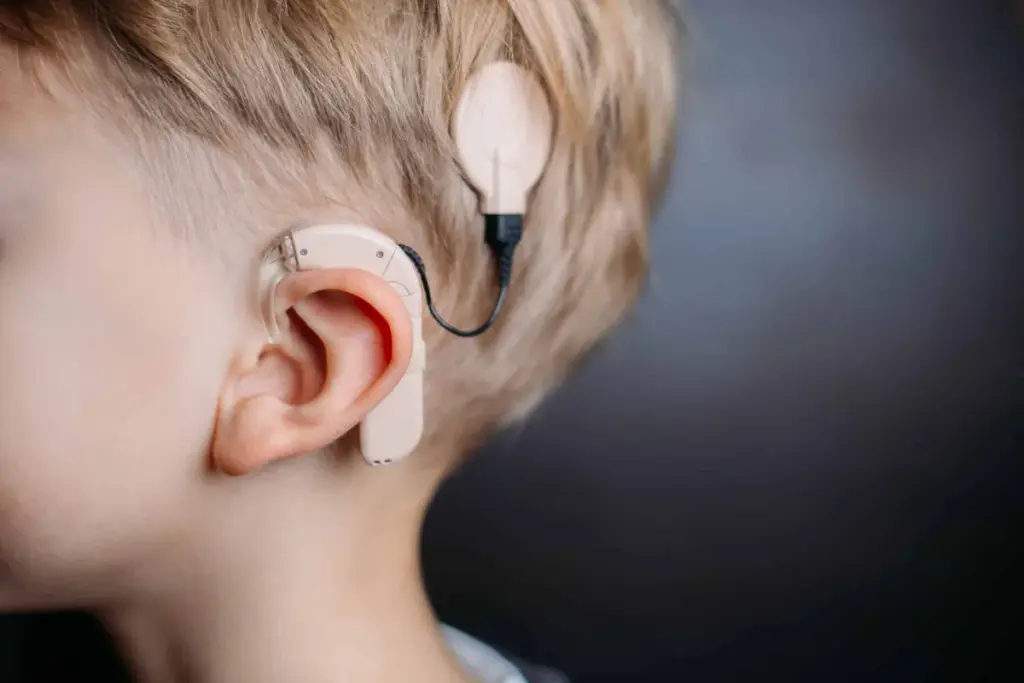
The external processor is turned on 2-4 weeks after surgery. This is when the brain starts to understand new sounds. You’ll do exercises, speech therapy, and see your audiologist for adjustments.
It’s important to work with your audiologist to get the most out of your implant. With the right help, you can greatly improve your life. It might take months to a year, but it’s worth it.
By sticking to the rehabilitation program, you can get the most from your implant. This leads to a better life with better hearing.
FAQ
What is the cochlear implant surgery process?
The cochlear implant surgery process is a multi-step medical journey that begins with a comprehensive evaluation by an audiologist and an ENT surgeon to confirm candidacy through hearing tests and imaging like CT or MRI scans. Once cleared, the patient undergoes the actual surgical procedure under general anesthesia, where the internal components are placed. Following surgery, there is a healing period of several weeks before the patient returns for the “activation” or “switch-on,” where the external processor is programmed. The final and most critical phase is long-term auditory rehabilitation, where the patient works with specialists to train their brain to interpret the new electrical signals as meaningful sound.
How long does cochlear implant surgery take?
The actual surgical procedure typically takes between one and a half to three hours per ear, depending on the complexity of the patient’s anatomy. If a patient is receiving implants in both ears during the same session, the time in the operating room will naturally be longer, often reaching four to five hours. This duration does not include the time required for preoperative preparation or the period spent in the recovery room as the anesthesia wears off, so patients should generally expect to be at the hospital for most of the day.
What are the common post-operative symptoms after cochlear implant surgery?
After the procedure, it is common to experience a variety of temporary symptoms including mild to moderate pain or pressure behind the ear, localized swelling, and a feeling of fullness in the head. Some patients report a “popping” or clicking sound as the ear heals, while others may notice a temporary change in their sense of taste or minor numbness around the incision site. Dizziness and a sense of imbalance are also frequently reported in the first few days as the inner ear adjusts to the presence of the new electrode array.
How can I manage pain after cochlear implant surgery?
Pain management usually involves a combination of prescribed or over-the-counter pain relievers and simple home care techniques. Surgeons often recommend using acetaminophen or ibuprofen to manage soreness, though stronger medications may be provided for the first day or two if necessary. Applying a cold compress to the area around the dressing (not directly on the incision) can help reduce swelling and numb the discomfort. It is also important to keep the head elevated while resting to minimize pressure buildup, which significantly contributes to post-surgical pain.
How can I deal with dizziness and vertigo after cochlear implant surgery?
Dizziness is a common side effect because the surgery involves the inner ear, which is responsible for balance. To manage this, patients are advised to move slowly and avoid sudden head movements or bending over during the first week of recovery. If the vertigo is significant, doctors may prescribe anti-nausea or anti-dizziness medications to help bridge the gap while the vestibular system stabilizes. Most patients find that these symptoms resolve naturally within a few days to a week as the inflammation subsides and the body adapts.
What is the expected recovery timeline after cochlear implant surgery?
The recovery timeline generally begins with a few days of restful home care, with most patients feeling well enough to return to light, sedentary activities within a week. The surgical incision typically heals on the surface within 10 to 14 days, at which point any external sutures are removed. However, full internal healing of the bone and tissues takes about three to four weeks, which is why surgeons mandate a waiting period before the external device is attached and activated. Most people are completely back to their normal physical routines by one month post-surgery.
How can I prevent infection after cochlear implant surgery?
Preventing infection is centered on keeping the surgical site clean and dry according to the surgeon’s specific instructions. You will typically have a large pressure bandage for the first 24 hours, after which you must be careful not to get the incision wet until cleared by your doctor—usually about 3 to 5 days. It is vital to avoid swimming or submerging the head in water for several weeks and to always wash your hands before touching the area near the ear. Your medical team may also prescribe a short course of antibiotics as a prophylactic measure to ensure the internal implant remains sterile during the initial healing phase.
Do I need to have surgery to have a cochlear implant?
Yes, surgery is a mandatory requirement for a cochlear implant because the device relies on an internal electrode array that must be physically placed inside the cochlea of the inner ear. While traditional hearing aids sit in the ear canal or behind the ear, a cochlear implant must bypass the non-functional parts of the ear to stimulate the auditory nerve directly. There are currently no non-surgical methods to achieve this level of direct neural stimulation, making the procedure an essential step for anyone pursuing this technology.
What is the cochlear implant surgical procedure?
During the surgical procedure, the surgeon makes a small incision behind the ear to access the mastoid bone and creates a small “well” to hold the internal receiver-stimulator in place. A microscopic opening is then made in the cochlea, and the thin, flexible electrode array is gently threaded into the spiral structure of the inner ear. Before finishing, the surgeon often uses a computer to test the implant’s electrical responses while the patient is still asleep to verify that the device is functioning and the nerve is responding correctly before the skin is sutured closed.
How long does it take to recover from cochlear implant surgery?
Total recovery time varies, but the vast majority of patients are functionally recovered and back to their standard daily routines within two to four weeks. While the physical discomfort usually vanishes within the first week, the “recovery” of hearing is a much longer process that only begins once the device is activated a month after surgery. It is important to view the surgical recovery as just the first milestone in a broader journey that involves months of auditory training to achieve the best possible hearing results.
References
National Center for Biotechnology Information. Evidence-Based Medical Insight. Retrieved from https://pmc.ncbi.nlm.nih.gov/articles/PMC12646197/