Breast lift surgery is a common procedure, and scarring is a concern for many patients. We understand that scarring can be a significant worry. But with modern surgical techniques and proper care, it’s possible to minimize their appearance.
Choosing an experienced plastic surgeon is key to minimizing scarring. At leading medical centers like Liv Hospital, they combine international standards with meticulous technique. This ensures optimal results. By following post-operative instructions carefully, patients can significantly reduce the visibility of scars.
Modern techniques in mastopexy scar revision can dramatically improve the appearance of scars. This restores both confidence and comfort. With thorough aftercare, many patients achieve minimal scarring that blends seamlessly with surrounding tissue.
Key Takeaways
- Choose an experienced plastic surgeon to minimize scarring.
- Follow post-operative instructions carefully.
- Modern surgical techniques can reduce scar visibility.
- Comprehensive aftercare is key for optimal results.
- Leading medical centers combine international standards with meticulous technique.
Understanding Breast Lift Scarring
Scarring is a big worry for many when thinking about breast lift surgery. It’s natural to be concerned about scars. Knowing what affects scar visibility is key.
Common Incision Patterns and Resulting Scars
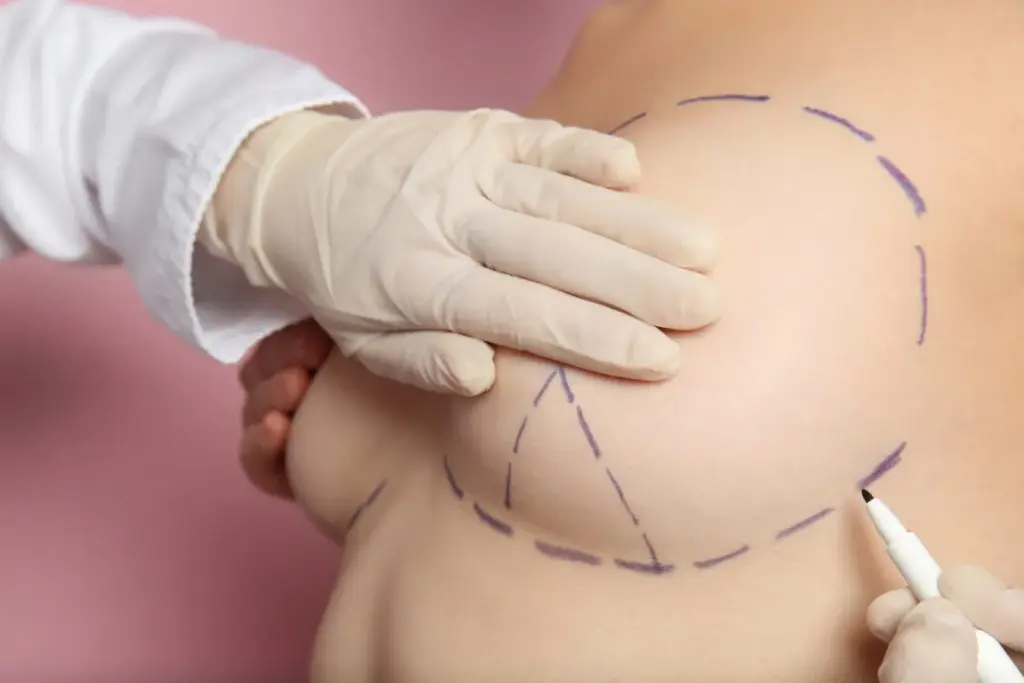
The incision pattern used in surgery greatly impacts scar location and visibility. Common methods include:
- Periareolar (around the nipple)
- Lollipop (around the nipple and vertically down to the breast crease)
- Anchor (around the nipple, vertically down to the breast crease, and along the breast crease)
Different incisions lead to different scar patterns. For example, a periareolar incision creates a scar around the nipple. An anchor incision results in a scar that follows the breast crease. The choice depends on the lift needed and the patient’s breast shape.
The Role of Genetics in Scar Formation
Genetics greatly affect how scars form. Some people are more likely to get thick or raised scars. Knowing this can help set realistic expectations about scars after surgery.
“Genetic factors can significantly influence the healing process and the resulting scar appearance.”
— Dr. Jane Smith, Plastic Surgeon
Timeline for Scar Healing and Maturation
Scar healing and maturation take time. At first, scars may look red and raised. But they usually fade over time. It can take 12 to 18 months for scars to fully mature.
| Timeframe | Scar Appearance |
| 0-3 months | Red, raised, and potentially swollen |
| 3-6 months | Starts to flatten and lighten in color |
| 6-12 months | Continues to fade and becomes less noticeable |
| 1-2 years | Most scars reach their final appearance |
Knowing these factors helps set realistic expectations for breast lift surgery. While scars are unavoidable, their extent can be lessened with the right surgery and care.
Pre-Surgery Strategies to Minimize Scarring

Pre-surgery steps are key to less scarring. Knowing these can lead to better outcomes. By choosing the right methods and making smart choices before surgery, you can lessen scar visibility after a breast lift.
Advanced Short-Scar Techniques
Advanced short-scar techniques are a top way to cut down scarring. These methods use shorter incisions than old-school breast lifts. This makes scars about 70 percent shorter. It also means scars are less noticeable and recovery is quicker.
Selecting an Experienced Plastic Surgeon
Finding a skilled plastic surgeon is vital for less scarring. An experienced surgeon knows the latest techniques, like short-scar methods. They also customize the surgery for your body and needs. Look for a surgeon with:
- Qualifications and certifications
- Experience with breast lift and other breast surgeries
- Before-and-after photos of previous patients
- Patient reviews and testimonials
Lifestyle Adjustments Before Surgery
Changing your lifestyle before surgery can also help. These changes include:
- Quitting smoking to improve circulation and healing
- Maintaining a healthy diet rich in vitamins and minerals
- Avoiding excessive sun exposure to prevent skin damage
- Staying hydrated to keep the skin healthy and resilient
By using advanced short-scar techniques, choosing a skilled surgeon, and making lifestyle changes, you can greatly reduce scar visibility after a breast lift.
Breast Scar Revision: Treatment Options
Effective breast scar revision can make breast lift surgery look better by hiding scars. Scarring is a big worry for those thinking about breast lifts.
Managing Hypertrophic and Keloid Scars
Hypertrophic and keloid scars are raised and can itch or hurt. Laser therapy is often used to make them less noticeable. We also suggest silicone gel or sheeting to improve scar look and feel.
Sometimes, steroid shots are used to shrink hypertrophic or keloid scars. These shots are put right into the scar tissue.
Treatments for Atrophic (Sunken) Scars
Atrophic scars are sunken and can be treated in different ways. Fat grafting involves moving fat to the scar to make it less visible. This can make the scar look better.
Microneedling is another option. It’s a gentle treatment that boosts collagen to fill in the scar. This can make the skin look smoother and better.
Topical Products and Silicone Treatments
Topical products, like creams and gels, can also help scars. Silicone treatments are very effective. They help flatten, soften, and fade scars. We suggest using silicone gel or sheeting as part of a scar care plan.
Other treatments include products with vitamin E or retinol. These can help skin health and make scars less noticeable.
Conclusion
Minimizing breast lift scars is key to a good outcome from mastopexy surgery. Scars are a part of the process, but they can look better with the right care. This includes mastopexy scar revision.
Understanding how scars form, like genetics and surgery methods, helps. Patients can take steps to make scars less visible. This is important.
Choosing a skilled plastic surgeon is essential for less noticeable scars. A good surgeon uses advanced techniques and gives personalized care advice. This helps scars heal better.
As scars heal, they become less noticeable over time. For more on scar revision, check out Dr. Ernest Layton’s website.
Good surgery and care lead to a natural look and less visible scars. Patients feel more confident as their scars heal. After a year, many see a big improvement in their scars.
FAQ
What are the most common types of scars after a breast lift?
After a breast lift, you might see scars from the incisions. These can be periareolar, vertical, or inframammary scars. The look of these scars depends on your skin and the surgeon’s technique.
How can I minimize scarring after a breast lift?
To reduce scarring, pick a skilled surgeon who uses new techniques. Follow their care instructions after surgery. Eating well and not smoking also helps healing.
What is the typical timeline for breast lift scar healing and maturation?
Scar healing and maturation can take 12-18 months. At first, scars might look red and raised. But they will fade and flatten over time.
Can I undergo breast scar revision if I’m not satisfied with my scars?
Yes, you can get scar revision if you’re not happy with your scars. There are many treatments, like creams, silicone, and medical procedures, to make scars look better.
How do I choose the right plastic surgeon to minimize breast lift scarring?
Look for a board-certified surgeon with lots of experience in breast lifts. Check their before-and-after photos and read reviews to see if they deliver good results.
Are there any lifestyle adjustments I can make before surgery to promote optimal healing?
Yes, making healthy choices before surgery helps healing. Eat well, drink water, don’t smoke, and avoid blood-thinning meds.
What are the treatment options for hypertrophic and keloid scars after a breast lift?
For hypertrophic and keloid scars, try silicone gel or sheeting, steroid shots, or laser treatments. These can make scars less noticeable.
Can laser treatments help with breast lift scar removal?
Laser treatments can improve breast lift scars. They boost collagen and break down scar tissue, making scars less visible.
How effective are topical products in reducing the appearance of breast lift scars?
Topical products, like creams with silicone or vitamin E, can help scars. They hydrate, promote collagen, and flatten scars.
Reference:
National Center for Biotechnology Information. Evidence-Based Medical Guidance. Retrieved from https://pubmed.ncbi.nlm.nih.gov/40259063/



 Departments
 Related Videos
 Our Doctors
 News
News