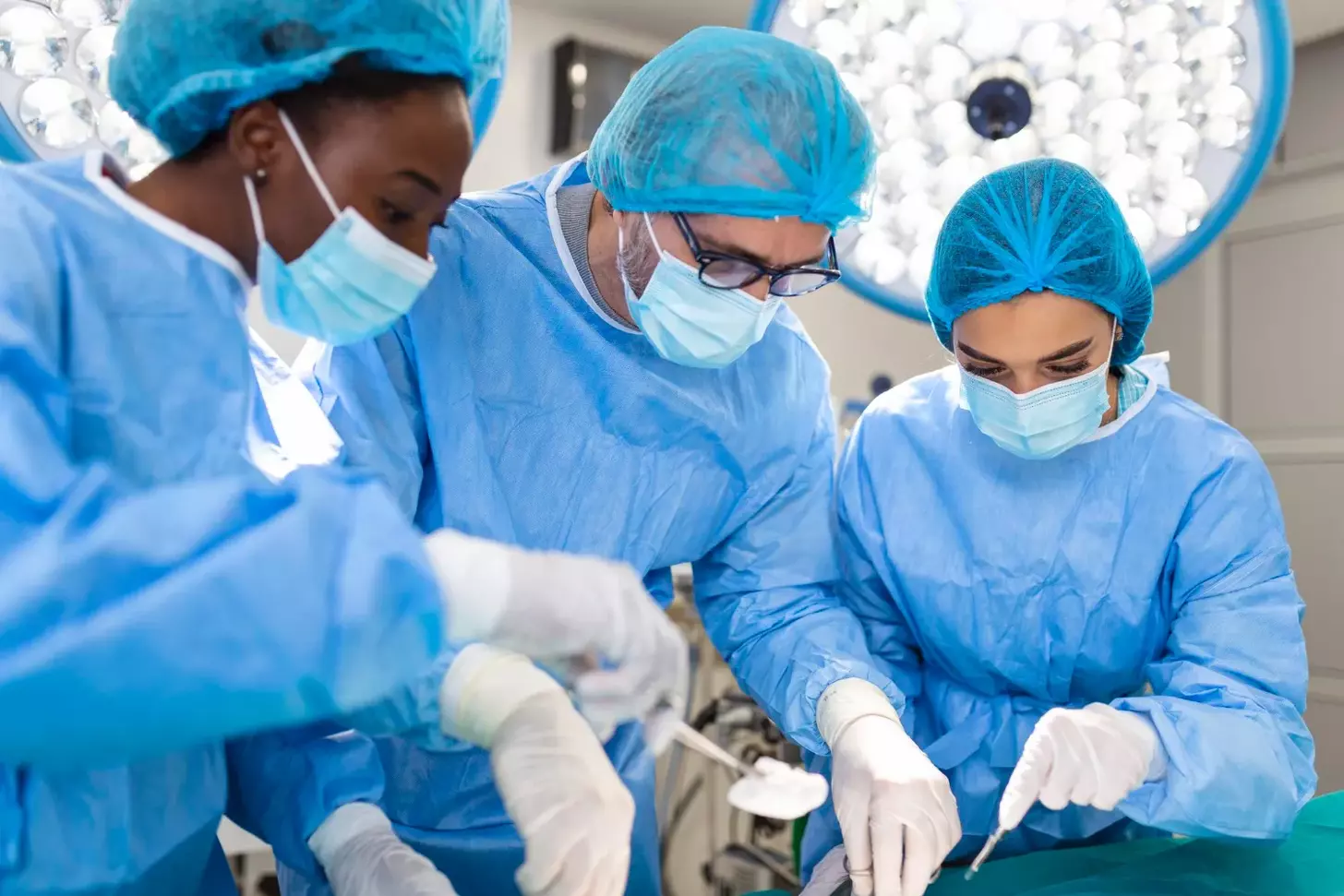
Undergoing a minimally invasive fibroid surgery can be a significant step towards regaining health and well-being. At Liv Hospital, we understand the importance of a smooth recovery process. Our patient-centered approach ensures that individuals receive comprehensive care, from preparation to post-operative support.
Compared to traditional open surgeries, minimally invasive procedures like robotic myomectomy offer a significantly shorter recovery time, typically ranging from two to four weeks. We emphasize the importance of proper post-operative care to ensure a successful outcome. Our team is dedicated to providing innovative solutions and personalized support throughout the recovery journey.
Key Takeaways
- Minimally invasive fibroid surgery offers a shorter recovery time compared to traditional open surgeries.
- Proper post-operative care is crucial for a successful recovery.
- Liv Hospital provides patient-centered care and innovative solutions for a smooth recovery.
- The typical recovery time for robotic myomectomy is two to four weeks.
- Personalized support is available throughout the recovery journey.
Understanding Robotic Myomectomy: A Minimally Invasive Approach
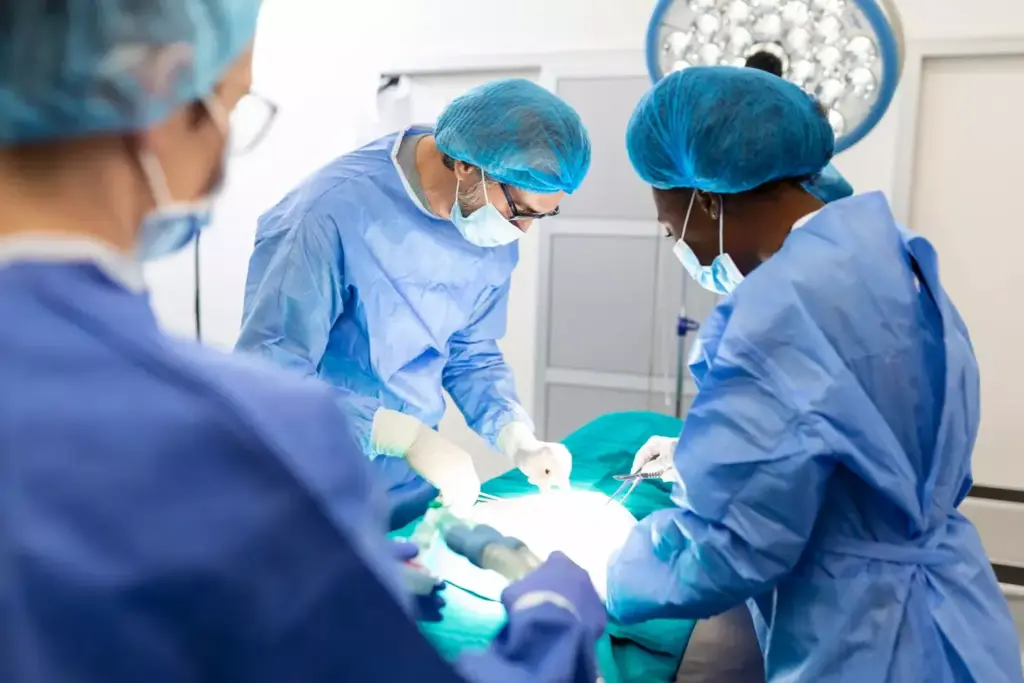
Robotic myomectomy represents a significant advancement in the treatment of uterine fibroids, offering a minimally invasive alternative to traditional surgical methods. This approach has gained popularity due to its potential for quicker recovery, minimal scarring, and safer outcomes.
What Is Robotic Myomectomy?
Robotic myomectomy is a surgical procedure that utilizes a robotic system to remove uterine fibroids while preserving the uterus. This technique is part of the broader category of laparoscopic surgeries, which are characterized by their minimally invasive nature. The robotic system enhances the surgeon’s capabilities by providing high-definition 3D visualization, precise instrumentation, and improved dexterity.
Benefits Over Traditional Open Surgery
The benefits of robotic myomectomy over traditional open surgery are multifaceted. Minimally invasive techniques result in less tissue trauma, leading to reduced post-operative pain and faster recovery times. Additionally, the precision offered by robotic systems allows for more conservative removal of fibroids, potentially reducing the risk of complications and promoting better uterine preservation.
Key differences between robotic and traditional myomectomy
When comparing robotic myomectomy to traditional (open) myomectomy, several key differences emerge. Robotic myomectomy is characterized by its minimally invasive approach, whereas traditional myomectomy involves a larger incision. This difference significantly impacts recovery, with robotic myomectomy typically offering a shorter myomectomy recovery time. For more detailed information on myomectomy surgery.
Furthermore, the precision and visualization provided by robotic systems can lead to more effective removal of fibroids, potentially improving outcomes for patients undergoing laparoscopic myomectomy or robotic myomectomy.
Preparing for Your Robotic Myomectomy Recovery
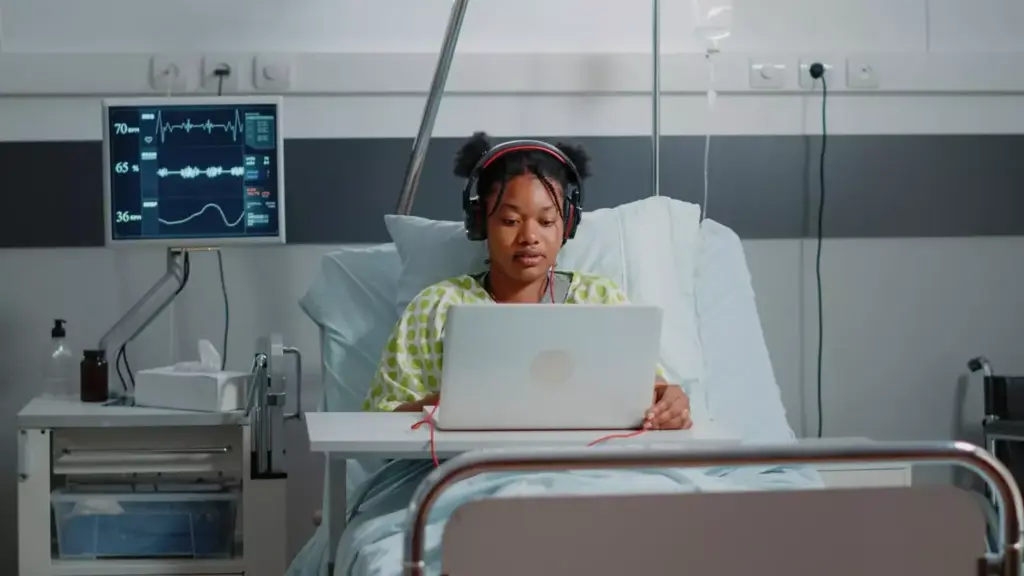
As you prepare for your robotic myomectomy, understanding the recovery process can help alleviate anxiety and ensure you’re ready for the journey ahead. Proper preparation is crucial for a smooth and successful recovery.
Pre-Surgery Preparations
Before undergoing robotic myomectomy, several steps can be taken to prepare for a successful recovery. Medical tests will be conducted to ensure you’re a suitable candidate for the procedure. It’s also important to review your medications with your doctor, as some may need to be stopped or adjusted before surgery.
Arranging for help at home post-discharge is another critical aspect of pre-surgery preparation. Having a support system in place can significantly impact your recovery experience, allowing you to focus on healing rather than managing daily tasks.
Setting Up Your Home for Recovery
Creating a comfortable recovery environment at home is vital. This includes setting up a recovery zone where you can rest without distractions or exertion. Ensure that essential items are within easy reach to minimize the need to get up and move around.
Essential Items to Have on Hand
Having the right items on hand can make a significant difference in your recovery. Some essentials include comfortable clothing, prescribed medications, and entertainment such as books or a tablet. Additionally, having a hydration plan in place and stocking up on nutritious foods can support your healing process.
By taking these steps to prepare for your robotic myomectomy, you can ensure a more comfortable and stress-free recovery. We are committed to supporting you through every step of your recovery journey, providing you with the guidance and care needed to heal effectively.
The Complete Robotic Myomectomy Recovery Timeline
Robotic myomectomy recovery is a multi-stage process that requires patience, understanding, and proper care. As we guide you through the recovery timeline, you’ll gain insights into what to expect during each phase of your healing journey.
First 24-48 Hours After Surgery
The initial 24-48 hours following robotic myomectomy are critical. Patients typically experience fatigue, discomfort, and possibly some pain, which are managed with prescribed pain medication. It’s essential to have someone available to assist with daily tasks during this period.
- Rest and avoid strenuous activities
- Follow the prescribed pain management regimen
- Stay hydrated and follow a light diet
First Week of Recovery
During the first week, patients usually start to feel slightly better, but it’s still crucial to prioritize rest and avoid heavy lifting or bending. Most patients can gradually resume light activities, such as short walks, as comfort allows.
Weeks 2-4: Progressive Healing
As you enter weeks 2-4, you’ll likely notice significant improvements in your overall condition. Many patients can return to most of their normal activities, although it’s advisable to continue avoiding heavy lifting and strenuous exercise. For more information on recovering from similar surgeries
- Gradually increase your physical activity
- Monitor your body’s response to increased activity
- Follow up with your healthcare provider as scheduled
Complete Recovery Expectations
Full recovery from robotic myomectomy typically takes between two to four weeks, with some patients returning to their normal activities sooner than others. It’s essential to follow your healthcare provider’s guidance and not rush the recovery process.
| Recovery Stage | Typical Activities | Expected Symptoms |
|---|---|---|
| First 24-48 Hours | Rest, light diet | Fatigue, discomfort, pain |
| First Week | Short walks, light activities | Gradual improvement, some discomfort |
| Weeks 2-4 | Most normal activities, avoiding heavy lifting | Significant improvement, minimal discomfort |
Managing Pain and Discomfort Effectively
Understanding how to manage pain after robotic myomectomy can significantly enhance your recovery experience. We recognize that pain management is a crucial aspect of the healing process, and we’re here to guide you through it.
Typical Pain Patterns After Robotic Myomectomy
After undergoing robotic myomectomy, patients often experience mild to moderate pain and discomfort. This is typically due to the surgical incisions and the internal healing process. The pain is usually manageable and may feel like a dull ache or sharp pains in the lower abdomen.
Prescribed Pain Management Options
We prescribe pain management medications to help control post-operative pain. These may include oral analgesics or anti-inflammatory drugs. It’s essential to follow the prescribed dosage and schedule to ensure effective pain relief. Our healthcare team will provide detailed instructions on how to use these medications safely.
Natural Pain Relief Strategies
In addition to prescribed medications, there are several natural strategies that can help alleviate pain and discomfort. These include:
- Resting in a comfortable position
- Applying heat or cold packs to the lower abdomen
- Engaging in gentle stretching exercises
- Practicing relaxation techniques such as deep breathing or meditation
When Pain Indicates a Problem
While some pain is normal after robotic myomectomy, certain types of pain can indicate potential complications. We advise you to seek medical attention if you experience:
- Severe or worsening pain
- Pain accompanied by fever, chills, or heavy bleeding
- Pain that doesn’t respond to prescribed medications
By understanding the typical pain patterns and using a combination of prescribed and natural pain relief strategies, you can manage your discomfort effectively during the recovery period. If you have any concerns about your pain or overall recovery, don’t hesitate to reach out to our healthcare team.
Recognizing Warning Signs and Complications
Robotic myomectomy recovery requires vigilance; knowing what to watch out for can make all the difference. While robotic myomectomy is a minimally invasive procedure, as with any surgery, there are potential complications to be aware of.
Signs of Internal Bleeding After Myomectomy
Internal bleeding is a rare but serious complication. Watch for signs such as severe abdominal pain, heavy vaginal bleeding, or dizziness. If you experience any of these symptoms, it’s crucial to seek medical help immediately.
Infection Symptoms to Watch For
Infections can occur after any surgery. Be aware of fever, chills, or increasing abdominal pain, as these could be signs of an infection. Additionally, watch for redness, swelling, or discharge around the incision sites.
When to Call Your Doctor Immediately
If you experience any of the following, don’t hesitate to contact your healthcare provider: severe pain not relieved by medication, heavy bleeding, fever over 100.4°F (38°C), or signs of infection. It’s always better to err on the side of caution when it comes to your health.
We understand that recovering from a robotic myomectomy can be a challenging time, both physically and emotionally. Our team is committed to supporting you through this journey, providing the care and guidance you need to recognize and respond to any potential complications.
Nutrition and Hydration for Optimal Healing
Proper nutrition and adequate hydration are essential components of a successful recovery plan following robotic myomectomy. A well-balanced diet rich in nutrients supports the body’s healing process, while hydration helps in maintaining the body’s functions and promoting recovery.
Foods That Promote Healing
Consuming the right foods can significantly impact your recovery. Nutrient-dense foods such as fruits, vegetables, lean proteins, and whole grains provide the necessary building blocks for healing. Foods high in vitamin C, like citrus fruits and berries, can boost collagen synthesis and enhance wound healing.
- Lean proteins (chicken, fish, tofu) for tissue repair
- Leafy greens (spinach, kale) rich in vitamins and minerals
- Berries and citrus fruits high in vitamin C
- Nuts and seeds (almonds, chia seeds) for omega-3 fatty acids
- Whole grains (brown rice, quinoa) for fiber and nutrients
A registered dietitian once said,
“The right nutrition can make a significant difference in a patient’s recovery journey, providing them with the necessary energy and nutrients to heal effectively.”
Staying Hydrated During Recovery
Staying hydrated is crucial for the body’s recovery process. Adequate hydration helps in preventing constipation, a common side effect of pain medication, and supports the healing of tissues. Drinking plenty of water throughout the day is recommended.
| Hydration Tips | Benefits |
|---|---|
| Drink at least 8-10 glasses of water a day | Prevents dehydration and supports bodily functions |
| Include hydrating foods like watermelon and cucumbers | Contributes to overall fluid intake |
| Avoid caffeinated and sugary drinks | Reduces risk of dehydration and unnecessary calorie intake |
Supplements That May Support Recovery
While a balanced diet is paramount, certain supplements may support the recovery process. Omega-3 fatty acids can help reduce inflammation, and probiotics can support gut health. However, it’s essential to consult with your healthcare provider before adding any supplements to your regimen.
By focusing on nutrition and hydration, you can significantly enhance your recovery after robotic myomectomy. We recommend consulting with a healthcare professional to tailor a nutrition plan that meets your individual needs.
Physical Activity Guidelines During Recovery
Understanding the right balance of rest and movement is key to recovering well after a robotic myomectomy. As we guide you through the recovery process, it’s essential to strike a balance between avoiding strenuous activities and gradually increasing your physical activity to promote healing.
Activity Restrictions in the First Week
In the first week following your surgery, it’s crucial to minimize physical exertion. We recommend avoiding heavy lifting, bending, or strenuous activities that could strain your abdominal muscles. This period is critical for allowing your body to heal without complications.
- Avoid lifting objects heavier than 10 pounds.
- Refrain from bending or straining.
- Limit your physical activity to short walks and light stretching.
Gradually Increasing Movement
As you progress beyond the first week, you can start to gradually increase your physical activity. It’s essential to listen to your body and not push yourself too hard. Start with short walks and gradually increase the duration and frequency.
Tips for Gradually Increasing Movement:
- Begin with short walks around your home.
- Gradually increase the distance and duration of your walks.
- Incorporate light stretching exercises to improve flexibility.
Safe Exercises During Recovery
Certain exercises can help promote healing and reduce the risk of complications. We recommend focusing on low-impact activities that do not strain your abdominal muscles.
Examples of Safe Exercises:
- Deep breathing exercises to improve lung capacity.
- Pelvic tilts to strengthen your core without straining.
- Leg lifts to maintain blood circulation.
Returning to Work and Daily Activities
The timeline for returning to work and resuming daily activities varies depending on your job requirements and overall health. Generally, most patients can return to light duty work within 2-4 weeks after surgery.
Considerations for Returning to Work:
- Discuss your job requirements with your healthcare provider to determine the best return to work plan.
- Start with part-time work or modified duties if possible.
- Gradually increase your workload as your body allows.
By following these guidelines, you can ensure a safe and effective recovery after your robotic myomectomy. Always consult with your healthcare provider if you have any concerns about your physical activity level or recovery progress.
Menstrual Changes and Reproductive Health After Myomectomy
After undergoing a robotic myomectomy, many women are curious about the changes they might experience in their menstrual cycle and reproductive health. Robotic myomectomy, a minimally invasive surgical procedure, is designed to remove uterine fibroids while preserving the uterus. This surgery can have various effects on menstrual cycles and fertility, and understanding these changes is crucial for women who are planning for the future.
What to Expect for Your First Period After Surgery
The first period after myomectomy can be a significant concern for many women. Generally, the menstrual cycle may be irregular for a few weeks following the surgery. It’s not uncommon for the first period to be heavier or lighter than usual. Most women experience their first period within 4-8 weeks after surgery, but this can vary. Factors such as the size and location of the fibroids removed, as well as individual healing rates, can influence the timing and characteristics of the first menstrual cycle post-surgery.
Long-term Menstrual Changes
In the long term, many women notice improvements in their menstrual cycles after myomectomy. Reduced menstrual bleeding and less severe menstrual cramps are common benefits reported by patients. This is because the removal of fibroids can lead to a decrease in menstrual flow and alleviate symptoms associated with fibroids, such as heavy bleeding and pain.
- Normalization of menstrual cycle duration and flow
- Reduction in menstrual cramps
- Improved overall menstrual health
Fertility Considerations After Robotic Myomectomy
Fertility is a significant concern for many women undergoing myomectomy. The procedure is known to improve fertility in women with fibroids, as it removes the fibroids that may be interfering with conception or pregnancy maintenance. Studies have shown that women who undergo myomectomy have improved pregnancy rates, making it a beneficial option for those looking to conceive in the future.
Intimacy and Sexual Activity After Recovery
Intimacy and sexual activity are important aspects of a woman’s health and well-being. After robotic myomectomy, it’s generally recommended to wait 4-6 weeks before resuming sexual activity. This allows for adequate healing and reduces the risk of complications. When intimacy is resumed, women often report an improvement in their sexual health and satisfaction due to the alleviation of symptoms such as pain and heavy bleeding.
By understanding the potential changes in menstrual cycles and reproductive health after myomectomy, women can better prepare for their recovery and future health. It’s essential to follow the specific guidance provided by healthcare providers to ensure a smooth and healthy recovery.
Advanced Care Approaches for Robotic Myomectomy Recovery
At Liv Hospital, we understand that robotic myomectomy recovery is a journey that requires personalized care and attention. Our commitment to providing world-class healthcare is reflected in our advanced care approaches, designed to support patients every step of the way.
Liv Hospital’s Patient-Centered Recovery Protocols
Liv Hospital’s patient-centered recovery protocols are tailored to meet the unique needs of each patient undergoing robotic myomectomy. Our multidisciplinary team works closely with patients to develop a comprehensive care plan that addresses their specific requirements and promotes optimal recovery.
Personalized care plans are created in collaboration with patients, taking into account their medical history, lifestyle, and personal preferences. This approach enables us to provide holistic support throughout the recovery process, ensuring that patients receive the care they need to heal effectively.
“The care I received at Liv Hospital was exceptional. The team was attentive, and my recovery was smoother than I expected.” – A satisfied patient
Innovative Solutions in Post-Operative Care
Liv Hospital is at the forefront of innovative post-operative care, leveraging the latest advancements in medical technology to enhance patient outcomes. Our state-of-the-art facilities and cutting-edge treatments ensure that patients receive the best possible care after robotic myomectomy.
- Advanced pain management strategies to minimize discomfort
- Minimally invasive techniques to reduce recovery time
- Personalized nutrition plans to support healing
Follow-Up Care and Long-Term Monitoring
Follow-up care and long-term monitoring are crucial components of the recovery process after robotic myomectomy. At Liv Hospital, we emphasize the importance of ongoing support to ensure that patients achieve optimal long-term outcomes.
Our team provides comprehensive follow-up care, including regular check-ups and monitoring, to address any concerns or complications that may arise. This approach enables us to identify and address potential issues early, ensuring that patients receive the care they need to thrive.
Conclusion: Embracing Life After Robotic Myomectomy
As we have explored throughout this article, robotic myomectomy offers numerous benefits, including quicker recovery and less pain, making it an attractive option for those seeking to remove uterine fibroids. By understanding the recovery process and what to expect, patients can better prepare themselves for the journey ahead.
With patient-centered care, such as that provided by Liv Hospital, individuals can experience optimal recovery outcomes. The advanced robotic technology used in this procedure not only reduces the risk of complications but also promotes a smoother, more comfortable recovery.
Embracing life after robotic myomectomy means enjoying improved health and well-being. By following the guidelines outlined in this article, patients can maximize the benefits of their procedure and look forward to a healthier, more vibrant life.
What is the typical recovery time for robotic myomectomy?
The typical recovery time for robotic myomectomy is around 4-6 weeks, but this can vary depending on individual factors and the extent of the surgery.
How long does it take to recover from a robotic myomectomy?
Most patients can return to their normal activities within 2-4 weeks after surgery, but full recovery may take up to 6 weeks.
What are the signs of internal bleeding after myomectomy?
Signs of internal bleeding after myomectomy may include severe abdominal pain, vaginal bleeding that is heavy or prolonged, dizziness, or fainting. If you experience any of these symptoms, seek immediate medical attention.
How can I manage pain after robotic myomectomy?
Pain management after robotic myomectomy typically involves a combination of prescribed pain medications and natural relief strategies, such as rest, ice packs, and gentle stretching.
What are the benefits of robotic myomectomy over traditional open surgery?
Robotic myomectomy offers several benefits over traditional open surgery, including smaller incisions, less blood loss, and a faster recovery time.
When can I return to work after robotic myomectomy?
The timing of returning to work after robotic myomectomy depends on the type of job and individual recovery. Most patients can return to work within 2-4 weeks after surgery.
What are the guidelines for physical activity during recovery?
Patients are typically advised to avoid heavy lifting, bending, or strenuous activities for 2-4 weeks after surgery. Gentle exercises, such as walking, can help promote healing and reduce the risk of complications.
How will my menstrual cycle be affected after myomectomy?
Menstrual changes after myomectomy can vary. Some patients may experience changes in their menstrual cycle, while others may not. It’s essential to discuss any concerns with your healthcare provider.
Can I have sex after a myomectomy?
Patients are typically advised to avoid sexual activity for 4-6 weeks after myomectomy to allow for proper healing. It’s essential to follow your healthcare provider’s guidance on intimacy and sexual activity after recovery.
What kind of follow-up care is needed after robotic myomectomy?
Follow-up care after robotic myomectomy typically involves regular check-ups with your healthcare provider to monitor healing and address any concerns or complications.
Are there any supplements that can support recovery after robotic myomectomy?
Certain supplements, such as vitamin C, protein, and omega-3 fatty acids, may support the recovery process. However, it’s essential to consult with your healthcare provider before taking any supplements.