
Recovering from an abdominal aortic aneurysm (AAA) surgery needs a full plan. This includes knowing the surgery, taking care after it, and using self-care tips. At Liv Hospital, we help you understand the recovery timeline, share useful advice, and talk about key self-care steps. This ensures a smooth and successful recovery.
Most patients stay in the hospital for 4-10 days after surgery. The doctor uses a man-made tube, called a graft, to fix the weak part of your aorta. You might feel pain in the cut area for a few weeks. Our team is dedicated to top-notch healthcare and full support for international patients.
Key Takeaways
- Understand the surgical process and recovery timeline
- Manage post-operative care effectively
- Adopt self-care strategies for a smooth recovery
- Stay informed about possible risks and complications
- Follow a healthy lifestyle to support recovery
Understanding Abdominal Aortic Aneurysm (AAA) Surgery
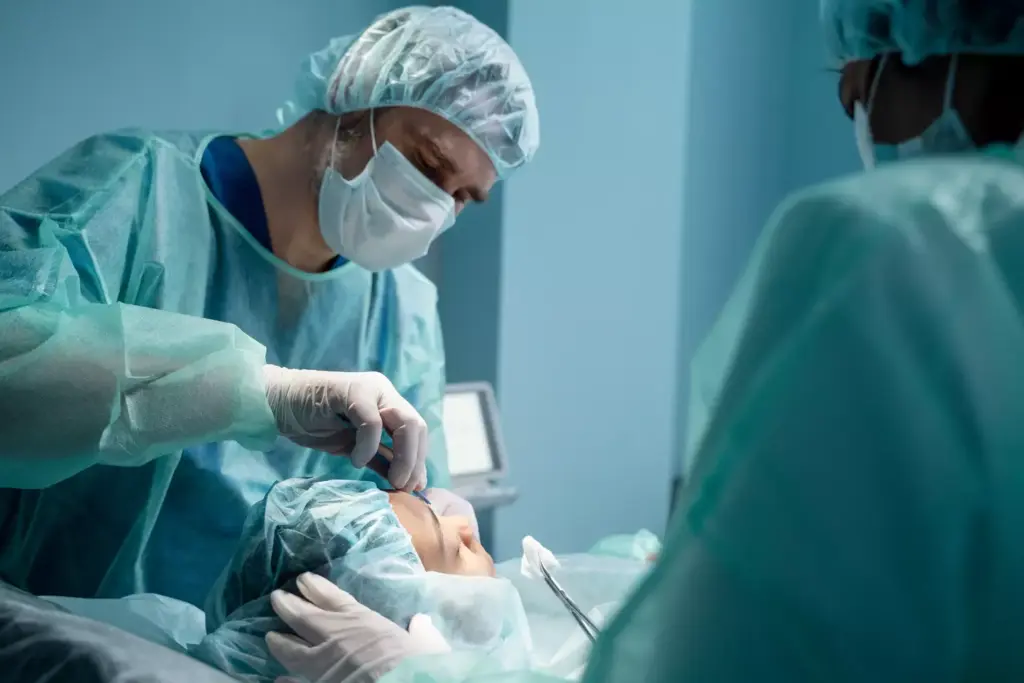
It’s important for patients to understand AAA surgery to make informed choices. AAA surgery is a critical procedure to prevent an aneurysm from rupturing. This can be life-threatening. The surgery type depends on the patient’s health and the aneurysm’s size and location.
What is Triple A Surgery?
Triple A surgery, or AAA repair, treats an aneurysm in the abdominal aorta. The surgery aims to prevent rupture by replacing or reinforcing the weak aorta section.
Open Surgical Repair vs. Endovascular Aneurysm Repair (EVAR)
AAA repair has two main options: Open Surgical Repair (OSR) and Endovascular Aneurysm Repair (EVAR). OSR is more invasive, requiring an abdominal incision to replace the aneurysm with a synthetic graft. EVAR is less invasive, using a graft inserted through the groin arteries to exclude the aneurysm from blood flow.
The choice between OSR and EVAR depends on several factors. These include the patient’s health, the aneurysm’s size and location, and any complicating factors. Key considerations include:
- The size and location of the aneurysm
- The patient’s renal function and vascular anatomy
- The presence of comorbid conditions
Risk Factors and Pre-Surgery Considerations
Before AAA surgery, it’s vital to assess the risks. These include age, overall health, and comorbid conditions like heart disease or diabetes. The patient’s renal function is also evaluated, as both OSR and EVAR can affect kidney function.
We advise patients to discuss their risks and concerns with their healthcare provider. This helps understand the implications of AAA surgery fully.
The Complete AAA Operation Recovery Timeline
Knowing the recovery time after AAA surgery is key for patients. It helps them manage their care after surgery. The recovery time depends on the surgery type and the patient’s health.
We break down the recovery stages, from right after surgery to long-term healing. This info helps patients and their families get ready for the recovery journey.
Immediate Post-Operative Period (1-3 Days)
The first stage of recovery starts right after surgery. Patients are watched closely in an ICU or a monitored area. Managing pain is a top priority.
Early Recovery Phase (4-10 Days)
In this phase, patients stay in the hospital for more care. Most stay 4-10 days, but it can vary. EVAR patients might leave the hospital sooner and start light activities in 1-2 weeks.
| Recovery Aspect | Open Surgical Repair | Endovascular Aneurysm Repair (EVAR) |
|---|---|---|
| Hospital Stay | Typically 7-10 days | Usually 2-4 days |
| Return to Light Activity | 4-6 weeks | 1-2 weeks |
| Pain Level | Higher | Lower |
Transition to Home Care (2-4 Weeks)
When patients go home, they start home care. Having a support system is key. Follow the surgeon’s care instructions, including wound care and medication.
Long-Term Recovery (1-6 Months)
Recovering fully from AAA surgery can take months. It’s important to eat well, exercise, and manage stress. Regular check-ups with doctors are also vital.
We stress the need for patience and following care instructions for a smooth recovery. Knowing the recovery timeline helps patients heal and get back to health.
Hospital Stay After Triple A Surgery: What to Expect
The time in the hospital after abdominal aortic aneurysm surgery is very important. Patients are watched closely for any problems. They get the care they need to heal well.
Intensive Care Unit Monitoring
After surgery, patients often go to the ICU. There, doctors keep a close eye on their health. They check heart rate, blood pressure, and oxygen levels.
Key aspects of ICU monitoring include:
- Continuous observation of vital signs
- Management of pain and discomfort
- Monitoring for signs of possible complications
Pain Management Protocols
Managing pain is a big focus after surgery. Doctors use different methods to help patients feel better. This makes sure they are as comfortable as possible.
Pain management protocols may include:
- Administration of pain relief medications
- Use of patient-controlled analgesia (PCA) pumps
- Alternative pain management techniques, such as deep breathing exercises
Physical Therapy Initiation
Moving around early is key to getting better. Physical therapists help patients start with simple movements. This helps prevent problems and aids in healing.
| Day | Physical Therapy Activities |
|---|---|
| 1-2 | Gentle stretching, deep breathing exercises |
| 3-4 | Sitting up, short walks |
| 5 and beyond | Increased walking distance, strengthening exercises |
Discharge Planning and Criteria
While in the hospital, we plan for when patients can go home. They must have stable health, manageable pain, and be able to do daily tasks.
Discharge planning involves:
- Educating patients and caregivers on post-surgical care
- Arranging for follow-up appointments and necessary support services
- Providing instructions on medication management and wound care
The time in the hospital after triple A surgery is very important. It’s a time for careful watching and care. Knowing what to expect helps patients prepare for a good recovery.
Recovery Differences: Open Surgery vs. Endovascular Repair
The recovery after Abdominal Aortic Aneurysm (AAA) surgery changes a lot depending on the method used. Knowing these differences helps us better care for our patients and meet their expectations.
Open AAA Surgery Recovery Challenges
Open AAA surgery is more invasive, needing a big cut in the belly. This makes recovery harder. Patients often face a lot of pain, which we need to manage well.
The big cut also takes longer to heal, raising the chance of infections or other problems. People usually stay in the hospital longer, sometimes up to 10 days or more. This depends on their health and if any issues come up.
Aortic Stent Recovery Time and Benefits
Endovascular repair, which uses an aortic stent, is less invasive. It leads to less pain, shorter hospital stays, and quicker recovery. Most people can get back to their usual activities in a few weeks.
But, it’s key to keep up with follow-ups to watch for any issues like endoleak.
Comparing Mobility Restoration Between Approaches
Mobility is another big part of recovery that changes with the surgery type. Patients with endovascular repair get back to moving faster, usually in a week or so. Those with open surgery take longer, sometimes weeks, to get back to how they were before.
We make sure all patients get a safe and effective recovery plan, no matter the surgery. This helps them get better faster and safer.
In short, both open surgery and endovascular repair work well for AAA. But, the recovery is very different. By understanding these differences, we can give each patient the best care for their recovery.
Essential AAA Operation Recovery Guidelines for Home Care
After AAA surgery, knowing how to recover at home is key. We’ll help you set up your space, manage pain, and care for your wound. We’ll also tell you when to call your doctor.
Setting Up Your Recovery Environment
Having a comfy and safe home is important. Here’s how to make it happen:
- Make your living area easy to move around without stairs
- Put things you need close by
- Ensure good lighting and clear the floor of tripping hazards
- Keep a phone handy always
Managing Medications and Pain
Managing pain well is key to getting better. Here’s what to do:
- Take your meds as your doctor says
- Report any bad pain or side effects to your doctor
- Keep track of your meds and pain levels to share with your doctor
Pain management is very important. If your pain gets worse or meds don’t help, call your doctor right away.
Wound Care and Infection Prevention
Good wound care helps prevent infection and helps your wound heal. Here’s how:
- Keep your wound clean and dry as your doctor says
- Watch for signs of infection like redness, swelling, or discharge
- Avoid heavy lifting or bending to avoid putting stress on your wound
If you see signs of infection or your wound isn’t healing right, call your doctor fast.
When to Contact Your Healthcare Provider
Knowing when to get medical help is important. Call your doctor if you have:
- Severe pain that meds don’t fix
- Signs of infection like fever or redness around the wound
- Hard time peeing or really bad constipation
- Pain or swelling in your legs, which could mean a blood clot
By following these recovery guidelines and talking to your healthcare team, you can have a good recovery at home after AAA surgery.
Physical Activity Progression After AAA Surgery
After AAA surgery, it’s important to start moving slowly. We suggest increasing physical activity to help with recovery. This helps regain strength, improve blood flow, and lower the chance of complications.
Safe Movement in the First Two Weeks
In the first two weeks, it’s important to balance rest with gentle activity. Start with short walks and increase the distance as you get stronger. Avoid activities that might stress the incision site.
- Begin with short walks of 5-10 minutes, twice a day.
- Gradually increase walking time by 5 minutes each day.
- Avoid heavy lifting, bending, or strenuous exercises.
Graduated Walking Program
A walking program can improve your heart health and strength. Aim to walk 30 minutes a day, five days a week, once you’re stable.
- Week 1-2: Short walks (5-10 minutes) twice a day.
- Week 3-4: Gradually increase walking time to 15-20 minutes, three times a day.
- Week 5 and beyond: Aim for 30 minutes of walking per session, five days a week.
Strength and Flexibility Exercises
Adding strength and flexibility exercises can help with recovery. Start with gentle exercises that don’t strain your abdomen.
- Begin with deep breathing exercises to improve lung capacity.
- Gradually introduce upper body exercises, such as arm raises and shoulder rolls.
- As recovery progresses, incorporate lower body exercises, like leg lifts and calf raises.
Return to Normal Activities Timeline
The time it takes to get back to normal varies. Most people can get back to their usual activities in 6-12 weeks. Always follow your healthcare provider’s advice.
Key milestones include:
- Returning to light household chores within 4-6 weeks.
- Resuming driving when comfortable and safe to do so, usually within 2-4 weeks.
- Gradually returning to more strenuous activities, like heavy lifting or bending, as advised by your healthcare provider.
Nutrition and Diet for Optimal AAA Surgery Recovery
Good nutrition is key for healing after Abdominal Aortic Aneurysm surgery. Eating well helps you get stronger, lowers the chance of problems, and boosts your health.
Heart-Healthy Eating Patterns
Eating heart-healthy is important for AAA surgery recovery. Eat lots of fruits, veggies, whole grains, and lean proteins. Try to cut down on saturated fats, cholesterol, and sodium.
Omega-3 fatty acids in foods like salmon and walnuts can fight inflammation and aid healing. Also, add foods high in antioxidants, like berries and leafy greens, for better vascular health.
Managing Constipation and Bowel Problems
Constipation is common after surgery, often due to pain meds. To fight it, eat more fiber from whole grains, fruits, and veggies. Drinking plenty of water is also key.
Water helps soften stool and keeps bowel movements regular. Be careful of foods that can cause constipation, like dairy and processed foods. Balance them with fiber-rich foods.
Hydration and Protein Requirements
Drinking enough water is vital for recovery. It helps your body heal and work right. Aim for at least eight glasses a day, more if you’re hot or sweating a lot.
Protein is also important for healing. It helps fix tissues and build new cells. Eat lean proteins like chicken, fish, and legumes. Aim for 1.2 to 1.6 grams of protein per kilogram of body weight daily.
| Food Group | Recommended Foods | Daily Intake |
|---|---|---|
| Protein | Lean meats, fish, eggs, legumes | 1.2-1.6 grams/kg body weight |
| Fruits and Vegetables | Variety of colors, leafy greens, berries | 5 servings |
| Whole Grains | Brown rice, quinoa, whole wheat bread | 3-5 servings |
| Hydration | Water, herbal teas | 8-10 glasses |
Supplements That Support Vascular Health
While a balanced diet is key, some supplements can help vascular health. Omega-3 fatty acids, vitamin C, and vitamin E are antioxidants that aid healing.
But, always talk to your doctor before taking supplements. They can check if they’re safe with your meds and won’t harm your recovery.
Abdominal Aortic Aneurysm Self-Care Strategies
Self-care is key to a smooth recovery and avoiding problems after AAA surgery. By taking a holistic approach to self-care, patients can boost their health and lower the chance of future issues.
Smoking Cessation and Its Impact on Recovery
Stopping smoking is a major step for those who’ve had AAA surgery. Smoking ups the risk of an aneurysm and slows healing. Mayo Clinic says quitting can greatly improve heart health and lower aneurysm rupture risk.
Smoking cessation is tough, but there’s help. Counseling, nicotine replacement, and support groups are all available to aid patients.
Stress Management Techniques
It’s important to manage stress after AAA surgery. Stress can slow healing and harm heart health. Activities like meditation, deep breathing, and yoga can help reduce stress.
Doing things that lower stress can also boost mental health and aid in recovery.
Sleep Optimization for Healing
Good sleep is essential for healing after AAA surgery. Patients should focus on getting enough sleep and sticking to a routine. A comfy sleep space, avoiding caffeine and screens before bed, and using relaxation methods can improve sleep.
Long-term Lifestyle Modifications
Long-term lifestyle changes are critical for heart health and preventing future problems. This includes eating a heart-healthy diet, staying active, and managing conditions like high blood pressure and diabetes.
By making these self-care habits part of daily life, patients can greatly enhance their health and happiness.
Monitoring and Managing Possible Complications
Recovering from AAA surgery means watching for signs of complications. While rare, knowing what to look for is key to a smooth recovery. It’s all about keeping an eye on your health.
Recognizing Signs of Infection
Infection is a possible issue after AAA surgery. Keep an eye on your incision for redness, swelling, or drainage. If you see these signs or feel fever or chills, call your doctor right away.
A study in the Journal of Vascular Surgery highlights the risk of surgical site infections. This shows why it’s important to watch your wound closely.
“The key to managing infection is early detection and prompt treatment. Patients should be educated on the signs of infection and encouraged to report any concerns to their healthcare provider.”
Addressing Weakness in Legs After AAA Surgery
Some people might feel weak in their legs after surgery. This could be from nerve damage or reduced blood flow. If you feel persistent weakness or numbness, talk to your doctor.
| Symptom | Possible Cause | Action |
|---|---|---|
| Weakness in legs | Nerve damage or reduced blood flow | Consult healthcare provider |
| Numbness | Nerve compression | Report to healthcare provider |
Managing Bowel Problems After AAA Surgery
Bowel issues like constipation or obstruction can happen after surgery. Eating a high-fiber diet and drinking plenty of water can help. If you have ongoing bowel problems, see your doctor for advice.
Cardiovascular Symptoms That Require Attention
It’s important to watch your heart health after surgery. If you have chest pain, shortness of breath, or palpitations, tell your doctor right away. These could be signs of heart problems.
- Chest pain or discomfort
- Shortness of breath
- Palpitations or irregular heartbeat
Knowing about these complications and how to handle them can make your recovery safer and more effective.
Conclusion: Life After Abdominal Aortic Aneurysm Surgery
After AAA surgery, patients usually take 4 to 6 weeks to get back to normal. It’s important to know what to expect after surgery for a smooth recovery. We’ve covered the main points of recovery, from the hospital stay to caring for yourself at home.
Seeing your doctor regularly is key to keeping an eye on your health. Following the recovery plan, like eating well and slowly getting back to exercise, helps a lot. It also helps manage stress, which is important for recovery.
Knowing the signs of complications is vital after surgery. If you notice anything strange, get help right away. By being proactive and working with your healthcare team, you can have a great recovery. This will lead to better health in the long run.
References
- University of Utah Health. (n.d.). Aortic disease: Abdominal aortic aneurysm & endovascular aneurysm repair. Retrieved October 23, 2025, from https://healthcare.utah.edu/cardiovascular/programs/aortic-disease/abdominal-aortic-aneurysm/endovascular-aneurysm-repair
- Atrium Health Navicent. (n.d.). Endovascular abdominal aortic aneurysm repair (EVAR). Retrieved October 23, 2025, from https://navicenthealth.org/service-center/atrium-health-navicent-heart-vascular-care/endovascular-abdominal-aortic-aneurysm-repair-evar
- Enci Vascular. (2025, January 16). How long does recovery take after aortic aneurysm repair? Retrieved October 23, 2025, from https://encinovascular.com/blog/how-long-does-recovery-take-after-aortic-aneurysm-repair
- University of Chicago Medicine. (n.d.). Types of aneurysm repair. Retrieved October 23, 2025, from https://www.uchicagomedicine.org/conditions-services/heart-vascular/aortic-disease/types-of-aneurysm-repair
- MyHealth Alberta. (n.d.). Endovascular aortic aneurysm repair: What to expect at home. Retrieved October 23, 2025, from https://myhealth.alberta.ca/Health/aftercareinformation/pages/conditions.aspx?hwid=ud2953