
At Liv Hospital, we use the da Vinci surgical system for hysterectomies. This da Vinci hysterectomy is a minimally invasive method. It has many benefits, like less blood loss and shorter hospital stays.
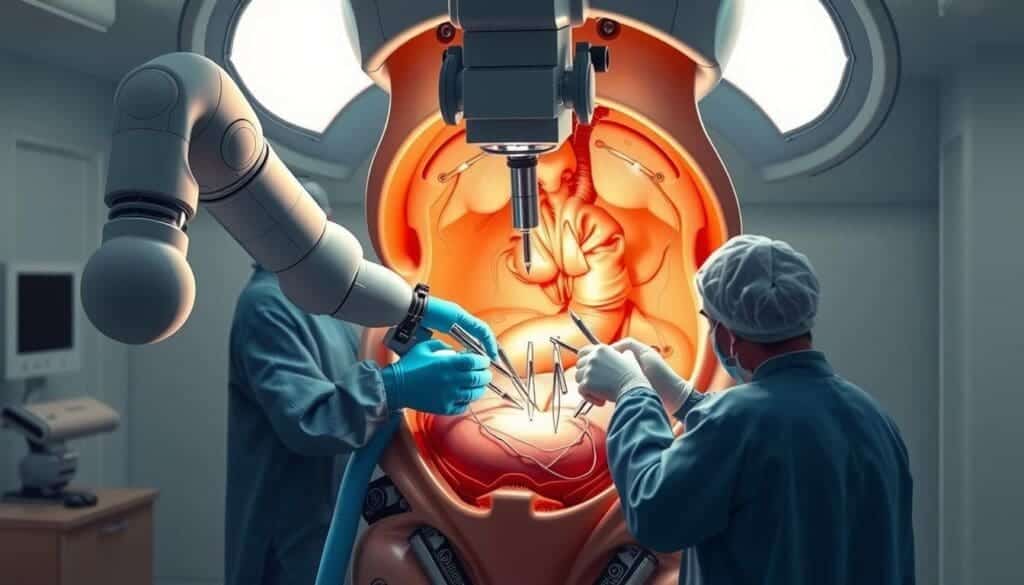
We use the latest in robotic hysterectomy technology. This advanced procedure uses a robotic system. It helps us achieve better results by improving precision and control during surgery.
Our team is committed to top-notch healthcare for all patients, including international ones. In this guide, we’ll show you how a da Vinci robotic surgery hysterectomy works. We’ll also talk about its benefits and the technology that makes it possible.
Key Takeaways
- Minimally invasive procedure with reduced blood loss
- Shorter hospital stays compared to traditional open surgery
- Enhanced precision and control through robotic assistance
- Optimal outcomes for patients undergoing hysterectomy
- World-class healthcare support for international patients
Understanding the da Vinci Surgical System for Hysterectomy
The da Vinci Surgical System has changed the game in minimally invasive surgery, like hysterectomies. It has made surgery better for patients and doctors alike.
Components of the da Vinci Robotic System
The da Vinci System has three main parts: the surgeon’s console, the patient-side cart, and the vision system. The surgeon’s console gives a clear 3D view of the area being operated on. This lets the surgeon control the tools with great precision. The patient-side cart has robotic arms that hold the tools, and the vision system helps see the anatomy clearly.
Together, these parts make it easier for surgeons to do complex surgeries. The design makes surgery simpler and more precise.
Technological Advantages Over Traditional Methods
The da Vinci System has many benefits over old methods. It leads to less blood loss, less pain after surgery, and faster recovery. A study on the National Center for Biotechnology Information (NCBI) website showsrobotic surgery improves outcomes and reduces complications.
- Clear 3D images for better vision
- Tools that move like a human wrist for more control
- Less shaking and more precise movements
- Shorter hospital stays and quicker healing
Types of Hysterectomies Possible with da Vinci
The da Vinci System can do many types of hysterectomies, like total hysterectomy and partial hysterectomy. It’s flexible and precise, making sure each patient gets the best care.
Using the da Vinci for hysterectomies brings many benefits. It improves precision, lowers the risk of problems, and helps patients recover faster. As robotic surgery keeps getting better, the da Vinci System stays a top choice for complex surgeries.
Patient Selection and Preoperative Considerations
To get the best results from da Vinci hysterectomy, picking the right patient is key. We look at many factors that affect the surgery’s success and how well the patient will recover.
Ideal Candidates for da Vinci Hysterectomy
We find the best candidates for da Vinci hysterectomy to have conditions like uterine fibroids, endometriosis, and uterine prolapse. These issues often need surgery, and the da Vinci system is a good choice. It’s less invasive and offers better control and precision.
People who might benefit from da Vinci hysterectomy often have heavy periods, pelvic pain, or discomfort. This surgery is great for them because it means less time recovering and less pain after surgery compared to open surgery.
Contraindications and Risk Assessment
Even though da Vinci hysterectomy has many benefits, there are some things to think about. Patients who have had many surgeries or have severe adhesions might face more challenges during the surgery.
It’s important to do a detailed risk assessment. We look at the patient’s health, medical history, and any other factors that could impact the surgery or recovery.
Preoperative Patient Education and Preparation
Teaching patients before surgery is a big part of da Vinci hysterectomy. We make sure they know all about the procedure, including the risks and benefits. This helps them make a well-informed choice.
Preparing patients for surgery means talking about what to expect after it. We cover recovery time, possible complications, and what to do next. By educating patients well, we can make their experience better and more satisfying.
Operating Room Setup and Team Preparation
A successful da Vinci hysterectomy starts with careful setup and team prep. This step is key for the procedure’s success and the patient’s safety.
Equipment and Instrument Preparation
The da Vinci system is central to the surgery. It must be set up right and work without issues.
Check the robotic arms, vision system, and tools for problems. Make sure the surgical tools, like graspers and dissectors, are clean and ready.
Patient Positioning and Draping
Getting the patient in the right position is essential. They are usually placed in a lithotomy position. Careful draping keeps everything sterile and allows the team to work well.
Surgical Team Roles and Responsibilities
The surgical team is vital for a successful da Vinci hysterectomy. The surgeon uses the da Vinci system. Assistants and nurses help out as needed.
| Team Member | Role | Responsibilities |
| Surgeon | Operates the da Vinci system | Performs the hysterectomy, navigates the robotic arms |
| Surgical Assistant | Assists the surgeon | Provides additional instruments, assists in specimen removal |
| Nurse | Supports the surgical team | Maintains sterility, manages instruments, monitors patient |
Anesthesia and Initial Access Techniques
Before starting the da Vinci robotic system, we carefully plan anesthesia and initial access. These steps are key for a successful hysterectomy.
Anesthesia Considerations for da Vinci Procedures
General anesthesia is usually used for da Vinci hysterectomies. We manage anesthesia to keep patients safe and comfortable. Effective anesthesia management is vital for a smooth recovery.
The anesthesia team watches the patient’s vital signs closely. They adjust anesthesia levels as needed. This helps us quickly respond to any changes in the patient’s condition.
Port Placement Strategies
Port placement is a critical step in da Vinci hysterectomy. It allows us to use the robotic instruments effectively. We use specific strategies to place ports for the best access.
We make small incisions in the abdomen for port placement. Precise port placement is key to avoid complications and ensure clear views of the surgical site.

Initial Abdominal Access and Insufflation
Initial abdominal access involves entering the abdominal cavity and insufflation. We use a controlled technique for safe entry and adequate insufflation.
Insufflation is important for expanding the abdominal cavity. It gives us a clear view of the surgical site. Careful management of insufflation pressure is necessary for patient safety and optimal visualization.
Performing the da Vinci Hysterectomy: Core Procedural Steps
Understanding the da Vinci hysterectomy’s core steps is key. This advanced technique uses the da Vinci robotic system for better precision and control. It makes complex surgeries easier for surgeons.
Docking the Robot and Instrument Insertion
Docking the robot is a precise step. We make sure the da Vinci robotic arms are in the right place. This allows for easy instrument insertion.
The instruments used are made for precision. They include needle drivers, graspers, and dissectors. We put these instruments through ports, making sure they’re in the right spot in the abdominal cavity.
Identification and Management of Key Anatomical Structures
It’s vital to identify and manage key structures during da Vinci hysterectomy. We find the ureters, uterine arteries, and other important structures. This helps avoid complications.
The da Vinci robotic system gives us a clear view. This lets us dissect and manage these structures with precision. We use different techniques and hemostatic agents to control bleeding and keep the site clear.
Uterine Artery Ligation Techniques
Uterine artery ligation is a key step in da Vinci hysterectomy. It helps control bleeding and lowers the risk of complications. We use clips, ties, or electrocautery to ligate the uterine arteries.
The choice of technique depends on the patient’s anatomy and the surgeon’s preference. We pick the best method for each patient’s needs and the procedure’s goals.
| Ligation Technique | Advantages | Disadvantages |
| Clips | Easy to apply, minimal tissue damage | May dislodge if not secured properly |
| Ties | Secure, can be used in various situations | Requires more time and skill to apply |
| Electrocautery | Effective for hemostasis, quick to apply | May cause thermal damage to surrounding tissues |
Uterine Dissection and Removal Methodology
Uterine dissection and removal are the final steps. We use various techniques and instruments to carefully dissect the uterus. This minimizes the risk of complications and promotes a smooth recovery.
The da Vinci robotic system helps us perform this step with precision. We remove the uterus through the vagina or a small incision, based on the patient’s anatomy and the surgeon’s preference.
“The da Vinci robotic system has revolutionized the field of gynecologic surgery, enabling surgeons to perform complex procedures with greater precision and control.”
A Gynecologic Surgeon
By following these steps, we ensure a successful da Vinci hysterectomy. This leads to the best outcomes for our patients.
Advanced Techniques for Total vs. Partial da Vinci Hysterectomy
Understanding the difference between total and partial da Vinci hysterectomy is key for the best results. The da Vinci system helps surgeons do both types of surgeries with great precision and less invasion.
Procedural Differences in Total Hysterectomy
Total hysterectomy means removing the whole uterus, including the cervix. It’s often chosen for uterine cancer or severe endometriosis. The da Vinci system makes precise dissection and removal of the uterus possible, lowering the risk of problems.
The steps for total hysterectomy are:
- Initial access and port placement
- Docking the robot and instrument insertion
- Identification and ligation of uterine arteries
- Dissection and removal of the uterus
Partial Hysterectomy Technique Specifics
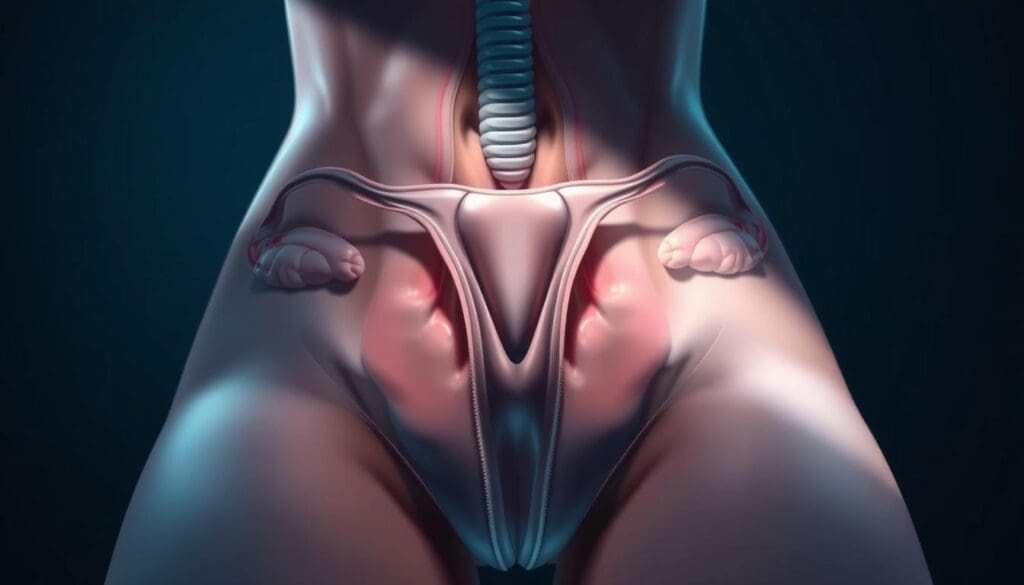
Partial hysterectomy removes just the top part of the uterus, keeping the cervix. It’s often used for uterine fibroids or abnormal bleeding. The da Vinci system helps in precise removal of the affected area while saving healthy tissue.
Adnexal Management During da Vinci Procedures
Adnexal management is a big part of da Vinci hysterectomy. It deals with the ovaries and fallopian tubes. Whether to keep or remove them depends on the patient’s health, age, and what the surgeon aims to achieve.
| Procedure | Uterus Removal | Cervix Preservation | Adnexal Management |
| Total Hysterectomy | Entire uterus removed | No | Variable |
| Partial Hysterectomy | Upper portion removed | Yes | Variable |
Knowing the differences between total and partial da Vinci hysterectomy and adnexal management helps surgeons. They can customize their approach for each patient. This improves outcomes and enhances quality of life.
Managing Complications During da Vinci Robotic Surgery Hysterectomy
We must be ready to handle complications during da Vinci hysterectomy to keep patients safe. Da Vinci robotic surgery is usually safe, but problems like bleeding, urinary tract injuries, and equipment failures can happen.
Recognizing and Addressing Bleeding Complications
Bleeding issues during da Vinci hysterectomy can be serious. Prompt recognition and management are critical to avoid big blood loss. We use advanced tools and techniques to find and stop the bleeding.
- Identify the source of bleeding promptly
- Apply appropriate hemostatic agents or techniques
- Monitor patient vital signs closely
Managing Urinary Tract Injuries
Urinary tract injuries, like damage to the ureters or bladder, can happen during da Vinci hysterectomy. Careful identification and repair of these injuries are key to avoid long-term problems. We use precise surgical methods to lower the risk of such injuries.
- Identify any damage to the urinary tract
- Repair injuries with precision
- Monitor for possible post-operative complications
Troubleshooting Equipment Failures
Equipment failures during da Vinci robotic surgery, though rare, can be tough. Having backup systems and strategies in place is key to keep the procedure safe. We keep our equipment in top shape and have plans for any failures.
Post-Procedure Protocol and Patient Recovery
Knowing what to expect after a da Vinci hysterectomy is key. It helps manage your hopes and ensures a smooth recovery.
Immediate Post-Operative Care
Right after surgery, your safety and comfort are top priorities. We keep a close eye on your vital signs and manage your pain well. This helps avoid any issues. You’ll stay in the recovery room until you’re stable.
We focus a lot on pain relief. We use different medicines and methods to keep you comfortable. For more on pain management, check outACOG’s educational resources.
Hospital Discharge Criteria
Before you go home, we check a few things. You need stable vital signs, good pain control, and to be able to do basic things like walk and use the bathroom. We also teach you how to take care of yourself at home.
| Discharge Criteria | Description |
| Stable Vital Signs | Heart rate, blood pressure, and temperature within normal limits |
| Adequate Pain Control | Manageable pain with prescribed medications |
| Ability to Perform Basic Activities | Walking, using the bathroom, and other essential self-care tasks |
Patient Recovery Timeline and Expectations
Recovery times can differ, but most people get back to normal in a few weeks. We tell patients to avoid heavy lifting and hard activities during this time. We also schedule follow-up visits to check on your healing.
Most patients recover quickly from da Vinci hysterectomy and go home in a few days. We give you all the details on how to care for yourself after surgery to help with a smooth recovery.

Conclusion: The Future of da Vinci Hysterectomy Procedures
The da Vinci hysterectomy has changed gynecological surgery a lot. It offers a new way to do surgery that is less invasive. This means patients can recover faster and with less pain.
Looking ahead, we see even more improvements in da Vinci hysterectomy. New tech will make surgery safer and more effective. Videos and training will help doctors learn and get better at using this technology.
We’re excited for the future of da Vinci hysterectomy. It will keep getting better, helping more women. The da Vinci system is a big step forward in surgery, and it will keep leading the way.
FAQ
What is a da Vinci hysterectomy?
A da Vinci hysterectomy is a new way to remove the uterus. It uses the da Vinci system for better control and less blood loss. This means patients can recover faster.
What are the benefits of da Vinci robotic hysterectomy?
Da Vinci robotic hysterectomy has many benefits. It reduces blood loss and infection rates. Patients also have shorter hospital stays and less pain after surgery.
Who is an ideal candidate for da Vinci hysterectomy?
People with uterine fibroids, endometriosis, or uterine prolapse are good candidates. A doctor will check if it’s right for you.
What types of hysterectomies can be performed with the da Vinci system?
The da Vinci system can do many types of hysterectomies. This includes total and partial hysterectomies, based on what the patient needs.
How is anesthesia managed during da Vinci hysterectomy?
General anesthesia is used for da Vinci hysterectomy. The anesthesiologist makes sure the patient is safe and comfortable.
What are the key steps involved in performing a da Vinci hysterectomy?
The main steps are docking the robot and inserting instruments. The surgeon then finds and works around important structures. They also tie off the uterine artery and remove the uterus.
How long does it take to recover from a da Vinci hysterectomy?
Most people can get back to normal in a few weeks. But, recovery time can vary based on individual factors.
What are the possible complications of da Vinci hysterectomy?
Complications can include bleeding and injuries to the urinary tract. It’s important to catch and treat these problems quickly to keep the patient safe.
How is pain managed after da Vinci hysterectomy?
Pain management is key after surgery. Patients get pain medicine and the team checks their pain levels often.
Are there any educational resources available for da Vinci hysterectomy?
Yes, there are videos and other resources about da Vinci hysterectomy. They help patients understand the procedure and train surgeons.
What is the future of da Vinci hysterectomy procedures?
The future of da Vinci hysterectomy looks bright. New technology and techniques will likely improve results and make robotic surgery even better.
References:
“Robotic-assisted benign hysterectomy compared with laparoscopic and open surgery: meta-analysis” —https://pmc.ncbi.nlm.nih.gov/articles/PMC10678826/ PMC
“Robotic Surgery in Gynecology: An Updated Systematic Review” —https://pmc.ncbi.nlm.nih.gov/articles/PMC3236390/ PMC
“The Role of Robotics in Surgery: To da Vinci and Beyond” —https://pmc.ncbi.nlm.nih.gov/articles/PMC10569391/ PMC
“Surgical Outcomes of da Vinci Xi™ vs da Vinci SP™ for early-stage endometrial cancer” —https://www.mdpi.com/2077-0383/13/10/2864 MDPI
“The da Vinci Surgical Robot and the Importance of Iterative Evidence Review” —https://home.ecri.org/blogs/ecri-blog/the-da-vinci-surgical-robot-and-the-importance-of-iterative-evidence-review ECRI and ISMP
“Current applications of da Vinci SP surgical system in gynecologic surgery” —https://www.sciencedirect.com/science/article/pii/S2666676624000085 ScienceDirect