Do you feel tingling, numbness, or weakness in your hands and arms? A nerve conduction study (NCS) can find the problem. At Liv Hospital, we use advanced tests to check nerve function accurately.
Nerve conduction testing checks how well electrical signals move through nerves. Knowing how this test works helps patients get ready and understand the findings.
Key Takeaways
- Nerve conduction studies assess the function of peripheral nerves.
- The test measures the speed and strength of electrical impulses.
- It helps diagnose nerve damage, neuropathy, or compression syndromes.
- The procedure involves surface electrodes placed on the skin.
- Results guide effective treatment decisions.
Understanding Hand Nerve Testing Fundamentals
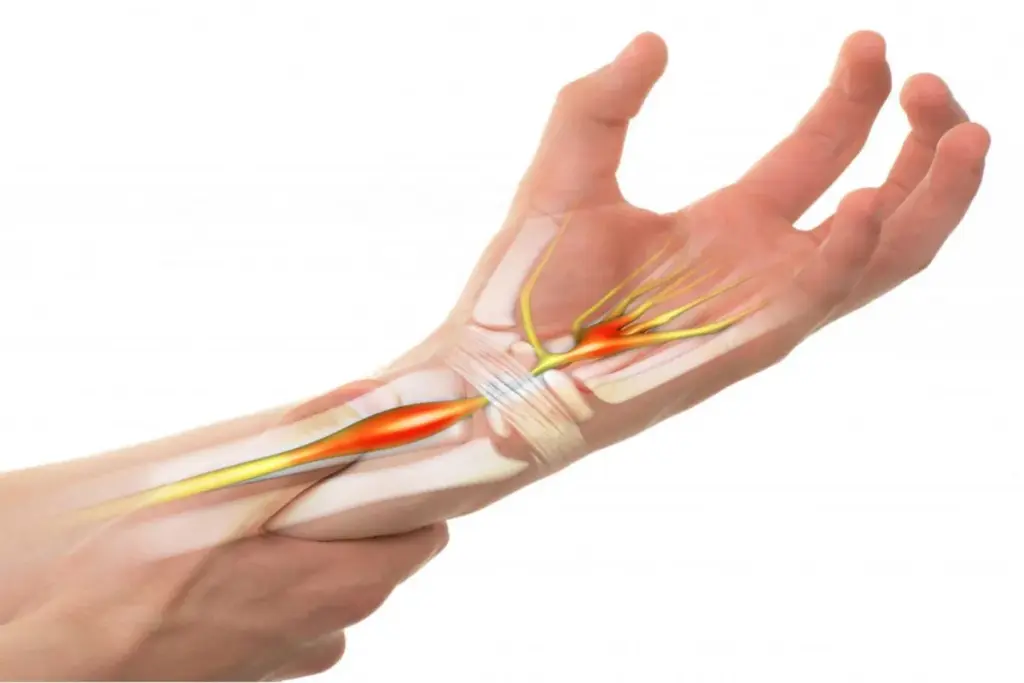
Learning about hand nerve testing is key for diagnosing and treating nerve issues. Hand nerve conduction studies help spot problems like carpal tunnel syndrome. This condition affects the median nerve at the wrist.
What is a Nerve Conduction Study?
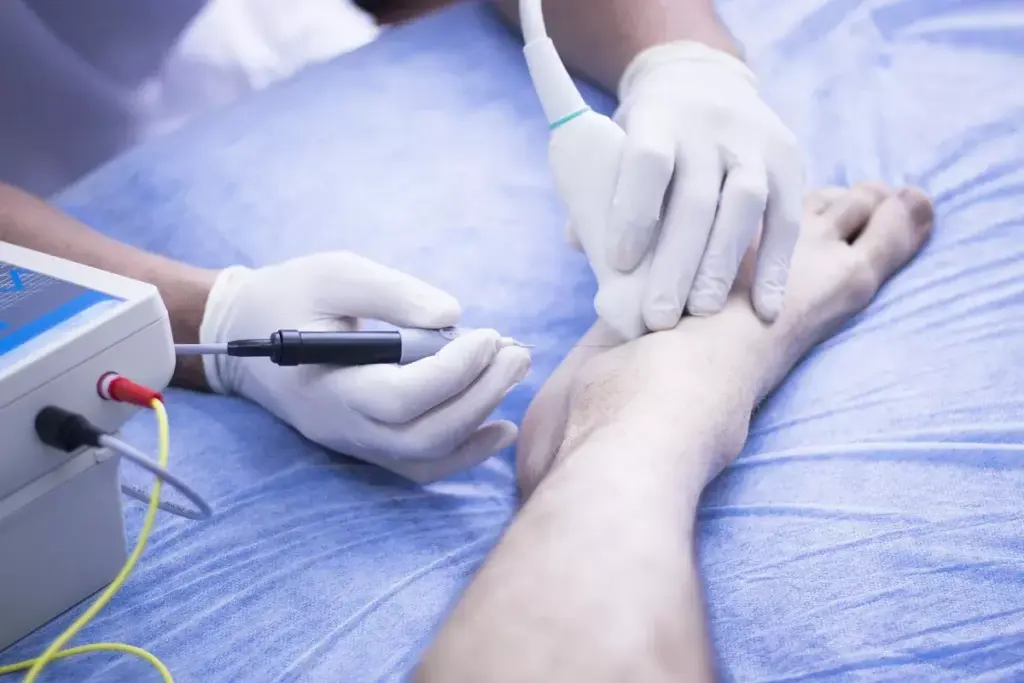
A nerve conduction study (NCS) checks how well nerves send electrical signals. It uses electrodes to stimulate nerves and records the response. This test shows if nerves are damaged or not working right.
NCS is important for making sure diagnoses are correct. It can find problems before they cause symptoms. It also helps figure out how severe the issue is and what kind of problem it is. StatPearls says NCS is a key tool for diagnosing many nerve problems.
Common Conditions Diagnosed with NCS
NCS can spot many conditions, like carpal tunnel syndrome and sciatica. These issues often come from nerve compression or damage. It also finds problems like radial tunnel syndrome and meralgia paresthetica.
| Condition | Description | Symptoms |
| Carpal Tunnel Syndrome | Compression of the median nerve at the wrist | Numbness, tingling, weakness in the hand |
| Sciatica | Irritation of the sciatic nerve | Pain, numbness, tingling in the lower back and legs |
| Peripheral Neuropathy | Damage to peripheral nerves | Numbness, weakness, pain in the hands and feet |
When to Recommend Nerve Testing
Doctors suggest nerve testing for symptoms like numbness, tingling, or weakness. It’s also used to check how nerve diseases are progressing or if treatments are working.
We suggest nerve conduction studies when nerve problems are suspected. Early detection means quicker treatment and better results for patients.
Step-by-Step Procedure for Nerve Conduction Testing
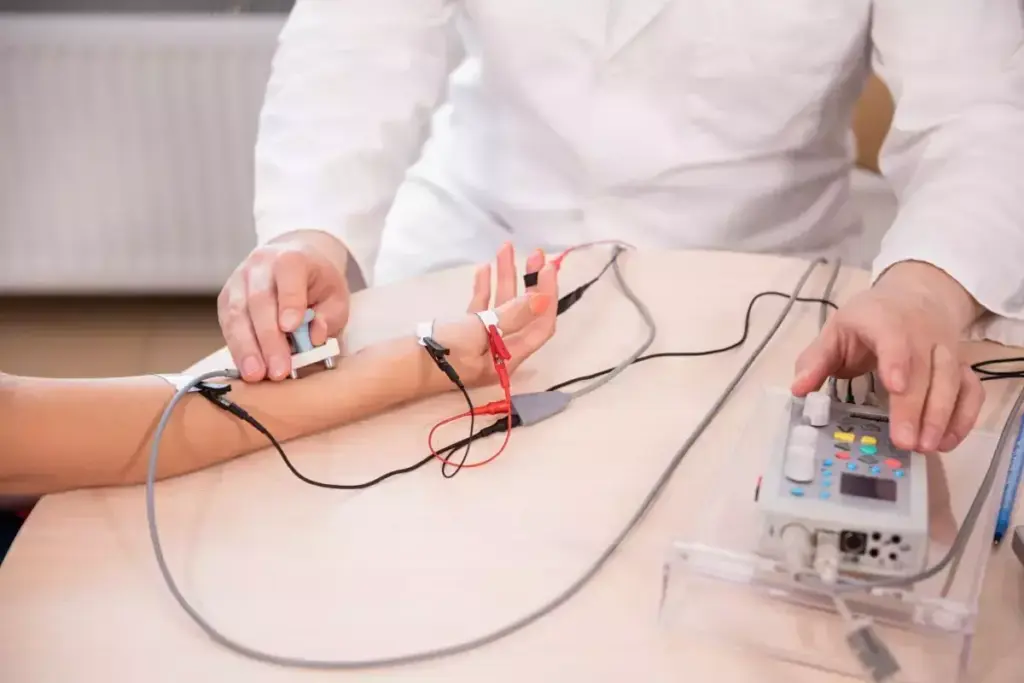
Nerve conduction testing checks how well your nerves work. The process has several key steps for a correct diagnosis. We’ll explain the needed equipment, how to prepare the patient, how to place electrodes, and the stimulation and recording steps.
Required Equipment and Setup
Specialized equipment is used for nerve conduction studies. This includes a machine, electrodes, and a stimulator. The equipment is set up to give accurate results. A doctor or clinical physiologist performs the test, as the British Society for Clinical Neurophysiology recommends.
The testing area is set up for comfort and safety. It has an examination table, the machine, and electrodes.
| Equipment | Description |
| Nerve Conduction Study Machine | Records the electrical activity of nerves |
| Electrodes | Placed on the skin to record nerve activity |
| Stimulating Device | Delivers a mild electrical impulse to stimulate nerves |
Patient Preparation and Safety Considerations
We make sure you’re comfortable and ready before the test. We explain the procedure and answer your questions. Safety is key; we check the equipment and ensure you’re not allergic to any materials.
- Remove any jewelry or metal objects that could interfere with the test
- Inform your doctor about any medications or medical conditions
- Be prepared to relax during the test to minimize muscle activity
Electrode Placement Techniques
Placing electrodes correctly is vital for good results. Small electrodes are placed on the skin over the nerve being tested. The placement is strategic to ensure accurate recording. For a nerve study on hand, electrodes are placed on specific locations on the hand and arm.
Performing the Stimulation and Recording
After placing the electrodes, a mild electrical impulse is sent to the nerve. This impulse is not harmful and is typically not painful. The response is recorded by the electrodes, and the data is analyzed to understand the nerve’s function.
The nerve conduction velocity (NCV) is calculated from the distance between the electrodes and the time it takes for the impulse to travel. This info is key for diagnosing nerve-related conditions.
Conclusion: Ensuring Accurate Hand Nerve Testing Results
Getting accurate nerve conduction testing is key for diagnosing and planning treatments. We’ve covered the basics of testing nerves in the hand. This includes the steps in the testing process.
It’s important for doctors to know what nerve conduction testing is and how to read the results. They look at things like how fast signals travel, how strong they are, and how long it takes. This helps them figure out if the nerve is damaged or not.
A nerve hand test, or NCV test, gives us important information about nerve health. With precise results, we can better care for our patients. This leads to top-notch healthcare for everyone.
FAQ:
What is a nerve conduction study test?
A nerve conduction study (NCS) test checks how nerves work. It measures how fast and strong electrical signals travel in nerves.
How is a nerve conduction test performed?
To do the test, electrodes are placed on the skin. They stimulate and record nerve impulses. This method is safe and helps find nerve problems.
What is the purpose of a nerve conduction study?
This test helps find and track nerve issues. It’s used for conditions like carpal tunnel syndrome and nerve damage.
What are the common conditions diagnosed with NCS?
NCS can spot carpal tunnel syndrome and nerve damage. It also finds issues in the hands and other body parts.
How do I prepare for a nerve conduction test?
Before the test, don’t use lotions or oils on your skin. Also, take off any jewelry or clothes that might get in the way.
Is a nerve conduction test painful?
The test is usually not painful. You might feel a bit of discomfort when the impulses are sent. But it’s mild and short-lived.
How long does a nerve conduction test take?
The test’s length varies. It can take 15 to 60 minutes, depending on the test and your needs.
What is the difference between NCS and EMG?
NCS looks at nerve electrical activity. EMG checks muscle electrical activity. Both are used together to find nerve and muscle issues.
Can I fail a nerve conduction test?
This test is not a pass or fail. It shows if there’s nerve damage or not, and how severe it is.
What is nerve velocity test?
A nerve velocity test, or NCV, checks how fast nerve signals travel. It helps diagnose and monitor nerve problems.
References:
National Center for Biotechnology Information. Evidence-Based Medical Insight. Retrieved from https://www.ncbi.nlm.nih.gov/books/NBK611987/[2