The olfactory nerve, also known as cranial nerve I (CN I), is key to our sense of smell. It helps us detect and identify different odors. At Liv Hospital, we focus on detailed neurological checks, like the olfactory nerve examination.olfactory nerve examinationGrade 3 Meningioma Life Expectancy: 7 Key Facts Compared to Grades 1 and 2
It’s important for healthcare workers to know how to do and understand this test well. The cranial nerve for smell sends smell information from our nose to the brain’s smell center.
Key Takeaways
- The olfactory nerve examination is a critical component of neurological assessments.
- Assessing the sense of smell can help diagnose serious neurological conditions early.
- Proper performance and interpretation of the olfactory nerve test require thorough training.
- Liv Hospital is dedicated to using advanced clinical protocols for patient evaluation.
- Early detection of neurological conditions can greatly improve patient outcomes.
Anatomy and Function of the Olfactory Nerve
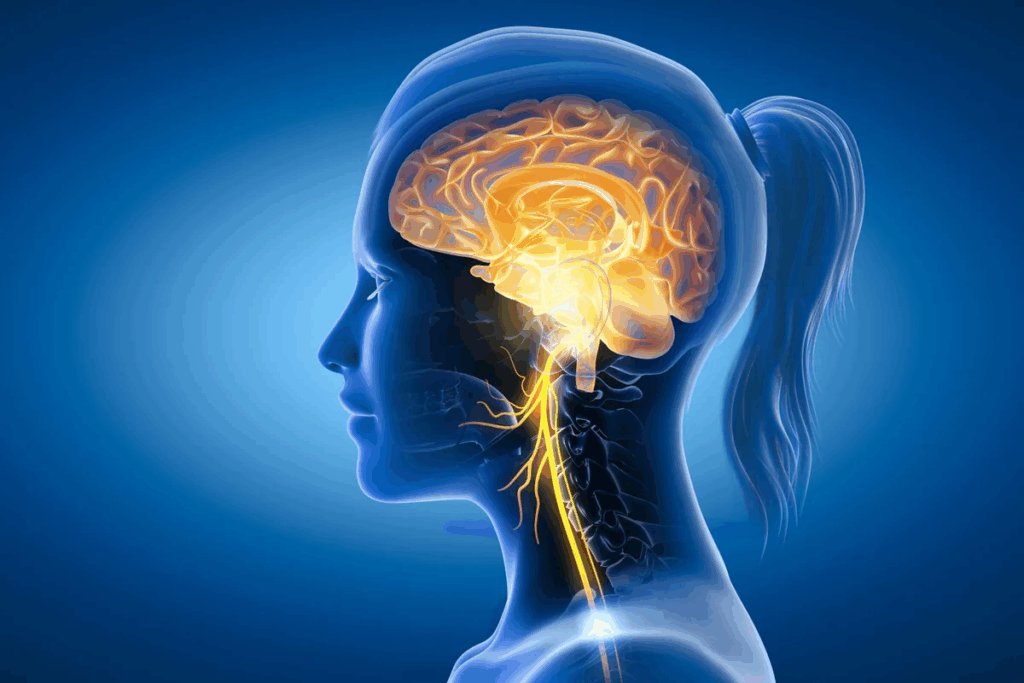
Our sense of smell depends a lot on the olfactory nerve, also known as Cranial Nerve I. This nerve is key to our ability to smell different things. It helps us notice a wide range of scents.
Structure of Cranial Nerve I
The fila olfactoria are the axons of olfactory neurons. They form bundles that go through small holes in the cribriform plate of the ethmoid bone. This is important for sending signals from our noses to our brains.
The Olfactory Pathway
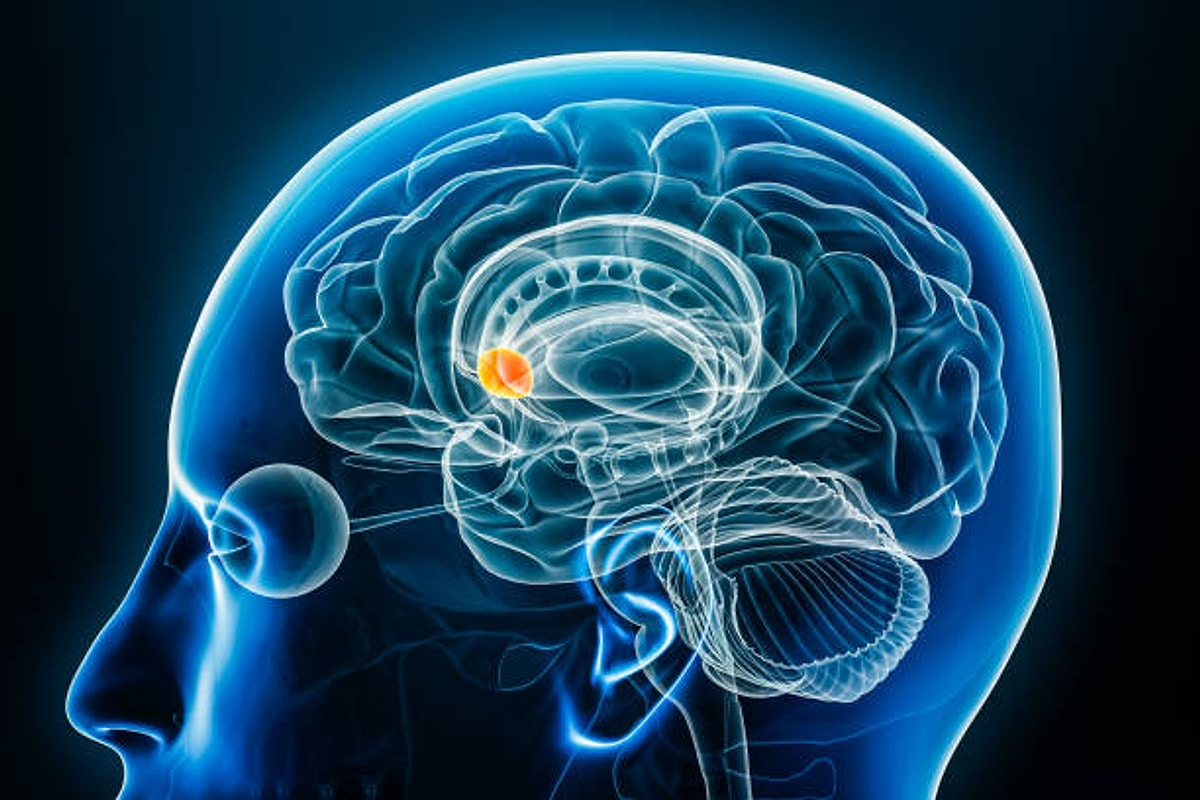
The nerve fibers go into the olfactory bulb. This is a center that sends signals through the olfactory tract to the brain. This path is vital for smelling and is linked to memory and feelings.
Connection to the Cerebral Cortex
Olfactory info is processed in parts of the brain, like the primary olfactory cortex. This lets us consciously smell and identify different smells. It shows how smell, memory, and thinking are connected.
Clinical Significance of Olfactory Testing

Checking the olfactory nerve is key to knowing a patient’s brain health. Olfactory tests are very important for spotting and treating brain problems.
Diagnostic Value in Neurological Assessment
Olfactory tests give us clues that help find brain disorders early. They show if the smell pathway is working right. This can point to brain issues.
- Detecting anosmia or hyposmia, signs of brain problems.
- Checking if the smell pathway is okay.
- Finding signs of diseases that harm the brain.
Conditions Associated with Olfactory Dysfunction
Many brain diseases can cause trouble smelling. Anosmia, or not being able to smell, can show up in different ways. It might mean a problem with the smell nerves or the brain itself.
- Diseases that slowly damage the brain (like Parkinson’s, Alzheimer’s).
- Head injuries.
- Illnesses or inflammation in the smell system.
Prognostic Implications
Olfactory test results can tell us a lot about a patient’s future. Bad results might mean a patient’s condition is more serious. Knowing this helps doctors plan better treatments.
By looking at the olfactory nerve, we learn a lot about a patient’s brain health. This helps us give better diagnoses and predictions.
Equipment Needed for Olfactory Nerve Examination
To check how well the olfactory nerve works, doctors use special tools. Choosing the right tools is key to getting accurate results.
Standard Odorants for Clinical Testing
Doctors use familiar smells like coffee, vanilla, chocolate, and lemon juice. These smells are easy to recognize and won’t irritate the nose.
- Coffee: A strong, distinct aroma that most people can identify.
- Vanilla: A sweet, recognizable scent that is often used in olfactory testing.
- Chocolate: Another familiar and pleasant odor that can be used to assess smell perception.
- Lemon juice: A citrusy scent that is both recognizable and non-irritating.
Commercial Olfactory Test Kits
There are many commercial olfactory test kits available. They help doctors test smell in a standard way. Two popular ones are:
- The University of Pennsylvania Smell Identification Test (UPSIT): A detailed test that checks how well someone can smell different smells.
- The Sniffin’ Sticks Test: This test uses pens with different smells to see how well someone can smell.
These kits make it easier to compare results from different people.
Alternative Household Substances
If commercial kits are not available, doctors can use things from home. For example:
- Essential oils (e.g., lavender, peppermint)
- Spices (e.g., cinnamon, cloves)
- Perfumes or fragrances
By using the right tools and following set testing steps, doctors can really understand a patient’s sense of smell. This helps them find any problems with the cranial nerve smell function.
Patient Preparation and Positioning
Getting patients ready for an olfactory nerve exam is key. It affects how well the test works. We need to think about a few important things.
Environmental Considerations
The place where the exam is done matters a lot. Ambient odors can mess up the results. So, it’s important to keep the area smell-free.
To avoid bad smells:
- Use a room with good air flow.
- Don’t test near kitchens or bathrooms.
- Make sure the room is clean and smells good.
Patient Instructions
It’s important to tell patients what to do during the exam. They need to know how to smell different smells and tell us about them.
Here’s what to tell patients:
- Breathe normally.
- Don’t touch your nose.
- Try to identify the smells.
Addressing Patient Anxiety
Some patients might be nervous about the exam. We need to make them feel at ease. We should tell them it’s safe and won’t hurt.
To help them relax:
- Explain the test in detail.
- Tell them it’s simple and safe.
- Encourage them to breathe easily.
By getting patients ready and making them feel calm, we can get better results from the olfactory nerve exam.
Step-by-Step Olfactory Nerve Examination Protocol
Diagnosing problems with smell starts with a detailed examination of the olfactory nerve. This process has several key steps. They help doctors understand how well a patient can smell.
Initial Patient Assessment
We start by asking the patient about their health history and current medications. We also check for any recent colds or sinus infections. This information helps us get accurate test results.
Nostril Occlusion Technique
We test each nostril separately. To do this, we press gently on the other nostril with our finger. This makes sure we’re testing each side of the nose separately.
Odor Presentation Method
We use familiar smells like coffee, vanilla, and citrus for the test. These smells are presented in a controlled way. We start with a weak smell and then make it stronger.
Response Documentation
We write down how the patient reacts to each smell. We check if they can identify the smell and if they can name it. This helps us see if the olfactory nerve is working right.
Odorant | Concentration | Patient Response |
Coffee | Weak | Identified |
Vanilla | Moderate | Not Identified |
Citrus | Strong | Identified |
By following this detailed protocol, we can make sure we’re testing the olfactory nerve correctly. This is key for diagnosing and treating smell problems.
Qualitative vs. Quantitative Assessment Methods
Understanding how we smell needs a detailed approach. This includes both qualitative and quantitative methods. The olfactory nerve, or cranial nerve I, is key to our sense of smell. It’s vital in neurological exams.
Quantitative methods give us precise data on a patient’s smell abilities. These are key for diagnosing and tracking olfactory nerve issues.
Threshold Testing
Threshold testing measures the least amount of odor a person can smell. It’s important for checking the olfactory nerve‘s sensitivity. Clinicians increase the odor’s strength to find the smell threshold.
A study shows threshold testing’s value: “Olfactory threshold testing provides a sensitive measure of olfactory function and can be used to monitor changes over time.” This highlights the importance of these methods in patient care.
Testing Method | Description | Clinical Utility |
Threshold Testing | Measures the minimum concentration of an odor detectable by a patient. | Monitors changes in olfactory sensitivity over time. |
Discrimination Testing | Assesses the ability to distinguish between different odors. | Evaluates the complexity of olfactory perception. |
Identification Testing | Tests the ability to identify specific odors. | Provides insight into the cognitive processing of olfactory information. |
Discrimination Testing
Discrimination testing checks if a patient can tell different smells apart. It’s key for understanding how complex our sense of smell is. By comparing pairs of odors, clinicians see how well the smell nerves work.
Identification Testing
Identification testing asks patients to name different smells. It shows how our brains process smells and how well the i olfactory nerve works. It’s great for seeing how neurological issues affect our sense of smell.
In summary, both qualitative and quantitative methods are essential for olfactory nerve evaluation. Together, they help clinicians fully understand a patient’s sense of smell. This guides diagnosis and treatment.
Interpreting Olfactory Examination Results
When we look at the results of an olfactory nerve exam, we must think about many factors. These factors can affect how well a person smells. Understanding these results helps us diagnose and treat problems with the olfactory tract brain.
Normal Findings
Normal results mean a person can smell a variety of smells correctly. This shows their test for olfactory nerve is fine. We check if they can smell different smells and how sensitive they are to smells.
People with normal results should easily recognize smells like coffee, vanilla, or mint. It’s also important that their two nostrils smell equally well.
Abnormal Responses
Abnormal results can point to issues like anosmia (no smell) or hyposmia (less smell). These problems might come from damage to the anosmia cranial nerve or other parts of the smell pathway.
Signs of trouble include not being able to smell certain things, needing more time to smell, or big differences in smell between the two nostrils. We need to look into these signs more to find out why.
Unilateral vs. Bilateral Deficits
Problems with smell in just one nostril might mean a local issue, like a nasal polyp. This is different from problems in both nostrils, which could be a sign of a bigger problem.
Issues with both nostrils might point to a bigger problem, like a brain issue or a viral infection. Knowing if the smell problem is in one or both nostrils helps us figure out what to do next.
By carefully looking at the results of an olfactory nerve exam, we can learn a lot about a patient’s health. This helps us make a good plan to help them. We look at the type of smell problem and what might be causing it.
Common Pathologies Affecting the Olfactory Nerve
It’s important to know about the problems that can affect the olfactory nerve. This nerve helps us smell. Different conditions can cause issues like anosmia, hyposmia, and parosmia.
Anosmia: Causes and Classifications
Anosmia means losing your sense of smell. It can happen due to head injuries, infections, or diseases like Alzheimer’s. There are different types of anosmia, depending on how severe it is and why it happens.
Causes of Anosmia:
- Head trauma leading to damage of the olfactory nerve
- Infections such as viral upper respiratory tract infections
- Neurodegenerative diseases like Alzheimer’s and Parkinson’s
- Congenital conditions
Hyposmia and Parosmia
Hyposmia is when your sense of smell is not as strong. Parosmia makes smells seem wrong. Both can really change your life, making it hard to enjoy food or even smell danger.
Hyposmia can happen for many reasons, like getting older or having nasal problems. Parosmia often starts after a cold and can be very upsetting because of the strange smells.
Post-Traumatic Olfactory Dysfunction
Head injuries can really mess with your sense of smell. They can damage the nerves or change how your brain handles smells.
How bad the damage is can vary. Sometimes, it might get better, but it’s hard to predict.
Neurodegenerative Disease Associations
Diseases like Alzheimer’s and Parkinson’s often affect your sense of smell. Testing your sense of smell can help doctors catch these diseases early. This is because smell problems can show up years before other symptoms.
“Olfactory dysfunction is a common feature of neurodegenerative diseases, suggesting that olfactory testing could be a valuable tool in early diagnosis and monitoring disease progression.”
– A recent study on neurodegenerative diseases and olfactory dysfunction
Knowing about these problems helps doctors take better care of their patients. It can really improve their lives.
Advanced Diagnostic Techniques
Advanced diagnostic techniques are key in checking how well we smell and finding out why we might not smell as well. These methods give us important info to help diagnose and treat complex smell problems.
Electrophysiological Testing
Electrophysiological tests, like electro-olfactography (EOG), help us measure how well we smell. EOG looks at the electrical activity in the smell area of our nose when we smell something. It tells us if our smell system is working right.
Olfactory event-related potentials (OERPs) are another test. They check how our brain responds to smells. This helps us see if the smell pathway from our nose to our brain is okay.
Imaging Studies for Olfactory Assessment
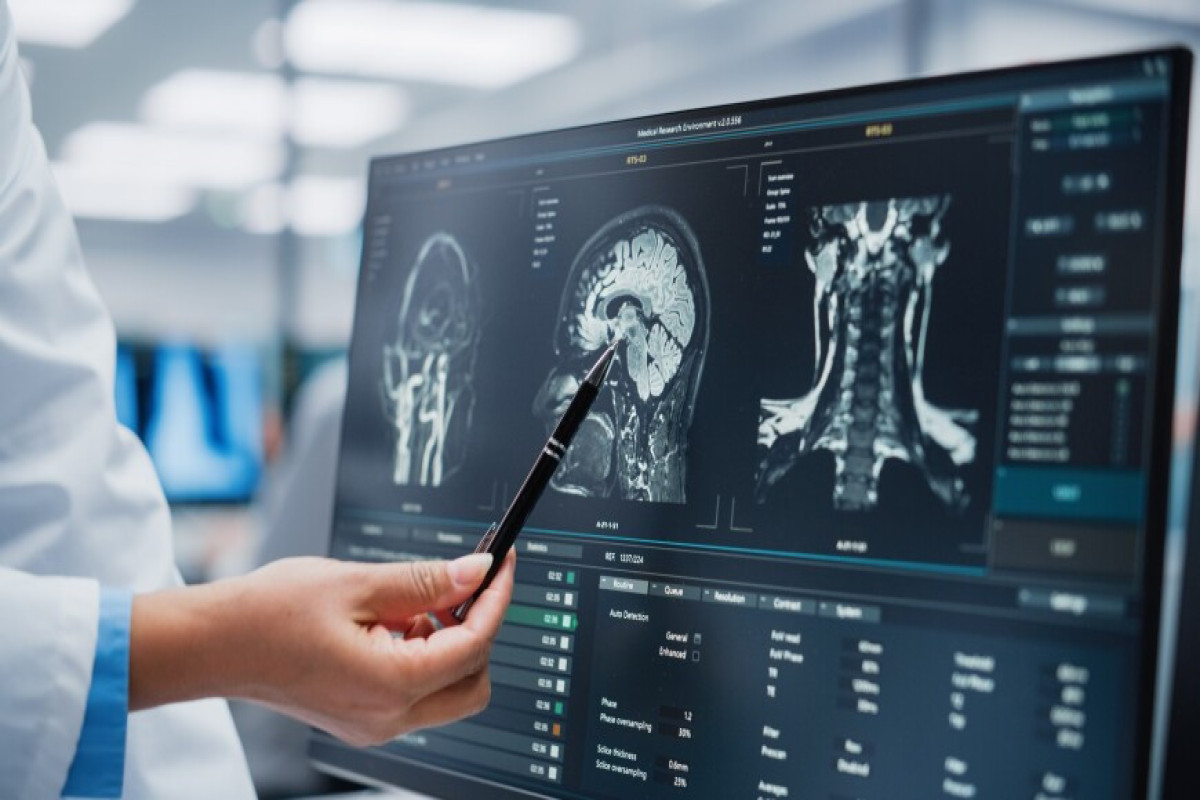
Imaging studies are vital for looking at the structure and function of our smell system. Magnetic Resonance Imaging (MRI) is often used to check the smell areas in our brain. MRI can spot problems like tumors or inflammation that might affect our smell.
Functional MRI (fMRI) helps us understand how our brain processes smells. It looks at blood flow changes in the brain when we smell something. This gives us clues about how our smell system works.
Imaging Technique | Application in Olfactory Assessment |
MRI | Structural evaluation of olfactory bulbs and tracts |
fMRI | Functional assessment of olfactory processing |
Biopsy Considerations
In some cases, taking a biopsy of the smell area in our nose might be needed. This can help diagnose conditions like olfactory neuroblastoma or see how much damage there is from injuries or toxins.
But, biopsies should be carefully thought about because of the risks. They need special skills and should only be done if the benefits outweigh the risks for the patient.
Special Considerations in Different Patient Populations
When checking how well the olfactory nerve works, we must think about the patient’s age and how well they think. We adjust our tests to meet the needs of different groups of patients.
Pediatric Olfactory Testing
Testing smell in kids is special because they are learning to talk and think. We use smells they know, like vanilla or strawberry, to see if they can smell and tell what it is.
Age Group | Testing Approach | Example Odorants |
0-3 years | Observational methods | Mother’s milk or familiar scents |
4-6 years | Simple identification tasks | Vanilla, strawberry |
7+ years | Standardized olfactory tests | Various odorants from commercial kits |
Geriatric Considerations
As people get older, their sense of smell can change. We must take these changes into account when we test their smell. A study in the Journal of Gerontology found that up to 40% of people over 65 have trouble smelling.
“Olfactory dysfunction is a common feature of aging, affecting up to 40% of individuals over 65 years.”
Source: Journal of Gerontology
When testing older adults, we use smells they are familiar with. We also think about any medicines that might affect their sense of smell.
For older patients, it’s important to:
- Use simple, clear instructions
- Choose odorants that are easily recognizable
- Consider any cognitive or physical limitations
Testing in Patients with Cognitive Impairment
Testing smell in people with cognitive issues can be tricky. We often use simple tests or watch how they react to smells. Sometimes, we use strong smells like ammonia to see if they can smell at all.
By making our smell tests fit each patient’s needs, we get better results. This way, we can really understand what’s going on and find the right treatment.
Documentation and Follow-Up Recommendations
Keeping accurate records of olfactory test results is key for good patient care. It helps track progress and share information among doctors.
To make sure records are consistent, standardized reporting templates are helpful. These templates capture important details like the test type, results, and any special notes from the exam.
Standardized Reporting
Standardized reporting keeps records the same everywhere. Using templates ensures all important info is included. This helps avoid missing important details.
- Clearly outline the patient’s olfactory test results.
- Include any observations or patient feedback during the test.
- Document any difficulties encountered during the examination.
Referral Criteria
Knowing who needs more tests or a specialist is important. Referral criteria should be based on test results and doctor’s judgment.
Patients with big olfactory problems or signs of neurological issues should see specialists. This could be neurologists or ear, nose, and throat doctors.
Referral Criteria | Description |
Significant Olfactory Dysfunction | Patients showing marked reduction in olfactory function. |
Suspected Neurological Conditions | Patients whose symptoms suggest underlying neurological disorders. |
Monitoring Protocols
Setting up monitoring protocols is key for tracking patients with olfactory issues. Follow-up visits should be based on how severe the problem is and the patient’s health.
At follow-ups, doctors can check how the patient’s sense of smell is doing. They can change treatment plans if needed and offer support.
By following these steps, doctors can give better care for olfactory problems. This leads to better results for patients.
Conclusion
Learning how to do an olfactory nerve exam is key for a full check-up of the nervous system. The olfactory nerve helps us smell and is closely tied to the brain’s olfactory tract. Testing it can give us important clues for diagnosis.
We’ve looked at the olfactory nerve’s structure and role, showing its link to the brain’s smell center. This knowledge helps doctors better diagnose and treat smell-related issues.
Testing the olfactory nerve is a big help in finding and treating smell problems. As medical experts, we see how vital this test is for caring for patients with smell issues.
FAQ
What is the purpose of an olfactory nerve examination?
An olfactory nerve examination checks a patient’s sense of smell. It helps diagnose issues like anosmia, hyposmia, and parosmia.
Which cranial nerve is responsible for detecting smell?
The olfactory nerve, or cranial nerve I (CN I), is in charge of smell detection.
What is anosmia, and how is it related to the olfactory nerve?
Anosmia is when you lose your sense of smell. It can happen due to damage to the olfactory nerve or other issues in the olfactory system.
How is the olfactory nerve tested?
To test the olfactory nerve, several methods are used. These include threshold, discrimination, and identification tests. They check how well a person can smell and identify different smells.
What are some common pathologies that affect the olfactory nerve?
Issues like anosmia, hyposmia, and parosmia can affect the olfactory nerve. Other problems include post-traumatic olfactory dysfunction and diseases like Alzheimer’s and Parkinson’s.
Can olfactory testing be used to diagnose neurological disorders?
Yes, olfactory testing can help diagnose and track neurological disorders. It gives important information to doctors.
How is patient anxiety addressed during an olfactory nerve examination?
To ease patient anxiety, explain the test clearly. Make sure they’re comfortable. Use gentle methods during the exam.
What equipment is needed for an olfactory nerve examination?
You’ll need standard odorants and commercial test kits for olfactory testing. Household items can also be used, depending on the test and patient needs.
How are the results of an olfactory nerve examination interpreted?
Exam results are analyzed by checking how well a person smells and identifies odors. They’re compared to normal values to see if there’s any dysfunction.
What are the clinical implications of abnormal olfactory test results?
Abnormal results can show conditions like anosmia, hyposmia, and parosmia. They can also help predict the course of neurological diseases.
Are there any special considerations for olfactory testing in different patient populations?
Yes, testing needs to be adapted for kids, older adults, and those with cognitive issues. This ensures accurate and meaningful results.
References
National Center for Biotechnology Information. Evidence-Based Medical Guidance. Retrieved from https://pubmed.ncbi.nlm.nih.gov/11453336/