Last Updated on November 27, 2025 by Bilal Hasdemir
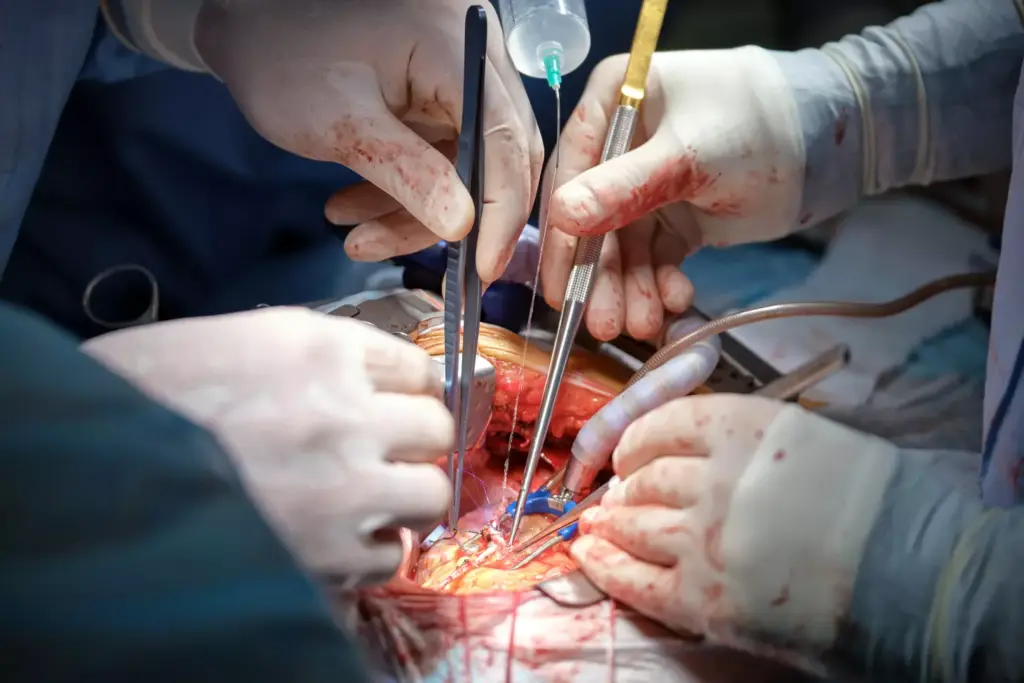
At Liv Hospital, we know the dangers of an ascending aortic aneurysm. We aim to offer the safest, most advanced surgery. Our skilled teams provide top-notch, tailored care for those needing ascending aorta replacement. This surgery is key for treating aneurysms in the aorta, the main blood vessel from the heart.
We use the newest methods and tools to improve patient results and cut down on recovery time. We carefully check each patient and create a treatment plan just for them. For more on aortic aneurysm repair, check out Dartmouth-Hitchcock’s resource on the subject.
Key Takeaways
- Ascending aorta replacement is a surgical procedure used to treat aneurysms in the ascending aorta.
- Our team provides complete care for international patients looking for top medical treatments.
- We employ the latest techniques and technologies to enhance patient outcomes and lessen recovery time.
- Aneurysms in the ascending aorta can be life-threatening if not treated.
- We create personalized treatment plans for each patient based on their unique situation.
Understanding Ascending Aortic Aneurysms
It’s important to know about ascending aortic aneurysms to diagnose and treat them. These aneurysms happen when the top part of the aorta gets too big. If not treated, they can cause serious problems.
Definition and Pathophysiology
An ascending aortic aneurysm is when the top part of the aorta gets too big. It’s more than 50% bigger than it should be. This can happen because the aortic wall gets weak. Weakness can come from genetics, high blood pressure, or plaque buildup.
The process behind aneurysms is complex. It involves inflammation and damage to the aortic wall. This damage makes the wall weak, leading to the aorta getting bigger.
Prevalence and Risk Factors
Ascending aortic aneurysms are more common with age, high blood pressure, and certain genetic conditions. Other risks include plaque buildup, smoking, and a family history of aortic aneurysms.
Research shows more people are getting thoracic aortic aneurysms. This is likely because more people are living longer and getting checked with imaging tests.
Natural History and Progression
The growth of ascending aortic aneurysms can vary. Some stay the same size, while others grow fast. The size of the aneurysm, symptoms, and the cause can affect how fast it grows.
Knowing how aneurysms grow is key to deciding when to intervene. It helps in making a good plan for managing the condition.
Indications for Ascending Aorta Replacement
It’s key for doctors to know when to replace the ascending aorta. This choice is made after looking at many important factors. It’s all about giving the best care to patients with aortic aneurysms.
Size Criteria for Intervention
The size of the aneurysm is a big factor in deciding if surgery is needed. For thoracic aortic aneurysms, surgery is often suggested when they’re 1.9 to 2.4 inches (about 5 to 6 centimeters) or bigger. Acting early at this size can greatly lower the chance of rupture or dissection.
| Aneurysm Size (cm) | Recommended Intervention | Risk Consideration |
|---|---|---|
| Monitor with regular imaging | Low risk of rupture | |
| 4.5 – 5.5 | Consider surgery based on patient factors | Moderate risk |
| > 5.5 | Surgical repair recommended | High risk of rupture or dissection |
Symptomatic Presentations
Patients with symptoms like chest pain or shortness of breath need quick evaluation. Symptoms often mean a quicker need for ascending aorta replacement.
Special Considerations in Genetic Disorders
Genetic disorders like Marfan syndrome, Ehlers-Danlos syndrome, and Loeys-Dietz syndrome raise the risk of aortic problems. For those with these conditions, surgery might be considered at smaller aneurysm sizes. This is because they face a higher risk of serious issues.
Fixing an ascending aortic aneurysm usually means replacing it with a synthetic graft. This can greatly improve patient outcomes by lowering the risk of rupture or dissection.
Preoperative Assessment and Planning
Before surgery, a detailed check-up is key to find the best way to replace the ascending aorta. Managing an aneurysm of the ascending aorta needs a team effort.
Imaging Studies and Interpretation
Imaging tests are vital for checking on ascending aortic aneurysms. We use:
- Echocardiogram to look at the heart’s structure and how it works
- CT scan to see how big and where the aneurysm is
- MRI to get clear pictures of the aorta and nearby tissues
These tests help us know the aneurysm’s size, where it is, and if it’s touching other parts.
Cardiac Function Evaluation
Checking the heart’s function is important before surgery. We look at:
- Echocardiography to check the heart’s chambers and valves
- Stress testing to see how well the heart can handle work
This helps us spot any heart risks and plan the surgery carefully.
Surgical Risk Stratification
Figuring out the surgery’s risk is a big part of planning. We look at:
- The patient’s overall health
- Any other health issues they have
- How complex the surgery will be
This helps us tell patients what to expect and make the right choices for their care.
Our team works with patients to find the best treatment. We make sure they get care that’s just right for them.
Patient Selection and Optimization
The success of ascending aorta replacement depends on choosing the right patients and preparing them well before surgery. Every patient is different, so we tailor our approach to fit their needs for the best results.
Comorbidity Management
Patients with ascending aortic aneurysms often have other health issues that can affect surgery. Managing these comorbidities is key to reducing risks before surgery. We help patients manage conditions like high blood pressure, diabetes, and heart disease.
For example, controlling blood pressure is important to prevent aneurysm rupture or dissection. We also check and manage other health issues that could impact the patient’s health and surgery risk.
Medication Adjustments
Adjusting medications is a big part of preparing patients for surgery. Some medicines, like blood thinners, may need to be stopped before surgery to avoid bleeding. Thoroughly reviewing a patient’s medications is essential for safe surgery.
We also look at medicines that can help stabilize the aneurysm, like beta-blockers. These can slow down the aneurysm’s growth.
Timing of Intervention
Deciding when to do the surgery is a big decision. It depends on the aneurysm’s size, growth, symptoms, and the patient’s health. Choosing the right time is important to avoid serious problems like rupture or dissection.
We make this decision with a team of experts, including cardiologists and surgeons. We follow the latest guidelines and research to make sure we’re doing what’s best for the patient.
By carefully choosing and preparing patients for ascending aorta replacement, we can improve outcomes and lower risks. Our aim is to give each patient the care they need, tailored to their unique situation.
Surgical Approaches for Ascending Aortic Aneurysm Repair
Surgical methods for fixing ascending aortic aneurysms have changed a lot. Now, patients have many options based on their health and the aneurysm’s size and location. The right surgery depends on these factors.
Traditional Full Sternotomy
Traditional full sternotomy is a common method for fixing these aneurysms. It involves cutting the sternum to see the aorta clearly. This method lets surgeons do complex repairs. But, it takes longer to recover from.
It’s often chosen for harder cases or when more heart surgeries are needed.
Minimally Invasive Techniques
Recently, less invasive methods have become popular. They use smaller cuts, often between the ribs. These methods can lead to less pain and quicker recovery. But, they might not work for everyone, like those with very complex aneurysms.
A study in the Journal of Medical Case Reports shows these methods work well for complex heart surgeries, including fixing aortic aneurysms here.
Approach Selection Based on Patient Factors
Choosing the right surgery depends on many things. These include the aneurysm’s size and where it is, the patient’s health, and past surgeries. Our team works with patients to find the best surgery for them.
By choosing the right surgery, we aim to improve patients’ lives.
In summary, picking the right surgery for an ascending aortic aneurysm is very important. We offer both traditional and less invasive options. This way, we can give each patient the care they need.
Anesthesia Considerations and Setup
Our team works closely with anesthesiologists to create the best anesthesia plan for patients. This teamwork is key to achieving the best results for patients.
Monitoring Requirements
Monitoring is vital during ascending aorta replacement surgery. We use several methods, including:
- Arterial blood pressure monitoring
- Central venous pressure monitoring
- Transesophageal echocardiography (TEE)
- Electroencephalography (EEG) for neuroprotection
These tools give us real-time data to make better decisions during surgery.
Anesthetic Agents and Techniques
We choose anesthetics and techniques based on each patient’s needs. We consider:
- The patient’s overall health status
- The presence of comorbidities
- The need for neuroprotection
Total intravenous anesthesia (TIVA) is often used for its precise control. We also use volatile anesthetics for their neuroprotective benefits.
Neuroprotection Strategies
Neuroprotection is a major focus during ascending aorta replacement. We use several methods to protect the brain, including:
- Maintaining optimal cerebral perfusion pressure
- Using EEG monitoring to detect cerebral ischemia
- Implementing hypothermia protocols as needed
These strategies help lower the risk of brain damage.
Performing Ascending Aorta Replacement: Step-by-Step Procedure
We carefully replace the ascending aorta, using cardiopulmonary bypass to keep blood flowing. This complex surgery needs deep knowledge of heart anatomy and surgery.
Establishing Cardiopulmonary Bypass
The first step is setting up cardiopulmonary bypass. We use tubes to divert blood through a machine. This keeps the blood oxygenated and flowing while the heart is stopped.
The machine is filled with a special solution to keep blood flowing well. Monitoring the patient’s health and the machine’s settings is key during this time.
Aortic Cross-Clamping and Myocardial Protection
Next, we clamp the aorta with aortic cross-clamping. This stops blood flow to the damaged area. We use cardioplegia to protect the heart from damage.
Protecting the heart is vital during surgery. We use cold temperatures and special solutions to do this.
Aneurysm Resection Technique
With the aorta clamped and the heart protected, we remove the aneurysmal segment. We carefully cut out the aneurysm, making sure not to harm nearby tissues.
Our technique is designed to minimize damage and help healing.
Graft Selection and Sizing
After removing the aneurysm, we choose a synthetic graft to replace it. The graft is made to fit the patient’s heart perfectly.
We sew the graft to the aorta using a special stitch. This ensures a strong and blood-free connection.
Advanced Techniques in Aneurysmal Ascending Aorta Management
Managing aneurysmal ascending aorta needs advanced surgical techniques. These are tailored to each patient’s needs. We use various methods to get the best results. We look at the aneurysm size, patient health, and if other heart surgeries are needed.
Valve-Sparing Root Replacement (David Procedure)
Valve-sparing root replacement keeps the patient’s own valve. It’s good for younger patients or those who don’t want to take blood thinners long-term. This way, we keep the heart working naturally and avoid prosthetic valve problems.
Remodeling Techniques (Yacoub Procedure)
Remodeling techniques reshape the aortic root to keep the native valve. It’s a precise method chosen based on the patient’s anatomy and aneurysm size. The aim is to fix the aortic root’s shape and remove the aneurysm.
Bentall Procedure for Combined Valve and Aortic Disease
The Bentall procedure replaces the aortic valve and the aorta with a single graft. It’s a key treatment for those with valve and aortic aneurysm issues. The Bentall procedure is a mainstay in treating complex aortic diseases.
Hemiarch and Total Arch Replacement Considerations
Hemiarch and total arch replacement are complex surgeries. They involve replacing parts or all of the aortic arch. These are vital for patients with arch aneurysms. The choice between hemiarch and total arch depends on the aneurysm size and patient health.
Management of Intraoperative Complications
Managing intraoperative complications during ascending aorta replacement is key. These complications can come from bleeding, coronary issues, cardiopulmonary bypass problems, and cerebral protection failures.
Bleeding Control Strategies
Bleeding is a big problem in surgery. We use a variety of methods to control it. This includes careful surgery and medicines when needed.
Tranexamic acid is a big help in stopping bleeding. We also give blood products quickly to keep the blood flowing well.
Addressing Coronary Complications
Coronary problems during surgery can be very serious. We plan carefully before surgery to avoid these issues.
If we need to fix the coronary arteries, we make sure the grafts work well. This helps prevent blockages.
Managing Bypass-Related Issues
Cardiopulmonary bypass is important but risky. We watch for signs of problems like embolisms or poor blood flow.
To lower these risks, we keep the bypass time short. We also use filters to catch clots.
Cerebral Protection Failures
Keeping the brain safe is very important. We use several ways to protect it, like cooling the body and careful blood flow.
If brain protection fails, we act fast. This might mean changing how we do the blood flow or adding more protection.
Immediate Postoperative Care
Patients who have had their ascending aorta replaced need careful postoperative care. This phase is critical for their recovery. It involves monitoring and managing their health to prevent complications.
Hemodynamic Management
Keeping blood pressure stable is key in the first days after surgery. We make sure vital organs get enough blood and watch the heart closely.
We use special medicines and manage fluids based on each patient’s needs. We keep a close eye on their blood pressure and heart function.
Ventilation Strategies
After aorta replacement, how we breathe is very important. We use techniques that protect the lungs to avoid injury. This helps patients breathe on their own sooner.
We check how well the lungs are working often. We adjust breathing settings as needed to help the patient.
Bleeding Surveillance and Management
Bleeding is a big worry after aorta replacement surgery. We watch chest tube drainage and blood clotting closely. This helps us catch any bleeding problems early.
We handle bleeding issues quickly. Our team includes surgeons, anesthesiologists, and intensive care specialists.
Early Mobilization Protocols
Moving early after surgery is important. It helps patients recover faster and lowers the risk of problems like blood clots and breathing issues.
We create personalized plans for early movement. Our team works together to make sure it’s safe and effective for each patient.
| Aspect of Care | Key Components | Benefits |
|---|---|---|
| Hemodynamic Management | Stable blood pressure, adequate organ perfusion, cardiac function monitoring | Prevents organ dysfunction, supports cardiac recovery |
| Ventilation Strategies | Lung-protective ventilation, regular respiratory assessment | Reduces lung injury, facilitates weaning from ventilation |
| Bleeding Surveillance and Management | Close monitoring of drainage and coagulation parameters, prompt intervention | Minimizes blood loss, reduces need for transfusions |
| Early Mobilization Protocols | Tailored mobilization plans, multidisciplinary coordination | Promotes recovery, reduces complication risk |
Long-Term Follow-Up and Surveillance
After ascending aorta replacement, patients need careful long-term surveillance to avoid complications. “The long-term management of patients with ascending aortic aneurysms is as critical as the surgical intervention itself,” highlights the need for ongoing care.
Imaging Protocols
Regular imaging studies are key for watching the aortic graft and catching any early issues. We suggest annual or bi-annual imaging, based on the patient’s risk factors and surgery details.
CT angiography is often used because it gives clear images of the aorta and its branches. But, MRI is a good option for those who can’t have radiation or contrast agents.
Management of Residual Aortic Pathology
Patients with residual aortic pathology need careful management to avoid further issues. This might include close monitoring of the remaining aortic segments and possibly more interventions.
We customize our approach based on each patient’s condition. We consider the extent of the residual aorta and any genetic predispositions.
Lifestyle Modifications and Medication Management
Lifestyle changes are key in managing patients with ascending aortic aneurysms. We guide patients on dietary modifications, exercise, and smoking cessation to lower their cardiovascular risk.
Managing medications is also vital. We focus on controlling hypertension, managing cholesterol levels, and preventing thrombosis. “Adherence to prescribed medication regimens is essential for minimizing the risk of late complications,” we tell our patients.
Monitoring for Late Complications
Late complications can happen years after surgery. We watch for signs of graft failure, pseudoaneurysm formation, and other possible issues, acting quickly if needed.
Regular follow-up visits and educating patients are key parts of our long-term surveillance. This helps us address concerns quickly and keep patient outcomes the best they can be.
Conclusion
Ascending aorta replacement is a key surgery for those with aneurysms in the ascending aorta. We’ve covered everything from finding the problem to keeping an eye on patients after surgery. Our team works hard to give the best care to those having this surgery, aiming for the best results.
We offer top-notch care to patients from around the world who need advanced medical treatments. We know how complex managing aneurysms can be. So, we focus on giving each patient the care they need, tailored just for them.
By carefully planning and doing the surgery, we can greatly improve life for those with aneurysms. We also make sure to keep a close eye on our patients after surgery. This way, we support them every step of the way as they get better.
FAQ
What is an ascending aortic aneurysm?
An ascending aortic aneurysm is when the main artery from the heart gets too big. This can cause serious problems if not treated.
What are the risk factors for developing an ascending aortic aneurysm?
Risk factors include age, high blood pressure, and certain genetic conditions. Knowing these helps catch the problem early.
What are the indications for ascending aorta replacement?
You might need a replacement if the aneurysm is too big or if you’re showing symptoms. Our team decides the best treatment for you.
What is the preoperative assessment for ascending aorta replacement?
Before surgery, we do tests like imaging and check your heart function. This helps us plan the best treatment for you.
What surgical approaches are available for ascending aortic aneurysm repair?
You can choose between open surgery or less invasive options. We help you decide based on your health.
What is involved in the step-by-step procedure for ascending aorta replacement?
The surgery includes stopping your heart, removing the aneurysm, and putting in a new graft. We use the latest methods to ensure your safety.
What are the advanced techniques available for managing aneurysmal ascending aorta?
We use advanced methods like valve-sparing surgery and the Bentall procedure. These help improve your outcome.
How is bleeding managed during ascending aorta replacement?
Managing bleeding is key during surgery. Our team is skilled in controlling it to ensure your safety.
What is the importance of long-term follow-up for patients with ascending aortic aneurysms?
Regular check-ups are vital to catch any new problems early. We work with you to keep you healthy long-term.
What is the dilated ascending aorta treatment?
Treatment usually means surgery to replace the aorta. This stops the problem from getting worse.
How is an aneurysm of the ascending aorta diagnosed?
Doctors use tests like echocardiograms or CT scans to see the size and health of the aorta.
What is the repair of ascending aortic aneurysm?
Repairing an aneurysm means replacing the bad part of the aorta with a graft. This can be done with open surgery or less invasive methods.
References
- CTSNet. (2024, May 7). Ascending aorta replacement by minimally invasive technique. Retrieved October 23, 2025, from https://www.ctsnet.org/article/ascending-aorta-replacement-minimally-invasive-technique
- Sran, S. (2014). Surgical management of ascending aortic aneurysm and aortic valve disease. Journal of Cardiothoracic and Vascular Anesthesia, 28(1), 82–90. https://doi.org/10.1053/j.jvca.2013.07.015
- Columbia Surgery. (n.d.). Valve-sparing aortic root replacement (David procedure). Retrieved October 23, 2025, from https://columbiasurgery.org/conditions-and-treatments/valve-sparing-aortic-root-replacement-david-procedure
- CTSNet. (2023, September 12). Aortic hemiarch replacement: The 7-minute technique. Retrieved October 23, 2025, from https://www.ctsnet.org/article/aortic-hemiarch-replacement-7-minute-technique
- MMCTS. (2024, September 26). Technique for surgical replacement of the ascending aorta. Retrieved October 23, 2025, from https://mmcts.org/tutorial/1936