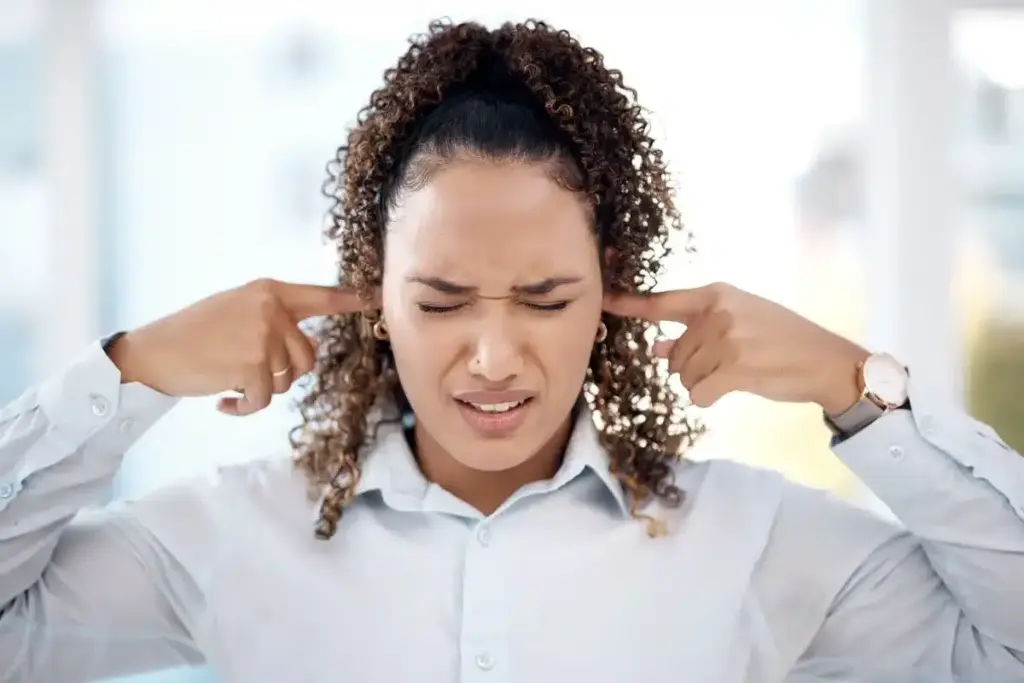
Feeling like your ears are full and muffled can really mess with your day. It happens when you go up high, get a cold, or when air pressure changes suddenly. Millions of people deal with this and just want it to stop.
Struggling with Pop Your Ears ? Our guide covers 7 proven methods to open Eustachian tubes and relieve ear barotrauma during flights, colds, and more.
At Liv Hospital, we get how annoying this is. We’re here to help you find safe ways to get your ears back to normal. Ear popping is when the Eustachian tube opens to balance air pressure.
We will explore this process and provide relief methods. You can try yawning, swallowing, or chewing gum. The Valsalva maneuver, a special breathing trick, also works well.
Key Takeaways
- Ear popping is a natural process that occurs when the Eustachian tube opens.
- Several techniques can help relieve ear congestion, including yawning and swallowing.
- The Valsalva maneuver is a controlled breathing technique that can help.
- Chewing gum can also help equalize ear pressure.
- Understanding these methods can help you find quick relief.
Understanding Ear Pressure and the Eustachian Tube
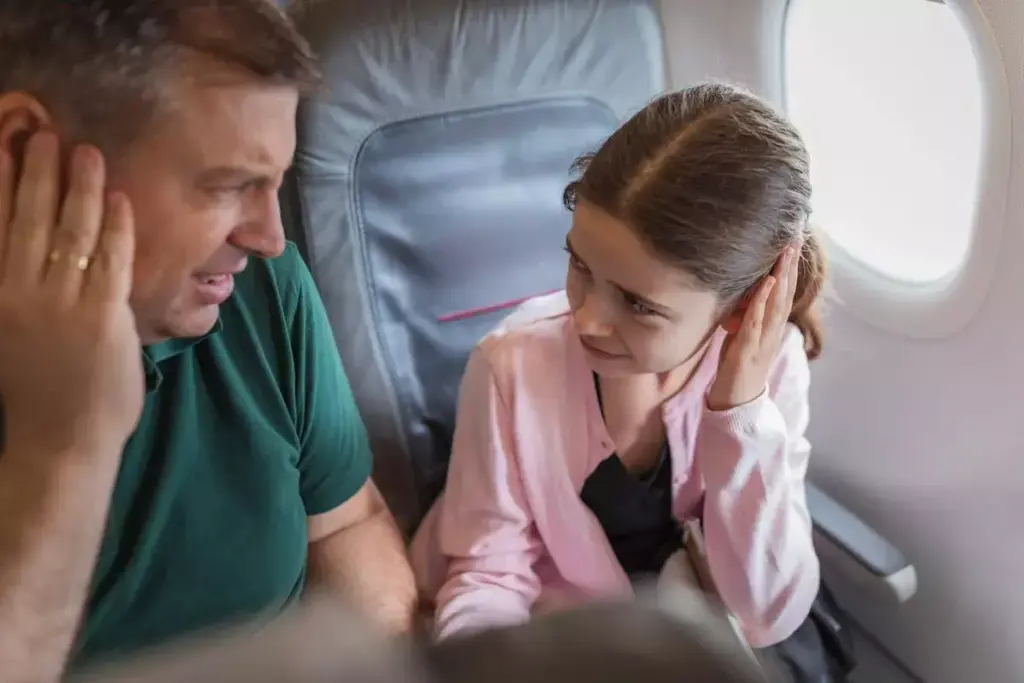
To get rid of air bubbles in the ear, it’s key to know why ear pressure happens. Ear pressure is when the air inside the ear doesn’t match the outside air pressure.
What Causes Blocked Ears and Pressure Buildup
Blocked ears and pressure can come from many things. This includes changes in altitude, sinus infections, and allergies. If the Eustachian tube is blocked or not working right, it can cause ear congestion and pain.
Going up or down in altitude, like flying or driving through mountains, can put pressure on your ears. Sinus infections and allergies can also mess with the Eustachian tube, leading to ear blockage.
How Your Eustachian Tubes Regulate Pressure
The Eustachian tube is a key part of the ear. It connects the middle ear to the back of the throat. It helps keep air pressure balanced in the ear.
When the Eustachian tube works right, it opens and closes to match air pressure inside and outside the ear. If it’s blocked or not working, it can cause ear pressure and discomfort.
| Causes of Ear Pressure | Effects on the Eustachian Tube |
| Changes in altitude | Eustachian tube dysfunction |
| Sinus infections | Blockage of the Eustachian tube |
| Allergies | Eustachian tube inflammation |
Common Situations That Trigger Ear Congestion
Ear congestion can happen for many reasons. This includes flying, driving through mountains, and sinus infections. Knowing what causes it can help you avoid it and feel better.
By understanding ear pressure and how the Eustachian tube works, you can take steps to relieve blocked ears. This can help prevent future congestion.
7 Effective Ways to Pop Your Ears for Immediate Relief

## 7 Effective Ways to Pop Your Ears for Immediate Relief
Ear pressure can be a real pain, whether it’s from flying, diving, or a cold. Luckily, there are ways to “pop” your ears and feel better. These methods can help restore balance and ease discomfort.
### The Valsalva Maneuver: Pinch and Blow Technique
The Valsalva maneuver is a simple trick to ease ear pressure. First, pinch your nose shut. Then, close your mouth and gently blow air through your nose. This opens the Eustachian tube, letting air in and balancing the pressure.
### Swallowing Method: How It Opens the Eustachian Tubes
Swallowing is another natural way to ease ear pressure. When you swallow, your throat muscles contract. This opens the Eustachian tube, letting air in and balancing the pressure. Try swallowing a few times to help.
### Yawning Strategy for Quick Pressure Equalization
Yawning is also a quick fix for ear pressure. When you yawn, the Eustachian tube opens. This lets air in and balances the pressure. Yawning can be a natural way to ease discomfort.
### Chewing Gum or Sucking on Hard Candy
Chewing gum or sucking on hard candy can also help. These actions stimulate saliva, which leads to swallowing. Swallowing, as we’ve seen, opens the Eustachian tube and lets air in.
For more detailed instructions onhow to pop your ears, you can visit ourstep-by-step guide.
By trying these methods, you can find relief from ear pressure and discomfort. If you have ongoing ear problems, always check with a healthcare professional.
Conclusion: When to Try These Methods and When to See a Doctor
We’ve talked about 7 ways to pop your ears, like the Valsalva maneuver and swallowing. If your ears feel congested, these methods can help. They’re good for when you’re flying or feeling sick.
If your ear problems don’t go away or hurt a lot, see a doctor. Chronic issues might need medical help to avoid damage. If you’re not sure why your ears are congested, get a doctor’s opinion.
Knowing how to handle ear congestion and when to get help is key. If ear pressure keeps coming back, a doctor can help. They’ll figure out why and how to fix it.
FAQ:
What is the Eustachian tube and its role in ear pressure regulation?
The eustachian tube connects the middle ear to the back of the nose and throat. It helps balance air pressure and allows fluid to drain from the ear.
Why do my ears feel congested when I fly or drive through mountains?
Rapid altitude changes affect air pressure. If the eustachian tube doesn’t open quickly enough, pressure builds up and causes ear congestion.
How does the Valsalva maneuver help to pop my ears?
The Valsalva maneuver gently forces air into the eustachian tubes, helping equalize pressure and relieve a clogged ear sensation.
Can chewing gum or sucking on hard candy help to relieve ear pressure?
Yes, these actions stimulate swallowing, which helps open the eustachian tubes and balance ear pressure naturally.
How do I know if I should seek medical attention for my ear congestion?
You should see a doctor if congestion lasts several days, worsens, or is accompanied by pain, dizziness, hearing loss, or ringing.
Can I use these methods to pop my ears when I have a cold?
Yes, but congestion from a cold may make relief slower. Gentle methods are safe, but forceful pressure should be avoided.
Are there any other ways to unclog my ears beside the methods mentioned?
Other options include staying hydrated, managing nasal congestion, using saline sprays, or treating allergies that affect ear pressure.
How can I prevent ear congestion during air travel?
Swallowing during takeoff and landing, using nasal sprays if needed, and staying awake during descent can help prevent congestion.
Is it normal for my ears to “pop” or feel like they’re going to “pop”?
Yes, ear popping is normal and usually means pressure is equalizing properly. Mild popping is common during altitude changes.
Can ear congestion be a sign of an underlying medical condition?
Persistent or recurring ear congestion may indicate allergies, sinus issues, or eustachian tube dysfunction and should be medically evaluated.
References:
JAMA Network. Evidence-Based Medical Insight. Retrieved from https://jamanetwork.com/journals/jamaotolaryngology/fullarticle/2825855