
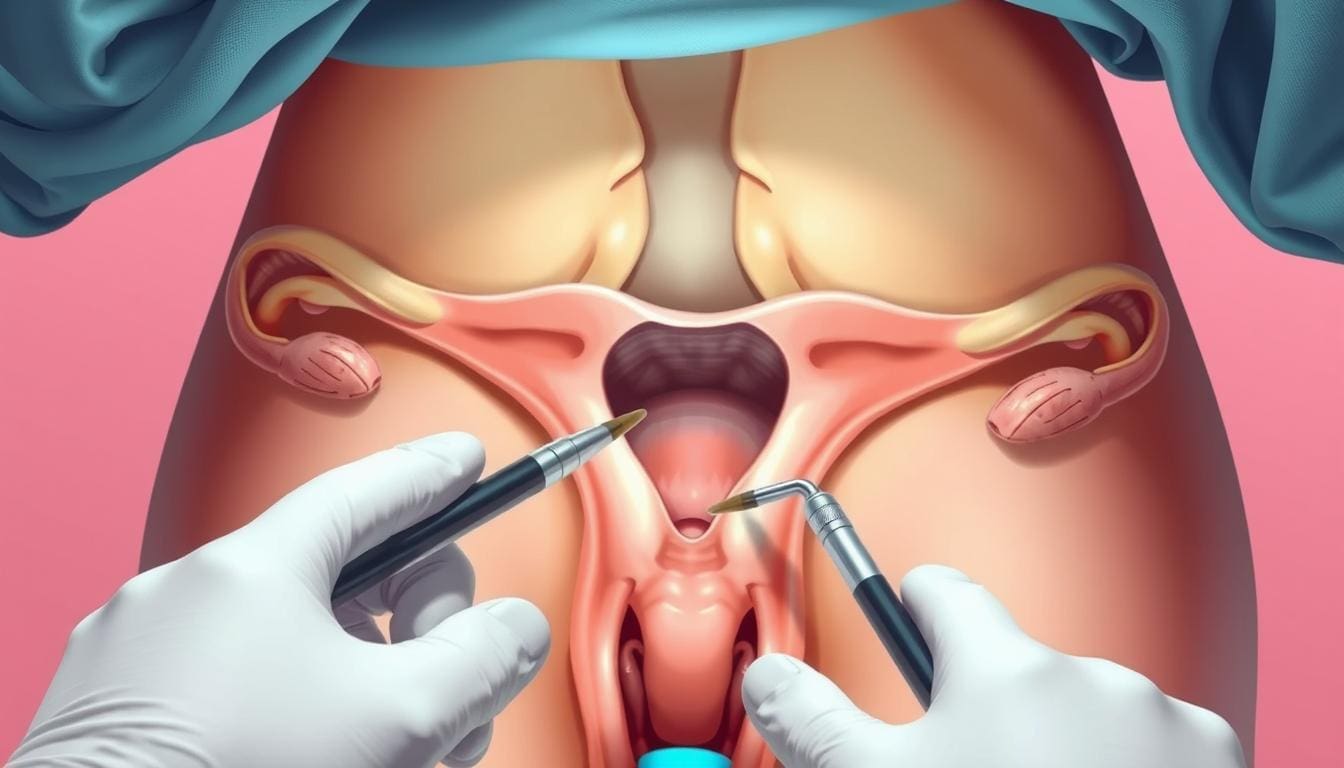
At Liv Hospital, we know that choosing a minimally invasive hysterectomy is a big step. This surgery, also known as laparoscopic hysterectomy, has many advantages. It leads to quicker healing and less pain after surgery compared to older methods.
We’re here to help you every step of the way. Our team of experts will help you get ready for and recover from surgery. Knowing what to expect can make your recovery easier.
Key Takeaways
- Minimally invasive techniques reduce recovery time
- Laparoscopic hysterectomy involves small incisions
- Understanding the procedure is key for patient preparation
- Liv Hospital offers full care and support
- Our expert guidance makes recovery smoother
Understanding Laparoscopic Uterus Removal
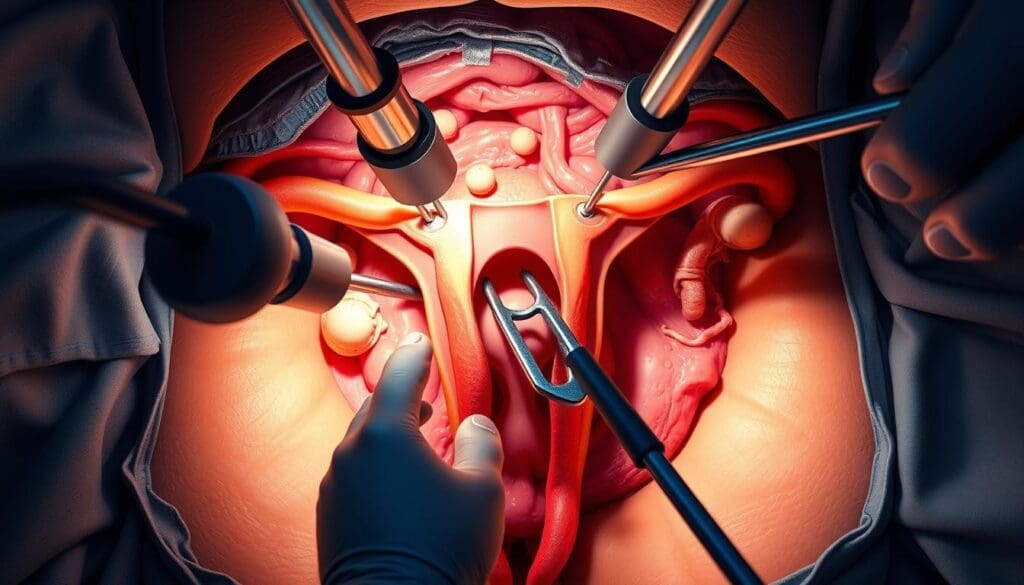
Learning about laparoscopic hysterectomy is key for those thinking about it. This surgery is popular because it’s less invasive. It has many benefits over older surgical methods.
What is Laparoscopic Hysterectomy?
Laparoscopic hysterectomy removes the uterus through small belly cuts. A laparoscope, a thin tube with a camera, guides the surgery. This way, the surgery is more precise and causes less damage to nearby tissues.
Benefits of Minimally Invasive Approach
Choosing laparoscopic hysterectomy means less pain after surgery, shorter hospital stays, and quicker recovery. The small cuts also mean less scarring and a lower chance of infection.
Patients often get back to their daily lives faster. This is great for those with a lot to do or family to take care of.
Comparing Laparoscopic vs. Traditional Hysterectomy
When deciding on uterus removal, it’s important to look at the differences between laparoscopic and traditional surgery. The table below shows the main differences.
| Characteristics | Laparoscopic Hysterectomy | Traditional Open Hysterectomy |
|---|---|---|
| Incision Size | Small (less than 1 cm) | Large (often 6-8 inches) |
| Recovery Time | Typically 2-4 weeks | Often 6-8 weeks or more |
| Pain Level | Less postoperative pain | More significant postoperative pain |
| Scarring | Minimal scarring | Significant scarring |
| Hospital Stay | Often outpatient or short stay | Typically requires a longer hospital stay |
The table clearly shows laparoscopic hysterectomy’s benefits. It has smaller cuts, less pain, and quicker recovery. This makes it a better choice for many patients.
Types of Laparoscopic Hysterectomy Procedures
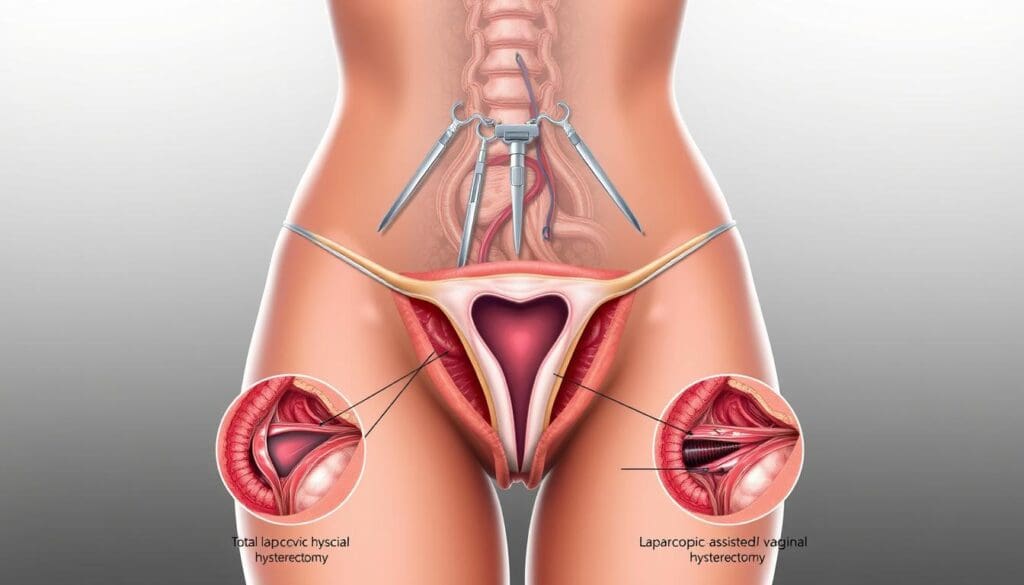
There are many ways to do a laparoscopic hysterectomy, each with its own benefits. The right choice depends on the patient’s health, the reason for the surgery, and the doctor’s advice. Knowing the differences helps patients make better choices for their care.
Partial (Supracervical) Hysterectomy
Partial or supracervical hysterectomy removes the top part of the uterus but keeps the cervix. This is chosen when keeping the cervix is good for the patient. It may have less risk of some problems and keep pelvic support.
A doctor said, “Keeping the cervix can help avoid some issues and keep pelvic support.” (
Keeping the cervix can have several benefits, including reduced risk of vault prolapse and potentially less disruption to surrounding pelvic structures.
)
Total Laparoscopic Hysterectomy
Total laparoscopic hysterectomy removes the whole uterus, including the cervix, through laparoscopic surgery. It’s often used for fibroids or endometriosis. This method removes the uterus well and helps patients with certain gynecological issues.
The table below summarizes key aspects of total laparoscopic hysterectomy:
| Procedure | Indications | Benefits |
|---|---|---|
| Total Laparoscopic Hysterectomy | Uterine fibroids, endometriosis, abnormal uterine bleeding | Thorough removal of the uterus, less invasive than open surgery |
Laparoscopic-Assisted Vaginal Hysterectomy
Laparoscopic-assisted vaginal hysterectomy uses both laparoscopic and vaginal methods to remove the uterus. It’s good for patients needing vaginal repair. It lets surgeons do both uterine removal and vaginal repair in one go.
Choosing the right laparoscopic hysterectomy can be tough. Our team is here to help with personalized care and advice.
Medical Reasons for Considering Laparoscopic Uterus Removal
Many gynecological conditions may need a laparoscopic hysterectomy. These conditions can really affect a woman’s life. Surgery can help ease symptoms and improve health.
Uterine Fibroids and Adenomyosis
Uterine fibroids are non-cancerous growths that can cause heavy bleeding and pain. Laparoscopic hysterectomy is often chosen when symptoms are severe. Adenomyosis, where uterine lining grows into the walls, also causes heavy bleeding and pain. This makes laparoscopic uterus removal a good option.
- Heavy menstrual bleeding
- Pelvic pain and pressure
- Failed other treatments
Endometriosis and Chronic Pelvic Pain
Endometriosis causes pain and discomfort due to tissue growth outside the uterus. Chronic pelvic pain from endometriosis can be very hard to deal with. Laparoscopic hysterectomy is considered when other treatments don’t work.
Choosing surgery is usually after trying other options. Laparoscopic uterus removal can greatly improve life for women with these conditions.
Abnormal Uterine Bleeding and Cancer Concerns
Abnormal uterine bleeding can be due to hormonal imbalances or fibroids. It might also signal a serious issue like cancer. Laparoscopic hysterectomy is considered when cancer risk is high or other treatments fail.
| Condition | Symptoms | Treatment Consideration |
|---|---|---|
| Uterine Fibroids | Heavy bleeding, pain | Laparoscopic Hysterectomy |
| Adenomyosis | Heavy bleeding, pain | Laparoscopic Hysterectomy |
| Endometriosis | Pelvic pain, infertility | Laparoscopic Hysterectomy |
Pre-Surgery Consultation and Planning
Getting ready for a laparoscopic hysterectomy is key. This step makes sure you’re ready for the surgery. You’ll know the risks and benefits and have a plan for recovery.
Finding the Right Surgeon
Finding a skilled surgeon is essential. Look for doctors who specialize in laparoscopic surgeries. Check their credentials, patient feedback, and the hospital’s reputation.
Ask your surgeon about their experience and how they handle emergencies. A good surgeon will be open about their qualifications and care.
Questions to Ask During Consultation
Be ready with questions for your consultation. Some important ones include:
- Why is laparoscopic hysterectomy recommended for me?
- What are the possible risks and complications?
- How will I be watched during and after surgery?
- What are the expected results, and how will they affect my life?
- How long will I need to recover, and what support can I expect?
Understanding Surgical Risks and Benefits
Every surgery has its risks and benefits. Laparoscopic hysterectomy offers smaller cuts, less pain, and quicker recovery. But, there are risks like infection and bleeding.
We’ll talk about these risks in your consultation. We’ll also share ways to reduce them.
Here’s a look at common risks and benefits of laparoscopic hysterectomy:
| Risks/Complications | Benefits |
|---|---|
| Infection | Minimally invasive with smaller incisions |
| Bleeding or hemorrhage | Less post-operative pain |
| Injury to surrounding organs | Shorter hospital stay |
| Blood clots | Quicker recovery time |
| Adhesions or bowel obstruction | Less scarring |
Knowing these details helps you make a smart choice. We’re here to support you every step of the way.
Physical Preparation for Laparoscopic Surgery
Getting ready physically for laparoscopic uterus removal surgery is key for a smooth recovery. We suggest several steps to prepare well for the procedure.
Required Medical Tests and Evaluations
Before surgery, we do medical tests and evaluations to check your health. These might include:
- Blood tests to look for anemia, infection, or other issues.
- Imaging tests like ultrasound or MRI to see the uterus and nearby organs.
- Electrocardiogram (ECG) to check your heart health.
- Other tests based on your health history and current status.
These tests help us spot any risks and plan to avoid complications.
Medication Adjustments Before Surgery
Some medicines can affect your surgery or recovery. We might ask you to:
- Stop taking blood thinners a few days before to lower bleeding risk.
- Adjust your dosage of diabetes medications.
- Inform us about all medications, including supplements and herbal remedies, to avoid interactions.
Following our medication instructions is vital for your safety during and after surgery.
Dietary and Lifestyle Changes
Changing your diet and lifestyle can prepare your body for surgery and aid in recovery. We advise:
- Eating a balanced diet full of nutrients to boost your health.
- Staying hydrated by drinking lots of water.
- Avoiding smoking and alcohol for a few weeks before surgery.
- Maintaining a healthy weight to lower surgical risks.
These changes can help your body recover faster and lower the risk of complications.
By following these guidelines and working with your healthcare team, you can prepare well for laparoscopic uterus removal surgery. This sets you up for the best possible outcome.
Preparing Your Home for Post-Surgery Recovery
Getting your home ready for post-surgery recovery is key to a smooth healing process. A well-prepared home offers comfort, support, and resources needed during recovery.
Setting Up a Recovery Station
Creating a recovery station in your home helps you stay comfortable and relaxed. This area should be quiet, clean, and free from distractions. We recommend setting up a cozy space with:
- A comfortable bed or recliner
- Easy access to water, medications, and entertainment
- A phone or other device to stay in touch with family and friends
Having everything you need within arm’s reach helps you conserve energy. This allows you to focus on healing without moving too much.
Meal Preparation and Household Assistance
Meal prep and household chores can be tough during recovery. We suggest:
- Preparing and freezing meals in advance
- Arranging for a friend or family member to assist with household chores
- Using a meal delivery service if possible
Having support with daily tasks can reduce stress. It lets you focus on your recovery.
Essential Items for Comfort and Healing
Having the right items can make your recovery more comfortable. Some essentials include:
| Item | Purpose |
|---|---|
| Comfortable clothing | Loose, comfortable clothing can reduce discomfort and promote relaxation. |
| Pain management medication | Following your doctor’s instructions, having pain medication on hand can help manage post-surgery discomfort. |
| Heating pads or warm compresses | These can help alleviate pain and discomfort. |
By preparing your home and having the necessary items and support, you can create a recovery-friendly environment. This supports your well-being after laparoscopic uterus removal surgery.
The Laparoscopic Uterus Removal Procedure
We will guide you through the laparoscopic uterus removal procedure. We’ll explain the steps and what to expect. This advanced surgical technique aims to reduce recovery time and lower the risk of complications.
Surgical Instruments and Techniques
Laparoscopic uterus removal uses special surgical tools. A laparoscope, a thin, lighted tube with a camera, is one of them. These tools allow for precise dissection and removal of the uterus through small incisions. The skill and experience needed for laparoscopic techniques are high.
The surgical team will use various techniques to ensure the procedure is safe and effective. They might use electrosurgery or other advanced methods to dissect and remove the uterus.
Anesthesia and Operating Room Experience
During the procedure, you will be under general anesthesia. This ensures your comfort and minimizes pain. The anesthesia team will closely monitor your vital signs throughout the surgery. The operating room is highly controlled, with a focus on maintaining a sterile environment and minimizing risks.
Step-by-Step Surgical Process
The laparoscopic uterus removal procedure involves several key steps:
| Step | Description |
|---|---|
| 1 | Insertion of the laparoscope and other surgical instruments through small incisions. |
| 2 | Inspection of the pelvic cavity to identify any abnormalities. |
| 3 | Dissection and removal of the uterus using specialized instruments. |
| 4 | Closure of the incisions, typically with sutures or staples. |
Understanding the laparoscopic uterus removal procedure can help alleviate patient anxiety and improve outcomes. Our surgical team is committed to providing the highest level of care and support throughout the process.
Immediate Recovery Period: Hospital to Home
The time right after laparoscopic uterus removal surgery is very important. It needs careful attention and planning. Knowing what to expect when moving from the hospital to home can make things easier.
Hospital Stay Duration and Care
The time you spend in the hospital after this surgery can vary. It depends on your health and how complex the surgery was. Usually, you’ll stay for one to two days to start recovering.
While in the hospital, doctors will watch your health closely. They’ll manage your pain and look for any complications.
Hospital care includes:
- Regular checks of vital signs and incision sites
- Pain management through medication
- Encouragement of initial movement to prevent blood clots
- Assistance with basic needs such as eating and personal hygiene
Pain Management Strategies
Managing pain well is key during recovery. We use medicines and other methods to help with pain. It’s important to take the medicines your doctor gives you to keep pain under control.
Some ways to manage pain include:
- Using prescribed pain medication as directed
- Applying heat or cold packs to the lower abdomen
- Engaging in relaxation techniques such as deep breathing or meditation
Initial Movement and Activity Guidelines
Moving a little bit right after surgery is good. It helps prevent blood clots and aids in healing. Gentle walking is often recommended as soon as you can, even in the hospital.
At home, keep up with:
- Short walks around the house
- Avoiding heavy lifting or bending
- Gradually increasing activity levels as advised by your healthcare provider
Home Recovery: First Two Weeks
The first two weeks at home are critical for a smooth healing after laparoscopic uterus removal surgery. It’s important to manage pain, care for your incisions, and watch for warning signs that need medical help.
Managing Discomfort and Incision Care
Managing pain is key during recovery. Follow your doctor’s advice on pain relief, which might include medication. Keeping your incisions clean and dry helps them heal faster.
- Gently clean the incision areas with mild soap and water.
- Pat the area dry with a clean towel.
- Avoid submerging the incisions in water until your doctor advises it’s safe.
Proper incision care can greatly reduce infection risk and aid in a smoother recovery.
Warning Signs and When to Call Your Doctor
Knowing the warning signs is vital. If you have severe pain, heavy bleeding, fever, or signs of infection, call your doctor right away.
- Severe pain not relieved by medication.
- Heavy bleeding or clots.
- Fever above 100.4°F (38°C).
- Redness, swelling, or discharge from the incision sites.
It’s always better to err on the side of caution when it comes to your health. If unsure about symptoms, contact your doctor.
Emotional and Hormonal Considerations
After surgery, you might feel emotionally and hormonally changed. Mood swings or sadness are common. Having a support system and talking to your doctor about emotional issues is important.
“The emotional aspect of recovery is just as important as the physical. Having a strong support system can make a significant difference in your overall recovery experience.”
By focusing on both physical and emotional recovery, you can confidently get through the first two weeks at home. This sets you up for a successful recovery in the long run.
Long-Term Recovery and Return to Normal Activities
After laparoscopic uterus removal surgery, understanding long-term recovery is key. This phase is vital for a full and healthy recovery.
Gradual Activity Progression Timeline
Returning to normal activities slowly is important. Here’s a suggested timeline:
- 2-4 weeks: Start with light walking and stretching.
- 4-6 weeks: Increase walking and try low-impact activities like yoga or swimming.
- 6-8 weeks: You can do more strenuous activities, like heavy housework or high-impact exercises.
It’s important to listen to your body and not push too hard. Too much activity can cause problems. So, balance rest with activity.
Dietary Considerations for Optimal Healing
Eating well is a big part of recovery. Here’s what we suggest:
- Eat more protein to help your body heal.
- Choose foods high in fiber to avoid constipation.
- Drink lots of water to stay hydrated.
- Avoid heavy or spicy foods that can upset your stomach.
Eating right can really help your recovery and health.
Returning to Work, Exercise, and Intimacy
Going back to work, exercise, and intimacy should be done slowly. Here’s what we recommend:
- Talk to your healthcare provider about when to go back to work, based on your job.
- Start with easy exercises and slowly get more intense.
- Wait until you feel ready, usually 6-8 weeks after surgery, to start intimate activities again.
Always follow your healthcare provider’s advice and listen to your body during this time.
Conclusion: Life After Laparoscopic Hysterectomy
Knowing what happens after laparoscopic hysterectomy helps patients get ready for life after surgery. We’ve covered everything from getting ready for surgery to recovering.
After a successful surgery, patients often see big improvements in their life. This is true if the surgery fixed problems like chronic pain, heavy bleeding, or fibroids. Most women can get back to their usual activities in a few weeks.
Life after surgery might need some changes, like dealing with menopause symptoms if the ovaries were removed. It’s important to follow your doctor’s advice on hormone therapy and care after surgery. This helps make the transition smoother.
Understanding what comes after laparoscopic hysterectomy helps patients manage their recovery better. We aim to give full care and support during this time.
What is laparoscopic uterus removal?
Laparoscopic uterus removal is a surgery to remove the uterus through small cuts in the belly. It’s also known as laparoscopic hysterectomy.
What are the benefits of laparoscopic hysterectomy compared to traditional hysterectomy?
Laparoscopic hysterectomy has many benefits. It leads to less pain and quicker recovery. You’ll also have smaller scars and fewer risks compared to open surgery.
What conditions may require laparoscopic uterus removal?
This surgery is needed for several conditions. These include uterine fibroids, adenomyosis, endometriosis, and abnormal bleeding. It’s also used in some cancer cases.
What are the different types of laparoscopic hysterectomy procedures?
There are a few types of this surgery. They include partial (supracervical) hysterectomy, total laparoscopic hysterectomy, and laparoscopic-assisted vaginal hysterectomy.
How should I prepare for laparoscopic uterus removal surgery?
To get ready, you’ll need to have some tests and evaluations. You might need to change your medications and make some lifestyle changes. Your doctor will guide you on this.
What can I expect during the immediate recovery period after laparoscopic hysterectomy?
Right after surgery, you might feel some pain and tiredness. Your doctor will help manage your pain. They’ll also tell you when it’s okay to start moving again.
How long does it take to recover from laparoscopic uterus removal?
Recovery time varies, but most people take 2-6 weeks to get back to normal. Full recovery can take several months.
What are the warning signs that I should watch out for during recovery?
Watch for severe pain, heavy bleeding, fever, and signs of infection. If you notice any of these, call your doctor right away.
When can I return to work, exercise, and intimacy after laparoscopic hysterectomy?
The time it takes to get back to work, exercise, and intimacy varies. It depends on your recovery and the surgery type. Your doctor will give you specific guidance.
Will I experience hormonal changes after laparoscopic uterus removal?
If your ovaries are left in, hormonal changes are unlikely. But if they’re removed, you might go through menopause. Hormone therapy might be considered then.
How will laparoscopic hysterectomy affect my overall health and well-being?
This surgery can greatly improve your life if you have certain gynecological issues. We offer full care and support to help you recover well and feel good again.
References
Global Library of Women’s Medicine (GLOWM): Simplified Laparoscopic Hysterectomy: The Ten Operative Steps
PubMed Central (NCBI): Postoperative Pain and Recovery after Laparoscopic Hysterectomy