
Getting ready for ALIF surgery is key to easing back pain and improving movement. At Liv Hospital, we focus on our patients, giving them the best care possible.
ALIF surgery helps with back problems like degenerative disc disease and spinal instability. We help our patients get ready, covering pre-surgery checks, managing meds, and planning for after the surgery. Knowing what to expect helps patients feel less anxious and recover better.
Key Takeaways
- Understand the ALIF surgery procedure and its benefits
- Preoperative medical assessments are key for a smooth surgery
- Managing medications before surgery is vital
- Plan for postoperative care for a comfortable recovery
- Reduce anxiety by understanding the surgical process
Understanding Anterior Posterior Lumbar Fusion L5 S1
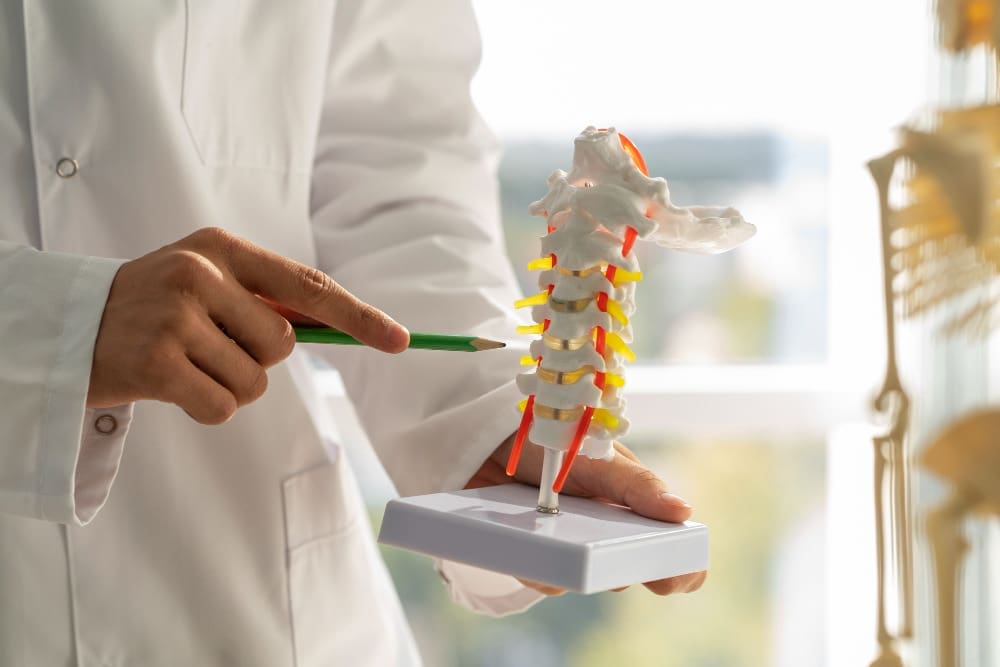
Learning about Anterior Posterior Lumbar Fusion L5 S1 is key for those facing this major surgery. This complex surgery uses both front and back ways to fuse the L5-S1 area.
What is ALIF Surgery at L5-S1?
ALIF surgery at L5-S1 treats problems like loon
The lumbosacral junction is a key area that faces a lot of stress. This makes it prone to spinal problems. Knowing the anatomy of this area is vital for understanding ALIF surgery.
The L5-S1 level often faces issues like degenerative disc disease. This causes the disc to shrink and press on nerves. The anatomy here includes L5 and S1 vertebrae connected by a disc that can get sick.
| Anatomical Structure | Function | Common Issues |
|---|---|---|
| L5-S1 Disc | Shock absorption, flexibility | Degenerative disc disease, herniation |
| L5 and S1 Vertebrae | Weight-bearing, stability | Spondylolisthesis, fractures |
Surgical Approaches: Anterior and Posterior Techniques
The Anterior Posterior Lumbar Fusion L5 S1 uses both front and back ways to operate. The anterior approach is through the lower abdomen. It lets us remove the bad disc and put in a bone graft or spacer.
“The anterior approach in ALIF surgery provides a direct route to the disc space, minimizing disruption to the back muscles and potentially leading to a faster recovery.” – Spine Surgeon
Sometimes, we need to add more stability with a posterior approach. This is through the back to put in rods and screws.
- The anterior approach is for disc removal and graft insertion.
- The posterior approach is for adding stability with rods and screws.
By mixing these methods, we get a stronger and more stable fusion. This tackles both the front and back parts of the spine.
Common Conditions Treated with ALIF L5-S1

Anterior Posterior Lumbar Fusion L5 S1 (ALIF) surgery treats many spinal problems. These issues can cause a lot of pain and limit movement if not treated.
Degenerative Disc Disease
Degenerative disc disease happens when discs between vertebrae wear out. This can lead to pain and less mobility. It can also cause discs to bulge or collapse, which irritates nerves.
Symptoms of Degenerative Disc Disease:
- Lower back pain
- Radiating pain to the legs
- Reduced flexibility
- Muscle weakness
Spondylolisthesis at L5-S1
Spondylolisthesis is when a vertebra slips out of place. This can press on nerves and cause pain. At L5-S1, this is a big problem because of the stress and movement.
Symptoms may include:
- Pain in the lower back and legs
- Numbness or tingling sensations
- Muscle spasms
| Condition | Symptoms | Treatment Benefits |
|---|---|---|
| Degenerative Disc Disease | Lower back pain, radiating pain | Relief from pain, improved mobility |
| Spondylolisthesis | Pain, numbness, muscle spasms | Stabilization of vertebrae, pain reduction |
| Spinal Instability | Pain, weakness, loss of flexibility | Stabilization, improved function |
Spinal Instability and Herniated Discs
Spinal instability and herniated discs can also be treated with ALIF surgery. Spinal instability means the spine can’t stay in place, causing pain. Herniated discs bulge or rupture, pressing on nerves.
ALIF L5-S1 surgery fixes these problems by stabilizing the spine and relieving nerve pressure. It also helps restore spinal alignment. This surgery can greatly improve life for those with these spinal issues.
Benefits of Anterior Posterior Lumbar Fusion L5 S1
ALIF surgery combines the best of both worlds. It uses the anterior and posterior approaches to treat lumbar spine issues. This method offers a detailed solution for complex spinal problems.
Advantages of the Anterior Approach
The anterior approach in ALIF surgery has many benefits. It causes less damage to the back muscles. This can lead to less post-operative pain and faster recovery times.
By going in from the front, surgeons can directly tackle problems like degenerative disc disease and spondylolisthesis at L5-S1.
When Additional Posterior Fixation Is Necessary
Sometimes, more support is needed for the spine. This is true for complex spinal conditions or when extra support is required during fusion. Posterior fixation uses rods, screws, and other hardware to stabilize the spine.
This step helps make the ALIF procedure even more successful.
Research-Backed Outcomes and Success Rates
Many studies show ALIF surgery’s effectiveness. It leads to high fusion rates and significant symptom relief. Here are some key findings:
| Study | Success Rate | Follow-Up Period |
|---|---|---|
| Smith et al. (2020) | 92% | 2 years |
| Johnson et al. (2019) | 88% | 1 year |
| Williams et al. (2018) | 95% | 3 years |
These studies highlight the high success rates of ALIF surgery. They show solid fusion and better patient outcomes.
Medical Evaluation and Testing Before Surgery
Before ALIF L5 S1 surgery, a detailed check-up is essential. It helps decide the best surgery plan. We know choosing surgery is big, so we prepare well for success.
Required Imaging Studies
Imaging tests are key for ALIF surgery prep. They include:
- MRI (Magnetic Resonance Imaging): Looks at soft spine tissues like discs and nerves.
- CT (Computed Tomography) Scan: Shows the spine’s bones in detail.
- X-rays: Checks the spine’s alignment and structure.
These tests help us see your spine’s shape and any damage. This info is vital for your spinal health.
Laboratory Tests and Physical Examination
Labs and a physical check-up are also important. They help us understand your health before surgery.
| Laboratory Test | Purpose |
|---|---|
| Complete Blood Count (CBC) | Checks for infection or inflammation signs. |
| Blood Chemistry Tests | Looks at organ function and metabolic health. |
| Coagulation Studies | Checks bleeding risk during surgery. |
A physical exam checks your health, muscle strength, and movement. This info is key for surgery planning and care after.
Specialist Consultations
Based on your health, we might suggest seeing other doctors. This could be:
- Cardiologist: For heart health checks.
- Pulmonologist: For lung function, if you have lung issues.
- Other specialists as needed for your health.
These meetings help lower risks. They make sure you’re as healthy as possible for surgery.
Managing Medications and Supplements
Before ALIF surgery, it’s key to check and adjust your meds and supplements. This ensures the best results. Managing your meds is vital for Anterior Posterior Lumbar Fusion L5 S1 surgery. Some drugs can impact your surgery and healing.
Blood Thinners and Anti-inflammatory Drugs
Blood thinners like anticoagulants can raise bleeding risks during and after surgery. We might tell you to stop or change these meds a few days before. Anti-inflammatory drugs, like NSAIDs, can also affect bleeding and healing. It’s important to follow our exact instructions on these meds to avoid risks.
Common blood thinners that may need adjustment include:
- Warfarin
- Aspirin
- Clopidogrel
- Novel Oral Anticoagulants (NOACs) like rivaroxaban and dabigatran
Supplements and Herbal Remedies to Discontinue
Some supplements and herbal remedies can harm your surgery and recovery. We suggest stopping these 7-10 days before surgery. High-risk supplements include:
- Fish oil and omega-3 fatty acids
- Vitamin E
- Ginkgo biloba
- St. John’s Wort
- Garlic supplements
Tell us about all your supplements and herbal remedies for personalized advice.
Pre-surgery Medication Protocol
We’ll give you a detailed plan for your meds before ALIF surgery. This plan will tell you which meds to keep, change, or stop. It’s vital to follow this plan closely to avoid complications. If you have questions or worries about your meds or supplements, contact us.
By managing your meds and supplements well, you can lower ALIF surgery risks and improve your recovery. We’re here to support you every step of the way.
Physical and Lifestyle Preparation
ALIF surgery needs more than just medical prep. You must also make physical and lifestyle changes for the best results. We’ll guide you through these steps to help you recover well.
Strengthening Exercises for Core and Back
Doing strengthening exercises before ALIF surgery can really help your recovery. Focus on exercises that make your core and back muscles stronger. This can lower the risk of problems and help you get back to normal faster.
Some good exercises include:
- Pelvic tilts
- Bridge exercises
- Gentle stretching
It’s key to talk to your doctor or a physical therapist. They can help you make an exercise plan that’s right for you.
Weight Management Considerations
Weight management is also very important before ALIF surgery. Being at a healthy weight can make the surgery easier and lead to better results. We suggest working with a healthcare team to get to a healthy weight through diet and exercise.
Smoking Cessation and Alcohol Reduction
Smoking cessation is very important before ALIF surgery. Smoking can slow healing, increase risks, and make recovery longer. We urge patients to stop smoking at least 4-6 weeks before surgery. Also, cutting down on alcohol can help avoid risks and make recovery smoother.
Nutritional Optimization for Healing
Nutritional optimization is key in getting your body ready for surgery and helping it heal. Eating a balanced diet full of vitamins, minerals, and proteins can boost your recovery. We suggest eating more:
- Protein-rich foods
- Fresh fruits and vegetables
- Whole grains
Also, drinking lots of water is important for your health and recovery.
Preparing Your Home for Recovery After ALIF Surgery
To make your recovery after ALIF surgery comfortable, prepare your home first. Planning for postoperative care is key. It affects your healing and well-being.
Creating a Comfortable Recovery Space
Make your home recovery-friendly by making a few changes. Choose a quiet, comfy spot for resting. It should have everything you need close by to avoid moving too much.
Essential items to include:
- Comfortable bedding and pillows
- Entertainment such as books, tablets, or TVs
- Personal care items like toiletries and medications
- Snacks and water
Essential Assistive Devices
Assistive devices make recovery easier by reducing strain. Get devices for daily tasks, like:
- Grabber or reaching tool
- Shower chair or bench
- Elevated toilet seat
- Walker or crutches, as advised by your healthcare provider
| Assistive Device | Purpose |
|---|---|
| Grabber | Helps pick up items without bending |
| Shower Chair | Provides a safe seating option while bathing |
| Elevated Toilet Seat | Eases the process of using the toilet |
Arranging for Caregiver Support
Having a caregiver is essential for a smooth recovery. Arrange for a family member or friend to help with:
- Medication management
- Meal preparation
- Personal care
- Light housekeeping
Meal Preparation and Daily Living Strategies
Plan meals and daily tasks in advance to reduce stress. Consider:
- Cooking and freezing meals before surgery
- Using a meal delivery service
- Having a supply of easy-to-prepare snacks
By preparing your home and arranging for support, you can ensure a comfortable recovery after ALIF surgery.
What to Expect: Surgery Day and Hospital Stay
Getting ready for your Anterior Posterior Lumbar Fusion L5 S1 (ALIF) surgery? Knowing what to expect on surgery day and during your hospital stay can help ease your worries. We’re here to walk you through each step, making sure you’re well-informed and supported.
Pre-operative Instructions and Hospital Arrival
On surgery day, you’ll get pre-operative instructions to help you prepare. These will cover fasting, medication, and when to arrive at the hospital. It’s a good idea to bring a friend for support during check-in.
At the hospital, you’ll go to the pre-operative area. Our team will check your medical history, confirm your identity, and get you ready for surgery. This is your chance to ask any last questions and clear up any doubts.
The ALIF L5-S1 Surgical Procedure
The ALIF surgical procedure starts with an incision in the abdomen. Our experienced surgeons will then carefully move through the abdominal cavity to the L5-S1 disc. The whole process usually takes a few hours, with our team watching your vital signs closely.
Immediate Post-operative Care
After surgery, you’ll go to the recovery room. Here, our team will manage your pain, watch for complications, and make sure you’re comfortable before moving you to your room.
In the hospital, we’ll also teach you about wound care and keep an eye on your recovery. Don’t hesitate to ask questions or ask for help when you need it.
Understanding Your ALIF Scar and Wound Care
It’s important to know how to care for your ALIF scar and wound. Our team will give you detailed instructions on keeping the wound clean, spotting infection signs, and managing scar tissue. Proper wound care is key to a smooth recovery.
| Wound Care Tips | Description | Timeline |
|---|---|---|
| Keep the wound clean | Gently wash the area with mild soap and water | After 48 hours |
| Monitor for infection | Watch for signs of redness, swelling, or discharge | Ongoing |
| Manage scar tissue | Massage the area gently as directed by your doctor | After suture removal |
By following these tips and staying informed, you can face surgery day and your hospital stay with confidence. Our team is dedicated to giving you the best care and support during your ALIF surgery.
Conclusion: Setting Expectations for Recovery and Rehabilitation
As we wrap up our guide on Anterior Posterior Lumbar Fusion L5 S1 (ALIF Surgery), it’s key to have realistic recovery expectations. It’s important to plan for care and rehab after surgery for the best results. Recovery from ALIF surgery means resting first, then working to get strong and mobile again.
Knowing what to expect during recovery helps patients prepare better. Rehab after surgery is essential for the best results. Patients need to be ready for rehab to get their strength and mobility back. Studies show that complications after lumbar surgery can happen in 10% to 40% of cases. Success rates for lumbar fusion are between 30-46%. Being aware of these numbers helps patients prepare for a better recovery and rehab.
Good rehab after ALIF surgery is key to the best outcomes. We suggest that patients work with their healthcare team to create a rehab plan. This plan should fit their personal needs and health status.
What is Anterior Lumbar Interbody Fusion (ALIF) surgery?
ALIF surgery is a method to treat spinal problems. It involves fusing the L5-S1 vertebrae from the front side.
What conditions are treated with ALIF L5-S1 surgery?
This surgery helps with degenerative disc disease and spondylolisthesis. It also treats spinal instability and herniated discs.
What are the benefits of the anterior approach in ALIF surgery?
The front approach in ALIF surgery causes less muscle damage. This can lead to quicker recovery times.
How do I prepare for ALIF surgery?
To prepare, you’ll need medical checks, manage your meds, and do exercises. You’ll also need to make lifestyle changes.
What preoperative evaluations are required before ALIF surgery?
You’ll need imaging, lab tests, and a physical exam. Specialist consultations also ensure you’re a good candidate.
How should I manage my medications before ALIF surgery?
Stop blood thinners and some supplements. Herbal remedies should also be stopped to reduce surgery risks.
What physical preparations are recommended before ALIF surgery?
Start strengthening exercises, manage your weight, and quit smoking. Good nutrition is also key for recovery.
How can I prepare my home for recovery after ALIF surgery?
Make your home recovery-friendly. Get assistive devices, arrange for help, and plan meals and daily tasks.
What can I expect on the day of ALIF surgery and during my hospital stay?
You’ll get pre-op instructions, have the surgery, and receive care. Knowing what to expect can reduce anxiety.
How do I care for my ALIF scar and wound after surgery?
Follow your surgeon’s wound care advice. Keep the wound clean and watch for infection signs.
What is the recovery process like after ALIF surgery?
Recovery starts with rest, then rehabilitation. Understanding this process helps plan your recovery.
What is the success rate of ALIF surgery?
Studies show ALIF surgery is very effective. It often leads to successful fusion and symptom relief.
When is additional posterior fixation necessary in ALIF surgery?
More support may be needed for complex spinal conditions. This adds stability.
References
Spine‑Health. Anterior and Posterior Lumbar Fusion Surgery. https://www.spine-health.com/treatment/spinal-fusion/anterior-and-posterior-lumbar-fusion-surgery Spine-health
Centeno Schultz. L5–S1 Fusion Surgery. https://centenoschultz.com/treatment/l5-s1-fusion-surgery
National Center for Biotechnology Information (NCBI). Enhanced recovery after surgery (ERAS) program for lumbar spine fusion. https://pmc.ncbi.nlm.nih.gov/articles/PMC5637186/
Hospital for Special Surgery (HSS). TLIF Surgery. https://www.hss.edu/health-library/conditionand-treatment/tlif-surgery Hospital for Special Surgery