Chronic sinusitis affects about 12.5 percent of people in the United States. It’s a big health issue. When regular treatments don’t work, functional endoscopic sinus surgery is a good option.
Every year, 31 million people in the U.S. are affected, and over 250,000 have sinus surgery. Knowing how to get ready for this surgery is very important. We’ll help you understand what to expect and how to recover.
At Liv Hospital, we help patients make smart choices about their health. Getting ready for chronic sinus infection surgery means knowing about the surgery and its benefits.
Key Takeaways
- Chronic sinusitis is a big health problem in the United States.
- Functional endoscopic sinus surgery is a common way to treat it.
- It’s important to understand the surgery and its benefits before it starts.
- Liv Hospital offers full support for patients from abroad.
- Being well-prepared is key to getting the best results from sinus surgery.
Understanding Chronic Sinus Infection Surgery
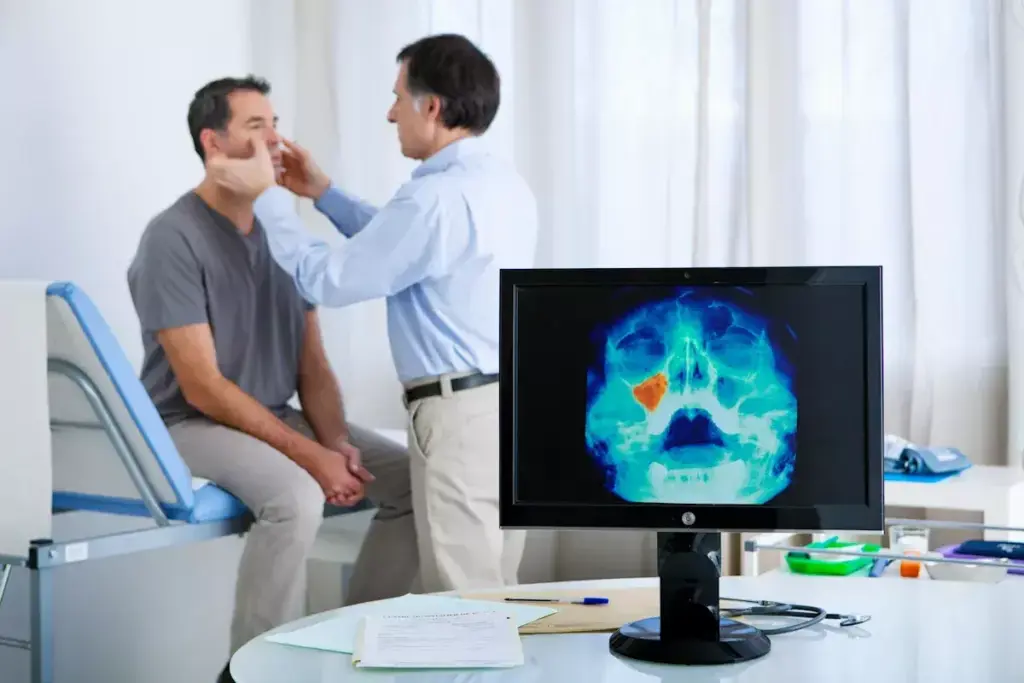
When chronic sinusitis doesn’t get better with medicine, surgery might be needed. Functional Endoscopic Sinus Surgery (FESS) is a key treatment for chronic sinusitis that doesn’t respond to other treatments.
What is Functional Endoscopic Sinus Surgery (FESS)?
FESS is a minimally invasive procedure that uses a nasal endoscope to see the sinuses. It helps remove tissue, polyps, or blockages that stop sinus drainage. This improves ventilation and lowers the chance of future infections. The surgery goes through the nostrils, avoiding external cuts.
For more detailed information on chronic sinusitis and its treatment options, you can visit MyHealth.Alberta.ca, a trusted resource for health information.
When Medical Treatment Fails: Candidates for Surgical Intervention
Candidates for FESS usually have symptoms that haven’t improved with medicine. This includes antibiotics, nasal decongestants, or corticosteroids. The choice to have surgery depends on the severity of symptoms, the extent of sinus disease, and the patient’s health.
| Candidate Criteria | Description |
| Severity of Symptoms | Patients with severe symptoms that significantly impact their quality of life. |
| Failure of Medical Treatment | Those whose symptoms persist despite adequate medical treatment. |
| Extent of Sinus Disease | Patients with extensive sinus disease as evidenced by imaging studies. |
Understanding FESS’s role in managing chronic sinusitis helps patients make informed decisions. It’s important to talk to a healthcare professional to find the best treatment for each case.
Essential Preparation Steps for Chronic Sinusitis Surgery
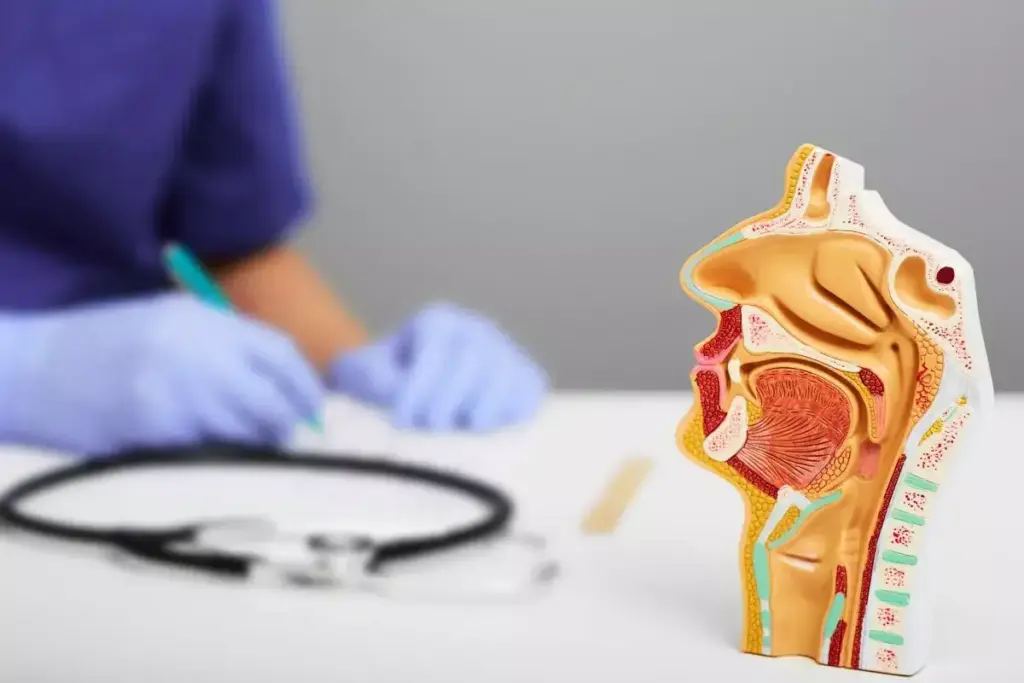
Getting ready for surgery is key to a successful operation and a quick recovery. Surgery can seem scary, but by following these steps, you can reduce risks and recover faster.
Medical Evaluations and Pre-Surgical Testing
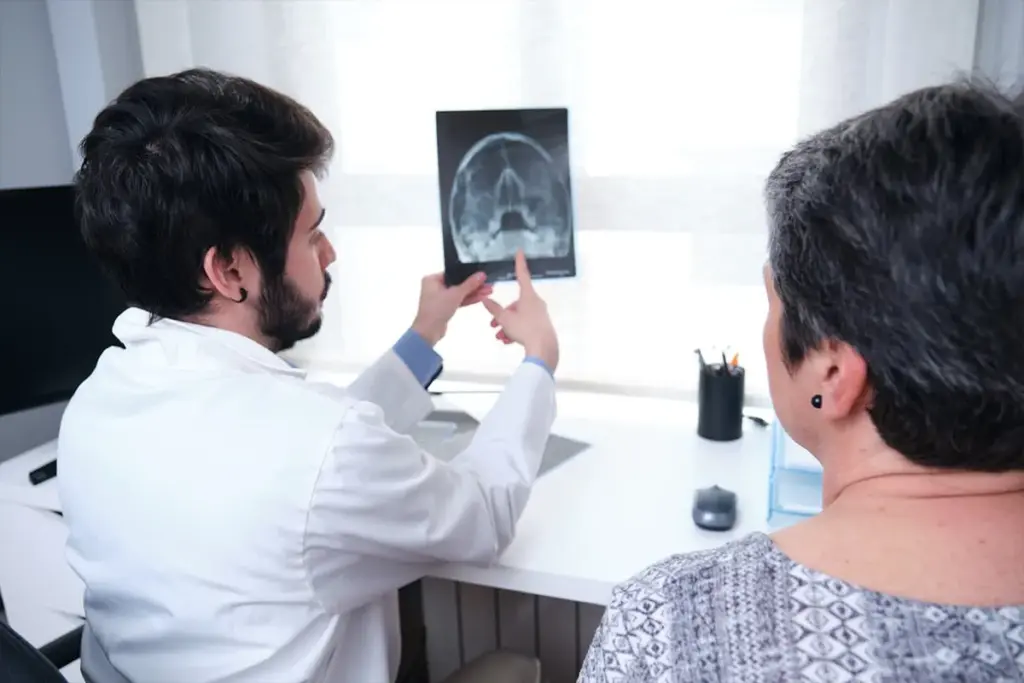
We will do medical checks and tests before your surgery. These include looking at your medical history, doing a nasal endoscopy, and taking CT scans. This helps us understand your sinusitis and plan the best surgery.
We also check your lung function and overall health. This is because these can affect how you do with surgery and anesthesia. By knowing about any health issues, we can take steps to keep you safe.
Medication Adjustments Before Your Operation for Sinus
Some medicines can affect your surgery and recovery. So, we ask you to change your medicine before the surgery. You should stop taking blood-thinning medicines to lower the risk of bleeding. Also, tell us about any medicines, supplements, or herbal remedies you’re taking.
We might also ask you to start using saline rinses. This helps clean your nasal passages and can help prevent infection and aid in healing.
Preparing Your Home for Post-Surgery Recovery
Getting your home ready for recovery is as important as preparing for surgery. Make sure you have saline nasal sprays, pain meds, and easy-to-eat foods. Setting up a comfy recovery area with pillows can also help.
Having someone to help you during the first few days can be a big help. They can do things like grocery shopping and cooking, so you can focus on getting better.
What Happens During the Draining Sinuses Procedure
Surgery for chronic sinusitis, like the draining sinuses procedure, is very effective when other treatments don’t work. This surgery uses Functional Endoscopic Sinus Surgery (FESS). It lets doctors remove diseased tissue and drain sinuses precisely.
The Step-by-Step Surgical Process
The draining sinuses procedure has several steps. First, a surgeon uses an endoscope to see the sinuses. Then, they remove diseased tissue and blockages to improve drainage.
The details can change based on the patient’s condition and the surgeon’s decision. The surgery is usually done under general anesthesia for comfort. It can last from one to three hours, depending on the case’s complexity.
Anesthesia Options and Hospital Stay Duration
General anesthesia is often used for this procedure to keep the patient comfortable. Your surgeon will talk about anesthesia options and how long you’ll stay in the hospital. These can vary based on your health and the surgery’s specifics.
Potential Risks and Complications to Discuss with Your Surgeon
Like any surgery, there are risks and complications with the draining sinuses procedure. These can include bleeding, infection, and reactions to anesthesia. It’s important to talk about these risks with your surgeon to understand how they might affect you. For more information on treating chronic sinusitis, visit NYU Langone’s resource on surgical treatment for chronic.
Recovery and Post-Operative Care
After sinus infection surgery, like functional endoscopic sinus surgery (FESS), it’s key to follow a good recovery plan. Rest for 24 to 48 hours after surgery. Use pain meds and saline rinses to ease nasal congestion.
Good post-operative care includes a few important steps. Use pain meds as your surgeon tells you to. Also, do saline nasal rinses to help healing and avoid problems. Keep your head up while resting to reduce swelling.
By sticking to these tips and going to follow-up visits, you’ll recover well from sinusitis surgery. We’re here to help you through the recovery, aiming for the best results from your surgery.
FAQ
What is Functional Endoscopic Sinus Surgery (FESS) and how does it help with chronic sinusitis?
Functional Endoscopic Sinus Surgery (FESS) is a minimally invasive procedure that removes blockages and infected tissue from the sinuses, improving drainage and reducing chronic sinusitis symptoms.
Who is a candidate for chronic sinusitis surgery?
Candidates are people whose symptoms—like nasal congestion, facial pain, or recurrent infections—do not improve with medical treatments.
What medical evaluations are necessary before undergoing sinus surgery?
Patients typically undergo a medical history review, physical examination, and imaging tests such as CT scans to assess the sinuses before surgery.
How should I prepare my home for post-surgery recovery?
Prepare saline nasal sprays, a humidifier, and comfortable space; arrange for someone to drive you home and assist with daily tasks during recovery.
What type of anesthesia is used during sinus surgery?
Sinus surgery is performed under general anesthesia or local anesthesia with sedation to ensure comfort throughout the procedure.
How long does the hospital stay last after sinus surgery?
Most patients are discharged the same day after a few hours of observation, though stays can vary depending on the individual.
What are the possible risks and complications of sinus surgery?
Risks include bleeding, infection, and injury to nearby structures, which your surgeon will explain along with ways to minimize them.
How can I manage pain after sinus surgery?
Pain can be managed with prescribed medications, along with saline nasal sprays and humidifiers to reduce discomfort and support healing.
How can I reduce nasal congestion after sinus surgery?
Use saline sprays, a humidifier, and nasal strips to keep nasal passages open and promote proper sinus drainage.
What is the recovery time like after sinus surgery?
Most patients return to normal activities within a few days to a week, but full healing and symptom improvement may take several weeks.
References
National Center for Biotechnology Information. Evidence-Based Medical Insight. Retrieved from https://pubmed.ncbi.nlm.nih.gov/29422320/