
Getting ready for cochlear implant surgery means learning about the process and what you’ll go through. If you have severe to profound hearing loss, this surgery can change your life. It uses the latest technology to help you hear again.
At places that focus on top-notch care, cochlear implant surgery is a detailed treatment. To make sure your surgery goes well, follow the pre-surgery advice. This includes medical checks and getting ready for the day of surgery and after. For more info, check out Healthwise.
Key Takeaways
- Understand the cochlear implant surgery procedure and risks.
- Follow pre-surgery instructions, including stopping certain medications.
- Have someone to take you home after surgery.
- Prepare an advance care plan and inform your doctor.
- Follow instructions on eating, drinking, and personal hygiene on the day of surgery.
Understanding Where a Cochlear Implant is Placed
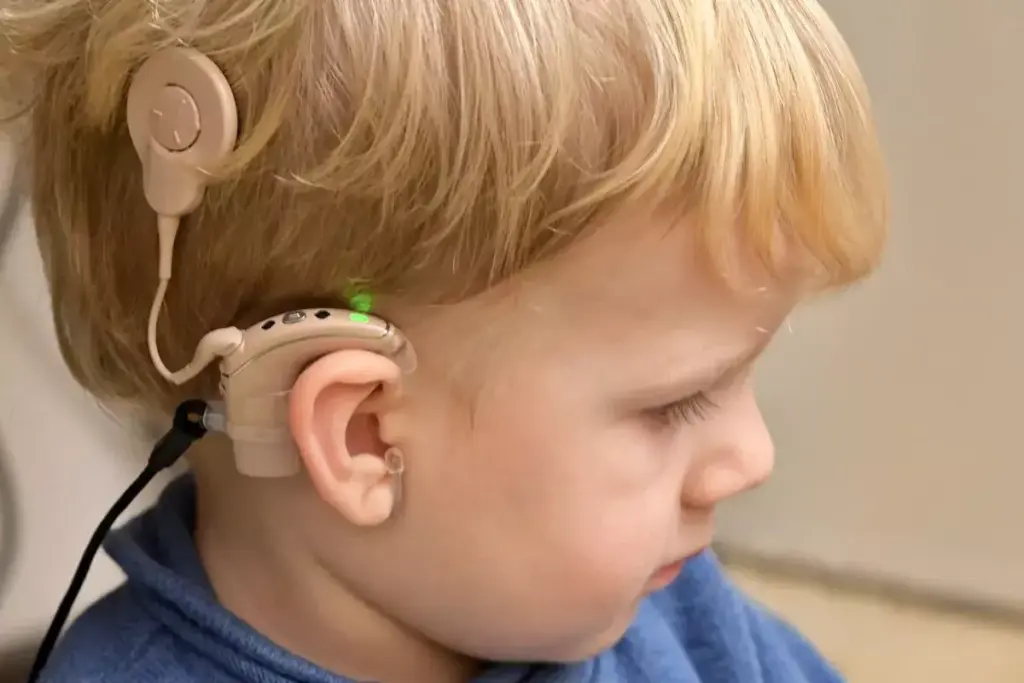
Knowing where a cochlear implant goes is key for those thinking about this surgery. It’s a complex device that helps the ear by directly stimulating the auditory nerve. This is because it bypasses damaged parts of the ear.
What is a Cochlear Implant?
A cochlear implant has two parts: an external sound processor and an internal one. The external sound processor picks up sound and turns it into digital signals. The internal component then sends these signals to the auditory nerve as electrical impulses.
The Surgical Placement Process
The surgery to put in a cochlear implant is called a mastoidectomy with facial recess approach (MFRA). This method lets the surgeon get to the mastoid bone. They then carefully put the electrode array into the cochlea.
The internal part is placed under the skin behind the ear. This makes sure it stays in place securely. The whole surgery takes a few hours. How long it takes can vary based on the person.
The cochlear implant surgery process is made to be safe and effective. Many studies show it works well for most people.
Success Rates and Safety
Most people see big improvements in their hearing and life quality after getting a cochlear implant. Over 98% of surgeries lead to better hearing. To keep things safe, patients get pre-surgical evaluations and follow care instructions after surgery.
| Aspect | Description | Benefit |
| Surgical Technique | Mastoidectomy with facial recess approach (MFRA) | Precise placement of the electrode array |
| Success Rate | Over 98% success rate | Significant improvement in hearing and quality of life |
| Safety Measures | Pre-surgical evaluations and post-surgical care | Minimized risk of complications |
By learning about where a cochlear implant goes and the surgery, patients can get ready for this big step. It’s a move towards better hearing and a better life.
Medical Preparation Before Surgery
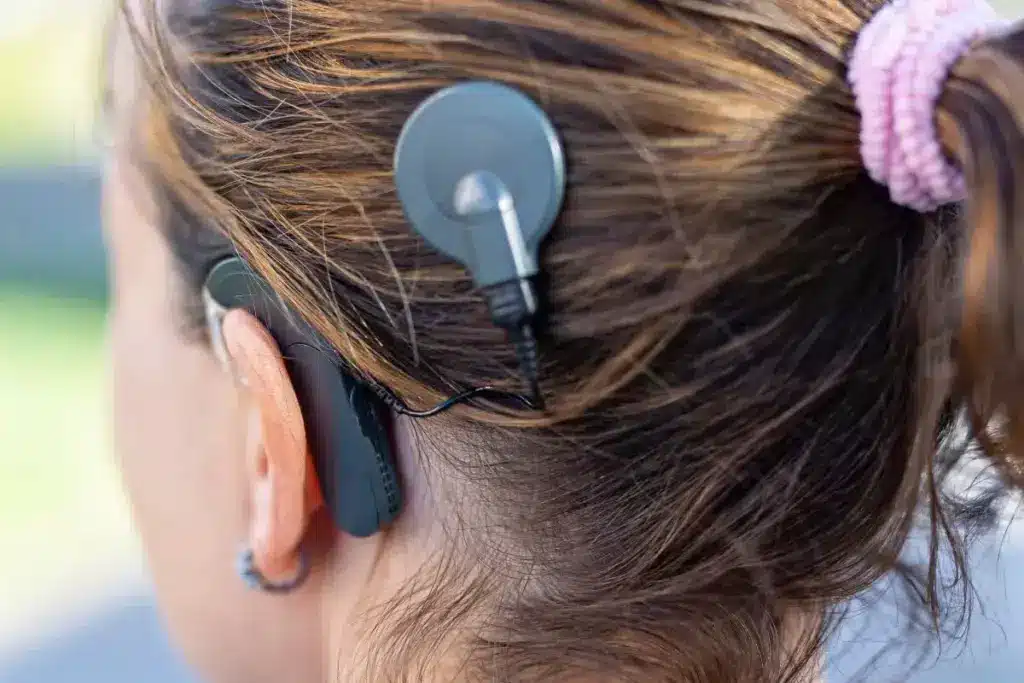
To make sure the cochlear implant surgery goes well, it’s important to prepare thoroughly. This preparation is key for a successful surgery and a smooth recovery.
Required Medical Evaluations
Before the surgery, patients go through several medical checks. These checks help figure out if they’re a good fit for the cochlear implant. The evaluations include:
- Hearing tests to see how much hearing loss there is
- Physical exams to check overall health
- Imaging tests like MRI or CT scans to look at the inner ear
These checks help the surgical team understand the patient’s situation. They plan the surgery based on this information.
Meeting with Your Surgical Team
Talking with the surgical team is a big part of getting ready. They will explain the surgery, its risks, and what to expect. This is also a chance for the patient to ask questions and share any worries.
The team will look over the patient’s medical history. They will explain the surgery and what to do after it’s done.
Pre-Surgery Medical Instructions
Patients get specific instructions to follow before the surgery. These might include:
| Instruction | Purpose |
| Avoiding certain medications | To lower the risk of problems during surgery |
| Getting necessary vaccinations | To stop infections |
| Following a specific pre-surgery diet | To make sure the patient is well-fed for the surgery |
It’s very important to follow these instructions carefully. This helps make the surgery and recovery smoother.
By doing these medical preparations, patients can feel more ready and confident for their cochlear implant surgery.
Practical Preparation for Surgery Day and Recovery
Getting ready for cochlear implant surgery is more than just medical checks. It’s about taking practical steps for a smooth surgery and recovery. As your surgery date approaches, focusing on these preparations can help reduce stress and anxiety. This lets you concentrate on your upcoming surgery.
What to Bring to the Hospital
On surgery day, it’s key to bring the right items for a comfortable and stress-free experience. Here’s what we suggest:
- Wear comfortable, loose-fitting clothes that won’t bother your ear or the surgical area.
- Bring any necessary documents, like insurance cards, ID, and medical records.
- Have a list of your current medications and how much to take.
- Don’t forget a phone charger and something to read while you wait.
Tip: Always check with your hospital for any specific items they recommend or don’t allow.
Setting Up Your Home for Recovery
Creating a cozy recovery space at home is vital for a smooth healing process. Think about these things:
- Set up a quiet, comfy spot where you can relax without interruptions.
- Stock up on groceries, water, and any needed medications for recovery.
- Plan for someone to help with household tasks and cooking for a few days.
A peaceful and well-prepared home can greatly improve your recovery experience.
Planning for Post-Surgery Assistance
Having support during recovery can make a big difference. We recommend:
| Task | Why It’s Important | How to Arrange |
| Medication Management | To ensure you take the correct dosage at the right time. | Ask a family member or friend to help, or use a pill reminder. |
| Follow-up Appointments | To monitor your healing and adjust your cochlear implant settings. | Schedule appointments in advance and have someone accompany you. |
| Daily Chores | To avoid straining yourself during recovery. | Hire temporary help or ask friends and family for assistance. |
By planning ahead and having a support system, you can focus on recovery. This way, you can enjoy the benefits of your cochlear implant with less stress.
Conclusion
Getting ready for cochlear implant surgery is a big deal. It’s all about understanding the surgery, getting ready medically, and making plans for recovery.
Cochlear implant surgery is a big step towards hearing again. Being well-prepared helps make the most of it. By following the steps we talked about, patients can have an easier recovery and better results.
Knowing what to expect from cochlear surgery makes a big difference. It’s clear that being well-prepared is key for a successful surgery.
FAQ:
Understanding Cochlear Implant Surgery
Cochlear implant surgery is a routine procedure that places an electronic device into the inner ear to provide a sense of sound to those with severe hearing loss. Unlike hearing aids that amplify sound, this surgery bypasses damaged hair cells to stimulate the auditory nerve directly.
Duration and Success Rates
The surgery typically takes between 1.5 to 3 hours per ear. Success rates for the procedure and device reliability are exceptionally high, with modern implants showing a functional success rate of approximately 99.8% over six years.
Medical Evaluations and Vaccinations
Before surgery, you will undergo audiological testing to confirm candidacy, CT or MRI scans to check ear anatomy, and a balance (vestibular) evaluation. A critical requirement is being up-to-date on pneumococcal vaccinations (like Prevnar 20) at least two weeks before the operation to minimize the rare risk of meningitis.
Pre-Surgery and Hospital Preparation
You will be instructed to stop eating and drinking (fasting) several hours before surgery and may need to pause blood-thinning medications. For the hospital, bring a button-up or zip-up shirt to avoid pulling clothes over your bandaged head, slip-on shoes, and a support person to drive you home and assist with communication.
Surgical Placement Process
Under general anesthesia, a small incision is made behind the ear. The surgeon creates a small pocket in the mastoid bone, makes a tiny opening in the cochlea, and gently threads the electrode array inside. The internal receiver is secured under the skin before the incision is closed.
Recovery and Home Care
Acute physical recovery lasts one to two weeks, though the device isn’t activated for another two to four weeks until swelling subsides. You will need someone to assist you for the first 24–48 hours. At home, sleep with your head elevated and stick to soft foods if your jaw feels tender. Avoid blowing your nose or heavy lifting for at least two weeks to prevent pressure on the implant.
References:
Nature. Evidence-Based Medical Insight. Retrieved from
https://www.nature.com/articles/s41583-019-0259-2