Getting ready for a frozen embryo transfer (FET) is key in the IVF process. It greatly affects your chances of getting pregnant. FET is different because it lets you choose the best time for the transfer. It also helps make the uterus ready for the embryo.
At Liv Hospital, we follow the latest research and care methods to guide patients on how to prepare for IVF transfer. Our team supports you through every step of FET preparation — from checking the lining of your uterus to the actual transfer — ensuring you know what to expect and feel confident throughout the process.
Frozen embryo transfer is now more common thanks to better freezing methods. This means embryos can stay good for longer. For those facing fertility issues, IVF offers hope.
Key Takeaways
- Frozen Embryo Transfer (FET) offers flexibility and optimizes uterine environment for implantation.
- Liv Hospital provides expert guidance through every stage of FET preparation.
- FET has gained popularity due to advancements in cryopreservation techniques.
- Assisted reproductive technology like IVF can help individuals and couples achieve pregnancy.
- Careful preparation is essential for a successful FET outcome.
Understanding Frozen Embryo Transfer (FET)
[Add image here]
Frozen Embryo Transfer (FET) is a key part of fertility treatments. It offers many benefits over traditional methods. Knowing about FET is important for those thinking about IVF, as it’s a good way to become parents.
What is FET and How Does It Differ from Fresh Transfers?
FET means thawing and putting frozen embryos into the uterus. It’s different from fresh transfers because it doesn’t get affected by hormonal changes. This can lead to better success rates, mainly for certain groups.
Studies show FET can be as good as, or even better than, fresh transfers. This is thanks to better freezing and thawing techniques. These advancements help embryos survive better after thawing.
Benefits and Success Rates of Frozen Embryo Transfers
FET has many benefits. One big one is it lowers the risk of ovarian hyperstimulation syndrome (OHSS). OHSS is a serious condition linked to fresh IVF cycles.
FET also lets you test embryos for genetic issues before transferring them. This means you can pick the healthiest ones. It boosts your chances of a successful pregnancy and lowers the risk of genetic problems.
FET Benefits | Description | Impact on Success Rates |
Controlled Uterine Environment | FET allows for a more natural uterine preparation | Increased implantation rates |
Genetic Testing | Enables selection of healthy embryos | Higher success rates and reduced genetic abnormalities |
Reduced OHSS Risk | Eliminates the risk associated with ovarian stimulation | Safer treatment option |
Advantages for Women Over 35
FET is great for women over 35 because it has better success rates than fresh transfers. You can choose the best embryo and prepare the uterus perfectly. This leads to better outcomes.
Key advantages for women over 35 include:
- Increased chances of successful implantation
- Reduced risk of miscarriage due to chromosomal abnormalities
- Better synchronization between embryo development and uterine readiness
Understanding FET helps people make better choices about fertility treatments. It can increase your chances of a successful pregnancy.
The Science Behind Frozen Embryo Transfer

Learning about Frozen Embryo Transfer (FET) can ease worries and prepare you better. It’s based on important scientific steps that have changed reproductive medicine a lot.
Advanced Cryopreservation Techniques
Cryopreservation freezes embryos at very cold temperatures to keep them good for later use. New cryopreservation methods, like vitrification, have greatly improved embryo survival. Vitrification quickly cools embryos to stop ice crystals from harming them.
Vitrification has changed the game by letting embryos stay frozen for a long time without losing quality. It’s now the top choice in many fertility clinics.
Long-term Embryo Viability
FET’s success depends on embryos staying good for a long time. Research shows that embryos frozen with new methods stay good for years. It’s not just how long they’re stored, but how well they’re kept.
Storage Duration | Success Rate |
1-2 years | 45% |
2-5 years | 42% |
More than 5 years | 40% |
Preimplantation Genetic Testing (PGT) Benefits

Preimplantation Genetic Testing (PGT) checks embryos for genetic issues before transfer. PGT boosts FET success by picking only healthy embryos for transfer.
Combining PGT with FET is a big step in reproductive technology. It lets people choose embryos most likely to lead to a successful pregnancy.
By knowing and using these scientific advances, those going through FET can feel more confident and hopeful about the process.
Types of FET Protocols
FET protocols are made for each person’s needs and health history. The right protocol depends on your age, health, and what you want to achieve. Knowing the different FET protocols helps you choose the best one for your FET.
Natural Cycle FET
A Natural Cycle FET means transferring an embryo during a natural cycle. It doesn’t use medicines to make ovulation happen. This is good for women who have regular cycles.
Advantages: It uses less medicine, lowers the risk of OHSS, and feels more natural.
Medicated FET Cycle
In a Medicated FET Cycle, medicines get the uterus ready for the embryo. This is for women with irregular cycles or those who don’t ovulate.
Benefits: It helps control when the transfer happens and makes the uterus more ready.
Letrozole-Induced FET Cycle
A Letrozole-Induced FET Cycle uses letrozole to make ovulation happen. It’s for women with PCOS or at risk of OHSS.
Key Benefits: It lowers OHSS risk and controls how the ovaries respond.
Choosing the Right Protocol for You
Choosing the right FET protocol depends on many things. These include your health, fertility goals, and what you prefer. Your doctor will help pick the best one for you.
FET Protocol | Description | Best For |
Natural Cycle FET | No medications used to stimulate ovulation | Women with regular ovulatory cycles |
Medicated FET Cycle | Medications used to prepare the uterus | Women with irregular cycles or without ovulation |
Letrozole-Induced FET Cycle | Letrozole used to stimulate ovulation | Women with PCOS or at risk of OHSS |
Knowing about the different FET protocols helps you make a smart choice. Talk to your doctor to find the best way for your FET journey.
Medical Evaluation Before FET
FET needs careful preparation, starting with a detailed medical check-up. This is key to ensure the best results for the procedure.
Required Tests and Screenings
Before FET, we do a series of tests to check your health and fertility. These include:
- Blood tests to check hormone levels and overall health
- Ultrasound to assess the condition of your uterus and ovaries
- Screening for infectious diseases
- Genetic testing if necessary
These tests help us find any issues that could affect your FET cycle’s success.
Addressing Underlying Health Issues
If health issues are found, we work with you to fix them before FET. This might involve:
- Treatment for hormonal imbalances
- Management of chronic conditions such as diabetes or hypertension
- Lifestyle adjustments to improve overall health
By fixing these issues, we can increase your chances of a successful FET.
Timing Your FET Cycle
Timing is key in FET. We plan your FET cycle carefully to match your natural or medicated cycle.
FET Cycle Type | Description | Advantages |
Natural Cycle | No medication used; relies on natural hormonal cycle | Less risk of side effects; more natural approach |
Medicated Cycle | Medications used to control and enhance hormonal cycle | Better control over cycle timing; potentially higher success rates |
We will talk about the best timing for your situation. This ensures your FET cycle is set up for success.
By evaluating your health and timing your FET cycle right, we can greatly improve your chances of a successful pregnancy.
How to Prepare for IVF Transfer: Physical Readiness
Getting your body ready for a Frozen Embryo Transfer (FET) is key to a successful IVF journey. This includes nutrition, exercise, sleep, and managing stress. All these help make your body the best it can be for the embryo transfer.
Optimal Nutrition for FET Success
Eating a balanced diet is essential for FET preparation. Foods like fruits and vegetables boost egg quality and reproductive health. Also, protein, healthy fats, and complex carbs help balance hormones and keep you healthy.
Drinking lots of water is important. Try to limit caffeine and alcohol as they can harm fertility.
Nutrient | Food Sources | Benefits for FET |
Antioxidants | Fruits, Vegetables, Nuts | Improves egg quality and reproductive health |
Protein | Lean meats, Fish, Eggs, Legumes | Supports hormonal balance and overall health |
Healthy Fats | Avocados, Olive Oil, Nuts, Seeds | Enhances hormonal production and overall well-being |
Exercise Recommendations
Doing gentle exercise regularly can boost circulation, reduce stress, and improve health. Yoga, walking, and swimming are great because they relax you without straining your body.
Avoid intense exercises that can stress you out or cause injuries. They can harm your FET prep.
Sleep and Stress Management
Getting enough sleep is vital for hormone balance and health. Aim for 7-8 hours each night and stick to a sleep routine for better rest.
Stress management is also key. Try meditation, deep breathing, or mindfulness to lower anxiety and stay positive. Enjoying activities that relax you is also helpful.
Supplements and Vitamins
Some supplements and vitamins might be suggested for FET prep. These could include prenatal vitamins, omega-3s, and antioxidants. But, always talk to your doctor before starting any new supplements to make sure they’re safe for you.
By focusing on these physical readiness areas, you can make your body ready for a successful FET. This increases your chances of a healthy pregnancy.
Medication Protocols for FET
FET medication protocols help match the uterine environment with the embryo’s growth stage. This increases the chance of successful implantation.
These protocols are made for each person’s needs. They aim to give the best results possible.
Estrogen Supplementation
Estrogen is key in FET protocols. It helps the endometrium grow and get thicker. Effective estrogen supplementation makes the uterus ready for the embryo.
“Estrogen is vital for the endometrium’s growth and upkeep,” says Medical Expert, a fertility expert.
Progesterone Support
Progesterone is also vital in FET protocols. It prepares the uterus for implantation by changing the endometrium.
We suggest patients stick to their progesterone regimen. It’s important for a good uterine environment for implantation.
Other Medications You May Need
Other meds might be needed for the FET cycle. These could include ovulation prevention or luteal phase support.
- Medications to suppress natural ovulation
- Luteal phase support medications
- Other supplementary medications as needed
Managing Medication Side Effects
While most FET meds are safe, some might cause side effects. Common ones are bloating, mood swings, and breast tenderness.
Managing side effects well is key for patient comfort and sticking to the treatment. We tell patients to tell their healthcare provider about any side effects right away.
Following the FET medication protocols can greatly improve success rates.
Endometrial Preparation for Successful Transfer
Endometrial preparation is key for Frozen Embryo Transfers (FET) success. A well-prepared endometrium is essential for FET success.
Achieving Optimal Endometrial Thickness
Achieving an optimal endometrial thickness of at least 8mm is critical for FET success. A thicker endometrium provides a better environment for embryo implantation. We recommend monitoring endometrial thickness closely during the FET cycle.
The ideal endometrial thickness can vary among individuals. But generally, a thickness of 8mm or more is considered optimal for FET.
Monitoring Endometrial Development
Monitoring endometrial development is a key aspect of FET preparation. We use regular ultrasounds to track the growth and development of the endometrium. This allows us to adjust the treatment protocol as needed to achieve optimal endometrial thickness.
By closely monitoring endometrial development, we can identify any issues early. We make necessary adjustments to ensure the best possible outcome.
Synchronizing with the Luteal Phase
Synchronizing the FET with the luteal phase is essential for maximizing success. The luteal phase is the period after ovulation when the body prepares for a possible pregnancy. We synchronize the FET with this phase to ensure the embryo is transferred at the optimal time.
Proper synchronization enhances the chances of successful implantation and pregnancy. Our experienced team carefully plans and coordinates the FET cycle to achieve this synchronization.
By focusing on endometrial preparation, including achieving optimal thickness, monitoring development, and synchronizing with the luteal phase, we can significantly improve FET success rates.
The FET Procedure Step by Step
Getting ready for your Frozen Embryo Transfer can be reassuring. The FET process has several stages, from thawing embryos to the transfer. Knowing these steps can ease your anxiety and make the experience smoother.
Embryo Thawing Process
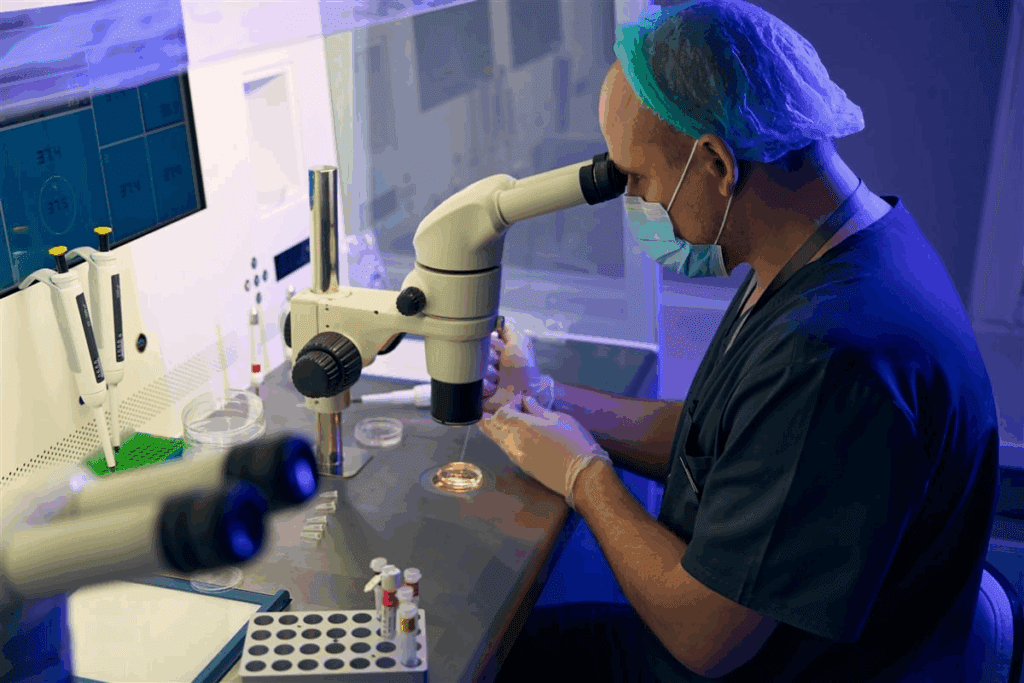
The first step is the embryo thawing process. This is a delicate step where frozen embryos are thawed and prepared for transfer. Our team uses advanced techniques to thaw the embryos safely and keep them viable.
The thawing happens on the transfer day or the day before. After thawing, the embryos are checked for quality and viability. This is key to picking the best embryo for transfer.
The Transfer Procedure
The transfer procedure is quick and painless. It involves placing the chosen embryo into the uterus with a catheter. This is done under ultrasound guidance for precise placement.
You’ll lie on an exam table for the transfer. Our fertility specialist will insert the catheter through the cervix into the uterus. The embryo is then released, and the catheter is removed to confirm the embryo’s placement.
What to Expect During Your Appointment
On transfer day, you’ll be at the clinic for a few hours. The actual transfer takes just a few minutes. But, there’s prep and monitoring before and after.
Before the transfer, you’ll have an ultrasound to check the endometrial lining. After, you’ll rest for a bit before going home.
Day-of-Transfer Guidelines
Follow these guidelines for a smooth FET procedure. Arrive with a full bladder for better ultrasound views during the procedure.
Wear comfy clothes and plan for rest after the procedure. While the transfer isn’t painful, some might feel mild cramping.
- Arrive at least 30 minutes before your scheduled appointment time.
- Bring any required documents or previous medical records.
- Have a support person with you if possible.
Do’s and Don’ts Before Embryo Transfer
To increase your chances of a successful FET, follow certain guidelines before the procedure. The days before your embryo transfer are key. Being mindful of your actions can greatly affect the outcome.
What to Do the Night Before Transfer
The night before your embryo transfer is important for preparation. Make sure you get plenty of rest and manage any stress or anxiety. It’s also wise to review the procedure with your healthcare provider to know what to expect.
Foods to Eat and Avoid
Your diet is key in preparing your body for FET. Eat nutrient-rich foods like fruits, vegetables, whole grains, and lean proteins. Also, stay hydrated by drinking lots of water.
Avoid foods that could cause discomfort or problems. Limit caffeine and avoid alcohol before your transfer. Also, be careful with foods you’re not used to, as they might cause unexpected reactions.
Foods to Eat | Foods to Avoid |
Fruits and Vegetables | Caffeine |
Whole Grains | Alcohol |
Lean Proteins | Unfamiliar or Spicy Foods |
Bladder Preparation for Transfer
Proper bladder preparation is vital for a successful embryo transfer. Follow your clinic’s instructions for bladder preparation. Usually, you need to arrive with a comfortably full bladder for a clearer ultrasound image during the transfer.
By following these do’s and don’ts before your embryo transfer, you can increase your chances of success. Always stay in touch with your healthcare provider and follow their advice.
Post-Transfer Care and Activities
Post-transfer care is key to the success of your Frozen Embryo Transfer. We’re here to help you through it. After the transfer, it’s important to follow certain care guidelines. This supports the embryo and boosts your chances of a successful pregnancy.
Rest and Recovery Guidelines
Rest is vital after the transfer. We suggest taking it easy for the rest of the day. Stay away from hard work, heavy lifting, or bending. While you don’t need to stay in bed all day, less activity helps reduce stress and supports the embryo.
Activities to Avoid After Transfer
In the days after the transfer, it’s best to avoid certain activities. These include:
- Strenuous exercise or high-impact activities
- Heavy lifting or bending
- Tight clothing that could cause discomfort
- Saunas or hot tubs, as they can raise your body temperature
Staying away from these activities helps create a good environment for implantation.
When to Resume Normal Activities
Most women can get back to normal activities a few days after the transfer. But, it’s important to listen to your body and not rush back too soon. We usually tell patients to take it easy for about 48 hours after the transfer. After that, you can start getting back to your usual activities slowly, making sure you’re not doing too much.
Continuing Medication Support
Following your medication plan is a big part of post-transfer care. We’ll give you clear instructions on how to keep taking your medications, like estrogen and progesterone supplements. These help with implantation and early pregnancy. It’s very important to stick to the plan and reach out to us if you have any questions or concerns.
By following these guidelines, you can greatly improve your chances of a successful pregnancy. Remember, our team is here to support you every step of the way. We’ll provide the care and guidance you need during this important time.
The Two-Week Wait: Managing Expectations
Managing your expectations during the two-week wait after FET is key for your emotional health. This time can be tough, but with the right approach and support, you can get through it.
Emotional Support Strategies
The two-week wait can be tough on your emotions. Here are some ways to cope:
- Mindfulness and Meditation: These practices can help lower stress and anxiety.
- Support Groups: Being part of a support group, online or in-person, can offer a sense of belonging and understanding.
- Stay Engaged: Keeping busy with work, hobbies, or other activities can take your mind off the wait.
It’s important to acknowledge your feelings and let yourself feel supported during this time.
Physical Symptoms You May Experience
During the two-week wait, you might feel some physical symptoms. These can be caused by the hormones and the embryo transfer. Common symptoms include:
- Bloating and cramping
- Mood swings
- Fatigue
- Breast tenderness
These symptoms can be uncomfortable but usually go away on their own. If they’re severe, it’s important to talk to your healthcare provider.
When to Take a Pregnancy Test
Timing is everything when it comes to taking a pregnancy test after FET. It’s best to wait until after the two-week wait for accurate results. Taking a test too soon can lead to false negatives or extra stress.
Follow your clinic’s guidelines for when to take a pregnancy test. Usually, this is around 10-14 days after the embryo transfer.
Conclusion: Preparing for Your FET Journey
Getting ready for a Frozen Embryo Transfer (FET) means understanding the process and preparing well. It’s about knowing what to expect and getting ready physically and emotionally. Following the right steps can help you make the most of your treatment.
To increase your chances of success, stick to the medical plan and live a healthy lifestyle. Our guide covers everything from medical checks to post-transfer care. By following these tips, you’ll feel more confident and ready for your FET.
Starting your FET journey requires careful planning and emotional strength. Stay informed, listen to your doctor, and take care of yourself. This way, you’ll be well-prepared and can look forward to a positive experience.
FAQ
What is Frozen Embryo Transfer (FET) and how does it work?
Frozen Embryo Transfer (FET) is a step in IVF treatment. It involves thawing and placing frozen embryos in the uterus. This method is safer and can lead to higher success rates for some people.
What are the benefits of FET compared to fresh embryo transfers?
FET has many advantages. It’s better for women over 35 and lowers the risk of OHSS. It also lets you choose when to transfer the embryos. Thanks to modern freezing techniques, FET is a reliable choice.
How do I prepare my body for FET?
To get ready for FET, eat well, stay active, and manage stress. Make sure you get enough sleep. Also, get a medical check-up to find any health issues.
What is the role of medication in FET protocols?
Medications for FET are customized for each person. They include estrogen and progesterone to get the uterus ready. These drugs help the embryo implant and support early pregnancy.
How is endometrial thickness achieved for FET?
For FET success, the uterus needs to be at least 8mm thick. Doctors use ultrasounds to check the endometrium. They adjust medications to match the luteal phase.
What are the do’s and don’ts before embryo transfer?
Before the transfer, follow certain rules. Eat right, avoid bad foods and activities, and empty your bladder. Knowing these tips can increase your chances of success.
What happens during the FET procedure?
The FET process includes thawing embryos, preparing the uterus, and the transfer. Knowing what to expect can make you feel more at ease on transfer day.
How should I care for myself after the embryo transfer?
After the transfer, rest is key. Avoid strenuous activities and follow your medication schedule. Taking good care of yourself is vital during this time.
What can I expect during the two-week wait after FET?
The two-week wait can be tough emotionally. Use emotional support, watch for physical signs, and know when to take a pregnancy test. These steps help you cope with the wait.
On which day of the cycle is Frozen Embryo Transfer typically done?
The timing of FET varies based on your cycle and the chosen protocol. It can happen in a natural, medicated, or letrozole-induced cycle. The transfer happens when the endometrium is ready.
How does a Frozen Embryo Transfer work in a natural cycle?
In a natural cycle FET, timing is key. You monitor your ovulation to find the best transfer time. This method often doesn’t need extra medications to stimulate the ovaries.
References
World Health Organization. Evidence-Based Medical Guidance. Retrieved from https://www.who.int/news-room/fact-sheets/detail/polycystic-ovary-syndrome