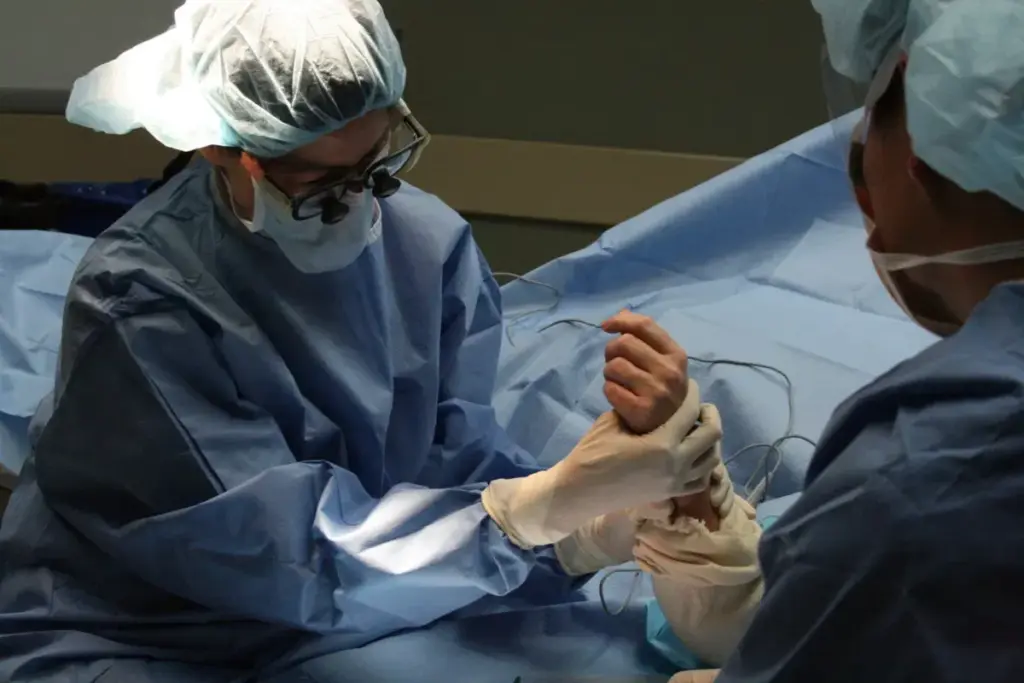
If you’re feeling numbness, tingling, or weakness in your hand and fingers, you might need ulnar nerve surgery. This is a minimally invasive procedure. It helps millions with cubital tunnel syndrome find relief.
To get ready for cubital tunnel surgery, you need to plan carefully. You’ll work closely with your healthcare provider. This includes medical checks, tests, setting up your home for recovery, and learning about the surgery and recovery stages.
At Liv Hospital, our team of experts is here to help. We’ll walk you through everything you need to do to prepare for ulnar surgery. We aim for a smooth and successful recovery for you.
Key Takeaways
- Understand the condition and diagnosis of cubital tunnel syndrome
- Prepare for surgery with medical assessments and tests
- Set up for recovery at home
- Understand the procedure and recovery stages
- Collaborate with your healthcare provider for a smooth recovery
Understanding Ulnar Nerve Compression and Surgical Indications

The ulnar nerve is key for hand function. Its compression can cause symptoms that might need surgery. Cubital tunnel syndrome, a type of ulnar nerve compression, is common. It affects men more than women.
What is Cubital Tunnel Syndrome?
Cubital tunnel syndrome happens when the ulnar nerve gets compressed at the elbow. This can cause numbness, weakness, or pain in the hand, mainly in the ring and little fingers. It can be caused by many things, like bending the elbow too much, direct injury, or repetitive strain.
Common Symptoms and Diagnosis
Symptoms of cubital tunnel syndrome include numbness or tingling in the ring and little fingers, hand weakness, and elbow pain. Doctors use a mix of history, physical exams, and tests like electromyography (EMG) and nerve conduction studies (NCS) to diagnose it. The National Institutes of Health says these tests help figure out how bad the nerve compression is and what treatment to use.
When Surgery Becomes Necessary
If other treatments don’t work, or if there’s a lot of nerve damage or muscle weakness, surgery might be needed. Surgery aims to take pressure off the ulnar nerve by opening up the cubital tunnel or moving the nerve. A doctor will decide if surgery is right based on how bad the symptoms are and how they affect daily life.
Knowing about cubital tunnel syndrome’s causes, symptoms, and how to diagnose it is key to finding the right treatment. Recognizing when surgery is needed is a big step towards feeling better and improving life quality.
Essential Pre-Surgical Preparation Steps
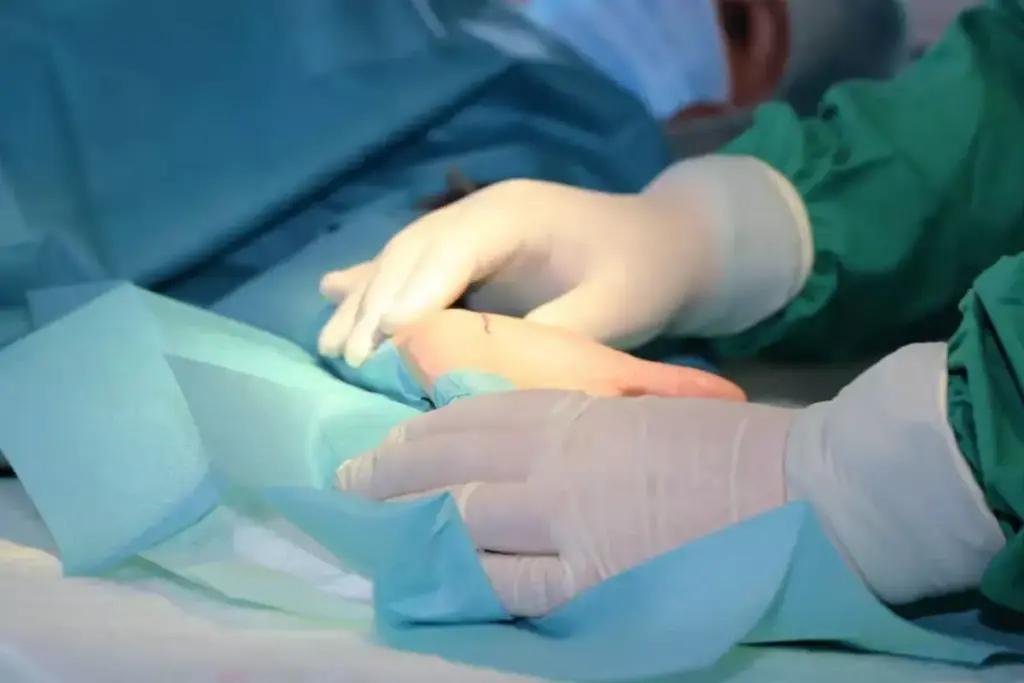
Getting ready for ulnar nerve surgery is key to a good recovery. Studies show that about 96 percent of patients see their symptoms improve after surgery. To make sure your surgery goes well, follow these important steps.
Medical Evaluation and Testing Requirements
We must check your health and the nerve issue before surgery. This includes:
- Complete medical history and physical examination
- Nerve conduction studies and electromyography (EMG)
- Imaging tests such as X-rays or MRI
- Blood tests to check for underlying conditions
These tests help us understand your condition and plan the surgery. A leading medical expert says,
Medical Expert, Orthopedic Surgeon
Medication Management Guidelines
Managing your medications before surgery is important. We suggest:
- Telling us about all medications you’re taking, including supplements and herbal remedies
- Stopping certain medications that may affect surgery or recovery, like blood thinners
- Changing dosages or switching to safer options when needed
| Medication Type | Pre-Surgery Instructions |
| Blood Thinners | Stop 5-7 days before surgery |
| Anti-inflammatory | Consult your doctor for guidance |
| Diabetes Medications | Adjust dosage as instructed by your doctor |
Preparing Your Home for Recovery
Having a comfortable recovery space at home is essential. Think about:
- Setting up a cozy recovery area with everything you need nearby
- Having someone help you during the first recovery days
- Getting essential supplies, like ice packs and comfy clothes
What to Bring to the Hospital
On surgery day, bring:
- Identification and insurance information
- A list of your current medications
- Comfortable clothes to wear after surgery
- Any necessary medical records or test results
By following these steps, you’ll be ready for your ulnar nerve surgery. This will help you recover well.
What to Expect During Elbow Nerve Surgery
Understanding elbow nerve surgery can help reduce anxiety and improve results. This surgery, also known as cubital tunnel release surgery, aims to ease pressure on the ulnar nerve. It uses different surgical methods to do so.
In Situ Decompression: The Most Common Technique
In situ decompression is the most common method, used in about 80 percent of cases. It involves cutting the tissue that presses on the ulnar nerve. This is done without moving the nerve itself.
Key benefits of in situ decompression include:
- Less invasive compared to other techniques
- Reduced risk of nerve damage
- Faster recovery time
Anesthesia Options and Considerations
The choice of anesthesia depends on the patient’s health and the surgeon’s choice. Common options are:
- Local anesthesia with sedation
- Regional anesthesia
- General anesthesia
We will discuss the best anesthesia option with you before surgery. This ensures your comfort and safety during the procedure.
Duration and Hospital Stay Expectations
The surgery usually lasts from 30 minutes to an hour, depending on the case. Most procedures are done on an outpatient basis, allowing you to go home the same day.
But, some may need a short hospital stay. This is more likely if you have health issues or the surgery is complex.
Potential Risks and Complications
Elbow nerve surgery, like any surgery, has risks and complications. These include:
- Nerve damage or numbness
- Infection
- Blood clots
- Reaction to anesthesia
We take all precautions to reduce these risks and ensure a smooth recovery. Following our post-operative instructions carefully is key to avoiding complications.
Conclusion: Recovery Timeline and Long-Term Outcomes
Knowing the recovery timeline and long-term results is key for patients after ulnar nerve surgery. About 96 percent of patients see big improvements in symptoms. Most get back to full function in 3–6 months.
The road to recovery from cubital tunnel surgery is slow but steady. Most patients get back to full function in a few months. But, how fast you recover can depend on how bad the nerve compression was, your overall health, and following your doctor’s advice.
Long-term, the results of ulnar nerve surgery are mostly good. Patients with cubital tunnel decompression often feel a lot better. It’s important to keep up with follow-up care. This helps make sure you’re recovering well and catches any problems early.
Knowing what to expect during recovery helps patients plan better. We aim to give top-notch healthcare and support to international patients. Our goal is to help you get the best results from your ulnar nerve surgery.
FAQ
What is cubital tunnel syndrome, and how is it related to ulnar nerve surgery?
Cubital tunnel syndrome happens when the ulnar nerve gets compressed or irritated. This leads to numbness, tingling, and weakness in the hand and arm. Ulnar nerve surgery, or cubital tunnel release surgery, is often needed to fix this and prevent further damage.
What are the common symptoms of ulnar nerve compression?
Symptoms include numbness or tingling in the ring and little fingers. You might also feel weakness or clumsiness in your hand. Pain or discomfort in the elbow or arm is common too.
How is cubital tunnel syndrome diagnosed?
Doctors use a physical exam, medical history, and tests like electromyography (EMG) and nerve conduction studies (NCS) to diagnose it.
What are the different surgical techniques used in ulnar nerve surgery?
The main technique is in situ decompression, which releases the compressed nerve. Other methods include transposition or subcutaneous transposition.
What kind of anesthesia is used for ulnar nerve surgery?
Anesthesia choices include local, regional, or general anesthesia. It depends on the case and what the patient prefers.
How long does ulnar nerve surgery typically take, and what are the hospital stay expectations?
The surgery usually takes 30 minutes to an hour. Most patients can go home the same day or after a short stay.
What are the possible risks and complications of ulnar nerve surgery?
Risks include infection, nerve damage, scarring, and persistent symptoms. But, these are rare. Most patients see big improvements after surgery.
How can I prepare my home for recovery after ulnar nerve surgery?
Get your home ready by setting up post-operative care and having supplies on hand. Make your space comfortable and safe for rest and rehab.
What should I bring to the hospital for ulnar nerve surgery?
Bring medical records, insurance info, and personal items like comfy clothes and any prescribed meds.
What is the typical recovery timeline for ulnar nerve surgery?
Recovery time varies, but most see big improvements in weeks to months after surgery.
What is cubital tunnel decompression?
It’s a surgery that releases the compressed ulnar nerve. It relieves symptoms and prevents damage.
What is ulnar nerve entrapment surgery?
It’s another name for ulnar nerve surgery. It involves releasing the compressed nerve to ease symptoms.
What are the benefits of ulnar nerve surgery?
Benefits include symptom relief, preventing long-term damage, and improving your quality of life.
References
National Center for Biotechnology Information. Evidence-Based Medical Insight. Retrieved from https://pubmed.ncbi.nlm.nih.gov/22091641/