Deep Vein Thrombosis (DVT) is a serious condition that affects millions worldwide. Nearly 900,000 Americans are diagnosed each year. Knowing what not to do is key to preventing and managing DVT.
Some actions or omissions can raise the risk of DVT. For example, knowing blood clotting foods to avoid and the importance of dvt meds can save lives. It’s vital to take steps to lower these risks.
By following essential guidelines for DVT prevention, you can significantly lower your risk. We’ll look at important strategies for avoiding blood clots and managing DVT well.
Key Takeaways
- Understand the risks associated with DVT and its possible complications.
- Be aware of the foods that can increase the risk of blood clotting.
- Know the role of medication in preventing and managing DVT.
- Take proactive lifestyle changes to minimize the risk of DVT.
- Recognize the importance of early diagnosis and treatment.
Understanding Deep Vein Thrombosis (DVT) and Its Risks

It’s important to know the risks of Deep Vein Thrombosis (DVT) to avoid serious problems. DVT happens when a blood clot forms in a deep vein, usually in the legs. If not treated, it can cause serious health issues.
What is DVT and Why is it Dangerous?
DVT is dangerous because it can cause pulmonary embolism. This is when the blood clot moves to the lungs and blocks blood flow. It’s a life-threatening condition that needs quick medical help. DVT is often not noticeable, so knowing the risks and taking steps to prevent it is key.
DVT is not just a leg problem. If not treated quickly, the clot can move through the blood and cause serious issues.
Common Risk Factors for Developing Blood Clots
Several things can make you more likely to get DVT. These include:
- Prolonged immobility, like on long flights or in bed, can cause blood to clot.
- Genetic predisposition, meaning if your family has a history of blood clots, you’re at higher risk.
- Surgery or trauma, which can damage veins and lead to clotting.
- Cancer and its treatment, which can make blood more likely to clot.
- Hormonal changes, such as during pregnancy or with hormone therapy, can also increase risk.
Knowing these risk factors is the first step to preventing DVT. By understanding the causes and taking steps to prevent it, you can lower your risk of blood clots.
To avoid DVT, stay active, drink plenty of water, and eat a diet to prevent blood clots. Also, knowing how to prevent DVT through lifestyle changes and, if needed, dvt drugs, can save lives.
The Dangers of Ignoring DVT Symptoms
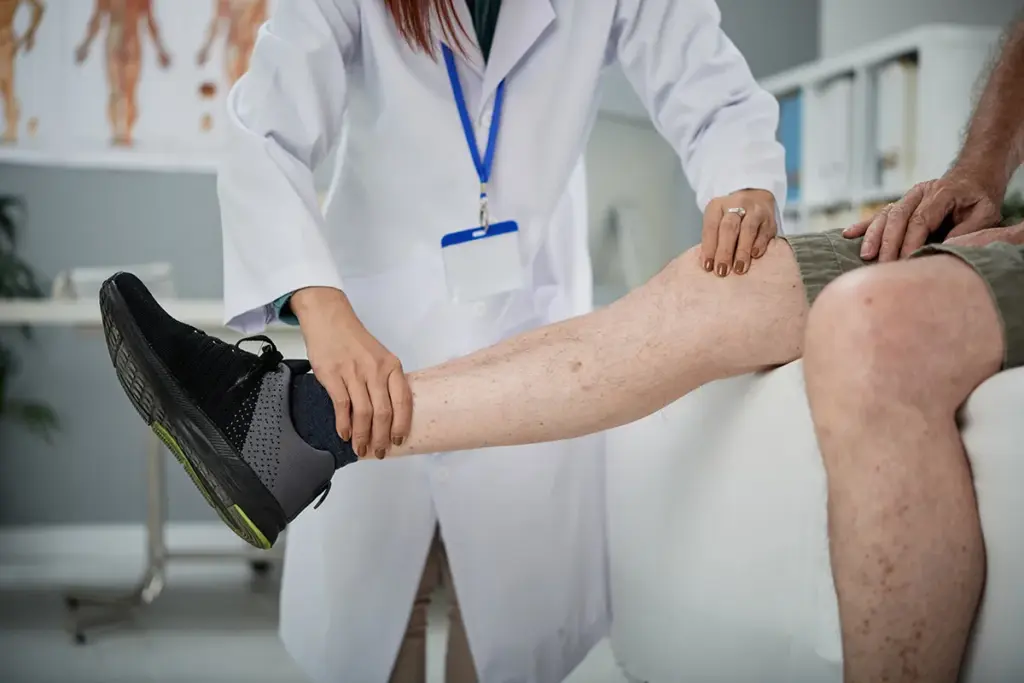
It’s important to know the dangers of ignoring DVT symptoms. Deep Vein Thrombosis (DVT) is when a blood clot forms in a deep vein, usually in the legs. Ignoring these symptoms can lead to serious health problems. It’s key to understand the early signs and risks.
Recognizing Early Warning Signs
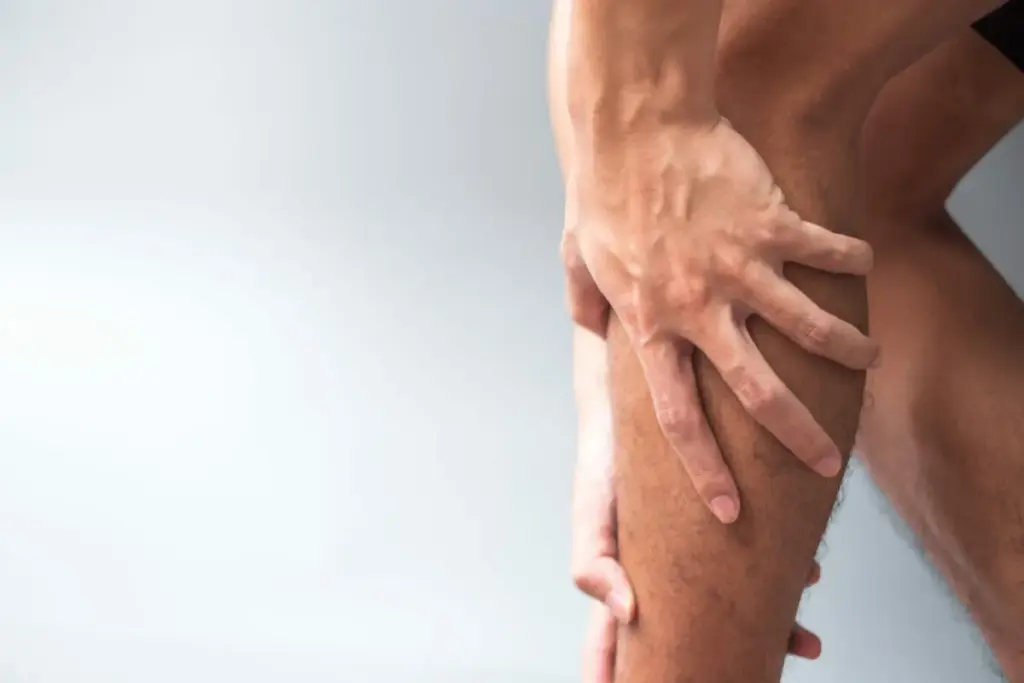
Spotting DVT early is vital to avoid serious issues. Look out for swelling, pain, or tenderness in the leg. These can be accompanied by warmth and redness. Be cautious if you’ve had recent surgery, are immobile for a long time, or have a family history of blood clots.
Key symptoms to watch for:
- Swelling in one leg (rarely both legs)
- Pain or tenderness in the leg
- Warmth and redness in the affected area
- Visible veins
Potential Complications of Untreated DVT
Untreated DVT can lead to severe and life-threatening problems. A big risk is pulmonary embolism (PE). This happens when a clot breaks loose and goes to the lungs, blocking blood flow.
|
Complication |
Description |
Risks |
|---|---|---|
|
Pulmonary Embolism (PE) |
A blockage of an artery in the lungs |
Can be fatal if not treated promptly |
|
Post-Thrombotic Syndrome |
Chronic pain, swelling, and skin discoloration |
Can significantly impact quality of life |
|
Recurrent DVT |
Reoccurrence of DVT |
Increases risk of long-term damage |
Knowing the risks and spotting DVT symptoms early is key to avoiding serious problems. By being aware and seeking medical help quickly, you can lower your risk of severe health issues related to DVT.
Physical Activities to Avoid with DVT
Managing DVT means knowing which activities can make it worse. When you have Deep Vein Thrombosis, it’s key to stay active but avoid things that could dislodge blood clots.
High-Impact Exercises to Steer Clear Of
High-impact exercises like running or jumping are risky for DVT patients. They can dislodge blood clots, leading to serious problems like pulmonary embolism. Avoid heavy weightlifting or any exercise that strains too much.
Here are some high-impact activities to avoid:
- Running or jogging
- Jumping rope
- High-impact aerobics
- Heavy weightlifting
Why Prolonged Immobility Worsens DVT
Prolonged sitting or standing can make DVT worse. It leads to blood pooling in the legs, increasing clot risk. This is a big concern for people on long trips or with desk jobs.
To reduce this risk, try these:
- Take regular breaks to move around
- Perform leg exercises while seated
- Consider wearing compression stockings
Safe Alternatives for Staying Active
Even with DVT, you can stay active safely. Low-impact exercises like walking or swimming are good. They improve circulation without straining the body. Gentle stretching also helps keep muscles flexible.
|
Activity |
Benefits |
Precautions |
|---|---|---|
|
Walking |
Improves circulation, gentle on joints |
Avoid overexertion, wear comfortable shoes |
|
Swimming |
Low-impact, improves cardiovascular health |
Be cautious of cold water, avoid diving |
|
Gentle Stretching |
Maintains flexibility, reduces muscle tension |
Avoid bouncing, don’t overstretch |
Knowing which activities to avoid and choosing safe ones can help manage DVT. Always talk to a healthcare provider before starting any new exercise, even with DVT.
Travel Precautions: What Not to Do When You Have DVT
Traveling with DVT can be risky, but there are steps to take to stay safe. Long trips can lead to blood clots because you sit for so long. It’s key to take precautions to lower these risks.
Air Travel Considerations and Risks
Air travel is a big worry for DVT patients because of tight seats and sitting for hours. This makes blood clots more likely. To reduce this risk, walk up and down the aisle, do calf exercises, and drink lots of water.
Wearing compression stockings on the plane can also help. Try to book an aisle seat to make getting up and moving easier.
Long Road Trips: Necessary Precautions
Long car rides are similar to flying in terms of risks. Sitting for long periods is a big problem. To avoid blood clots, get up and stretch every couple of hours.
Plan your route with breaks to walk around. Drinking water and wearing loose clothes can also help your blood flow.
Essential Travel Strategies for DVT Patients
There are general tips for DVT patients to lower blood clot risks while traveling. Stay hydrated, avoid alcohol and caffeine, and wear loose clothes.
|
Travel Strategy |
Benefit |
|---|---|
|
Regular Movement |
Improves blood circulation |
|
Hydration |
Prevents dehydration, reducing clot risk |
|
Compression Stockings |
Enhances venous return |
|
Avoiding Tight Clothing |
Reduces venous compression |
Knowing the risks of travel with DVT and using these strategies can help. Always talk to your doctor before traveling, if you have DVT.
Dietary Mistakes That Can Worsen Blood Clotting
Managing Deep Vein Thrombosis (DVT) means watching what you eat. The food we choose affects our health, and for those with DVT, some foods can help or hurt. It’s important to pick the right foods to manage DVT.
Blood Clotting Foods to Avoid
Some foods can make blood clotting worse. Knowing which foods to avoid is key for DVT management. Foods rich in Vitamin K, like leafy greens, can fight the effects of blood thinners. Eating too much of these foods can be a problem without doctor’s advice.
- Processed Meats: Foods like sausages and bacon have sodium and preservatives that can affect blood clotting.
- Foods High in Sugar: Too much sugar can cause inflammation, making DVT symptoms worse.
- Excessive Caffeine: Too much caffeine can cause dehydration, raising the risk of blood clots.
Vitamin K Interactions with Blood Thinners
Vitamin K can affect blood thinners like warfarin. You don’t need to avoid Vitamin K completely. Just keep your intake steady so your medication can be adjusted right.
|
Food |
Vitamin K Content |
|---|---|
|
Spinach |
High |
|
Kale |
High |
|
Broccoli |
Moderate |
Hydration Mistakes That Increase Clotting Risk
Drinking enough water is key to preventing blood clots. Dehydration makes blood thicker, increasing clotting risk.
- Not Drinking Enough Water: Drinking plenty of water all day is important.
- Consuming Diuretic Drinks: Drinks like alcohol and caffeine can cause dehydration if not balanced with water.
By knowing these dietary tips, people with DVT can manage their condition better. This can help lower the risk of serious problems.
Medication Errors: What Not to Take with DVT Meds
When you’re on DVT meds, knowing what not to take is key. This includes some over-the-counter drugs and supplements. Managing Deep Vein Thrombosis (DVT) well means you need to handle your meds carefully.
Over-the-Counter Medications to Avoid
If you’re on DVT meds, like blood thinners, watch out for OTC drugs. Some can make your blood thinner work too well, raising the risk of bleeding. Others might not work as well.
For example, nonsteroidal anti-inflammatory drugs (NSAIDs) like ibuprofen and aspirin can up the bleeding risk. Always check with your doctor before taking any OTC meds to keep your DVT in check.
|
OTC Medication |
Potential Risk with DVT Meds |
Recommendation |
|---|---|---|
|
NSAIDs (e.g., ibuprofen) |
Increased risk of bleeding |
Avoid or consult healthcare provider |
|
Aspirin |
Enhanced anticoagulant effect |
Consult healthcare provider for dosage |
|
Acetaminophen |
Generally considered safe but monitor liver function |
Use with caution and consult if necessary |
Supplements That Interfere with DVT Drugs
Some dietary supplements can mess with your DVT meds. Vitamin K, for instance, can fight against warfarin’s effects. People on warfarin need to keep their vitamin K intake steady to avoid INR swings.
Other supplements, like fish oil and garlic, can also up the bleeding risk. It’s critical to tell your doctor about all supplements you’re taking to avoid bad interactions.
Proper Medication Management for DVT Patients
Managing DVT meds right is more than just avoiding certain substances. It’s about being proactive. This includes regular INR checks for warfarin users, knowing the right dosage, and watching for side effects.
Keeping a medication log is also a good idea. It helps track your meds and any side effects. This way, your doctor can adjust your treatment as needed.
By staying informed and careful, you can lower the risks of DVT meds. This can lead to better health outcomes for you.
Common Misconceptions About DVT Treatment
Many people have wrong ideas about DVT treatment. Deep Vein Thrombosis is a serious issue that needs the right diagnosis and treatment. But, myths and misconceptions can lead to bad or even dangerous self-treatment.
Dangerous Self-Treatment Methods
Some try to treat DVT by themselves, using untested remedies or ignoring doctor’s advice. This can cause serious problems, like a higher risk of pulmonary embolism or stroke. It’s vital to listen to your healthcare provider and follow their treatment plan. Bad self-treatment methods include:
- Using unproven herbal remedies that may interact with prescribed medications.
- Ignoring anticoagulant therapy or changing dosages without a doctor’s say.
- Doing too much exercise that can move blood clots.
Myths About DVT Recovery
There are many myths about DVT recovery that can confuse patients. For example, some think that once the clot is gone, the risk is over. But, the risk of it coming back is always there, and you need to take steps to prevent it. Knowing the truth about DVT recovery helps patients make better choices and lowers the risk of problems.
To manage DVT well, it’s key to make lifestyle changes for blood clot prevention. This means staying at a healthy weight, drinking plenty of water, and exercising regularly. By understanding the facts and avoiding common myths, patients can better manage DVT and lower their risk of complications.
How to Prevent Blood Clots: Essential Strategies
Preventing blood clots needs a mix of lifestyle changes, exercise, and knowing your risk factors. By using these methods, you can lower your chance of getting blood clots.
Lifestyle Modifications for Reducing Blood Clot Risk
Changing your lifestyle can help a lot in preventing blood clots. Here are some key changes:
- Dietary Changes: Eat foods that help prevent clots, like omega-3s and antioxidants.
- Hydration: Drink lots of water to keep blood flowing well.
- Smoking Cessation: Quitting smoking lowers the risk of blood clots and heart disease.
- Weight Management: Keep a healthy weight to lessen vein pressure and clot risk.
Movement Techniques to Improve Circulation
Exercise is key for better blood flow and clot prevention. Here are some good ways to move:
- Leg Exercises: Ankle rotations and toe wiggles help circulation, great for sitting a lot.
- Walking: Walking often boosts blood flow and cuts clot risk.
- Stretching: Stretching daily improves circulation and eases muscle tension.
Preventive Measures for High-Risk Individuals
People at higher risk for blood clots need extra steps to prevent them. These include:
- Compression Stockings: Wear compression stockings to boost blood flow and reduce swelling.
- Medication: Sometimes, anticoagulant meds are needed to stop clots.
- Regular Check-Ups: Get regular medical check-ups to watch risk factors and adjust prevention plans.
By following these steps, you can greatly lower your risk of blood clots and their complications.
The Risk of Improper Compression Therapy
Compression therapy is good for DVT patients but can be dangerous if not done right. We’ll look at the risks of using compression therapy wrong. This includes the dangers of wearing compression stockings incorrectly and when to avoid them. It’s key to use compression correctly for DVT management.
Dangers of Incorrect Use
Using compression stockings wrong can cause problems. Inadequate compression might not stop blood clots. On the other hand, excessive compression can be uncomfortable, cause skin issues, or even cut off blood flow. This could make DVT symptoms worse.
Contraindications for Compression Therapy
There are times when you shouldn’t use compression therapy. For example, people with peripheral artery disease or severe peripheral neuropathy should talk to their doctor first. This is because compression stockings might make these conditions worse.
Effective Compression Strategies
To manage DVT well with compression therapy, picking the right compression level and fit is key. Graduated compression stockings are best. They are tighter at the ankle and looser up the leg. This helps blood flow better.
- Measure your leg correctly to ensure a proper fit.
- Choose the appropriate compression level based on your healthcare provider’s advice.
- Put on compression stockings correctly to avoid wrinkles or folds that can cause pressure points.
In conclusion, while compression therapy is helpful for DVT, using it wrong can be risky. Knowing the dangers of wrong use, when to avoid it, and how to use it right can help manage DVT. This can prevent serious problems.
Harmful Practices When Dealing with DVT Calf Pain
Calf pain from DVT needs careful handling to avoid more problems. It’s key to manage this pain well for the patient’s treatment and comfort.
Inappropriate Pain Management Techniques
Wrong ways to handle DVT calf pain can cause serious issues. Don’t take over-the-counter pain meds without a doctor’s okay, as they might mix badly with blood thinners. Always get advice from a healthcare provider on how to manage pain safely and effectively.
Why Massage Can Be Dangerous for DVT
Massaging the area can push the blood clot into the bloodstream, which is very dangerous. Stay away from massages or hard exercises that could move the clot. Always check with your doctor before doing anything that might affect the clot.
Safe Approaches to Managing Discomfort
To safely handle DVT calf pain, try these methods:
- Elevate the leg above the heart to lessen swelling.
- Wear compression stockings as your doctor suggests.
- Drink plenty of water and eat well to help your blood vessels.
Using these safe methods can help manage pain and lower the chance of serious problems.
Can Wrapping Muscle Strain Areas Cause DVT?
Muscle wrapping is a common method for supporting injured muscles. But does it increase the risk of DVT? We use wrapping to help muscles heal and reduce swelling. Yet, it’s important to know how it affects blood flow and its link to Deep Vein Thrombosis.
The Relationship Between Muscle Wrapping and Blood Flow
Wrapping a muscle strain area can affect blood flow in different ways. It can help reduce swelling by keeping fluid from building up. But, if the wrap is too tight, it can block blood flow, causing circulatory problems.
Wrapping too tightly can narrow blood vessels, slowing or stopping blood flow. This can put too much pressure on veins, damaging them or their valves. For people at risk for DVT, this could raise the chance of blood clots forming.
Safe Alternatives for Muscle Support
So, what’s a safer way to support muscles without risking DVT? We suggest using methods that support without too much pressure. Here are some options:
- Use elastic bandages or compression wraps that are tighter at the bottom and looser at the top.
- Make sure the wrap is snug but not too tight.
- Try braces or supports made for your muscle strain type. They offer support without too much pressure.
- Check the wrapped area for signs of poor circulation, like numbness, tingling, or color changes.
By choosing these safer muscle support methods, we can lower the risk of DVT. Always talk to a healthcare professional for advice on muscle strains and preventing DVT.
What Not to Do While on Blood Thinners
For those on blood thinners, knowing what to avoid is key to staying safe. These medications help prevent blood clotsbut also raise the risk of bleeding. It’s important to steer clear of activities and foods that could interact with them.
High-Risk Activities to Avoid
Some activities can up the risk of bleeding or injury when on blood thinners. Stay away from contact sports like football and hockey. Also, avoid high-impact activities like skydiving or bungee jumping. Even everyday tasks like gardening or cooking need caution.
- Contact sports
- High-impact aerobics
- Heavy lifting
- Activities with a high risk of falls
Dietary Restrictions for Patients on Anticoagulants
Your diet matters when you’re on blood thinners. Foods high in vitamin K, like spinach and kale, can affect the medication. You don’t have to avoid these foods completely, but keep your intake steady. Also, cranberry juice and some herbal supplements can interact with blood thinners, so check with your doctor first.
Managing Bleeding Risks Effectively
Knowing the signs of too much bleeding is important. Look out for nosebleeds, bleeding gums, or heavy periods. Use a soft toothbrush and electric razor to reduce cuts. For minor cuts, apply gentle pressure for a few minutes to stop bleeding. If you have a bigger injury or severe bleeding, get medical help right away.
Managing blood thinners requires a careful balance. Avoid risky activities, follow dietary guidelines, and know how to handle bleeding. This way, you can stay healthy and active while on medication.
Natural Ways to Avoid Blood Clots: What Works and What Doesn’t
Learning how to avoid blood clots naturally can help you take care of your blood vessels. While doctors play a big role in treating Deep Vein Thrombosis (DVT), natural methods can also help. They might even lower your chance of getting clots again.
Evidence-Based Natural Approaches
There are natural ways that might help stop blood clots. These include:
- Dietary Changes: Eating more foods with omega-3 fatty acids, like salmon and flaxseeds, can fight inflammation and improve your blood.
- Physical Activity: Exercising regularly, like walking or swimming, can make your blood flow better and lower clot risk.
- Herbal Supplements: Some herbs, like Ginkgo biloba and Curcuma longa (turmeric), might help because they fight clotting and inflammation.
Unproven Remedies to Be Cautious About
Not all natural remedies are proven to work. Be careful with:
- Unregulated Supplements: Some supplements for heart health might not be checked by health groups. This could mean they’re not always safe or might mix badly with medicines.
- Dietary Extremes: Making big changes in what you eat can sometimes make clotting risk worse.
Integrating Natural Methods with Medical Treatment
To manage DVT well and avoid blood clots, mix natural methods with doctor advice. This means:
- Monitoring and Adjustments: Keep an eye on how your blood clots and change treatments as your doctor suggests.
- Lifestyle Modifications: Make lasting changes to help your blood vessels, like staying at a healthy weight and not smoking.
- Comprehensive Care: Make sure all your doctors know about both your medical and natural treatments. This helps avoid bad interactions.
By using natural methods and doctor advice together, you can make a strong plan to handle DVT and lower clot risk.
Special Considerations for Different Risk Groups
DVT prevention and treatment need to be adjusted for certain groups. This includes pregnant women and those who have recently had surgery. Each group has its own challenges that need special care to fight Deep Vein Thrombosis.
Pregnancy and DVT: Special Precautions
Pregnancy raises the risk of DVT due to changes in the body. These changes include more blood and higher pressure in the legs. It’s important to know these risks to give the right care.
Pregnant women should move around often, drink plenty of water, and wear compression stockings if advised by their doctor. Regular prenatal visits are key to watching for and managing DVT risk.
|
Risk Factor |
Precautionary Measure |
|---|---|
|
Prolonged Bed Rest |
Regular Movement, Compression Stockings |
|
Family History of DVT |
Close Monitoring, Possible Anticoagulation Therapy |
|
Multiple Pregnancy |
Enhanced Surveillance, Preventive Measures |
Post-Surgery DVT Prevention Mistakes
Patients after surgery are at a higher risk of DVT. This is because they are often bedridden and surgery can harm blood vessels. We need to act fast to lower this risk.
Some mistakes include not using enough blood thinners, not moving patients enough, and not using compression devices when needed. Doctors should check each patient’s risk of DVT and take steps to prevent it.
- Make sure to give blood thinners on time as ordered.
- Get patients moving as soon as possible after surgery.
- Use compression stockings or devices as advised.
Managing DVT Risk in Sedentary Occupations
People who sit a lot are more likely to get DVT. We suggest moving around and doing exercises to keep blood flowing.
Simple steps like standing and stretching often, doing leg exercises while sitting, and drinking lots of water can help lower DVT risk.
By knowing the special challenges of different risk groups and using specific prevention plans, we can better fight DVT.
When to Seek Emergency Care for DVT Complications
Knowing the warning signs of DVT complications can save lives. We will outline these critical signs. Deep Vein Thrombosis (DVT) is a serious condition that needs quick medical attention if complications happen. It’s important to know when to seek emergency care to prevent long-term damage or even death.
Warning Signs That Require Immediate Medical Attention
Certain symptoms show that DVT has caused severe complications, needing immediate medical help. These include:
- Severe chest pain or trouble breathing, which could mean a pulmonary embolism.
- Swelling, pain, or redness in the affected limb that gets worse over time.
- Warmth or tenderness in the affected area.
- Fever or chills, which could mean an infection.
If you have any of these symptoms, it’s critical to seek emergency care right away.
How to Communicate Effectively with Healthcare Providers
Talking well with healthcare providers is key when dealing with DVT complications. Here are some tips to get the best care:
|
Communication Tip |
Description |
|---|---|
|
Be Clear About Symptoms |
Tell your healthcare provider about your symptoms in detail. Include when they started and what makes them better or worse. |
|
Provide Medical History |
Tell your healthcare provider about your medical history. Include any past DVT episodes, surgeries, or conditions that raise your risk. |
|
List Medications |
Share a list of your current medications, including blood thinners. This helps your provider understand any possible interactions. |
By talking well, you can make sure your healthcare provider has all the info they need to give you the best care.
Conclusion: Building a Comprehensive DVT Management Plan
Creating a detailed DVT management plan is key to stopping blood clots and getting the best care. Knowing the risks of Deep Vein Thrombosis and acting early can greatly lower the chance of problems.
A good DVT plan mixes lifestyle changes, careful medicine use, and knowing about risks from activities and food. We need to watch out for activities to skip, travel tips, and foods that can make blood clots worse.
By using the tips from this article every day, we can fight DVT well. This means knowing the signs to see a doctor right away and talking well with health experts.
We aim to give full care that meets the special needs of those at risk of DVT. Working with doctors and being proactive can stop blood clots and better our health.
FAQ
What are the common risk factors for developing Deep Vein Thrombosis (DVT)?
DVT risk factors include being immobile for a long time, recent surgery, cancer, and genetics. Knowing these risks helps prevent and detect DVT early.
How can I prevent blood clots when traveling?
To avoid blood clots while traveling, drink plenty of water, move around, and wear compression socks. Don’t cross your legs or ankles for long, and stretch and walk often.
What foods should I avoid to prevent blood clotting?
Avoid foods high in Vitamin K, like leafy greens, to prevent blood clotting. While you don’t have to avoid them completely, be careful, even on blood thinners.
Can wrapping a muscle strain area cause DVT?
Wrapping a strained muscle too tightly can block blood flow, raising DVT risk. Use proper wrapping or find other ways to support your muscles.
What are the dangers of ignoring DVT symptoms?
Ignoring DVT symptoms can lead to serious problems, like pulmonary embolism. It’s a life-threatening condition. Recognize early signs and seek help quickly.
How do I manage DVT while on blood thinners?
Manage DVT on blood thinners by knowing what foods to avoid, staying away from high-risk activities, and watching for bleeding signs. Regular doctor visits are key.
Are there natural ways to prevent blood clots?
Yes, natural ways include drinking water, exercising, and keeping a healthy weight. Eating foods with omega-3 fatty acids can also help.
What are the risks associated with improper compression therapy?
Using compression stockings wrong can fail to prevent DVT or make it worse. Always follow your doctor’s advice on how to use them correctly.
When should I seek emergency care for DVT complications?
Get emergency care right away for severe chest pain, trouble breathing, or bad leg pain and swelling. Quick medical help is vital for DVT complications.
How can I integrate natural methods with medical treatment for DVT?
Talk to your doctor before mixing natural methods with medical treatment. They can help you make sure your lifestyle changes and diet fit your treatment plan.
What lifestyle modifications can help reduce the risk of blood clots?
To lower blood clot risk, exercise regularly, stay at a healthy weight, and avoid sitting for too long. Quitting smoking and managing health conditions also helps.
What are the signs that I should not ignore if I suspect I have DVT?
Don’t ignore leg pain or swelling, warmth, or redness. If you have these symptoms, and risk factors for DVT, see a doctor right away.
References
National Center for Biotechnology Information. Evidence-Based Medical Insight. Retrieved from https://pubmed.ncbi.nlm.nih.gov/22315272/



 Departments
 Related Videos
 Our Doctors
 News
News