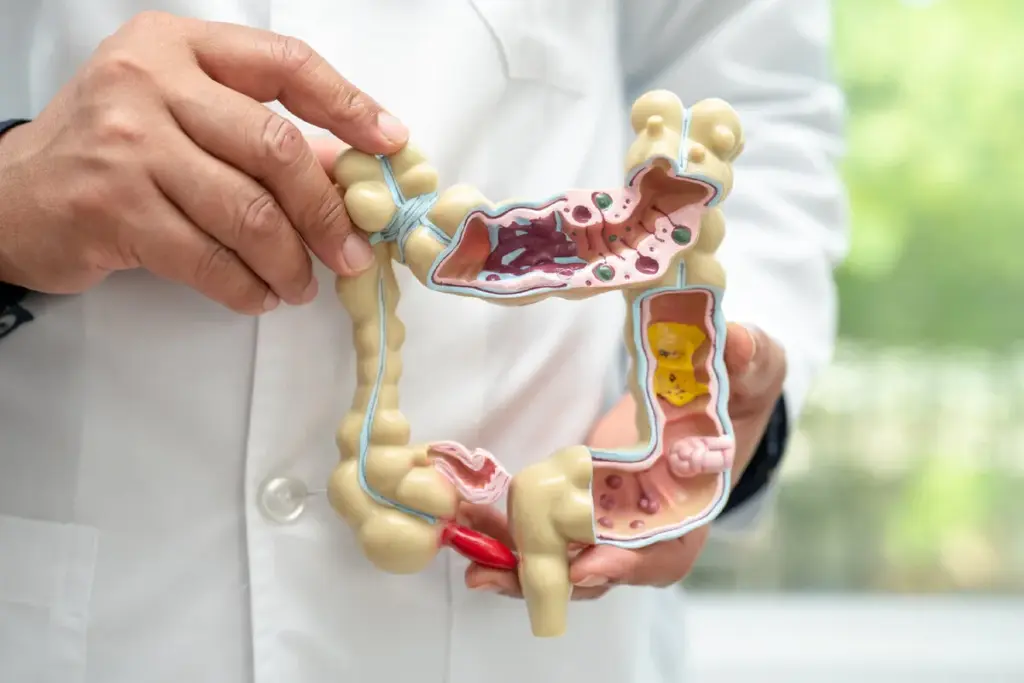
Colon cancer is a big problem worldwide, with almost 1.9 million new cases and over 900,000 deaths each year. Early detection and prevention are key to lowering these numbers. Starting routine screening at 45 can greatly reduce cases and deaths if 80% of people get screened.
We want to give you a detailed guide on how to lower your risk of colon cancer. We’ll cover everything from screening guidelines to making lifestyle changes. By learning and using effective prevention strategies, you can greatly reduce your chance of getting colon cancer.
Key Takeaways
- Routine screening starting at age 45 can reduce colon cancer incidence by 22% and deaths by 33%.
- Lifestyle modifications play a big role in preventing colon cancer.
- Early detection is key to surviving colon cancer.
- Understanding risk factors can help in prevention.
- Screening guidelines are essential for effective prevention.
The Growing Threat of Colon Cancer
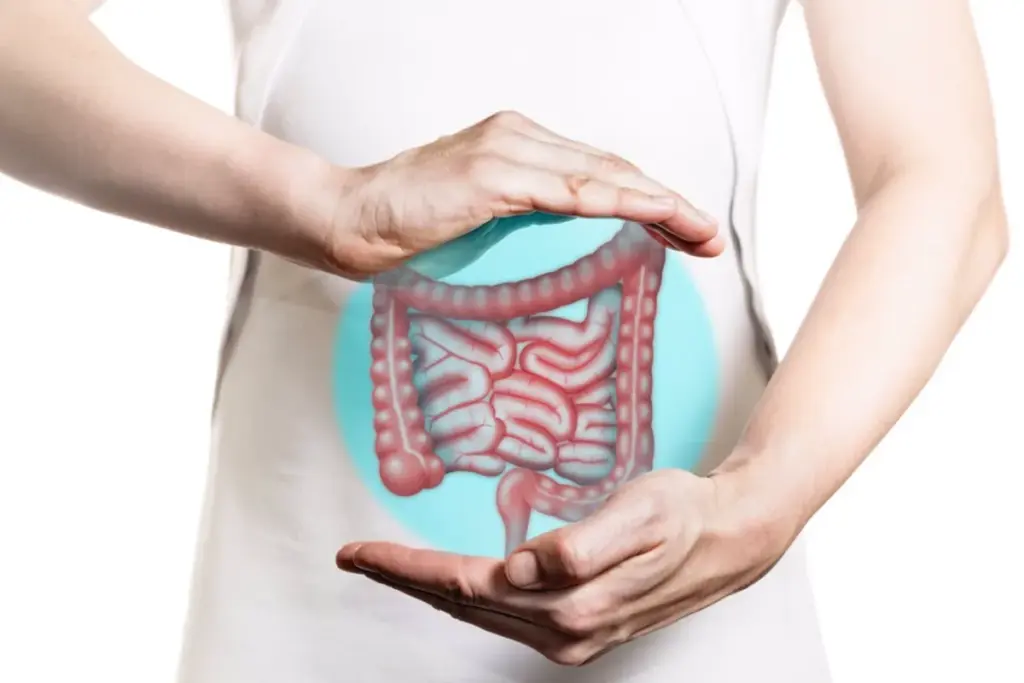
Colon cancer is a big problem worldwide. It affects millions of people, impacting public health greatly. Knowing its stats is key.
Global and US Statistics
Colon cancer is a top cancer globally. In the US, 154,000 will get colon or rectal cancer in 2025. Sadly, 52,900 will die from it. These numbers show how serious it is.
Survival Rates by Stage of Detection
Survival rates for colon cancer depend on when it’s found. Finding it early makes a big difference.
|
Stage at Diagnosis |
5-Year Survival Rate |
|---|---|
|
Localized |
90% |
|
Regional |
71% |
|
Distant |
14% |
The Alarming Rise in Young Adult Cases
Young adults are getting colon cancer more often. This calls for more awareness and early screening for them.
Knowing these facts helps us fight colon cancer better. By staying informed, we can prevent and detect it early.
Understanding Risk Factors
Several risk factors can increase the chance of getting colon cancer. These include age, family history, and certain medical conditions. Knowing these factors helps find who might need screening sooner.
Non-Modifiable Factors: Age, Family History, and Genetics

Some risk factors for colon cancer can’t be changed. Age is a big one, with most cases found in people over 50. A family history of colon cancer or genetic syndromes like Lynch syndrome also raises risk. We’ll look at these non-changeable factors more closely.
- Age: Risk goes up a lot after 50.
- Family History: Having a first-degree relative with colon cancer doubles your risk.
- Genetics: Certain genetic syndromes can greatly increase colon cancer risk.
Medical Conditions That Increase Risk
Certain medical conditions can also up the risk of colon cancer. These include:
- Inflammatory Bowel Disease (IBD): Conditions like ulcerative colitis and Crohn’s disease.
- Type 2 Diabetes: There’s a link between type 2 diabetes and higher colon cancer risk.
The Role of Inflammation in Colon Cancer
Chronic inflammation in the colon can lead to cancer. This inflammation can come from infections and some medical conditions. Fighting inflammation through lifestyle changes and treatment can lower colon cancer risk.
Understanding these risk factors helps us find ways to prevent and catch colon cancer early. While some can’t be changed, others can be influenced by lifestyle and medical care.
The Critical Importance of Early Detection
Early detection is key in fighting colon cancer. It greatly boosts survival chances when caught early. The numbers show: early detection leads to much higher five-year survival rates compared to late-stage diagnoses.
Why Timing Is Everything: Survival Rate Differences
The survival rate for colon cancer changes a lot based on when it’s found. Early detection means 89% of people live 5+ years. But, survival rates drop sharply for later-stage diagnoses.
Recognizing Warning Signs and Symptoms
It’s vital to know the signs of colon cancer for early detection. Common symptoms include:
- Changes in bowel habits
- Blood in the stool
- Persistent abdominal discomfort
- Unexplained weight loss
- Fatigue
Knowing these symptoms can lead to early medical visits.
When to Consult a Healthcare Provider
If you notice any of these signs, see a doctor right away. Early diagnosis and treatment can greatly improve outcomes. Don’t delay talking to a healthcare expert. Timely action can save lives.
Early detection saves lives. Understanding the need for early detection and knowing the signs helps protect your health. It’s all about being proactive.
Screening Guidelines That Save Lives
Following screening guidelines is key to lowering colon cancer rates. Starting screenings at 45 is now advised by doctors. This helps catch colon cancer early, when it’s easier to treat.
Starting at Age 45: The New Recommendations
Adults with average colon cancer risk should start screening at 45, new guidelines say. This early start aims to improve survival chances and cut down on deaths from colon cancer.
Colonoscopy: The Gold Standard
Colonoscopy is the top choice for colon cancer screening. It lets doctors thoroughly check the colon and rectum. This way, they can find and remove polyps before they turn cancerous.
Alternative Screening Methods
Though colonoscopy is top-notch, other methods exist for those who can’t or don’t want to have it.
Stool-Based Tests
Stool tests look for hidden blood or DNA changes in stool, signs of colon cancer. These tests are easier and can be done at home.
Virtual Colonoscopy
Virtual colonoscopy uses CT scans to show the colon’s details. It’s less invasive than regular colonoscopy but needs bowel prep.
Flexible Sigmoidoscopy
Flexible sigmoidoscopy looks at the colon’s lower part. It’s not as thorough as colonoscopy but can spot polyps and cancer in the lower colon.
|
Screening Method |
Description |
Frequency |
|---|---|---|
|
Colonoscopy |
Examines the entire colon, allows for polyp removal |
Every 10 years |
|
Stool-Based Tests |
Detects blood or DNA changes in stool |
Annually |
|
Virtual Colonoscopy |
Uses CT scans to image the colon |
Every 5 years |
|
Flexible Sigmoidoscopy |
Examines the lower part of the colon |
Every 5-10 years |
Knowing and using these screening guidelines can greatly lower your risk of colon cancer. Or, it can help catch it early, when it’s easier to treat.
How to Prevent Colon Cancer Through Dietary Choices
The food we eat can either increase or decrease our risk of colon cancer. Eating a diet rich in certain nutrients and low in harmful substances can lower the risk of this disease. We will look at dietary choices that help prevent colon cancer.
Power of Plant-Based Foods and Fiber
A diet rich in plant-based foods and fiber can lower colon cancer risk. Foods like fruits, vegetables, whole grains, and legumes are full of fiber and nutrients. The American Cancer Society suggests eating a variety of colorful fruits and vegetables every day.
“A high-fiber diet is associated with a lower risk of colon cancer, likely due to its role in promoting a healthy gut microbiome and regular bowel movements.”
Some high-fiber foods include:
- Broccoli
- Carrots
- Apples
- Whole wheat bread
- Legumes like beans and lentils
Colon Cancer Foods to Avoid: Red and Processed Meats
Eating too much red and processed meat can increase colon cancer risk. Red meats are beef, pork, and lamb. Processed meats are bacon, sausages, and ham. Cutting down on these foods can help lower the risk.
|
Food Type |
Examples |
Recommended Intake |
|---|---|---|
|
Red Meats |
Beef, Pork, Lamb |
Limit to 1-2 servings per week |
|
Processed Meats |
Bacon, Sausages, Ham |
Avoid or limit to special occasions |
Anti-Inflammatory Foods That Protect Your Colon
Certain foods have anti-inflammatory properties that protect the colon. Foods rich in omega-3 fatty acids, like salmon and walnuts, are good. Also, foods high in antioxidants, such as berries and green tea, are beneficial.
Hydration and Its Protective Effects
Drinking enough water is key for a healthy colon. Water helps prevent constipation by softening stool. Aim to drink at least 8 cups (64 ounces) of water daily.
In conclusion, making smart dietary choices can greatly reduce colon cancer risk. Focus on a diet rich in plant-based foods, fiber, and anti-inflammatory nutrients. Also, limit red and processed meats. This proactive approach can help prevent colon cancer.
Physical Activity and Weight Management Strategies
Physical activity and weight management are key to preventing colon cancer. Regular exercise boosts health and lowers colon cancer risk.
Exercise Recommendations for Cancer Prevention
We suggest at least 150 minutes of moderate or 75 minutes of vigorous exercise weekly. Activities like brisk walking, cycling, or swimming are good. Adding physical activity to your daily life is easy, like taking stairs or walking during lunch.
How Excess Weight Increases Cancer Risk
Excess weight, mainly around the belly, raises colon cancer risk. It causes chronic inflammation and insulin resistance, promoting cancer. Keeping a healthy weight through diet and exercise is vital.
Building Sustainable Movement Habits
To make exercise a habit, find activities you like. It could be team sports or solo activities like jogging or yoga. The goal is to create a routine you can keep up long-term. Also, doing strength training twice a week boosts health and cancer prevention.
Combining regular exercise with effective weight management lowers colon cancer risk. It also improves overall health and well-being.
Lifestyle Modifications That Reduce Risk
We can lower our risk of colon cancer by changing our lifestyle. Making smart choices in our daily habits can greatly reduce the risk. Factors like alcohol use, smoking, stress, and sleep quality all affect our risk.
Alcohol Consumption Guidelines
Drinking less alcohol is key. Too much alcohol can raise the risk of colon cancer. We suggest sticking to guidelines for moderate drinking. This means up to one drink a day for women and up to two for men.
The Impact of Smoking on Colon Health
Smoking is a big risk for colon cancer. Tobacco smoke harms colon cells, leading to cancer. Quitting smoking is a big step towards lowering your risk.
Stress Management Techniques
Too much stress is bad for our health, including our colon. Activities like meditation, yoga, or deep breathing can help. They improve our mental health and may lower colon cancer risk.
The Importance of Quality Sleep
Good sleep is vital for health, including cancer prevention. Bad sleep habits can harm our body’s natural processes, raising cancer risk. Aim for 7-9 hours of sleep each night and keep a regular sleep schedule.
By making these lifestyle changes, we can actively reduce our colon cancer risk. It’s about making lasting changes for better health.
Preventing and Managing Colon Polyps
Colon polyps are usually harmless but can turn into cancer if not treated. It’s important to know how polyps can lead to cancer. This knowledge helps in preventing and managing them.
Understanding the Polyp-to-Cancer Pathway
Colon cancer starts from polyps through genetic changes and environmental factors. Most cancers come from adenomatous polyps. These polyps can grow into cancer over time.
Key factors that influence the polyp-to-cancer pathway include:
- Genetic predisposition: People with a family history of colon cancer are at higher risk.
- Environmental factors: Diet, lifestyle, and other exposures can affect polyp risk and growth.
Polyp Removal Procedures
Removing polyps is key to stopping colon cancer. The main way to do this is during a colonoscopy. Polyps are found and removed before they can turn cancerous.
Follow-Up Care After Polyp Detection
After polyps are removed, follow-up care is vital. It helps catch new polyps and ensures all are removed. How often you need a colonoscopy depends on the polyps’ number, size, and type.
- If you have many or large polyps, you might need more frequent check-ups.
- Those with polyp history should get regular checks to prevent cancer.
Supplements That May Help Prevent Polyps
Diet and lifestyle are key in preventing polyps. But, some supplements might also help. Studies show:
- Calcium and vitamin D may lower polyp risk.
- Aspirin can reduce colon cancer risk, but talk to a doctor first because of side effects.
Always talk to a doctor before taking any supplements.
Conclusion: Your Action Plan for Colon Cancer Prevention
Understanding the risks and taking proactive steps can greatly lower your chance of getting colon cancer. Our guide has shown how early detection, screening, and diet play big roles in prevention. It also talks about the benefits of staying active and making lifestyle changes.
First, talk to your doctor to find out when you should get screened. Eat a diet full of plant-based foods and fiber. Also, stay active to keep a healthy weight. Try to eat less red and processed meat, and don’t smoke or drink too much alcohol.
By following these steps, you can improve your colon health and lower your cancer risk. Start making your own prevention plan today. With the right steps, you can keep yourself healthy and happy.
FAQ
What are the most significant risk factors for colon cancer?
The main risk factors for colon cancer are age, family history, and genetics. Certain medical conditions and chronic inflammation also play a big role.
How can I reduce my risk of colon cancer through diet?
Eating a plant-based diet high in fiber can help. Avoid red and processed meats. Include foods that fight inflammation. Drinking enough water is also key for colon health.
What are the recommended screening guidelines for colon cancer?
Start screening for colon cancer at 45. Colonoscopy is the top choice. But, you can also use stool tests, virtual colonoscopy, or flexible sigmoidoscopy.
How does physical activity impact colon cancer risk?
Being active can lower your risk of colon cancer. Stick to exercise guidelines and keep a healthy weight to reduce cancer risk.
Can lifestyle modifications really make a difference in preventing colon cancer?
Yes, making lifestyle changes can help. Limit alcohol, quit smoking, manage stress, and get enough sleep to lower your colon cancer risk.
What is the significance of colon polyps in colon cancer development?
Colon polyps can turn into cancer over time. It’s important to understand this, get polyps removed, and follow up with your doctor to prevent colon cancer.
Are there any supplements that can help prevent colon polyps or colon cancer?
Some supplements might help prevent colon polyps. But, always talk to a healthcare professional before taking any supplements.
How often should I get screened for colon cancer if I have a family history?
If you have a family history of colon cancer, you might need to start screening earlier than 45. Talk to your doctor to find out the best screening schedule for you.
What are the warning signs and symptoms of colon cancer that I should be aware of?
Look out for changes in bowel habits, blood in the stool, abdominal pain, and unexplained weight loss. If you notice these symptoms, see a doctor right away.
References
- Centers for Disease Control and Prevention (CDC): https://www.cdc.gov/nccdphp/priorities/colorectal-cancer.html
- Colorectal Cancer Alliance: https://colorectalcancer.org/basics/facts-and-statistics
- International Agency for Research on Cancer (IARC): https://www.iarc.who.int/news-events/iarc-marks-colorectal-cancer-awareness-month-2025/
- NCCRT (National Colorectal Cancer Round Table): https://nccrt.org/our-impact/data-and-progress/
- Cancer Research Institute (CRI): https://www.cancerresearch.org/blog/colorectal-cancer-awareness-month