


Living a healthier lifestyle is key to lowering colon cancer risk. Studies show that nearly 50% of colorectal cancers could be prevented. This highlights the need for informed choices to reduce risk.
Discover how to prevent colon cancer with easy lifestyle shifts. This powerful guide provides the vital steps needed for a cancer-free future.
By making smart choices about our lifestyle and habits, we can lower the chance of getting colon cancer. This guide will cover the latest research-backed ways to prevent colon cancer. It aims to help individuals make informed decisions for a healthier life.
Key Takeaways
- Nearly 50% of colorectal cancers can be prevented through lifestyle changes.
- Adopting a healthier lifestyle is key to reducing colon cancer risk.
- Informed choices play a big role in colon cancer prevention.
- Liv Hospital’s pioneering approach supports long-term wellbeing.
- Research-backed strategies can help prevent colon cancer.
Understanding Colon Cancer: Facts and Statistics
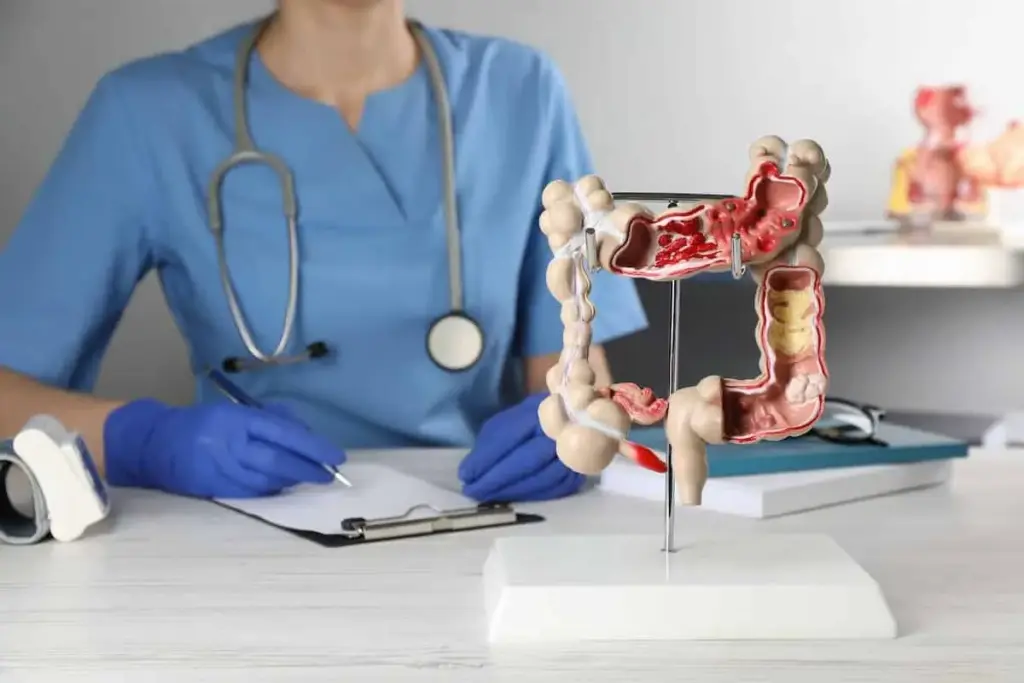
It’s important to know the facts and stats about colon cancer to prevent it. Colon cancer affects the colon or rectum, which are parts of the large intestine.
What is Colon Cancer?
Colon cancer starts as a growth on the inner lining of the colon or rectum. It often begins as a polyp, which can be non-cancerous or cancerous. Removing polyps early can stop colon cancer.
Prevalence and Impact in the United States
Colon cancer is very common in the United States. Over 100,000 new cases are diagnosed each year.
|
Year |
New Cases |
Deaths |
|---|---|---|
|
2020 |
104,610 |
53,200 |
|
2021 |
106,180 |
52,980 |
|
2022 |
108,070 |
52,140 |
The table shows new cases are going up, but deaths are going down. This means we’re getting better at treating and preventing colon cancer.
The Importance of Prevention
Prevention is key to fighting colon cancer. Knowing the risks and making healthy choices can lower your risk. Prevention is about taking charge of your health.
“The key to reducing colon cancer incidence and mortality lies in prevention and early detection. By understanding the risk factors and taking proactive steps, individuals can significantly reduce their risk.”
— Expert in Gastroenterology
By focusing on prevention and early detection, we can greatly impact colon cancer stats. This can save many lives.
Risk Factors for Developing Colon Cancer

Colon cancer risk comes from genetics, lifestyle, and environment. Knowing these factors helps in preventing the disease.
Non-Modifiable Risk Factors
Some risks can’t be changed. These include:
- Age: The risk grows with age, with most cases in those over 50.
- Family History: A family history of colon cancer raises your risk.
- Genetics: Syndromes like Familial Adenomatous Polyposis (FAP) and Lynch Syndrome greatly increase risk.
A study in a Journal found a big risk for those with a family history of colon cancer
“Individuals with a first-degree relative diagnosed with colorectal cancer have a 2- to 3-fold increased risk of developing colorectal cancer themselves.”
National Cancer Institute
Modifiable Risk Factors
Some risks can be changed through lifestyle. These include:
|
Risk Factor |
Description |
Preventive Measure |
|---|---|---|
|
Diet |
A diet high in red and processed meats increases colon cancer risk. |
Eat more fruits, vegetables, and whole grains. |
|
Physical Activity |
Lack of physical activity is linked to higher colon cancer risk. |
Stay active with activities like walking or jogging. |
|
Smoking |
Smoking is a known risk factor for colon cancer. |
Quit smoking and avoid secondhand smoke. |
Understanding Your Personal Risk Profile
Knowing your personal risk is key to preventing colon cancer. This means looking at both non-modifiable and modifiable risks.
By tackling modifiable risks, you can lower your colon cancer risk. Regular screenings and talking to your doctor are also important for prevention.
How to Prevent Colon Cancer Through Dietary Changes
Diet is key in preventing colon cancer. Making smart food choices can greatly lower your risk. Eating foods that protect the colon and rectum is important.
High-Fiber Foods That Protect Colon Health
High-fiber foods keep the colon healthy. Fiber helps move food through your system and prevents constipation. This reduces colon cancer risk. Foods high in fiber include:
- Fruits: Berries, apples, and pears are not only delicious but also packed with fiber.
- Vegetables: Broccoli, carrots, and leafy greens are excellent sources of dietary fiber.
- Legumes: Beans, lentils, and peas are rich in fiber and protein, making them a great addition to a colon-healthy diet.
- Whole Grains: Brown rice, quinoa, and whole-wheat bread provide fiber and essential nutrients.
To increase fiber, try whole grains instead of refined ones. Add more fruits and vegetables to your meals.
Limiting Red and Processed Meats
Eating too much red and processed meat raises colon cancer risk. It’s best to limit or avoid:
- Red Meats: Beef, pork, and lamb should be consumed in moderation.
- Processed Meats: Bacon, sausages, and hot dogs are classified as carcinogenic by health organizations.
Choose lean proteins like poultry, fish, and plant-based options instead.
Creating a Colon-Healthy Meal Plan
Creating a meal plan for colon health is easy. Here are some tips:
- Start the day with a fiber-rich breakfast: Oatmeal with fruits or whole-grain toast with avocado.
- Incorporate a variety of colorful vegetables: Aim for at least five servings a day.
- Choose whole grains over refined grains: Make this swap in your daily meals.
- Limit red and processed meats: Opt for lean proteins and plant-based meals.
By making these dietary changes, you can lower your colon cancer risk and improve your health.
“A healthy diet is a cornerstone of colon cancer prevention. By focusing on whole, nutrient-dense foods, individuals can take a proactive approach to protecting their health.”
Physical Activity Guidelines for Colon Cancer Prevention
Making physical activity a part of your life can greatly lower your risk of colon cancer. Regular exercise boosts your health and helps prevent colon cancer.
How Exercise Reduces Colon Cancer Risk
Exercise helps in many ways to lower colon cancer risk. It keeps your weight healthy, fights insulin resistance, and boosts your immune system. It also cuts down body inflammation, a colon cancer risk factor.
Key benefits of exercise in colon cancer prevention include:
- Reducing insulin resistance
- Improving immune function
- Lowering inflammation
- Aiding in maintaining a healthy weight
Recommended Types and Amounts of Physical Activity
The American Cancer Society suggests at least 150 minutes of moderate or 75 minutes of vigorous activity weekly. You can mix both to meet the goal.
Examples of moderate and vigorous activities include:
- Moderate: Brisk walking, cycling, swimming
- Vigorous: Running, high-intensity interval training (HIIT), competitive sports
Building an Exercise Routine for Optimal Protection
To get the most from exercise in preventing colon cancer, create a steady routine. Choose activities you like and plan them into your day or week.
Tips for building an effective exercise routine:
- Start slowly and gradually increase the intensity and duration
- Mix different types of activities to keep the routine interesting
- Schedule exercise into your daily routine
- Find a workout buddy or join a fitness group for motivation
Weight Management Strategies for Reducing Cancer Risk
Too much body fat can increase the risk of colon cancer. Keeping a healthy weight is key to prevention. Studies show that a healthy weight can lower the risk of colon cancer.
The Link Between Excess Body Fat and Colon Cancer
Too much body fat, mainly around the belly, raises the risk of colon cancer. This is because of insulin resistance, chronic inflammation, and hormonal changes. These factors can help cancer cells grow.
Understanding the Risks
- Insulin resistance and type 2 diabetes
- Chronic inflammation
- Hormonal changes, including increased levels of insulin and insulin-like growth factor-1 (IGF-1)
Healthy Weight Loss Approaches
For healthy weight loss, mix diet changes with more exercise. Aim to lose 1-2 pounds a week for lasting results.
Dietary Strategies
- Eat a balanced diet with fruits, vegetables, whole grains, and lean proteins
- Reduce processed foods, sugary drinks, and saturated fats
- Boost fiber intake for better digestion
|
Dietary Component |
Recommended Intake |
Benefits for Colon Health |
|---|---|---|
|
Fiber |
25-30 grams per day |
Supports digestive health, reduces risk of colon cancer |
|
Fruits and Vegetables |
5 servings per day |
Rich in antioxidants, vitamins, and minerals |
|
Whole Grains |
3-5 servings per day |
Rich in fiber, vitamins, and minerals |
Maintaining Weight Loss Long-Term
To keep weight off, stick to healthy habits. Eat well, stay active, and check your weight often.
Long-Term Strategies
- Stay hydrated
- Get enough sleep
- Manage stress levels
By using these strategies, you can lower your colon cancer risk. You’ll also improve your overall health and well-being.
Limiting Alcohol and Tobacco Use to Prevent Colorectal Cancer
Not drinking too much alcohol and not smoking can lower your risk of colorectal cancer. What you choose to do every day can affect your health a lot.
How Alcohol Consumption Increases Cancer Risk
Drinking too much alcohol can increase your risk of getting colorectal cancer. The way it works is through alcohol’s into acetaldehyde, a harmful substance. This substance can harm DNA and proteins, which might lead to cancer.
Drinking less can help lower your risk of colorectal cancer. Experts say men should not drink more than two drinks a day. Women should not have more than one drink a day.
Tobacco’s Impact on Colorectal Health
Smoking also raises your risk of colorectal cancer. Smoking contains many harmful substances that can harm the colon and rectum. Stopping smoking can greatly lower your risk of getting cancer.
Resources for Quitting and Reducing Consumption
If you want to drink less or stop smoking, there are resources to help. Support groups, counseling, and nicotine replacement therapy can be helpful. Your doctor can also give you advice and a plan to follow.
By cutting down on alcohol and tobacco, you can make a big difference in preventing colorectal cancer. Changing your lifestyle can greatly improve your health and happiness.
Screening and Early Detection Methods
Early detection of colon cancer is key to better treatment outcomes. Screening helps find polyps and cancer early. This allows for quick action.
Recommended Screening Guidelines by Age and Risk Level
Screening for colon cancer depends on age and risk. Adults with average risk should start screening at 45. Those with high risk or family history may need to start earlier.
- Average risk individuals: Screening starts at age 45.
- High-risk individuals: Screening may start before age 45, depending on specific risk factors.
Types of Screening Tests Available
There are several tests for colon cancer detection:
- Fecal Occult Blood Tests (FOBT): Finds hidden blood in stool.
- Colonoscopy: Uses a tube with a camera to see the colon.
- CT Colonography: Uses CT scans to see the colon.
Each test has its own benefits and drawbacks. The right test depends on personal preferences and risk.
What to Expect During Screening Procedures
Knowing what to expect during screening can reduce anxiety. A colonoscopy involves prep, sedation, and a camera tube. Patients are watched to ensure they’re comfortable.
Understanding and Managing Colon Polyps
It’s key to know about colon polyps to stop colon cancer. These polyps can grow into cancer. They are growths on the colon’s lining. Managing them is vital to stop colon cancer.
Development of Colon Polyps into Cancer
Colon polyps can turn into cancer through genetic changes and environmental factors. The risk of a polyp becoming cancerous depends on its type, size, and characteristics. For example, adenomatous polyps, or adenomas, are precancerous. They can turn into colorectal cancer if not removed.
Prevention Strategies for Colon Polyps
To prevent colon polyps, make lifestyle changes and use medical help. Eating more fruits, vegetables, and whole grains can lower polyp risk. Exercise and a healthy weight are also important. Quitting smoking and drinking less alcohol also helps.
Here’s a table of key ways to prevent colon polyps:
|
Prevention Strategy |
Description |
Benefits |
|---|---|---|
|
Dietary Changes |
Increasing intake of fruits, vegetables, and whole grains |
Reduces risk of colon polyps |
|
Physical Activity |
Engaging in regular exercise |
Lowers risk of colon polyps and cancer |
|
Healthy Weight |
Maintaining a healthy BMI |
Reduces overall cancer risk |
Treatment Options for Existing Colon Polyps
For those with colon polyps, there are treatments. The main treatment is removing polyps during a colonoscopy. This lets doctors check the colon and rectum. Sometimes, more treatments are needed based on the polyp and the patient’s health.
Knowing about treatments and talking to a doctor can help manage polyps. This reduces the chance of colon cancer.
Medications and Supplements for Prevention
Research is ongoing into the use of aspirin and other medications for colon cancer prevention. While lifestyle changes are key, some drugs may help lower colon cancer risk.
The Role of Aspirin
Aspirin has been studied a lot for its role in preventing colon cancer. Regular aspirin use may lower the risk of colorectal cancer, mainly for those at high risk. But, taking aspirin should always be discussed with a doctor due to possible side effects and interactions with other drugs.
The exact way aspirin prevents cancer isn’t fully known. But, it’s thought to block enzymes that help tumors grow. Studies suggest low-dose aspirin can be effective in preventing colon cancer, making it a possible long-term prevention option.
Other Potentially Preventive Medications
Other drugs are also being looked at for colon cancer prevention. These include NSAIDs and agents that target cancer-related pathways. While promising, these drugs come with risks and should be used with caution under a doctor’s guidance.
When to Consider Medication-Based Prevention
Medication-based prevention is usually for those at high risk of colon cancer. This includes people with a family history, certain genetic syndromes, or a history of polyps or cancer. Starting preventive medication should be based on a detailed risk assessment and overall health check.
It’s important for individuals to talk to their doctor about their risk and the pros and cons of preventive drugs. This way, they can make informed choices about their colon health and take steps to lower their colon cancer risk.
Genetic Factors and Family History Considerations
Genetic factors and family history are key in figuring out who might get colon cancer. Knowing this can help find people who need extra ways to prevent it.
Hereditary Colon Cancer Syndromes
Hereditary colon cancer syndromes, like Familial Adenomatous Polyposis (FAP) and Lynch Syndrome, raise the risk of colon cancer a lot. FAP causes many polyps in the colon and rectum, starting in the teens. Lynch Syndrome also raises the risk of colon cancer and other cancers, like endometrial and ovarian cancer.
Key Features of Hereditary Colon Cancer Syndromes:
|
Syndrome |
Characteristics |
Cancer Risks |
|---|---|---|
|
FAP |
Multiple colon polyps, early onset |
Nearly 100% risk of colon cancer if untreated |
|
Lynch Syndrome |
Increased risk of colon and other cancers |
Significantly increased risk of colon, endometrial, and ovarian cancers |
Genetic Testing Options
Genetic testing can find mutations linked to hereditary colon cancer syndromes. This is very important for people with a family history of these conditions. It helps figure out if they need more checks and prevention steps.
Genetic testing options include:
- Testing for specific mutations known to be associated with FAP or Lynch Syndrome
- Multi-gene panel testing for a broader range of hereditary cancer syndromes
Enhanced Prevention Strategies for High-Risk Individuals
People at high risk due to genetics or family history should take extra steps to prevent colon cancer. This might mean more screenings, starting earlier, and sometimes even surgery.
Understanding genetics and family history helps people take action to lower their colon cancer risk. This means sticking to screening plans and talking about genetic testing with a doctor.
Integrating Prevention Strategies into Daily Life
To prevent colon cancer, you need to mix different strategies into your daily routine. Making smart choices and adopting healthy habits can lower your risk of colon cancer.
Creating a Personalized Prevention Plan
It’s key to have a plan that fits you for colon cancer prevention. First, look at your risk factors and family history. Then, talk to doctors to make a plan just for you.
- Look at your risk factors, like family history and lifestyle.
- Talk to doctors to know your risk level.
- Make a plan with diet changes, exercise, and other steps.
Overcoming Common Barriers to Prevention
Many things can stop you from preventing colon cancer. These include not feeling motivated, not having easy access to healthcare, and not knowing the facts. To beat these, you need to be active and get help from doctors.
Ways to beat barriers include:
- Get help from doctors and support groups.
- Learn about preventing colon cancer and the benefits of early detection.
- Set achievable goals and keep track of your progress.
Tracking Your Prevention Progress
It’s important to keep an eye on how well you’re doing with your prevention plan. You can do this by keeping a health journal, tracking your diet, and seeing your doctor regularly.
Good ways to track include:
- Keep a health journal to note your progress.
- Use apps to track your diet and exercise.
- Make sure to see your doctor often.
Evidence-Based Approaches to Colon Cancer Prevention
“Evidence-based strategies are changing how we fight colon cancer,” says new research. Preventing colon cancer is complex. It includes lifestyle changes, screenings, and medical treatments.
Multidisciplinary Prevention Protocols
Preventing colon cancer needs a team effort. Doctors from different fields like gastroenterology and nutrition work together. They create plans that fit each patient’s needs.
The American Cancer Society says a good plan includes healthy eating and exercise. It also means staying away from tobacco and too much alcohol.
Patient-Centered Preventive Care
Putting the patient first is key to preventing colon cancer. This means care that fits each person’s life and needs. It makes prevention work better and last longer.
Key parts of patient-centered care are:
- Personal risk checks
- Custom prevention plans
- Teaching patients
- Checking in regularly
Innovative Approaches in Preventive Healthcare
New ideas are coming to help prevent colon cancer. These include better screening tools and ways to stop cancer before it starts. Data helps find people at high risk.
“New tech and proven methods are changing colon cancer prevention,” an expert notes.
Liv Hospital is all about the best care for colon cancer prevention. They use the latest research and focus on the patient. Liv Hospital wants to lower colon cancer rates and help patients get better.
Conclusion: Taking Control of Your Colon Health
Understanding risk factors and using prevention strategies can lower colon cancer risk. Key tips include eating a high-fiber diet and avoiding red and processed meats. Regular exercise, a healthy weight, and less alcohol and tobacco are also important.
Controlling colon health means making smart lifestyle choices and sticking to prevention tips. Regular screenings and early detection are key to stopping colon cancer. By following these steps, you can lower your risk.
Being informed and proactive about colon health can help prevent colon cancer. Stay up-to-date, choose healthy habits, and talk to doctors to make a plan that’s right for you.
FAQ
What are the most effective ways to prevent colon cancer?
To prevent colon cancer, eat a diet full of fiber. Avoid red and processed meats. Stay active, keep a healthy weight, and drink less alcohol. Don’t use tobacco.
How does diet impact colon cancer risk?
Eating foods high in fiber and low in red and processed meats can lower colon cancer risk. Include fruits, vegetables, and whole grains in your diet.
What is the recommended amount of physical activity for colon cancer prevention?
Aim for 150 minutes of moderate or 75 minutes of vigorous physical activity weekly. This helps lower colon cancer risk.
How often should I get screened for colon cancer?
Start screening at 45 years old. The screening frequency depends on your test type and risk level.
Can colon polyps be prevented?
While not all polyps can be prevented, a healthy lifestyle can help. Eat well and stay active to reduce polyp risk.
What is the role of aspirin in colon cancer prevention?
Aspirin may help lower colon cancer risk. But, talk to your doctor about its use due to risks and benefits.
How do genetic factors influence colon cancer risk?
Family history and certain genetic syndromes increase risk. Genetic testing and enhanced screening may be advised for high-risk individuals.
What are the benefits of early detection in colon cancer?
Early detection through screening can remove precancerous polyps. It also catches cancer early, improving treatment success.
How can I create a personalized colon cancer prevention plan?
Talk to your doctor to assess your risk. They’ll help you create a plan with diet, exercise, screening, and other preventive steps.
Are there any innovative approaches to colon cancer prevention?
Yes, new approaches include multidisciplinary prevention and patient-centered care. Research also explores new strategies and treatments.
National Center for Biotechnology Information. Evidence-Based Medical Insight. Retrieved from https://pmc.ncbi.nlm.nih.gov/articles/PMC11049480/

























