Ear infections are a big problem worldwide, affecting both kids and adults. Recent studies show that about 80% of children get otitis media at some point in their lives.
At Liv Hospital, we focus on care that’s backed by science. We aim to improve patient health while cutting down on antibiotics. It’s key to know how to prevent ear infections.
Helping your baby breastfeed and keeping up with vaccinations are key steps. Our guide will help you understand ear infections, how to prevent them, and treatment options.
Key Takeaways
- Ear infections are a significant global health concern.
- Approximately 80% of children experience otitis media during their lifetime.
- Breastfeeding and current vaccinations can help prevent ear infections.
- Proper ear hygiene is essential in preventing ear infections.
- Evidence-based care prioritizes patient outcomes while reducing unnecessary antibiotic use.
Understanding Ear Infections: Causes and Risk Factors
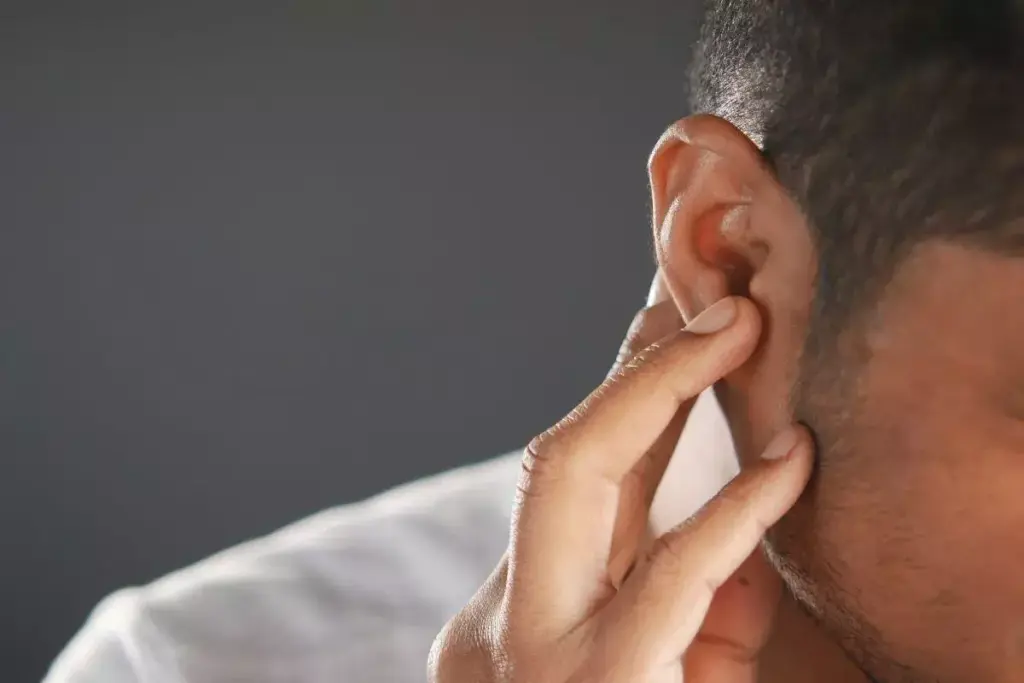
To prevent ear infections, knowing what causes them and who is at risk is key. Ear infections are a big health issue, mainly for kids. They can cause pain, hearing problems, and more if not treated right.
Common Types of Ear Infections
Ear infections can affect different parts of the ear. The main types are:
- Acute Otitis Media (AOM): This is the most common, with inflammation and infection in the middle ear.
- Otitis Media with Effusion (OME): This involves fluid in the middle ear without an acute infection.
- Chronic Otitis Media: These are ongoing or recurring infections that can cause lasting damage.
Primary Bacterial Pathogens
Many bacteria cause ear infections. The main ones are:
- Streptococcus pneumoniae: A top cause of ear infections, linked to many infections.
- Non-typeable Haemophilus influenzae: Common in ear and respiratory infections.
- Moraxella catarrhalis: Often found in ear infections, mainly in kids.
For more info on these bacteria, check out Medical organization’s ear infections page.
High-Risk Groups
Some groups face a higher risk of ear infections. These include:
- Children aged 6 to 24 months: At highest risk due to their young immune systems and Eustachian tube anatomy.
- Individuals with a family history of ear infections: Genetic factors can increase risk.
- Those exposed to smoke or pollutants: Environmental factors can raise the risk of ear infections.
Knowing these causes and risk factors helps us prevent ear infections better. By focusing on common types, main bacteria, and high-risk groups, we can lower the impact of these infections on people and communities.
How to Prevent Ear Infections Effectively
<Dec-9404_image_3>
Preventing ear infections needs a few key steps. These include breastfeeding, getting vaccinated, and keeping your ears clean. Let’s dive into these methods to keep your ears healthy.
Breastfeeding Benefits for Immune Protection
Breastfeeding is a great way to strengthen your baby’s immune system. Breast milk has antibodies that fight infections. Studies show that breastfeeding for 6–12 months can greatly reduce ear infection risks. We suggest exclusive breastfeeding for the first six months for the best benefits.
Essential Vaccinations
Getting all your vaccinations is key to avoiding ear infections. The pneumococcal conjugate vaccine (PCV) and the influenza vaccine are very important. They protect against common ear infection causes. Make sure to follow the vaccination schedule to keep your child safe.
Proper Ear Hygiene Practices
Good ear hygiene is vital to prevent infections. Don’t put things in your ears as it can push wax in and harm your eardrum. Clean the outer ear with a washcloth instead. Also, avoid using cotton swabs (Q-tips) inside your ears. Keep your ears dry, too, after bathing or swimming to stop bacteria from growing.
By using these methods—breastfeeding, vaccinations, and good ear care—you can lower ear infection risks. Remember, prevention is everything. Taking these steps can greatly improve your health.
Recognizing Symptoms and Treatment Options
It’s important to know the signs of ear infections to avoid serious problems and get the right care. Ear infections show different symptoms in kids and adults, but some signs are the same for everyone.
Common Symptoms and Warning Signs
Ear infections often cause ear pain, fever, and hearing loss. Babies might get irritable, pull at their ears, or have a fever. Spotting these symptoms early can help get treatment fast.
Other signs include fluid coming out of the ear and trouble balancing. If you or your child has these symptoms, see a doctor right away for a proper check-up.
Medical Expert, ENT Specialist
When Antibiotics Are Necessary
Antibiotics are usually given for bacterial ear infections. But, not all ear infections need antibiotics; some are viral and can get better by themselves. Whether or not to use antibiotics depends on the infection’s cause and how bad it is.
| Infection Type | Treatment Approach |
| Bacterial | Antibiotics |
| Viral | Watchful waiting, symptom management |
Recovery Timeline With and Without Treatment
The time it takes to get better from ear infections changes based on the treatment. Antibiotics usually help symptoms get better in 48 to 72 hours. Without antibiotics, viral infections might take a week or two to get better.
Knowing how long it takes to recover helps manage what to expect and stick to the treatment plan. It’s key to keep up with your doctor’s visits to make sure the infection is fully gone.
Conclusion
Understanding ear infection causes and risk factors helps us protect our ears. Our guide shows how to prevent them. This includes breastfeeding, keeping vaccinations up to date, avoiding tobacco smoke, and good ear hygiene.
These steps can greatly lower ear infection risks. We stress the importance of personal actions in keeping ears healthy. By doing so, we can improve our overall health and avoid ear problems.
To prevent ear infections, we need a mix of healthy habits and smart choices. By focusing on ear health and prevention, we ensure a better future for ourselves and our families.