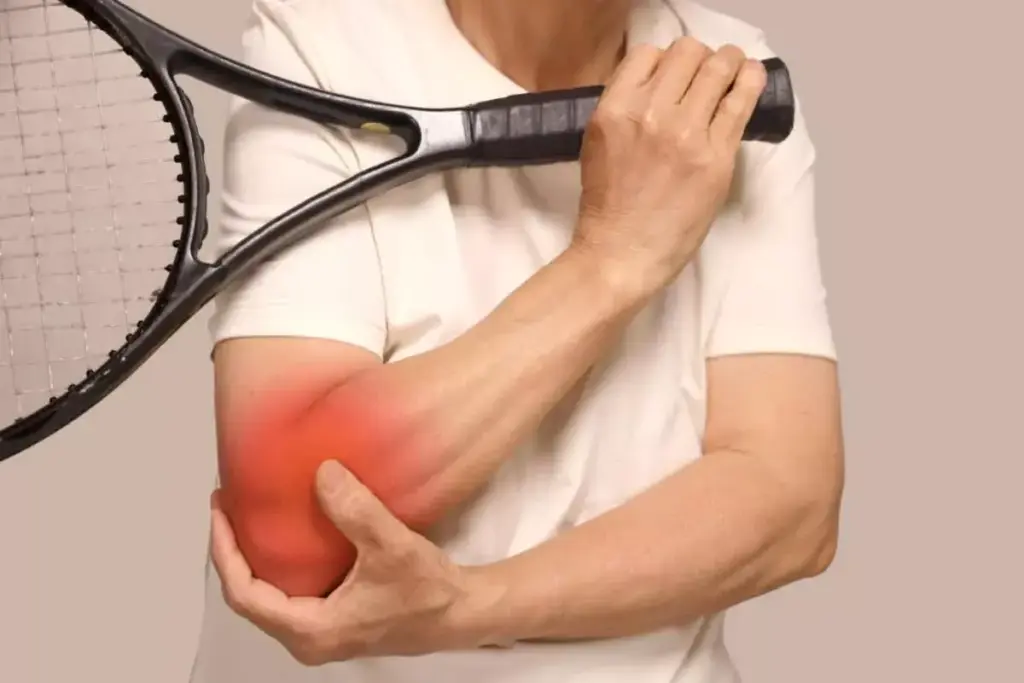
Tennis elbow, also known as lateral epicondylitis, is a common condition affecting the elbow joint. It affects 1 to 3 percent of adults every year. It often hits the dominant arm.
Repetitive tasks, not just sports like tennis or pickleball, can lead to this condition. Workers in factories and warehouses are also at risk due to load-bearing tasks.
At Liv Hospital, we emphasize prevention through evidence-based techniques. Understanding the risks and taking proactive steps can help you avoid tennis elbow and maintain forearm strength.
Key Takeaways
- Understand the risks of tennis elbow beyond sports.
- Learn how repetitive tasks contribute to the condition.
- Discover evidence-based prevention techniques.
- Explore ways to maintain forearm strength.
- Find out how to stop elbow pain when lifting and gripping.
Understanding Tennis Elbow and Why It Causes Elbow Pain When Lifting and Gripping
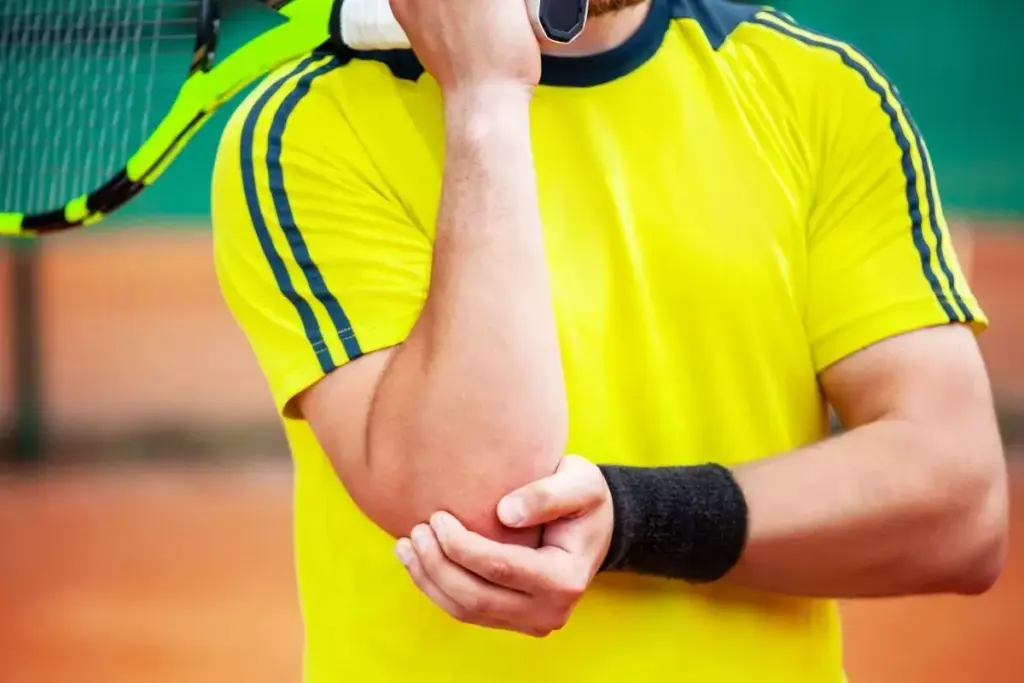
Lateral epicondylitis, or tennis elbow, happens when the tendons in the elbow get too much stress. It causes pain and tenderness on the outside of the elbow. This pain gets worse when you extend your wrist, grip, or squeeze things.
What Is Tennis Elbow (Lateral Epicondylitis)?
Tennis elbow affects the tendons that connect the forearm muscles to the lateral epicondyle. This is a bony bump on the outside of the elbow. The pain is mainly where these tough tissues attach. Learn more about tennis elbow symptoms and.
Who Is at Risk and Common Triggers
Several things can make you more likely to get tennis elbow. These include getting older, doing certain jobs, playing sports like tennis, smoking, being overweight, and taking some medicines. Activities that make you grip, twist, and lift a lot can also cause tennis elbow.
| Risk Factor | Description |
| Age | Tennis elbow is more common in adults between 30 and 50 years old. |
| Occupation | Jobs that involve repetitive arm movements, such as plumbing or carpentry. |
| Sports | Activities like tennis, squash, and other racquet sports. |
| Lifestyle Factors | Smoking and obesity can increase the risk. |
Signs and Symptoms to Watch For
The main symptom of tennis elbow is pain on the outside of the elbow. This pain can spread to the forearm and wrist. You might also notice a weak grip and stiff elbow.
If your elbow hurts when you lift or grip things, or when you make a fist, it could be tennis elbow. Knowing about tennis elbow helps you catch it early and get the right treatment to avoid more pain.
5 Effective Ways to Prevent Tennis Elbow
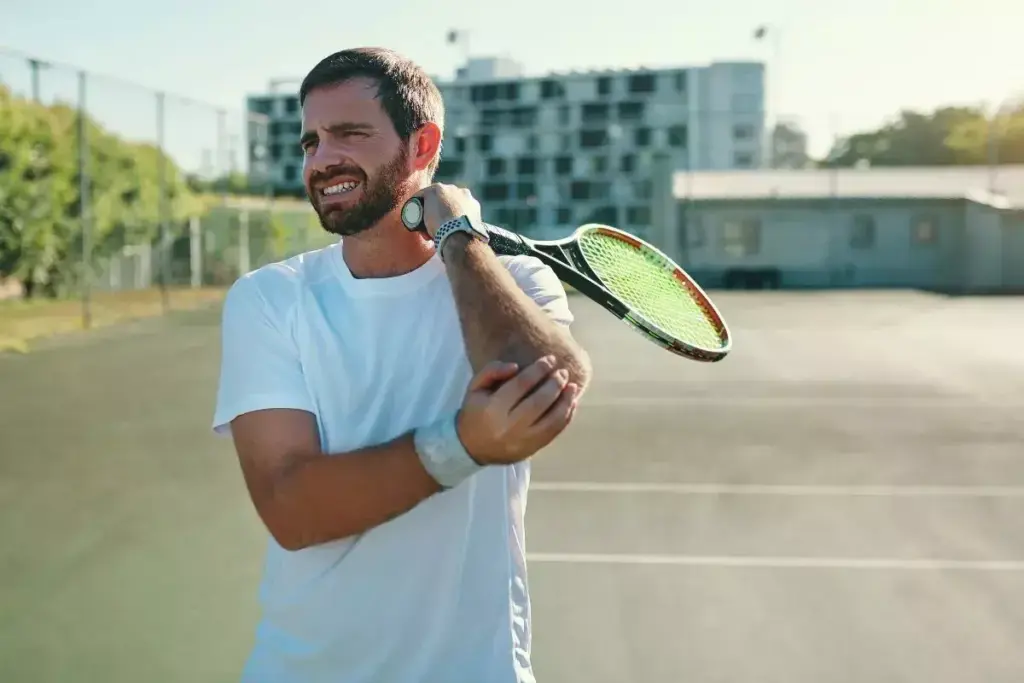
Preventing tennis elbow is simple with a few changes in daily life. By making these changes, you can lower your risk of getting tennis elbow. This includes pain when lifting and gripping.
1. Proper Technique and Form During Activities
Using the right technique and form is key. This means using the correct grip size for racquets and setting up workstations ergonomically. It also means adopting methods that don’t strain the forearm and elbow too much.
In sports like tennis, the right racquet grip size is important. It helps avoid putting too much stress on the wrist and forearm. At work, ergonomic workstations can also prevent injuries.
2. Strengthening Exercises for Forearm Muscles
Strengthening the forearm muscles is vital. Exercises like wrist extensions and grip strengthening can make muscles and tendons around the elbow stronger. This helps prevent tennis elbow.
Do these exercises 2-3 times a week. This will improve your forearm strength and flexibility.
| Exercise | Description | Repetitions |
| Wrist Extensions | Hold a light weight with your palm facing down and lift your wrist. | 10-15 |
| Forearm Pronation | Hold a light weight with your palm facing down and rotate your forearm. | 10-15 |
| Grip Strengthening | Squeeze a hand grip or a soft ball. | 10-15 |
3. Regular Stretching and Flexibility Routines
Regular stretching and flexibility routines keep muscles and tendons healthy. Simple stretches like wrist extensions or forearm stretches are very effective.
4. Using Appropriate Equipment and Ergonomic Tools
Using ergonomic tools is important. Tools with ergonomic handles reduce strain on the hand and wrist. Workstations should also promote good posture and reduce repetitive strain.
For example, ergonomic keyboards and mice can help prevent tennis elbow in computer users.
By following these five tips, you can greatly reduce your risk of tennis elbow. It’s about making smart choices and adopting habits that keep your muscles and tendons healthy.
Conclusion: When to Seek Help and Long-Term Prevention
To prevent tennis elbow, use the right technique, exercise regularly, and make ergonomic changes. Knowing the causes and symptoms helps you avoid this condition. It can cause pain and weakness in the outer elbow.
Getting help early is key to stop symptoms from getting worse. About 90 percent of people see big improvements in a year with treatment. This can include rest, physical therapy, bracing, and managing pain.
Keeping your forearm healthy is vital to avoid tennis elbow. Regular stretching and strengthening exercises are a must. Add these to your daily routine to prevent elbow weakness.
If elbow pain doesn’t go away, see a doctor. They might suggest injections or shockwave therapy to help. Taking steps to prevent tennis elbow and getting help when needed keeps your forearm healthy.
FAQ
What is tennis elbow, and how does it occur?
How can I prevent tennis elbow when engaging in repetitive activities?
What are the common signs and symptoms of tennis elbow?
Can tennis elbow be treated, and what are the available treatment options?
How can I strengthen my forearm muscles to prevent tennis elbow?
What ergonomic adjustments can I make to prevent tennis elbow?
Can tennis elbow be a recurring condition?
When should I seek medical attention for tennis elbow?
References
National Center for Biotechnology Information. Evidence-Based Medical Insight. Retrieved from https://www.ncbi.nlm.nih.gov/books/NBK431092/[4